
ace in the hole
US /es ɪn ðə ɡoʊl/
UK /eis ɪn ðəu həul/
- other
- A hidden advantage or resource kept in reserve for use when needed.
B2Moreafter all
US /ˈæftɚ ɔl/
UK /ˈɑ:ftə ɔ:l/
- Adverb
- In spite of what was expected; used to introduce a statement that supports a previous statement or explains why it was made
- Considering everything; used to indicate that something is happening or is true despite some difficulty or obstacle
- Phrase
- Despite what was expected or thought; in spite of everything.
- Taking everything into consideration; considering that.
B1Moreall over the place
US
UK
- Phrase
- In a state of disorder; scattered everywhere.
- In many different locations; widely distributed.
- Adjective
- Mentally or emotionally disorganized; confused or erratic.
A1Moreamazing
US /ə'meɪzɪŋ/
UK /ə'meɪzɪŋ/
- Adjective
- Surprising in a pleasing way
- Transitive Verb
- To cause wonder; to surprise completely
A2Moreapprentice
US /əˈprɛntɪs/
UK /əˈprentɪs/
- Countable Noun
- Person learning a trade by working for an expert
B1Moreaquatic
US /əˈkwætɪk/
UK /əˈkwætɪk/
- Adjective
- Living or growing near or in water
B2Moreas soon as
US /æz sun æz/
UK /æz su:n æz/
- Phrase
- In a short time after (something happens)
- Without any delay; immediately
- Conjunction
- At the moment that, or immediately after.
A1Moreas well as
US /æz wɛl æz/
UK /æz wel æz/
- Adverb
- Also; in addition to
- Preposition
- In addition to; and also.
A1Moreaspen
US /ˈæspən/
UK /ˈæspən/
- Countable Noun
- Kind of tree
C1Moreat last
US /æt læst/
UK /æt lɑ:st/
- Adverb
- Finally; after a long delay.
B1Moreat least
US /æt list/
UK /æt li:st/
- Adverb
- As a minimum
- Not less than
- Phrase
- No less than; at the minimum
- Used to indicate that something is positive in a bad situation.
C2Moreaway from home
US
UK
- Phrase
- Not at one's residence; at a distance from one's home.
- Experiencing a sense of detachment or longing due to being distant from one's home and family.
- Adjective
- Relating to or describing activities, experiences, or situations encountered while traveling or living outside of one's home.
A2Morebark
US /bɑ:rk/
UK /bɑ:k/
- Intransitive Verb
- To make the loud sound of a dog (when angry)
- Noun
- Sound made by a dog
- Tough outer covering of a tree or other plant
B1Morebeaver
US /ˈbivɚ/
UK /'bi:və(r)/
- Countable Noun
- Small furry animal that builds things
- Intransitive Verb
- To work hard on something
B2Morebuild up
US /bɪld ʌp/
UK /bild ʌp/
- Phrasal Verb
- To increase the amount; collect something
- To develop or increase something in stages
- Verb (Transitive/Intransitive)
- To increase or develop something gradually.
- To praise or encourage someone.
A1Moreby day
US /baɪ de/
UK /bai dei/
- Phrase
- During the daytime; not at night.
A2Moreby hand
US /baɪ hænd/
UK /bai hænd/
- Phrase
- Done manually; not by machine.
- Delivered personally; not by mail or electronically.
A1Morecattle
US /ˈkætl/
UK /ˈkætl/
- Noun (Countable/Uncountable)
- Cows or bulls on a farm
- Individual animals of the bovine species.
B1Morecome along
US /kʌm əˈlɔŋ/
UK /kʌm əˈlɔŋ/
- Phrasal Verb
- To go with someone who takes the lead
- To make progress toward a goal
A1Morecome back
US /kʌm bæk/
UK /kʌm bæk/
- Phrasal Verb
- To reply to someone, often forcefully
- To be remembered
A1Morecome by
US /kʌm baɪ/
UK /kʌm bai/
- Phrasal Verb
- To become the owner of something, e.g. by accident
- To visit someone
A1Morecome from
US /kʌm frʌm/
UK /kʌm frɔm/
- Phrasal Verb
- To have as your native country or city
A1Morecontact
US /ˈkɑnˌtækt/
UK /'kɒntækt/
- Adjective
- Touching or feeling something
- Noun (Countable/Uncountable)
- Touching or feeling something
- Object that allows electricity to run through it
A2Morecouple
US /ˈkʌpəl/
UK /'kʌpl/
- Transitive Verb
- To join something to something else
- (Two animals) to engage in sexual relations
- Noun (Countable/Uncountable)
- Two people in a romantic relationship
- Two of something; two people; a pair
A2Morecreek
US /krik, krɪk/
UK /kri:k/
- Countable Noun
- Water channel that is smaller than a river
B2Morecut off
US /kʌt ɔf/
UK /kʌt ɔf/
- Phrasal Verb
- To end a process, e.g. a phone call
- To cut the end of something
- Transitive Verb
- To isolate or prevent access to a place or person.
- To interrupt someone while they are speaking.
A1Moredam
US /dæm/
UK /dæm/
- Noun (Countable/Uncountable)
- Wall built to stop the flow of water
- Transitive Verb
- To build a wall to prevent a river from flowing
B1Moredeeply
US /ˈdiplɪ/
UK /ˈdi:pli/
- Adverb
- To a significant degree
- To a great, intense or extreme extent
A2Moredelighted
US /dɪˈlaɪtɪd/
UK /dɪˈlaɪtɪd/
- Adjective
- Greatly pleased; filled with wonder and delight
- Very pleased or satisfied with something.
- Transitive Verb
- To give someone pleasure or joy
B1Moredesert
US /ˈdɛzət/
UK /'dezət/
- Transitive Verb
- To leave a place for ever; abandon
- To leave when one is needed or expected to stay
- Noun (Countable/Uncountable)
- Bare area of land, often with few plants and water
- A punishment or reward that is deserved.
A2Moredevelopment
US /dɪˈvɛləpmənt/
UK /dɪ'veləpmənt/
- Noun (Countable/Uncountable)
- Act or process of growing bigger or more advanced
- A new event related to a previous event
A2TOEICMoredig
US /dɪɡ/
UK /dɪg/
- Verb (Transitive/Intransitive)
- To move material to create a hole
- To search or investigate thoroughly.
A2Moredo in
US
UK
- Phrasal Verb
- To make completely tired out and exhausted
- To destroy or cause damage to someone
A1Moredrought
US /draʊt/
UK /draʊt/
- Noun (Countable/Uncountable)
- Long period of dry weather
- A prolonged absence or shortage of something specified.
B1Moreecosystem
US /ˈɛkoˌsɪstəm, ˈiko-/
UK /ˈi:kəʊsɪstəm/
- Noun (Countable/Uncountable)
- Types of plants and animals in an specific area
- A network of interconnected companies, technologies, and services that interact to create value.
B1Moreend up with
US
UK
- Phrasal Verb
- To have something as a result.
A1Moreever since
US /ˈɛvɚ sɪns/
UK /ˈevə sins/
- Adverb
- Continuously from a past time until now.
- Conjunction
- From the time that; because.
B2Morefamily members
US
UK
- Noun (plural)
- People related by blood, marriage, or adoption.
A1Morefigure out
US /ˈfɪɡjɚ aʊt/
UK /ˈfiɡə aut/
- Phrasal Verb
- To understand the behavior of someone
- To think through logically to find a solution
- Verb (Transitive/Intransitive)
- To understand or find an answer to something.
- To find a solution to a problem or understand something.
A1Moreflood
US /flʌd/
UK /flʌd/
- Verb (Transitive/Intransitive)
- To quickly appear unexpectedly and in volume
- (Of liquid) to fill or cover something completely
- Noun (Countable/Uncountable)
- A quick unexpectedly volume of something
- Large number of people or things arriving at once
B1Moreflooding
US /flʌdɪŋ/
UK /flʌdɪŋ/
- Verb (Transitive/Intransitive)
- To quickly appear unexpectedly and in volume
- (Of liquid) to fill or cover something completely
B1Morefor life
US /fɔr laɪf/
UK /fɔ: laif/
- Phrase
- For the duration of one's life; permanently.
- To support someone for the duration of their life.
- Adjective
- Being a member for the entirety of one's life.
A1Morefor some reason
US /fɔr sʌm ˈrizən/
UK /fɔ: sʌm ˈri:zən/
- Phrase
- For a reason that is not known or not easily explained.
A1Morefor sure
US /fɔr ʃʊr/
UK /fɔ: ʃuə/
- Adverb
- Definitely; certainly; without a doubt.
- Used to emphasize a statement.
- Interjection
- An expression of strong agreement or affirmation.
A2Morefor the rest
US /fɔr ði rɛst/
UK /fɔ: ðə rest/
- Phrase
- Concerning the remaining people or things.
- During the remaining part of a period of time.
A1Morefound out
US
UK
- Phrasal Verb
- To learn or discover something, often after some effort.
- To become known; be revealed.
B2Morefrom home
US
UK
- Phrase
- Working or operating from one's residence.
- Originating or coming from one's own house or country.
A1Morefrom the first
US /frəm ðə ˈfɝst/
UK /frəm ðə ˈfɜ:st/
- other
- From the very beginning.
B2Morefur
US /fɚ/
UK /fɜ:(r)/
- Noun (Countable/Uncountable)
- Hairy coat of an animal
- Clothing item made with animal fur
- Transitive Verb
- To apply strips of wood or metal to a wall or ceiling to create a level surface.
B1Moreget along
US /ɡɛt əˈlɔŋ/
UK /ɡet əˈlɔŋ/
- Phrasal Verb
- To have a friendly relationship with someone; like
- To manage with what you have, e.g. money
A1Moregive up
US /ɡɪv ʌp/
UK /ɡiv ʌp/
- Phrasal Verb
- To lose hope or admit defeat
- To decide to not start to try solving a problem
- Verb Phrase
- to surrender an item; hand over an item
A1Morego ahead
US /ɡo əˈhɛd/
UK /ɡəu əˈhed/
- Phrasal Verb
- To start an activity; start doing, working etc.
- To give permission to do something
- Intransitive Verb
- To start or proceed with something
- To proceed despite potential obstacles or doubts.
A1Morego it alone
US /goʊ ɪt əˈloʊn/
UK /gəu ɪt əˈləun/
- other
- To act or do something without help or partners.
B2Moregrow up
US /ɡro ʌp/
UK /ɡrəu ʌp/
- Phrasal Verb
- To develop from a child into an adult
A1Morehave to
US /hæv tu/
UK /ˈhæv tə/
- Auxiliary Verb
- Must do
A1Morein fact
US /ɪn fækt/
UK /in fækt/
- Adverb
- Used to emphasize the truth of a statement, especially one that contrasts with or contradicts something else.
- Used to introduce a more detailed or surprising piece of information.
- Phrase
- Used to emphasize the truth of a statement, especially one that is surprising or contrary to what might be expected.
C1Morein half
US /ɪn hæf/
UK /in hɑ:f/
- Adverb
- Divided into two equal parts.
- Partially; to some extent.
A1Morein on
US
UK
- Phrase
- To be involved in a secret or plan.
- To be aware of something that is secret or not generally known.
A1Morein part
US /ɪn pɑrt/
UK /in pɑ:t/
- Adverb
- To some extent; partially.
A1Morein the field
US
UK
- Phrase
- Working or doing research in a real-world environment, not in a classroom or laboratory.
- Located on the playing area of a sports ground.
A1Morein the middle of
US
UK
- Phrase
- In the central part or point of something.
- Engaged or occupied with something.
A2Morejust kind of
US
UK
- Phrase
- Used to express a feeling or state in a vague or hesitant way.
- Used to indicate something is approximately or generally similar to something else.
A2Morekeystone
US /ˈkiˌston/
UK /'ki:stəʊn/
- Noun
- Central building block at the top of an arch
C2Morekeystone species
US
UK
- Noun
- A species on which other species in an ecosystem largely depend, such that if it were removed the ecosystem would change drastically.
- A plant or animal that plays a unique and crucial role in the way an ecosystem functions.
B2Morelandscape
US /ˈlændˌskep/
UK /'lændskeɪp/
- Noun
- Area or scene of activity, especially in politics
- Picture of natural scenery in a place
- Transitive Verb
- To make gardens that improve an area of land
B1TOEICMorelays down
US
UK
- Phrasal Verb
- To put down flat, as you put a baby in a bed
- To state a rule, especially laws
A2Morelittle man
US
UK
- Countable Noun
- A man of short stature.
- An unimportant or insignificant person.
A1Morelive out
US /liv aʊt/
UK /liv aut/
- Phrasal Verb
- To experience something, especially something that you have planned or hoped for.
- To live somewhere that is not the place where you work.
A1Morelodge
US /lɑdʒ/
UK /lɒdʒ/
- Verb (Transitive/Intransitive)
- To (provide a place to) stay for a short time
- To submit (complaint, application etc.)
- Noun
- A wooden house in the mountains
B1Morelook at
US /lʊk æt/
UK /luk æt/
- Phrasal Verb
- To use your eyes to focus on something
- To focus your eyes on something carefully
A1Morelook for
US /lʊk fɔr/
UK /luk fɔ:/
- Phrasal Verb
- To try to find a thing or person that is lost
- To expect or anticipate something.
A1Moremess around
US /mɛs əˈraʊnd/
UK /mes əˈraund/
- Phrasal Verb
- To cheat on your partner with another lover
- To pass the time aimlessly
- Intransitive Verb
- To behave in a silly or playful way.
- To spend time doing things that are not important or useful.
A2Moremove around
US /muv əˈraʊnd/
UK /mu:v əˈraund/
- Phrasal Verb
- To change position or location; to go from place to place.
- Intransitive Verb
- To spread or circulate (e.g., information, rumors).
next to
US /nɛkst tu/
UK /nekst tu:/
- Preposition
- Being located along side another
- In comparison with
- Adverb
- Almost; nearly
A1Moreoff of
US /ɔf ʌv/
UK /ɔf ɔv/
- Preposition
- From a position on something; down from.
A1Moreon record
US /ɑn rɪˈkɚd/
UK /ɔn riˈkɔ:d/
- Adverb
- Formally and publicly stated
- Adjective
- Officially documented or registered.
A1Moreon the move
US /ɑn ði muv/
UK /ɔn ðə mu:v/
- Adjective
- Traveling or going from place to place.
- Actively progressing or developing.
- Phrase
- In the process of changing location.
A1Moreon the surface
US /ɑn ði ˈsɚfəs/
UK /ɔn ðə ˈsə:fis/
- Phrase
- Appearing to be true or real until examined more closely.
- Located on the outer part or uppermost layer of something.
B2Moreon the way
US /ɑn ði we/
UK /ɔn ðə wei/
- Phrase
- During the journey to a particular place.
A1Morepark in
US /ˈpɑrk ɪn/
UK /ˈpɑ:k ɪn/
- other
- To drive a vehicle into a parking spot or area.
A2Moreplumber
US /ˈplʌmɚ/
UK /ˈplʌmə(r)/
- Countable Noun
- Worker installing toilets, pipes etc. in buildings
B2TOEICMorereach out
US /ritʃ aʊt/
UK /ri:tʃ aut/
- Phrasal Verb
- To attempt to communicate with someone.
- To offer help and support to someone.
B1Moreremain
US /rɪˈmen/
UK /rɪˈmeɪn/
- Intransitive Verb
- To be left behind; to continue to exist
- To stay in a place when other people have gone
A2TOEICMorerescue
US /ˈrɛskju/
UK /'reskju:/
- Transitive Verb
- To save someone who is in danger or in trouble
- To provide financial assistance to save a company or economy from collapse.
- Noun (Countable/Uncountable)
- Act of saving someone in danger or in trouble
- An act of saving someone or something from a dangerous or difficult situation.
A2TOEICMoreset to
US /sɛt tu/
UK /set tu:/
- Phrasal Verb
- To energetically begin to do, e.g. making a fire
A1Moresherry
US /ˈʃɛri/
UK /'ʃerɪ/
- Noun
- Alcoholic drink originating in Spain
B2Moreskull
US /skʌl/
UK /skʌl/
- Noun
- Structure of bones forming the face and head
B2Moreslow down
US /slo daʊn/
UK /sləu daun/
- Phrasal Verb
- To reduce the speed
- To become less active or busy.
A1Moresnow in
US /snoʊ ɪn/
UK /snəu in/
- other
- To be trapped inside due to heavy snowfall blocking exits.
B2Moresoil
US /sɔɪl/
UK /sɔɪl/
- Uncountable Noun
- Conditions in which something develops
- Mix of natural material in which plants grow
- Transitive Verb
- To get or become dirty
B1Morestick
US /stɪk/
UK /stɪk/
- Verb (Transitive/Intransitive)
- To push a sharp or pointed object into something
- To join together using glue or paste
- Countable Noun
- Long thin piece of wood from a tree
A2Morestock up
US /stɑk ʌp/
UK /stɔk ʌp/
- Phrasal Verb
- To accumulate a supply of something.
A1Morestream
US /strim/
UK /stri:m/
- Intransitive Verb
- To send a constant flow of data over the internet
- Noun
- Classes split into ability levels
- A small river
A2Moresuch as
US /sʌtʃ æz/
UK /sʌtʃ æz/
- Preposition
- For example; like
A1Moresurvive
US /sɚˈvaɪv/
UK /sə'vaɪv/
- Intransitive Verb
- To continue to live despite illness or trouble
A2TOEICMoretake on
US /tek ɑn/
UK /teik ɔn/
- Phrasal Verb
- To acquire a new characteristic
- To accept a new responsibility, role
A1Morethanks to
US /θæŋks tu/
UK /θæŋks tu:/
- Preposition
- Because of; as a result of.
A1Morethe bottom line
US /ði ˈbɑtəm laɪn/
UK /ðə ˈbɔtəm lain/
- Noun
- The most important thing; the essential point.
- The net income or profit of a company.
A2Moretimber
US /ˈtɪmbɚ/
UK /ˈtɪmbə(r)/
- Interjection
- Used to warn people that a tree is about to fall
- Uncountable Noun
- Wood used as a building material
B1Moreto let
US /tu lɛt/
UK /tu let/
- Preposition
- Indicates that a property is available for rent.
A2Moretrap
US /træp/
UK /træp/
- Countable Noun
- Device used for catching animals
- Vehicle pulled by a single horse
- Transitive Verb
- To use a device to catch animals or people
- To hold, e.g. a nerve, so that it cannot move
A2Moretricks of the trade
US /trɪks ʌv ðə treɪd/
UK /triks ɒv ðə treid/
- other
- Special methods useful for effective work in a particular job.
B2Moreunderwater
US /ˈʌndɚˌwɔtɚ, -ˌwɑtɚ/
UK /ˌʌndəˈwɔ:tə(r)/
- Adjective
- (Moving or existing) beneath the surface of water
C2Morevalley
US /ˈvæli/
UK /'vælɪ/
- Noun (Countable/Uncountable)
- Area between mountains with river running through
- The internal angle formed by the intersection of two sloping roof surfaces.
A2Moreweigh down
US
UK
- Phrasal Verb
- To stop a thing moving by putting something on it
A2Morewild
US /waɪld/
UK /waɪld/
- Adverb
- In a manner which lacks control
- Adjective
- Living in nature; not tame
- (Of land) not developed by people
A2Morewildlife
US /ˈwaɪldˌlaɪf/
UK /ˈwaɪldlaɪf/
- Uncountable Noun
- All wild animals
B1Morework around
US
UK
- Phrasal Verb
- To find a way to avoid a problem or obstacle.
A1More
Vocabulary
- have to: Must do
- look at: To use your eyes to focus on something
- on record: Formally and publicly stated
- family members: People related by blood, marriage, or adoption.
- figure out: To understand the behavior of someone
- to let: Indicates that a property is available for rent.
- keystone species: A species on which other species in an ecosystem largely depend, such that if it were removed the ecosystem would change drastically.
- for some reason: For a reason that is not known or not easily explained.
- move around: To change position or location; to go from place to place.
- weigh down: To stop a thing moving by putting something on it
- tricks of the trade: Special methods useful for effective work in a particular job.
- build up: To increase the amount; collect something
- thanks to: Because of; as a result of.
- give up: To lose hope or admit defeat
- work around: To find a way to avoid a problem or obstacle.
- just kind of: Used to express a feeling or state in a vague or hesitant way.
- for sure: Definitely; certainly; without a doubt.
- in half: Divided into two equal parts.
- cut off: To end a process, e.g. a phone call
- by day: During the daytime; not at night.
- go ahead: To start an activity; start doing, working etc.
- lays down: To put down flat, as you put a baby in a bed
- all over the place: In a state of disorder; scattered everywhere.
- such as: For example; like
- grow up: To develop from a child into an adult
- reach out: To attempt to communicate with someone.
- end up with: To have something as a result.
- park in: To drive a vehicle into a parking spot or area.
- by hand: Done manually; not by machine.
- in part: To some extent; partially.
- off of: From a position on something; down from.
- ever since: Continuously from a past time until now.
- next to: Being located along side another
- for life: For the duration of one's life; permanently.
- the bottom line: The most important thing; the essential point.
- ace in the hole: A hidden advantage or resource kept in reserve for use when needed.
- snow in: To be trapped inside due to heavy snowfall blocking exits.
- do in: To make completely tired out and exhausted
- come along: To go with someone who takes the lead
- found out: To learn or discover something, often after some effort.
- little man: A man of short stature.
- come back: To reply to someone, often forcefully
- at last: Finally; after a long delay.
- on the move: Traveling or going from place to place.
- for the rest: Concerning the remaining people or things.
- at least: As a minimum
- in on: To be involved in a secret or plan.
- in the middle of: In the central part or point of something.
- as well as: Also; in addition to
- mess around: To cheat on your partner with another lover
- live out: To experience something, especially something that you have planned or hoped for.
- from the first: From the very beginning.
- go it alone: To act or do something without help or partners.
- from home: Working or operating from one's residence.
- away from home: Not at one's residence; at a distance from one's home.
- as soon as: In a short time after (something happens)
- set to: To energetically begin to do, e.g. making a fire
- on the surface: Appearing to be true or real until examined more closely.
- look for: To try to find a thing or person that is lost
- come from: To have as your native country or city
- in the field: Working or doing research in a real-world environment, not in a classroom or laboratory.
- take on: To acquire a new characteristic
- come by: To become the owner of something, e.g. by accident
- stock up: To accumulate a supply of something.
- slow down: To reduce the speed
- on the way: During the journey to a particular place.
- get along: To have a friendly relationship with someone; like
- in fact: Used to emphasize the truth of a statement, especially one that contrasts with or contradicts something else.
- after all: In spite of what was expected; used to introduce a statement that supports a previous statement or explains why it was made
- stick: To push a sharp or pointed object into something
- environment: Natural world in which plants and animals live
- remain: To be left behind; to continue to exist
- trap: Device used for catching animals
- contact: Touching or feeling something
- couple: To join something to something else
- survive: To continue to live despite illness or trouble
- record: Highest or most extreme level achieved
- ecosystem: Types of plants and animals in an specific area
- development: Act or process of growing bigger or more advanced
- stream: To send a constant flow of data over the internet
- drought: Long period of dry weather
- rescue: To save someone who is in danger or in trouble
- landscape: Area or scene of activity, especially in politics
- skull: Structure of bones forming the face and head
- soil: Conditions in which something develops
- desert: To leave a place for ever; abandon
- sign: Indication that something exists or will happen
- wild: In a manner which lacks control
- amazing: Surprising in a pleasing way
- catch: Amount of something that has been caught
- basic: At the most important or easiest (beginner) level
- kind: In a caring and helpful manner
- flood: To quickly appear unexpectedly and in volume
- learn: To get knowledge or skills by study or experience
- sound: Sensible, dependable and reliable
- dig: To move material to create a hole
- build: Your physical shape; physique
- natural: Being as one would expect; being usual or normal
- fur: Hairy coat of an animal
- apprentice: Person learning a trade by working for an expert
- delighted: Greatly pleased; filled with wonder and delight
- valley: Area between mountains with river running through
- hold: To agree to keep something for someone
- plumber: Worker installing toilets, pipes etc. in buildings
- cattle: Cows or bulls on a farm
- land: Region or country
- world: All the humans, events, activities on the earth
- feel: To be aware of or experience an emotion, sensation
- deeply: To a significant degree
- life: All the living things e.g. animals, plants, humans
- aquatic: Living or growing near or in water
- lodge: To (provide a place to) stay for a short time
- bark: To make the loud sound of a dog (when angry)
- timber: Used to warn people that a tree is about to fall
- wildlife: All wild animals
- creek: Water channel that is smaller than a river
- dam: Wall built to stop the flow of water
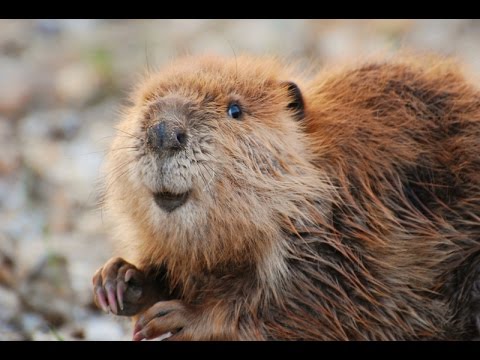
- beaver: Small furry animal that builds things
- flooding: To quickly appear unexpectedly and in volume
- underwater: (Moving or existing) beneath the surface of water
- aspen: Kind of tree
- keystone: Central building block at the top of an arch
- sherry: Alcoholic drink originating in Spain
Get the full experience in the app
Learn anywhere with detailed sentence and usage analysis
01:03
She took a brave step forward, leaving behind her comfort zone to chase her dreams.
Vocabulary
- brave
adj. Having courage
- comfort zone
phr. A familiar situation where one feels safe
Explanation
a brave step is a noun phrase, where brave is an adjective modifying the noun step, meaning "a courageous step".
forward is an adverb modifying step, meaning "ahead".
The whole phrase serves as the object, answering the "what" of took (verb) — she took a brave step forward.
Get the full experience in the app
Look up words anytime with pronunciation, part of speech, and usage
brave
US/brev/
UK/breɪv/
adj.Brave
v.t.To bravely face
A2 Elementary
Get the full experience in the app
Practice speaking anytime and get instant pronunciation feedback
Try this speaking exercise.
Try practicing with this sentence.
80
0
CV posted on 2017/02/09Ever wondered how beavers engineer entire ecosystems? This fascinating documentary dives deep into beaver engineering, water storage, and their role as a keystone species, showing you how these amazing animals shape their environment. You'll pick up advanced vocabulary related to wildlife and conservation, making it a fantastic watch for understanding nature's incredible architects!
Learn this video on the APP!
The VoiceTube App has more in-depth practice for videos!