
advocate
US /ˈædvəˌket/
UK /'ædvəkeɪt/
- Noun (Countable/Uncountable)
- A lawyer who protects a clients interests
- Person who supports a movement for changes
- Verb (Transitive/Intransitive)
- To request change
- To publicly support a belief
B1TOEICMoreafter all
US /ˈæftɚ ɔl/
UK /ˈɑ:ftə ɔ:l/
- Adverb
- In spite of what was expected; used to introduce a statement that supports a previous statement or explains why it was made
- Considering everything; used to indicate that something is happening or is true despite some difficulty or obstacle
- Phrase
- Despite what was expected or thought; in spite of everything.
- Taking everything into consideration; considering that.
B1Morealong with
US /əˈlɔŋ wɪð/
UK /əˈlɔŋ wið/
- Preposition
- In addition to; together with.
- Adverb
- In company or together with someone or something.
- Including; in addition to.
A2Moreanswer to
US
UK
- Phrasal Verb
- To be responsible to someone and have to explain your actions to them.
- To correspond to or match a description or requirement.
A1Moreargument
US /ˈɑrɡjəmənt/
UK /ˈɑ:gjumənt/
- Noun (Countable/Uncountable)
- Discussion in which you disagree with someone
- A presentation of reasons for or against an idea
A2TOEICMorearound the world
US /əˈraʊnd ði wɜrld/
UK /əˈraund ðə wɜː(r)ld/
- Phrase
- In or to many countries.
- In various places throughout the world.
A2Moreas a result of
US
UK
- Phrase
- Because of something; owing to.
A1Moreas long as
US /æz lɔŋ æz/
UK /æz lɔŋ æz/
- Conjunction
- For the period that; provided that.
- For the length of time that
- Preposition
- On the condition that; providing that.
- Having the same length as.
A1Moreas of right
US /əz əv raɪt/
UK /əz əv raɪt/
- other
- By lawful entitlement or established right.
C1Moreat least
US /æt list/
UK /æt li:st/
- Adverb
- As a minimum
- Not less than
- Phrase
- No less than; at the minimum
- Used to indicate that something is positive in a bad situation.
C2Moreat night
US /æt naɪt/
UK /æt nait/
- Phrase
- During the night; in the nighttime.
A1Moreat stake
US /æt stek/
UK /æt steik/
- Phrase
- At risk; that can be lost if something is not successful
- In question; depending on what happens
- Adjective
- At risk; that can be lost if something is not successful.
A1Moreat the moment
US
UK
- Adverb
- At this time; now
A1Moreat the same time
US
UK
- Phrase
- Simultaneously; at the identical moment.
- Nevertheless; however; used to introduce a contrasting or qualifying statement.
A1Moreback in the day
US
UK
- Phrase
- In the past; in former times.
- Referring to a past time, often with a sense of nostalgia or fondness.
A1Moreback into
US /bæk ˈɪntu/
UK /bæk ˈɪntuː/
- Phrasal Verb
- To drive a vehicle backwards into a space or area.
- To accidentally collide with something while moving backwards.
A1Moreback out
US /bæk aʊt/
UK /bæk aut/
- Phrasal Verb
- To say you will now not do something you promised
A1Moreback to work
US
UK
- Phrase
- Returning to one's job or professional duties after a period of absence.
- Interjection
- An expression used to urge or remind people to resume working.
A1Morebang on
US /bæŋ ɑn/
UK /bæŋ ɔn/
- Phrase
- Exactly (used with numbers, time, for emphasis)
- Phrasal Verb
- To keep talking so it becomes annoying
A2Morebased on
US
UK
- Phrasal Verb
- To use something as the foundation or starting point for something else.
- Preposition
- Using something as the main idea or foundation.
- Relying on something as evidence or justification.
A1Morebest known
US
UK
- Adjective
- Most widely or popularly recognized, famous, or familiar.
A1Morebreak down
US /brek daʊn/
UK /breik daun/
- Phrasal Verb
- To forcibly break, destroy or make collapse
- (Machine) to stop working or become weaker
A1Morecall for
US /kɔl fɔr/
UK /kɔ:l fɔ:/
- Phrasal Verb
- To demand, need or require (an action or thing)
- To come to someone's house to take them somewhere
A1Morecampaign
US /kæmˈpen/
UK /kæm'peɪn/
- Intransitive Verb
- To work in an organized, active way towards a goal
- Noun (Countable/Uncountable)
- Series of actions meant to achieve a goal
- A planned set of military activities intended to achieve a particular objective.
A2TOEICMorecarry on
US /ˈkæri ɑn/
UK /ˈkæri ɔn/
- Phrasal Verb
- To engage in an activity, e.g. a conversation
- To continue or keep doing something
- Verb (Transitive/Intransitive)
- To continue doing something
A1Morecheck out
US /tʃɛk aʊt/
UK /tʃek aut/
- Phrase
- Phrasal Verb
- To find out information about something
- To take books out of a library
A1Morecome back
US /kʌm bæk/
UK /kʌm bæk/
- Phrasal Verb
- To reply to someone, often forcefully
- To be remembered
A1Morecome from
US /kʌm frʌm/
UK /kʌm frɔm/
- Phrasal Verb
- To have as your native country or city
A1Moreconservative
US /kənˈsɚvətɪv/
UK /kənˈsɜ:vətɪv/
- Adjective
- (Of an estimate, price) set fairly low
- Resistant to change
- Noun
- Person with traditional ideas; doesn't like change
B1Moredeal with
US /dil wɪð/
UK /di:l wið/
- Verb (Transitive/Intransitive)
- To buy or sell goods or services.
- Phrasal Verb
- To take action to solve a problem or manage a situation.
- To be about; concern.
A1Moredebate
US / dɪˈbet/
UK /dɪ'beɪt/
- Noun (Countable/Uncountable)
- General public discussion of a topic
- A formal event where two sides discuss a topic
- Verb (Transitive/Intransitive)
- To consider options before making a decision
- To take part in a formal discussion
A2TOEICMoredisagree with
US /ˌdɪsəˈɡri wɪð/
UK /ˌdisəˈɡri: wið/
- Phrasal Verb
- To have a different opinion from someone else.
- Intransitive Verb
- To cause someone to feel ill or uncomfortable.
A1Moredispute
US /dɪˈspjut/
UK /dɪ'spju:t/
- Verb (Transitive/Intransitive)
- To argue with someone about something
- To disagree about who owns or controls something
- Noun (Countable/Uncountable)
- Argument with someone about something
- A question or doubt about something
B1TOEICMoredo in
US
UK
- Phrasal Verb
- To make completely tired out and exhausted
- To destroy or cause damage to someone
A1Moredo magic
US
UK
- Intransitive Verb
- To perform magic tricks; to create illusions.
A2Moredouble down
US
UK
- Verb (Transitive/Intransitive)
- In gambling, to double one's bet, typically in exchange for taking one more card.
- To reinforce one's commitment to a particular course of action, even in the face of opposition or risk.
A2Moredown with
US /daʊn wɪð/
UK /daun wið/
- Adjective
- Suffering from an illness.
- Agreeable to; in favor of.
- Interjection
- An expression of opposition to something.
A1Moreeconomic
US /ˌɛkəˈnɑmɪk, ˌikə-/
UK /ˌi:kəˈnɒmɪk/
- Adjective
- Concerning trade, industry, and money
- Financially worthwhile; profitable.
- Noun
- A system relating to economics
- A factor relating to economics
A2Moreelection
US /ɪˈlɛkʃən/
UK /ɪ'lekʃn/
- Noun
- Process of choosing someone by voting
B1TOEICMoreenter into
US /ˈɛntɚ ˈɪntu/
UK /ˈentə ˈɪntuː/
- Phrasal Verb
- To begin or become involved in something, such as an agreement or activity.
A1Moreever since
US /ˈɛvɚ sɪns/
UK /ˈevə sins/
- Adverb
- Continuously from a past time until now.
- Conjunction
- From the time that; because.
B2Morefor example
US
UK
- Phrase
- As an illustration or instance.
for instance
US /fɔr ˈɪnstəns/
UK /fɔ: ˈinstəns/
- Adverb
- As an example.
- Phrase
- As an example.
- As an illustration or case in point
B1Morefor now
US /fɔr naʊ/
UK /fɔ: nau/
- Phrase
- Temporarily; for the present time.
- In the short term; for the immediate future.
A1Morefor the world
US /fɚ ðə wɝld/
UK /fə ðə wɜ:ld/
- other
- Used to emphasize something would never happen.
B2Moreget behind
US /ɡɛt bɪˈhaɪnd/
UK /ɡet biˈhaind/
- Phrasal Verb
- To support or encourage.
- To fail to make enough progress or to do something by a particular time.
get out of
US /ɡɛt aʊt ʌv/
UK /ɡet aut ɔv/
- Phrasal Verb
- To leave or escape responsibilities, troubles
- To leave a small, enclosed vehicle
A1Morego away
US /ɡo əˈwe/
UK /ɡəu əˈwei/
- Phrasal Verb
- To go on vacation
- To leave; depart.
A1Morego back to
US /ɡo bæk tu/
UK /ɡəu bæk tu:/
- Phrasal Verb
- To return to a starting point
A1Morego on
US /ɡo ɑn/
UK /ɡəu ɔn/
- Phrasal Verb
- To continue doing something
- To happen (usually negative)
- Interjection
- Used to encourage someone
A1Moregoing on
US /ˈɡoɪŋ ɑn/
UK /ˈgəʊɪŋ ɔn/
- Phrasal Verb
- To continue doing something
- To happen (usually negative)
A1Moregot to
US /ɡɑt tu/
UK /gɔt tu:/
- Verb (Transitive/Intransitive)
- To arrive at some place
- To have the opportunity or permission to do something
- Phrasal Verb
- To appeal to the emotions of; move
- To finally begin to start something after a delay
A1Morehand over
US /hænd ˈovɚ/
UK /hænd ˈəuvə/
- Phrasal Verb
- To give into the possession or control of another
A1Morehang on
US /hæŋ ɑn/
UK /hæŋ ɔn/
- Phrasal Verb
- To wait for the person you phoned to answer
- To persevere or persist, especially in a difficult situation.
A2Morehard to say
US
UK
- Phrase
- Difficult to know or predict; uncertain.
A1Morehave to
US /hæv tu/
UK /ˈhæv tə/
- Auxiliary Verb
- Must do
A1Moreimmigration
US /ˌɪmɪˈɡreɪʃn/
UK /ˌɪmɪˈgreɪʃn/
- Uncountable Noun
- Process of moving your home to a new country
- The number of people immigrating to a country during a specific period.
B1Morein a sense
US /ɪn e sɛns/
UK /in ə sens/
- Phrase
- In one way of thinking; to some extent; in some ways.
B1Morein charge
US /ɪn tʃɑrdʒ/
UK /in tʃɑ:dʒ/
- Adverb
- To be responsible for
A1Morein contrast to
US /ɪn ˈkɑntræst tu/
UK /in ˈkɔntræst tu:/
- Phrase
- Differing from something else
A1Morein control
US /ɪn kənˈtrol/
UK /in kənˈtrəul/
- Adjective
- Having the power to direct or regulate something; able to manage or direct a situation or person.
- Possessing self-restraint and the ability to manage one's own behavior and emotions.
- Phrase
- Having command or authority; managing effectively.
C1Morein due course
US
UK
- Phrase
- At the appropriate time; eventually.
A1Morein fact
US /ɪn fækt/
UK /in fækt/
- Adverb
- Used to emphasize the truth of a statement, especially one that contrasts with or contradicts something else.
- Used to introduce a more detailed or surprising piece of information.
- Phrase
- Used to emphasize the truth of a statement, especially one that is surprising or contrary to what might be expected.
C1Morein favour of
US /ɪn ˈfevɚ ʌv/
UK /in ˈfeivə ɔv/
- Phrase
- Preposition
- Supporting or approving of something.
A2Morein on
US
UK
- Phrase
- To be involved in a secret or plan.
- To be aware of something that is secret or not generally known.
A1Morein particular
US /ɪn pɚˈtɪkjəlɚ/
UK /in pəˈtikjulə/
- Phrase
- Specifically; especially.
- Detailed or precise.
A1Morein principle
US /ɪn ˈprɪnsəpəl/
UK /in ˈprinsəpl/
- Phrase
- In theory; as a general idea, though not yet in practice or detail.
C1Morein terms of
US
UK
- Phrase
- With regard to; concerning a particular aspect.
A1Morein the end
US /ɪn ði ɛnd/
UK /in ðə end/
- Phrase
- Finally; after a period of time or series of events.
- Ultimately; as the final result or consequence.
A1Morein the future
US /ɪn ði ˈfjutʃɚ/
UK /in ðə ˈfju:tʃə/
- Phrase
- At a later time; in times to come.
A1Morein the game
US /ɪn ðə ˈɡeɪm/
UK /in ðə ˈɡeɪm/
- other
- Still involved or active in a competition or situation.
B2Morein the way
US /ɪn ði we/
UK /in ðə wei/
- Phrase
- Obstructing someone or something; hindering progress.
- Stored or placed so as to be available or ready when needed.
A1Morein the west
US
UK
- Phrase
- Located in or towards the west.
- Located in the western part of a country or region.
A1Morein the world
US /ɪn ði wɜrld/
UK /in ðə wɜː(r)ld/
- Phrase
- Used to emphasize a question expressing surprise, confusion, disbelief
- Used to indicate the extent or degree of something, often in a superlative sense
A1Moreinquiry
US /ɪnˈkwaɪri, ˈɪnˌkwaɪri, ˈɪnkwəri, ˈɪŋ-/
UK /ɪn'kwaɪərɪ/
- Uncountable Noun
- Process of seeking information
- Official examination to get information
B1TOEICMoreissue
US /ˈɪʃu/
UK /'ɪʃu:/
- Transitive Verb
- To make something available to be used or sold
- To deliver a statement, etc. in an official manner
- Noun (Countable/Uncountable)
- Important topic discussed, debated or argued over
- Single edition of a magazine
A2TOEICMorejoin up
US
UK
- Phrasal Verb
- To enlist in the armed forces.
- To become a member of an organization or group.
A1Moreleadership
US /ˈli:dərʃɪp/
UK /ˈli:dəʃɪp/
- Uncountable Noun
- Quality of being able to guide or influence others
B1Moreleft and right
US
UK
- Adverb
- In both the left and right directions.
- Everywhere; in all directions.
- Noun
- Referring to both liberal and conservative political viewpoints.
- Two opposing options or directions.
A1Morelook at
US /lʊk æt/
UK /luk æt/
- Phrasal Verb
- To use your eyes to focus on something
- To focus your eyes on something carefully
A1Moremake of
US /mek ʌv/
UK /meik ɔv/
- Phrasal Verb
- To understand or have an opinion about something
- To create or produce something from a particular material
A1Moremigration
US /maɪˈɡreʃən/
UK /maɪˈgreɪʃn/
- Noun (Countable/Uncountable)
- Process of moving to live in another place
- Movement from one part of something to another.
B1Moreminister
US /ˈmɪnɪstɚ/
UK /'mɪnɪstə(r)/
- Noun
- An official who heads a government department
- Person who performs Christian services
A2Moremove away
US /muv əˈwe/
UK /mu:v əˈwei/
- Phrasal Verb
- To relocate; to go and live in a different place.
- To physically create distance; to step back or aside.
A2Moremovement
US /ˈmuvmənt/
UK /ˈmu:vmənt/
- Noun (Countable/Uncountable)
- Part of a piece of classical music
- Group with a shared interest or goal
A2Morenumber of people
US /ˈnʌmbɚ ʌv ˈpipəl/
UK /ˈnʌmbə ɔv ˈpi:pl/
- Phrase
- The total count of individuals within a group or gathering.
- A statistical figure representing the population size or a subset thereof.
A1Moreof course
US /ʌv kɔː(r)s/
UK /ɔv kɔː(r)s/
- Adverb
- Sure ; Certainly
- Phrase
- For sure; certainly
A2Moreoffensive to
US
UK
- Adjective
- Causing someone to feel resentful, upset, or annoyed.
- Disgusting; repulsive.
on and off
US /ɑn ənd ɔf/
UK /ɔn ænd ɔf/
- Adverb
- Intermittently; not continuously.
- Adjective
- Characterized by periods of involvement and separation.
A1Moreon offer
US /ɑn ˈɔfɚ/
UK /ɔn ˈɔfə/
- Adjective
- Available at a reduced price or with special terms.
- Being presented or made available.
- Phrase
- Available for purchase.
A2Moreon sunday
US
UK
- Phrase
- Every Sunday; each Sunday.
- Referring to a particular Sunday.
A1Moreon the basis of
US
UK
- Phrase
- Because of; using as a reason or justification.
A1Moreon the critical list
US /ɑn ðə ˈkrɪtɪkəl lɪst/
UK /ɒn ðə ˈkrɪtɪkəl lɪst/
- other
- Being in a serious or unstable medical condition requiring urgent attention.
B2Moreon the ground
US
UK
- Phrase
- Located on the surface of the earth.
- Present and available in a particular place, especially to deal with a situation.
on the news
US
UK
- Phrase
- Reported or broadcasted as part of a news program.
A1Moreon the other side of
US /ɑn ði ˈʌðɚ ˈsaɪd ʌv/
UK /ɒn ði ˈʌðə ˈsaɪd ɒv/
- Preposition
- Located across something from a given point.
A2Moreother places
US
UK
- Phrase
- Different locations or areas
out of time
US /aʊt ʌv taɪm/
UK /aut ɔv taim/
- Adjective
- Having no more time available to do something.
A1Moreout there
US /aʊt ðɛr/
UK /aut ðɛə/
- Adverb
- In or to a place that is far away
- Existing in the universe
- Adjective
- Unconventional; strange; avant-garde
- Existing or available.
A1Moreoutside of
US /aʊtˈsaɪd ʌv/
UK /ˌautˈsaid ɔv/
- Preposition
- Located or situated beyond the boundaries or confines of something.
- Beyond the scope, range, or limits of something.
A1Morepark in
US /ˈpɑrk ɪn/
UK /ˈpɑ:k ɪn/
- other
- To drive a vehicle into a parking spot or area.
A2Morepin down
US /pɪn daʊn/
UK /pin daun/
- Phrasal Verb
- To force someone to clarify their opinion
- To discover the exact details about something
- Transitive Verb
- To force someone to make a decision or give a clear answer.
A2Morepledge
US /plɛdʒ/
UK /pledʒ/
- Verb (Transitive/Intransitive)
- To make a promise; make an oath
- Noun
- A formal promise
B2Morepoison
US /ˈpɔɪzən/
UK /ˈpɔɪzn/
- Transitive Verb
- To affect something in a very negative way
- To hurt or kill with a dangerous substance
- Noun (Countable/Uncountable)
- Substance that can kill when eaten/drunk
- Something that has a harmful or destructive influence.
A2Morepolicy
US /ˈpɑlɪsi/
UK /'pɒləsɪ/
- Noun
- Document stating terms of an insurance agreement
- Course of action proposed by an organization, etc.
A2TOEICMorepolitic
US /ˈpɑlɪtɪk/
UK /ˈpɒlətɪk/
- Adjective
- Careful what you say; diplomatic
B2Morepossibility
US /ˌpɑsəˈbɪlɪti/
UK /ˌpɒsə'bɪlətɪ/
- Uncountable Noun
- Something with a chance of happening or being true
A2TOEICMoreprime
US /praɪm/
UK /praɪm/
- Transitive Verb
- To get a person ready for; prepare someone
- To coat with paint to prepare it for the main coat
- Adjective
- Concerning the highest in quality or value
- Concerning the highest level of achievement
A2TOEICMoreput back
US /pʊt bæk/
UK /put bæk/
- Phrasal Verb
- To return something to the proper place
A1Moreput out
US /pʊt aʊt/
UK /put aut/
- Phrasal Verb
- To publish, e.g. a book
- To cause someone to be troubled or inconvenienced
A1Moreput through
US /pʊt θru/
UK /put θru:/
- Phrasal Verb
- To connect someone to the number he or she wants
A1Moreput to bed
US
UK
- Phrasal Verb
- To help a child get into bed and ready to sleep.
- To stop a story or rumor from being believed.
- Transitive Verb
- To complete the final version of a newspaper or magazine and send it to be printed.
- To abandon or discard an idea or project.
A1Morerather than
US
UK
- Adverb
- More exactly; more correctly
- Preferably; instead
- Preposition
- Instead of
A1Morereferendum
US /ˌrɛfəˈrɛndəm/
UK /ˌrefəˈrendəm/
- Noun
- Public vote on an issue
B2Moreremain
US /rɪˈmen/
UK /rɪˈmeɪn/
- Intransitive Verb
- To be left behind; to continue to exist
- To stay in a place when other people have gone
A2TOEICMoreremote possibility
US
UK
- Noun
- A slight chance of something happening.
B1Moreright back
US /raɪt bæk/
UK /rait bæk/
- Interjection
- Said when someone says they will return soon, indicating you expect their prompt return.
- Adverb
- Immediately; very soon after going.
A1Moresame time
US
UK
- Phrase
- Occurring simultaneously or at the same point in time.
- At the identical time as before; recurring at a fixed hour.
- Noun
- An equal duration or period.
A1Moreschool of thought
US
UK
- Noun
- A particular philosophy or set of beliefs; a way of thinking.
- A particular approach or method.
B1Moresee through
US /si θru/
UK /si: θru:/
- Phrasal Verb
- To realize the truth about
- To continue doing something until it is finished, especially something difficult or unpleasant.
A1Moresee to
US
UK
- Phrasal Verb
- To attend to; take care of
- To make sure that something is done
A1Moreset on
US /sɛt ɑn/
UK /set ɔn/
- Phrasal Verb
- To attack
- To cause someone to want to do something.
A1Moresit back
US /sit bæk/
UK /sit bæk/
- Phrasal Verb
- To relax and take it easy.
- To refrain from taking action or getting involved.
A1Moresovereignty
US /ˈsɑ:vrənti/
UK /ˈsɒvrənti/
- Uncountable Noun
- The power a country has to decide for itself
B2Morestability
US /stəˈbɪlɪti/
UK /stəˈbɪləti/
- Uncountable Noun
- Quality or state of being even or consistent
A2Morestack up
US /stæk ʌp/
UK /stæk ʌp/
- Phrasal Verb
- To compare with something else; measure up.
- To accumulate or increase in quantity.
A1Morestay in
US /ste ɪn/
UK /stei in/
- Phrasal Verb
- To remain inside one's home.
- Intransitive Verb
- To remain as an inpatient in a hospital.
take in
US
UK
- Phrasal Verb
- To allow to enter; receive as a guest
- To include or add
- Transitive Verb
- To absorb (liquid).
- To understand or comprehend something.
A1Moretalk about it
US /tɔk əˈbaʊt ɪt/
UK /tɔ:k əˈbaut it/
- Verb (Transitive/Intransitive)
- To discuss a particular subject.
A1Moretalking about
US
UK
- Phrasal Verb
- To discuss a particular topic.
- To be constantly mentioning or bringing up a subject.
A1Morethink of
US /θɪŋk ʌv/
UK /θiŋk ɔv/
- Phrasal Verb
- To look on as (being something specific); consider
- To consider or remember something.
- Verb (Transitive/Intransitive)
- To imagine or call something to mind
A1Moreto do with
US
UK
- Phrasal Verb
- To be about something; concern
A1Moretory
US /ˈtɔri, ˈtori/
UK /ˈtɔ:ri/
- Proper Noun
- British conservative politician
C1Moreturkey
US /ˈtɜ:rki/
UK /ˈtɜ:ki/
- Countable Noun
- Edible bird resembling a large chicken
- Proper Noun
- the Republic of Türkiye, this nation sits at the crossroads of Europe and Asia
C1Moreturn around
US /tɚn əˈraʊnd/
UK /tə:n əˈraund/
- Phrasal Verb
- To change your body to the opposite direction
- To make something running badly into a success
- Verb (Transitive/Intransitive)
- To change direction so as to face the opposite way.
- To improve or cause to improve.
A1Moretv show
US /ˈtiˈvi ʃo/
UK /ˈti:ˈvi: ʃəu/
- Noun
- A television program.
union
US /ˈjunjən/
UK /'ju:nɪən/
- Noun (Countable/Uncountable)
- Act of joining two or more things into one
- Marriage
- Proper Noun
- The United States of America, especially during the Civil War.
A2TOEICMoreused to
US /juzd tu/
UK /ˈju:st tə/
- Adjective
- Did regularly before, but don't do now
- Auxiliary Verb
- Have done before, but do not do now
A1Morevote
US /vot/
UK /vəʊt/
- Verb (Transitive/Intransitive)
- To make a choice for or against, as in an election
- Noun
- Act of deciding who to choose in an election
A2Morewait for
US /wet fɔr/
UK /weit fɔ:/
- Phrasal Verb
- To wait until someone comes, or something happens
A1Morewith all due respect
US /wɪð ɔl du rɪˈspɛkt/
UK /wið ɔ:l dju: risˈpekt/
- Phrase
- A polite phrase used to express disagreement or criticism.
B1Morework around
US
UK
- Phrasal Verb
- To find a way to avoid a problem or obstacle.
A1Morework in
US /wɚk ɪn/
UK /wə:k in/
- Phrasal Verb
- To make an opening for something in your schedule
- To fit person/thing into a schedule or sequence
A1Morework on
US /wɚk ɑn/
UK /wə:k ɔn/
- Phrasal Verb
- To devote effort to improve or develop something
- To try to persuade or influence someone.
A1Morework out
US /wɚk aʊt/
UK /wə:k aut/
- Phrasal Verb
- To find a way to do something, by thinking
A1More
Vocabulary
- have to: Must do
- of course: Sure ; Certainly
- look at: To use your eyes to focus on something
- deal with
- stay in: To remain inside one's home.
- got to: To arrive at some place
- used to: Did regularly before, but don't do now
- in fact: Used to emphasize the truth of a statement, especially one that contrasts with or contradicts something else.
- same time: Occurring simultaneously or at the same point in time.
- in the end: Finally; after a period of time or series of events.
- in favour of
- talking about: To discuss a particular topic.
- in the world: Used to emphasize a question expressing surprise, confusion, disbelief
- go on: To continue doing something
- out there: In or to a place that is far away
- at the same time: Simultaneously; at the identical moment.
- back into: To drive a vehicle backwards into a space or area.
- on the ground: Located on the surface of the earth.
- for now: Temporarily; for the present time.
- in terms of
- based on: To use something as the foundation or starting point for something else.
- carry on: To engage in an activity, e.g. a conversation
- at stake: At risk; that can be lost if something is not successful
- at the moment: At this time; now
- in particular: Specifically; especially.
- in the way: Obstructing someone or something; hindering progress.
- to do with: To be about something; concern
- stack up: To compare with something else; measure up.
- hang on: To wait for the person you phoned to answer
- think of: To look on as (being something specific); consider
- remote possibility: A slight chance of something happening.
- in the game: Still involved or active in a competition or situation.
- right back: Said when someone says they will return soon, indicating you expect their prompt return.
- in charge: To be responsible for
- as long as: For the period that; provided that.
- offensive to: Causing someone to feel resentful, upset, or annoyed.
- along with: In addition to; together with.
- park in: To drive a vehicle into a parking spot or area.
- call for: To demand, need or require (an action or thing)
- on the news: Reported or broadcasted as part of a news program.
- on sunday: Every Sunday; each Sunday.
- join up: To enlist in the armed forces.
- bang on: Exactly (used with numbers, time, for emphasis)
- go back to: To return to a starting point
- with all due respect: A polite phrase used to express disagreement or criticism.
- pin down: To force someone to clarify their opinion
- going on: To continue doing something
- in a sense: In one way of thinking; to some extent; in some ways.
- at least: As a minimum
- do magic: To perform magic tricks; to create illusions.
- see to: To attend to; take care of
- see through: To realize the truth about
- back to work: Returning to one's job or professional duties after a period of absence.
- in the west: Located in or towards the west.
- in contrast to: Differing from something else
- on offer: Available at a reduced price or with special terms.
- put back: To return something to the proper place
- enter into: To begin or become involved in something, such as an agreement or activity.
- put to bed: To help a child get into bed and ready to sleep.
- on and off: Intermittently; not continuously.
- as a result of: Because of something; owing to.
- come from: To have as your native country or city
- do in: To make completely tired out and exhausted
- hand over: To give into the possession or control of another
- best known: Most widely or popularly recognized, famous, or familiar.
- tv show: A television program.
- school of thought: A particular philosophy or set of beliefs; a way of thinking.
- other places: Different locations or areas
- move away: To relocate; to go and live in a different place.
- work on: To devote effort to improve or develop something
- back in the day: In the past; in former times.
- sit back: To relax and take it easy.
- turn around: To change your body to the opposite direction
- put out: To publish, e.g. a book
- go away: To go on vacation
- outside of: Located or situated beyond the boundaries or confines of something.
- number of people: The total count of individuals within a group or gathering.
- in due course: At the appropriate time; eventually.
- in the future: At a later time; in times to come.
- on the basis of: Because of; using as a reason or justification.
- for example: As an illustration or instance.
- as of right: By lawful entitlement or established right.
- on the other side of: Located across something from a given point.
- for the world: Used to emphasize something would never happen.
- rather than: More exactly; more correctly
- put through: To connect someone to the number he or she wants
- get out of: To leave or escape responsibilities, troubles
- answer to: To be responsible to someone and have to explain your actions to them.
- in on: To be involved in a secret or plan.
- back out: To say you will now not do something you promised
- break down: To forcibly break, destroy or make collapse
- work in: To make an opening for something in your schedule
- work out
- take in: To allow to enter; receive as a guest
- in principle: In theory; as a general idea, though not yet in practice or detail.
- disagree with: To have a different opinion from someone else.
- on the critical list: Being in a serious or unstable medical condition requiring urgent attention.
- after all: In spite of what was expected; used to introduce a statement that supports a previous statement or explains why it was made
- hard to say: Difficult to know or predict; uncertain.
- wait for: To wait until someone comes, or something happens
- come back: To reply to someone, often forcefully
- talk about it: To discuss a particular subject.
- left and right: In both the left and right directions.
- get behind: To support or encourage.
- work around: To find a way to avoid a problem or obstacle.
- around the world: In or to many countries.
- make of: To understand or have an opinion about something
- for instance: As an example.
- check out
- set on: To attack
- in control: Having the power to direct or regulate something; able to manage or direct a situation or person.
- double down: In gambling, to double one's bet, typically in exchange for taking one more card.
- down with: Suffering from an illness.
- ever since: Continuously from a past time until now.
- out of time: Having no more time available to do something.
- at night: During the night; in the nighttime.
- debate: General public discussion of a topic
- campaign: To work in an organized, active way towards a goal
- position: Person's opinion or attitude about something
- advocate: A lawyer who protects a clients interests
- issue: To make something available to be used or sold
- prime: To get a person ready for; prepare someone
- remain: To be left behind; to continue to exist
- deal: To cope with something - usually troubles
- conservative: (Of an estimate, price) set fairly low
- pledge: To make a promise; make an oath
- create: To make, cause, or bring into existence
- argument: Discussion in which you disagree with someone
- rest: Time when one relaxes, sleeps, or is inactive
- dispute: To argue with someone about something
- accept: To agree to receive or take something offered
- movement: Part of a piece of classical music
- economy: Using money, resources in a careful, effective way
- single: One run in cricket or a hit baseball
- policy: Document stating terms of an insurance agreement
- important: Having power or authority
- referendum: Public vote on an issue
- election: Process of choosing someone by voting
- leave: To go away from; depart
- british: Concerning the culture and people of British
- fact: Something that is known or proved to be true
- control: A device designed to operate a machine
- public: Owned by the government
- economic: Concerning trade, industry, and money
- question: To ask for or try to get information
- minister: An official who heads a government department
- point: An item to be discussed
- union: Act of joining two or more things into one
- sovereignty: The power a country has to decide for itself
- poison: To affect something in a very negative way
- possibility: Something with a chance of happening or being true
- immigration: Process of moving your home to a new country
- stability: Quality or state of being even or consistent
- migration: Process of moving to live in another place
- vote: To make a choice for or against, as in an election
- inquiry: Process of seeking information
- leadership: Quality of being able to guide or influence others
- politic: Careful what you say; diplomatic
- turkey: Edible bird resembling a large chicken
- tory: British conservative politician
Get the full experience in the app
Learn anywhere with detailed sentence and usage analysis
01:03
She took a brave step forward, leaving behind her comfort zone to chase her dreams.
Vocabulary
- brave
adj. Having courage
- comfort zone
phr. A familiar situation where one feels safe
Explanation
a brave step is a noun phrase, where brave is an adjective modifying the noun step, meaning "a courageous step".
forward is an adverb modifying step, meaning "ahead".
The whole phrase serves as the object, answering the "what" of took (verb) — she took a brave step forward.
Get the full experience in the app
Look up words anytime with pronunciation, part of speech, and usage
brave
US/brev/
UK/breɪv/
adj.Brave
v.t.To bravely face
A2 Elementary
Get the full experience in the app
Practice speaking anytime and get instant pronunciation feedback
Try this speaking exercise.
Try practicing with this sentence.
80
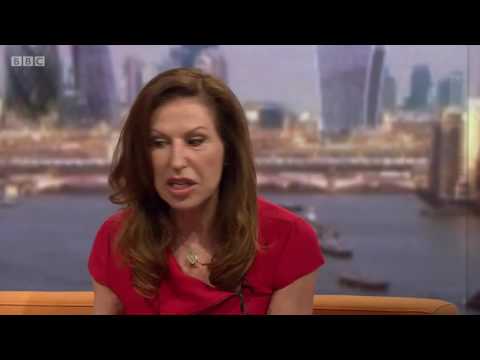
Andrew Marr 29/May/2016 Varoufakis, Fox, Blair
0
صائد الاشباح posted on 2017/01/17Ever wondered about the real impact of the Brexit referendum and the Eurozone crisis? This video dives deep into those complex topics with insightful discussions, perfect for boosting your vocabulary on immigration policy and international affairs. You'll pick up advanced terms and get a richer understanding of current events!
Learn this video on the APP!
The VoiceTube App has more in-depth practice for videos!