
ability
US /əˈbɪlɪti/
UK /ə'bɪlətɪ/
- Noun (Countable/Uncountable)
- The power, resources or skill to do something
- A particular skill or talent.
A2TOEICMoreabsolutely
US /ˈæbsəˌlutli, ˌæbsəˈlutli/
UK /ˈæbsəlu:tli/
- Adverb
- Completely; totally; very
- Considered independently and without relation to other things; viewed abstractly; as, quantity absolutely considered.
A2Moreacademically
US /ˌækə'demɪklɪ/
UK /ˌækə'demɪklɪ/
- Adverb
- In regard to teaching or learning
B2Moread
US /æd/
UK /æd/
- Noun (Countable/Uncountable)
- Public notice or advertisement
C2TOEICMoreafter all
US /ˈæftɚ ɔl/
UK /ˈɑ:ftə ɔ:l/
- Adverb
- In spite of what was expected; used to introduce a statement that supports a previous statement or explains why it was made
- Considering everything; used to indicate that something is happening or is true despite some difficulty or obstacle
- Phrase
- Despite what was expected or thought; in spite of everything.
- Taking everything into consideration; considering that.
B1Moreapart from
US /əˈpɑrt frʌm/
UK /əˈpɑ:t frɔm/
- Preposition
- Except for; not considering
- In addition to; as well as
application
US /ˌæplɪˈkeʃən/
UK /ˌæplɪˈkeɪʃn/
- Noun (Countable/Uncountable)
- Software program, e.g. for smart phone
- Process of spreading a substance over a surface
A2TOEICMoreas soon as
US /æz sun æz/
UK /æz su:n æz/
- Phrase
- In a short time after (something happens)
- Without any delay; immediately
- Conjunction
- At the moment that, or immediately after.
A1Moreas well as
US /æz wɛl æz/
UK /æz wel æz/
- Adverb
- Also; in addition to
- Preposition
- In addition to; and also.
A1Moreat home
US /æt hom/
UK /æt həum/
- Phrase
- In one's own residence or country.
- Adjective
- Feeling comfortable and relaxed.
at least
US /æt list/
UK /æt li:st/
- Adverb
- As a minimum
- Not less than
- Phrase
- No less than; at the minimum
- Used to indicate that something is positive in a bad situation.
C2Moreat the end of the day
US
UK
- Phrase
- Ultimately; when everything else is considered.
- After a day's work or activities.
A1Moreat the same time
US
UK
- Phrase
- Simultaneously; at the identical moment.
- Nevertheless; however; used to introduce a contrasting or qualifying statement.
A1Moreat times
US /æt taɪmz/
UK /æt taɪmz/
- Phrase
- Sometimes; occasionally.
A1Moreat work
US /æt wɚk/
UK /æt wə:k/
- Phrase
- Located at one's place of employment
A1Morebased on
US
UK
- Phrasal Verb
- To use something as the foundation or starting point for something else.
- Preposition
- Using something as the main idea or foundation.
- Relying on something as evidence or justification.
A1Morebasically
US /ˈbesɪkəli,-kli/
UK /ˈbeɪsɪkli/
- Adverb
- Used before you explain something simply, clearly
- In essence; when you consider the most important aspects of something.
A2Moreblindfold
US /ˈblaɪndˌfold/
UK /'blaɪndfəʊld/
- Transitive Verb
- To tie a cloth over your eyes so you can't see
- To prevent someone from seeing or understanding something clearly.
- Countable Noun
- A cloth tied over your eyes so you can't see
C1Morecalm down
US /kɑm daʊn/
UK /kɑ:m daun/
- Phrasal Verb
- To make or become relaxed after being stressed
A2Morechallenge
US /ˈtʃæləndʒ/
UK /'tʃælɪndʒ/
- Noun (Countable/Uncountable)
- An activity you wish to try that may be hard to do
- Act of formally inviting someone to compete
- Transitive Verb
- To formally invite someone to compete at something
- To question the correctness of something
A2Morechildhood
US /ˈtʃaɪldˌhʊd/
UK /ˈtʃaɪldhʊd/
- Uncountable Noun
- The time when you are a child
B1Morecome back
US /kʌm bæk/
UK /kʌm bæk/
- Phrasal Verb
- To reply to someone, often forcefully
- To be remembered
A1Morecome from
US /kʌm frʌm/
UK /kʌm frɔm/
- Phrasal Verb
- To have as your native country or city
A1Morecome up with
US /kʌm ʌp wɪð/
UK /kʌm ʌp wið/
- Phrasal Verb
- To think of an idea or solution; produce
A1Moreconflict
US /ˈkɑnˌflɪkt/
UK /'kɒnflɪkt/
- Noun (Countable/Uncountable)
- Argument or struggle between two or more parties
- A serious disagreement or argument.
- Verb (Transitive/Intransitive)
- To have opposite ideas; to disagree; To not match
A2Morecongratulation
US /kənˌɡrætʃəˈleʃən, -ˌɡrædʒ-, kəŋ-/
UK /kənˌgrætʃuˈleɪʃn/
- Noun
- Wishes someone the best because of their success
B2Moreconnected with
US
UK
- Phrase
- Related to; associated with.
- Involved with; having a relationship with.
- Phrasal Verb
- Was associated or linked to someone or something.
- Felt understanding or empathy with someone or something.
B1Morecope with
US /kop wɪð/
UK /kəup wið/
- Phrasal Verb
- To deal successfully with a difficult situation.
A1Moredo in
US
UK
- Phrasal Verb
- To make completely tired out and exhausted
- To destroy or cause damage to someone
A1Moreduck
US /dʌk/
UK /dʌk/
- Verb (Transitive/Intransitive)
- To avoid doing something that is difficult
- To lower your head to avoid hitting something
- Noun (Countable/Uncountable)
- Common type of water bird
B1Moredynamic
US /daiˈnæmik/
UK /daɪˈnæmɪk/
- Adjective
- Always active or energetic; getting things done
B1TOEICMoreengage in
US /ɪn'gedʒ ɪn/
UK /ɪnˈɡeɪdʒ in/
- Phrasal Verb
- To participate or become involved in something.
B1Moreepisode
US /ˈɛpɪˌsod/
UK /'epɪsəʊd/
- Noun
- One separate event in a series of events
- Show which is part of a larger story
B1TOEICMoreexaminer
US /ɪɡˈzæmɪnər/
UK /ɪgˈzæmɪnə(r)/
- Countable Noun
- Someone who gives a test
B1TOEICMoreexpert
US /ˈɛkˌspɚt/
UK /'ekspɜ:t/
- Countable Noun
- Skillful person with special knowledge
- Adjective
- Having special knowledge or skill
A2TOEICMoreexplore
US /ɪkˈsplɔr/
UK /ɪk'splɔ:(r)/
- Transitive Verb
- To examine something in detail to learn about it
- To travel to a place to discover more about it
A2TOEICMorefeatured on
US
UK
- Phrasal Verb
- To appear or be highlighted in a particular media outlet.
B2Morefigure out
US /ˈfɪɡjɚ aʊt/
UK /ˈfiɡə aut/
- Phrasal Verb
- To understand the behavior of someone
- To think through logically to find a solution
- Verb (Transitive/Intransitive)
- To understand or find an answer to something.
- To find a solution to a problem or understand something.
A1Morefirm
US /fɚm/
UK /fɜ:m/
- Countable Noun
- Company that sells goods or services
- Adjective
- Fairly hard or solid, not soft
- Unchanging and strong
A2TOEICMorefirst three
US
UK
- Determiner
- The initial three items or elements in a series or sequence.
- Adjective
- Referring to the top three positions in a ranking or competition.
A1Morefirst up
US /fɚst ʌp/
UK /fə:st ʌp/
- Phrase
- Firstly; to begin with; the first item on a list or agenda.
A1Morefor example
US
UK
- Phrase
- As an illustration or instance.
for free
US /fɔr fri/
UK /fɔ: fri:/
- Phrase
- Without charge; at no cost.
- Adjective
- Available without payment.
A2Morefor myself
US /fɚ maɪˈsɛlf/
UK /fə maɪˈself/
- other
- Done for one's own benefit or use.
A1Morefreak out
US /frik aʊt/
UK /fri:k aut/
- Phrasal Verb
- To react or behave in a wild or irrational way
- To become very anxious, upset, or afraid; to panic.
- Intransitive Verb
- To experience or display extreme emotions, such as fear or panic.
- To have a very disturbing and frightening experience caused by taking drugs.
B2Moreget through
US /ɡɛt θru/
UK /ɡet θru:/
- Phrasal Verb
- To arrive at the end of or finish something
- To succeed in contacting someone by phone
A1Morego away
US /ɡo əˈwe/
UK /ɡəu əˈwei/
- Phrasal Verb
- To go on vacation
- To leave; depart.
A1Morego on
US /ɡo ɑn/
UK /ɡəu ɔn/
- Phrasal Verb
- To continue doing something
- To happen (usually negative)
- Interjection
- Used to encourage someone
A1Morego together
US
UK
- Phrasal Verb
- To match well; to be harmonious or aesthetically pleasing.
- To date; to be in a romantic relationship.
A1Moregoing on
US /ˈɡoɪŋ ɑn/
UK /ˈgəʊɪŋ ɔn/
- Phrasal Verb
- To continue doing something
- To happen (usually negative)
A1Moregrow up
US /ɡro ʌp/
UK /ɡrəu ʌp/
- Phrasal Verb
- To develop from a child into an adult
A1Morehang out
US /hæŋ aʊt/
UK /hæŋ aut/
- Phrasal Verb
- To spend time with your friends
- To spend times with friends or relax doing nothing
A2Morehardworking
US /'hɑ:d'wɜ:kɪŋ/
UK /hɑ:d'wɜ:kɪŋ/
- Adjective
- Tending to work hard; putting in a lot of effort
B2Morehave to
US /hæv tu/
UK /ˈhæv tə/
- Auxiliary Verb
- Must do
A1Morehedging
US /'hedʒɪŋ/
UK /'hedʒɪŋ/
- Intransitive Verb
- To select words to avoid saying something directly
B1Morehold onto
US /hold ˈɑnˌtu/
UK /həuld ˈɔntu/
- Phrasal Verb
- To grasp or grip something tightly.
- To keep or retain possession of something.
A1Moreidiomatic
US /ˌɪdiəˈmætɪk/
UK /ˌɪdiəˈmætɪk/
- Adjective
- Concerning idioms
B2Moreimprove on
US /ɪmˈpruv ɑn/
UK /imˈpru:v ɒn/
- other
- To make something better than it was before.
B1Morein advance
US /ɪn ædˈvæns/
UK /in ədˈvɑ:ns/
- Phrase
- Ahead of time; before something happens
- Noun
- A payment made before it is due, especially for work to be done
A2Morein general
US /ɪn ˈdʒɛnərəl/
UK /in ˈdʒenərəl/
- Phrase
- Typically; usually; on the whole.
- Not specific or detailed; broadly.
- Adjective
- Not detailed or specific; overall.
C2Morein order to
US /ɪn ˈɔrdɚ tu/
UK /in ˈɔ:də tu:/
- Preposition
- For the purpose of; with the aim of.
- Phrase
- In a specific sequence or arrangement.
- With the aim of; for the purpose of.
C1Morein part
US /ɪn pɑrt/
UK /in pɑ:t/
- Adverb
- To some extent; partially.
A1Morein particular
US /ɪn pɚˈtɪkjəlɚ/
UK /in pəˈtikjulə/
- Phrase
- Specifically; especially.
- Detailed or precise.
A1Morein school
US /ɪn skul/
UK /ɪn sku:l/
- other
- Attending an educational institution.
A1Morein terms of
US
UK
- Phrase
- With regard to; concerning a particular aspect.
A1Morein the future
US /ɪn ði ˈfjutʃɚ/
UK /in ðə ˈfju:tʃə/
- Phrase
- At a later time; in times to come.
A1Morein the game
US /ɪn ðə ˈɡeɪm/
UK /in ðə ˈɡeɪm/
- other
- Still involved or active in a competition or situation.
B2Morein the past
US
UK
- Phrase
- During a former period of time; previously.
A1Morein this day and age
US
UK
- Phrase
- In the present time; nowadays.
A1Morein touch
US /ɪn tʌtʃ/
UK /in tʌtʃ/
- Adjective
- Having contact or communication with someone.
- Aware of or informed about something.
B1Moreinstead of
US /ɪnˈstɛd ʌv/
UK /inˈsted ɔv/
- Preposition
- When one thing is replaced by another
- Adverb
- As a substitute or alternative.
A1Morelead to
US /lid tu/
UK /li:d tu:/
- Phrasal Verb
- To result in some action
- Verb (Transitive/Intransitive)
- To have something as a consequence or result.
A1Moreleadership
US /ˈli:dərʃɪp/
UK /ˈli:dəʃɪp/
- Uncountable Noun
- Quality of being able to guide or influence others
B1Morelike a dream
US /laɪk ə ˈdrim/
UK /laɪk ə ˈdri:m/
- other
- Working or performing extremely well or smoothly.
B1Morelook at
US /lʊk æt/
UK /luk æt/
- Phrasal Verb
- To use your eyes to focus on something
- To focus your eyes on something carefully
A1Moremention
US /ˈmɛnʃən/
UK /'menʃn/
- Transitive Verb
- To refer to or talk or write about something
- Uncountable Noun
- Act of referring to or talking about something
- A formal acknowledgement of something
A2TOEICMoremove on
US /muv ɑn/
UK /mu:v ɔn/
- Phrasal Verb
- To decide to change or go to a different place
- To start talking about something different.
A1Moremove over
US /muv ˈovɚ/
UK /mu:v ˈəuvə/
- Phrasal Verb
- To make room for someone or something by shifting position.
- To change one's job or position within an organization.
move to
US /muv tu/
UK /mu:v tu:/
- Phrasal Verb
- To change the place where you live or work.
- Verb (Transitive/Intransitive)
- To proceed to the next stage or action.
A2Morenot necessary
US
UK
- Adjective
- Not required; not needed.
- Phrase
- Optional; not compulsory.
- Avoidable; not inevitable.
B1Morenumber of people
US /ˈnʌmbɚ ʌv ˈpipəl/
UK /ˈnʌmbə ɔv ˈpi:pl/
- Phrase
- The total count of individuals within a group or gathering.
- A statistical figure representing the population size or a subset thereof.
A1Moreof course
US /ʌv kɔː(r)s/
UK /ɔv kɔː(r)s/
- Adverb
- Sure ; Certainly
- Phrase
- For sure; certainly
A2Moreoff of
US /ɔf ʌv/
UK /ɔf ɔv/
- Preposition
- From a position on something; down from.
A1Moreon the count of
US /ɑn ðə kaʊnt əv/
UK /ɒn ðə kaʊnt əv/
- other
- Because of; due to a particular reason or cause.
B2Moreon the floor
US
UK
- Phrase
- Located on the ground or bottom surface of a room.
- Actively participating in dancing or other floor-based activities.
A1Moreon the other hand
US
UK
- Phrase
- Considering a different aspect of the matter; alternatively.
A1Moreon the street
US /ɑn ði strit/
UK /ɔn ðə stri:t/
- Phrase
- Located on or along a public road in a town or city.
- Available or circulating, especially illegally or unofficially.
A1Moreon time
US /ɑn taɪm/
UK /ɔn taim/
- Phrase
- Adjective
- Arriving at or done by the required time
- Meeting a deadline; punctual in fulfilling obligations.
A1Moreon to
US /ɑn tu/
UK /ɔn tu:/
- Preposition
- Toward something; forward
- Aware of someone's activities.
- Adjective
- Aware of someone's deception or illegal activities.
A1Moreopportunity
US /ˌɑpɚˈtunɪti, -ˈtju-/
UK /ˌɒpə'tju:nətɪ/
- Noun (Countable/Uncountable)
- Time, situation when a thing might be done; chance
- A favorable time or occasion for doing something.
A2TOEICMoreoral hygiene
US
UK
- Uncountable Noun
- The practice of keeping the mouth and teeth clean to prevent dental problems.
C1Moreout there
US /aʊt ðɛr/
UK /aut ðɛə/
- Adverb
- In or to a place that is far away
- Existing in the universe
- Adjective
- Unconventional; strange; avant-garde
- Existing or available.
A1Moreoutside of
US /aʊtˈsaɪd ʌv/
UK /ˌautˈsaid ɔv/
- Preposition
- Located or situated beyond the boundaries or confines of something.
- Beyond the scope, range, or limits of something.
A1Morepassport
US /ˈpæspɔ:rt/
UK /ˈpɑ:spɔ:t/
- Countable Noun
- Official book of identification allowing travel
- Noun
- Way to achieve something
B1TOEICMoreperformance
US / pɚˈfɔrməns/
UK /pə'fɔ:məns/
- Noun
- Act of doing something
- Activity done to entertain an audience
A2TOEICMorepick it up
US
UK
- Phrasal Verb
- To lift something from a surface.
- To collect something or someone.
A2Moreplatform
US /ˈplætˌfɔrm/
UK /'plætfɔ:m/
- Noun (Countable/Uncountable)
- Flat, raised structure that people stand on
- Area from which you board a train at a station
B1Moreprocess
US /ˈprɑsˌɛs, ˈproˌsɛs/
UK /prə'ses/
- Transitive Verb
- To organize and use data in a computer
- To deal with official forms in the way required
- Noun (Countable/Uncountable)
- Dealing with official forms in the way required
- Set of changes that occur slowly and naturally
A2TOEICMorepronunciation
US /prəˌnʌnsiˈeʃən/
UK /prəˌnʌnsiˈeɪʃn/
- Noun (Countable/Uncountable)
- How a word is said; how a word sounds
- The manner in which someone utters a word.
B1Morerather than
US
UK
- Adverb
- More exactly; more correctly
- Preferably; instead
- Preposition
- Instead of
A1Morereach out
US /ritʃ aʊt/
UK /ri:tʃ aut/
- Phrasal Verb
- To attempt to communicate with someone.
- To offer help and support to someone.
B1Moreregardless of
US /rɪˈɡɑrdlɪs ʌv/
UK /riˈɡɑ:dlis ɔv/
- Phrase
- Preposition
- Without being affected or influenced by something; despite.
A2Morereproductive health
US
UK
- Uncountable Noun
- The health of the reproductive systems and their functions and processes.
right for
US
UK
- Adjective
- Suitable or appropriate for a particular person, purpose, or situation.
- Correct or most appropriate.
A1Moreroutine
US /ruˈtin/
UK /ru:ˈti:n/
- Adjective
- Happening or done regularly or habitually
- Always the same; boring through lack of variety
- Noun (Countable/Uncountable)
- Regular or habitual way of behaving or doing
- Series of actions that make up a performance
A2TOEICMoresame time
US
UK
- Phrase
- Occurring simultaneously or at the same point in time.
- At the identical time as before; recurring at a fixed hour.
- Noun
- An equal duration or period.
A1Morescript
US /skrɪpt/
UK /skrɪpt/
- Noun (Countable/Uncountable)
- Written text of a book, play, film, or speech
- Set of letters or characters of a written language
- Transitive Verb
- To write a text for a movie, play or speech
B1Moresection
US / ˈsɛkʃən/
UK /'sekʃn/
- Noun (Countable/Uncountable)
- A part of a whole
- Specific group of people from a larger group
- Transitive Verb
- To divide something into smaller parts
B1TOEICMoreshare in
US /ʃɛr ɪn/
UK /ʃɛə in/
- Phrasal Verb
- To participate in something; to have a part or interest in something.
- To receive a portion of something, such as profits or losses.
A1Moreshy away from
US
UK
- Phrasal Verb
- To avoid something because of nervousness or a lack of confidence.
A2Moresilly
US /ˈsɪli/
UK /'sɪlɪ/
- Adjective
- Careless
- Acting funny or playfully
A2Moresneak
US /snik/
UK /sni:k/
- Verb (Transitive/Intransitive)
- To move around in a way so no one will see you
- To take something somewhere/give secretly
- Intransitive Verb
- To move around in such a way no one will see you
B2Moresneak up
US /snik ʌp/
UK /sni:k ʌp/
- Phrasal Verb
- To approach someone quietly and unnoticed.
A1Morestart off
US /stɑrt ɔf/
UK /stɑ:t ɔf/
- Phrasal Verb
- To begin or commence something.
- To begin a journey.
B2Morestep back
US /stɛp bæk/
UK /step bæk/
- Phrasal Verb
- To move backwards; to move away from something.
- To take a break from something; to gain perspective.
A1Morestudy for
US /ˈstʌdi fɔr/
UK /ˈstʌdi fɔ:/
- Phrasal Verb
- To prepare for an examination or test by learning and revising the subject matter.
such as
US /sʌtʃ æz/
UK /sʌtʃ æz/
- Preposition
- For example; like
A1Moretake a rest
US
UK
- Intransitive Verb
- To stop working or doing an activity for a period of time in order to relax and recover strength.
take it easy
US /tek ɪt ˈizi/
UK /teik it ˈi:zi/
- Phrase
A1Moretalking about
US
UK
- Phrasal Verb
- To discuss a particular topic.
- To be constantly mentioning or bringing up a subject.
A1Morethink about
US /θɪŋk əˈbaʊt/
UK /θiŋk əˈbaut/
- Phrasal Verb
- To consider something carefully.
- To remember or call to mind.
A1Morethink of
US /θɪŋk ʌv/
UK /θiŋk ɔv/
- Phrasal Verb
- To look on as (being something specific); consider
- To consider or remember something.
- Verb (Transitive/Intransitive)
- To imagine or call something to mind
A1Morethink on
US
UK
- Phrasal Verb
- To consider something carefully before making a decision.
A1Morethis day and age
US /ðɪs deɪ ənd eɪdʒ/
UK /ðɪs deɪ ənd eɪdʒ/
- other
- The present period or modern times.
B1Moretimetable
US /ˈtaɪmˌtebəl/
UK /ˈtaɪmteɪbl/
- Noun
- Schedule listing the time that events will happen
B1Moreturn around
US /tɚn əˈraʊnd/
UK /tə:n əˈraund/
- Phrasal Verb
- To change your body to the opposite direction
- To make something running badly into a success
- Verb (Transitive/Intransitive)
- To change direction so as to face the opposite way.
- To improve or cause to improve.
A1Moreturn to
US /tɚn tu/
UK /tə:n tu:/
- Phrasal Verb
- To go to someone for help, advice, or information.
- To start doing or using something, often something bad or undesirable.
A1Moreturned out
US
UK
- Phrasal Verb
- To arrive for a public event or entertainment
- To happen to be in the end
- Transitive Verb
- To extinguish or switch off lights.
A1Moreused to
US /juzd tu/
UK /ˈju:st tə/
- Adjective
- Did regularly before, but don't do now
- Auxiliary Verb
- Have done before, but do not do now
A1Morevocabulary
US /voˈkæbjəˌlɛri/
UK /və'kæbjələrɪ/
- Uncountable Noun
- Words that have to do with a particular subject
- The words that a person knows
B1TOEICMorewalk through
US /wɔk θru/
UK /wɔ:k θru:/
- Phrasal Verb
- To show someone carefully how to do something
A1Morework on
US /wɚk ɑn/
UK /wə:k ɔn/
- Phrasal Verb
- To devote effort to improve or develop something
- To try to persuade or influence someone.
A1Morewrite out
US /raɪt aʊt/
UK /rait aut/
- Phrasal Verb
- To write something in full instead of using abbreviations or symbols.
- To copy something by writing it.
A1More
Vocabulary
- have to: Must do
- of course: Sure ; Certainly
- look at: To use your eyes to focus on something
- on to: Toward something; forward
- such as: For example; like
- sneak up: To approach someone quietly and unnoticed.
- in general: Typically; usually; on the whole.
- for example: As an illustration or instance.
- in school: Attending an educational institution.
- think about: To consider something carefully.
- in order to: For the purpose of; with the aim of.
- at home: In one's own residence or country.
- as well as: Also; in addition to
- come from: To have as your native country or city
- think of: To look on as (being something specific); consider
- work on: To devote effort to improve or develop something
- in terms of
- take it easy
- at the same time: Simultaneously; at the identical moment.
- same time: Occurring simultaneously or at the same point in time.
- pick it up: To lift something from a surface.
- move on: To decide to change or go to a different place
- go on: To continue doing something
- figure out: To understand the behavior of someone
- outside of: Located or situated beyond the boundaries or confines of something.
- used to: Did regularly before, but don't do now
- instead of: When one thing is replaced by another
- this day and age: The present period or modern times.
- like a dream: Working or performing extremely well or smoothly.
- turned out: To arrive for a public event or entertainment
- for myself: Done for one's own benefit or use.
- walk through: To show someone carefully how to do something
- hang out: To spend time with your friends
- at least: As a minimum
- for free: Without charge; at no cost.
- think on: To consider something carefully before making a decision.
- on the other hand : Considering a different aspect of the matter; alternatively.
- on the street: Located on or along a public road in a town or city.
- in touch: Having contact or communication with someone.
- at times: Sometimes; occasionally.
- in the past: During a former period of time; previously.
- regardless of
- shy away from: To avoid something because of nervousness or a lack of confidence.
- off of: From a position on something; down from.
- share in: To participate in something; to have a part or interest in something.
- lead to: To result in some action
- out there: In or to a place that is far away
- at the end of the day: Ultimately; when everything else is considered.
- grow up: To develop from a child into an adult
- going on: To continue doing something
- connected with: Related to; associated with.
- oral hygiene: The practice of keeping the mouth and teeth clean to prevent dental problems.
- reproductive health: The health of the reproductive systems and their functions and processes.
- based on: To use something as the foundation or starting point for something else.
- calm down: To make or become relaxed after being stressed
- freak out: To react or behave in a wild or irrational way
- first up: Firstly; to begin with; the first item on a list or agenda.
- reach out: To attempt to communicate with someone.
- move to: To change the place where you live or work.
- step back: To move backwards; to move away from something.
- turn to: To go to someone for help, advice, or information.
- start off: To begin or commence something.
- come up with: To think of an idea or solution; produce
- engage in: To participate or become involved in something.
- on the floor: Located on the ground or bottom surface of a room.
- on the count of: Because of; due to a particular reason or cause.
- turn around: To change your body to the opposite direction
- move over: To make room for someone or something by shifting position.
- do in: To make completely tired out and exhausted
- hold onto: To grasp or grip something tightly.
- go together: To match well; to be harmonious or aesthetically pleasing.
- in the game: Still involved or active in a competition or situation.
- talking about: To discuss a particular topic.
- go away: To go on vacation
- on time
- in particular: Specifically; especially.
- at work: Located at one's place of employment
- take a rest: To stop working or doing an activity for a period of time in order to relax and recover strength.
- as soon as: In a short time after (something happens)
- improve on: To make something better than it was before.
- get through: To arrive at the end of or finish something
- in part: To some extent; partially.
- apart from: Except for; not considering
- number of people: The total count of individuals within a group or gathering.
- first three: The initial three items or elements in a series or sequence.
- in advance: Ahead of time; before something happens
- write out: To write something in full instead of using abbreviations or symbols.
- cope with: To deal successfully with a difficult situation.
- in this day and age: In the present time; nowadays.
- not necessary: Not required; not needed.
- in the future: At a later time; in times to come.
- rather than: More exactly; more correctly
- after all: In spite of what was expected; used to introduce a statement that supports a previous statement or explains why it was made
- come back: To reply to someone, often forcefully
- right for: Suitable or appropriate for a particular person, purpose, or situation.
- study for: To prepare for an examination or test by learning and revising the subject matter.
- featured on: To appear or be highlighted in a particular media outlet.
- episode: One separate event in a series of events
- pronunciation: How a word is said; how a word sounds
- absolutely: Completely; totally; very
- process: To organize and use data in a computer
- opportunity: Time, situation when a thing might be done; chance
- basically: Used before you explain something simply, clearly
- experience: Thing a person has done or that happened to them
- vocabulary: Words that have to do with a particular subject
- routine: Happening or done regularly or habitually
- conflict: Argument or struggle between two or more parties
- general: Widespread, normal or usual
- dynamic: Always active or energetic; getting things done
- expert: Skillful person with special knowledge
- sneak: To move around in a way so no one will see you
- explore: To examine something in detail to learn about it
- ability: The power, resources or skill to do something
- script: Written text of a book, play, film, or speech
- silly: Careless
- mention: To refer to or talk or write about something
- challenge: An activity you wish to try that may be hard to do
- application: Software program, e.g. for smart phone
- bit: Device put in a horse's mouth to control it
- firm: Company that sells goods or services
- section: A part of a whole
- performance: Act of doing something
- platform: Flat, raised structure that people stand on
- project: To predict what will happen in the future
- stage: To organize an event to gain public interest
- important: Having power or authority
- system: Set of organized, planned ideas that work together
- language: Words or signs used to communicate messages
- question: To ask for or try to get information
- learn: To get knowledge or skills by study or experience
- pick: Sharp tool used for breaking the ground
- grow: To get bigger and more mature; make plants do this
- difficult: Hard; not easy; you need to work hard to do it
- daily: Happening every day
- part: Division of a book
- congratulation: Wishes someone the best because of their success
- childhood: The time when you are a child
- examiner: Someone who gives a test
- academically: In regard to teaching or learning
- leadership: Quality of being able to guide or influence others
- blindfold: To tie a cloth over your eyes so you can't see
- duck: To avoid doing something that is difficult
- passport: Official book of identification allowing travel
- timetable: Schedule listing the time that events will happen
- ad: Public notice or advertisement
- idiomatic: Concerning idioms
- hardworking: Tending to work hard; putting in a lot of effort
- hedging: To select words to avoid saying something directly
Get the full experience in the app
Learn anywhere with detailed sentence and usage analysis
01:03
She took a brave step forward, leaving behind her comfort zone to chase her dreams.
Vocabulary
- brave
adj. Having courage
- comfort zone
phr. A familiar situation where one feels safe
Explanation
a brave step is a noun phrase, where brave is an adjective modifying the noun step, meaning "a courageous step".
forward is an adverb modifying step, meaning "ahead".
The whole phrase serves as the object, answering the "what" of took (verb) — she took a brave step forward.
Get the full experience in the app
Look up words anytime with pronunciation, part of speech, and usage
brave
US/brev/
UK/breɪv/
adj.Brave
v.t.To bravely face
A2 Elementary
Get the full experience in the app
Practice speaking anytime and get instant pronunciation feedback
Try this speaking exercise.
Try practicing with this sentence.
80
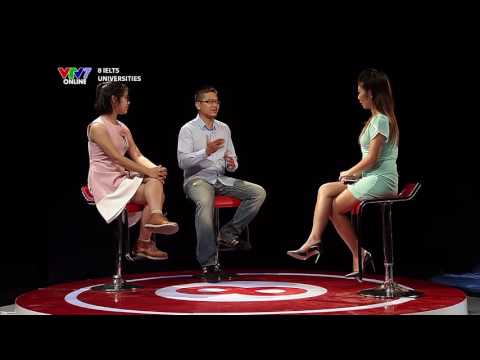
8 IELTS | S01E15 | UNIVERSITIES | PHƯƠNG MẶC TRI & VIỆT NGUYỄN & MAI BÍCH NGỌC
0
El Vii posted on 2016/12/28Dreaming of studying abroad? This episode dives into university admissions and shares real-life experiences from Vietnamese students navigating the IELTS journey in the US and UK! You'll pick up advanced vocabulary and practical phrases perfect for discussing your own academic aspirations.
Learn this video on the APP!
The VoiceTube App has more in-depth practice for videos!