
all over the place
US
UK
- Phrase
- In a state of disorder; scattered everywhere.
- In many different locations; widely distributed.
- Adjective
- Mentally or emotionally disorganized; confused or erratic.
A1Moreat the moment
US
UK
- Adverb
- At this time; now
A1Moreback to normal
US
UK
- Adjective
- Returned to the usual or expected state or condition.
- Phrase
- In the usual or ordinary way; as things were before.
A2Moreblow
US /blo/
UK /bləʊ/
- Verb (Transitive/Intransitive)
- To move something using air
- To make air come quickly out of your mouth
- Noun
- Something that causes you difficulty or sadness
- Act of making air come out of your mouth
A2Moreblow your top
US /blo jʊɚ tɑp/
UK /bləʊ jɔ: tɒp/
- other
- To suddenly become very angry.
B2Morecasual
US /ˈkæʒuəl/
UK /ˈkæʒuəl/
- Adjective
- Being careless or having little thought or effort
- (Of clothes, etc.) not formal; easy to wear
- Countable Noun
- A worker employed on a temporary or irregular basis.
- A job as a musician that is not regular or permanent.
A2Morecomplain
US /kəmˈplen/
UK /kəmˈpleɪn/
- Verb (Transitive/Intransitive)
- To say something is wrong and should be changed
- To make a formal accusation or charge.
B1Moreconfused
US /kənˈfjuzd/
UK /kənˈfju:zd/
- Transitive Verb
- To make something unclear or hard to understand
- Adjective
- Being hard to understand
A2Moreconfusion
US /kənˈfjuʒən/
UK /kən'fju:ʒən/
- Uncountable Noun
- Not knowing what to do; state of disorder
B1Moredepth
US /dɛpθ/
UK /depθ/
- Noun
- Distance below a surface
A2Moreexplode
US /ɪkˈsplod/
UK /ɪk'spləʊd/
- Verb (Transitive/Intransitive)
- To express an emotion in a sudden and loud way
- To increase in number or amount very quickly
B1Moreextreme
US /ɪkˈstrim/
UK /ɪk'stri:m/
- Adjective
- Very great in degree
- Farthest from a center
- Noun
- Effort that is thought more than is necessary
- The furthest point or limit of something.
B1Morefurious
US /ˈfjʊriəs/
UK /ˈfjʊəriəs/
- Adjective
- Extremely angry
B1Morefury
US /ˈfjʊri/
UK /'fjʊərɪ/
- Uncountable Noun
- Rage; violent anger
B2Moreget back to
US /ɡɛt bæk tu/
UK /ɡet bæk tu:/
- Phrasal Verb
- To get in contact with someone again
- To return to someone or something; to respond at a later time.
A1Moreghost
US /goʊst/
UK /gəʊst/
- Transitive Verb
- To write a book on behalf of another person
- Noun (Countable/Uncountable)
- Bad effects, memories, and feelings from the past
- Spirit of a dead person, appearing to the living
B1Moregill
US /ɡɪl/
UK /ɡɪl/
- Noun
- Part of a fish's body it uses to breathe
C1Morehave to
US /hæv tu/
UK /ˈhæv tə/
- Auxiliary Verb
- Must do
A1Morehedgehog
US /ˈhɛdʒˌhɔɡ, -ˌhɑɡ/
UK /ˈhedʒhɒg/
- Countable Noun
- Small mammal making a spiky ball if threatened
B2Moreidiom
US /ˈɪdiəm/
UK /ˈɪdiəm/
- Noun
- Phrase with a special, metaphoric meaning
B2Morein a bad way
US /ɪn ə bæd weɪ/
UK /ɪn ə bæd wei/
- other
- In poor physical or emotional condition.
B2Morein fact
US /ɪn fækt/
UK /in fækt/
- Adverb
- Used to emphasize the truth of a statement, especially one that contrasts with or contradicts something else.
- Used to introduce a more detailed or surprising piece of information.
- Phrase
- Used to emphasize the truth of a statement, especially one that is surprising or contrary to what might be expected.
C1Moreinformal
US /ɪnˈfɔrməl/
UK /inˈfɔ:məl/
- Adjective
- Casual; relaxed
- Not official; not done by the rules
B1TOEICMoreintention
US /ɪnˈtɛnʃən/
UK /ɪnˈtenʃn/
- Noun (Countable/Uncountable)
- Aim or purpose
- A determination to act in a certain way.
A2TOEICMoreirritable
US /ˈɪrɪtəbəl/
UK /ˈɪrɪtəbl/
- Adjective
- Annoyed; easily annoyed or angered
- Easily inflamed or sore.
B2Moreirritated
US
UK
- Transitive Verb
- To disturb, anger, or upset someone
- To make part of the body feel soreness and pain
- Adjective
- Annoyed, angered or upset
B1TOEICMoreirritation
US /ˌɪrɪˈteʃən/
UK /ˌɪrɪ'teɪʃn/
- Uncountable Noun
- Feeling or state of being annoyed or upset
- Feeling of pain and soreness on a part of the body
B1TOEICMoremad
US /mæd/
UK /mæd/
- Adjective
- Very angry
- Enthusiastic about something
A2Moremove on
US /muv ɑn/
UK /mu:v ɔn/
- Phrasal Verb
- To decide to change or go to a different place
- To start talking about something different.
A1Moremuddle
US /ˈmʌdl:/
UK /'mʌdl/
- Transitive Verb
- To cause confusion through interference
- Noun (Countable/Uncountable)
- A confused or disordered state; a mess.
B2Moreneedle
US /ˈnidl/
UK /'ni:dl/
- Countable Noun
- Part of a medical device used to inject medicine
- Very thin pointed object used in sewing
- Transitive Verb
- To upset someone by making rude or hurtful remarks
- To prick or pierce with a needle.
B1Moreon camera
US /ɑn ˈkæmərə/
UK /ɔn ˈkæmərə/
- Adverb
- While being filmed or recorded.
- Adjective
- Having qualities that make one appear good or effective when filmed.
A1Moreon the ground
US
UK
- Phrase
- Located on the surface of the earth.
- Present and available in a particular place, especially to deal with a situation.
prickly
US /ˈprɪkli/
UK /'prɪklɪ/
- Adjective
- Causing or having a sharp needle-like feeling
C1Morepuzzle
US /ˈpʌzəl/
UK /'pʌzl/
- Transitive Verb
- To be a challenge to understand; confuse
- Noun (Countable/Uncountable)
- Something challenging to explain or understand
- Game requiring the player to find an answer
A2TOEICMorequantum
US /ˈkwɑ:ntəm/
UK /ˈkwɒntəm/
- Noun (Countable/Uncountable)
- The smallest unit or amount of energy
B2Morequiz
US /kwɪz/
UK /kwɪz/
- Noun (Countable/Uncountable)
- A game in which players answer questions on topics
- Brief spoken or written test, given to students
- Transitive Verb
- To ask a person many questions about something
B1Morerationally
US /'ræʃnəlɪ/
UK /'ræʃnəlɪ/
- Adverb
- In a carefully considered manner
B2Morereact
US /riˈækt/
UK /rɪ'ækt/
- Intransitive Verb
- To change when mixing with other chemicals
- To behave or make a change in a particular way
A2Morerude
US /rud/
UK /ru:d/
- Adjective
- Being unkind or impolite to others; disrespectful
- Offensive; ill-mannered
A2Morescience
US /ˈsaɪəns/
UK /'saɪəns/
- Uncountable Noun
- Study of the physical world, based on facts
A2TOEICMoreshallow
US /ˈʃælo/
UK /'ʃæləʊ/
- Adjective
- Not deep; short from top to bottom
- Lacking interest in serious things; superficial
B1TOEICMoresharp
US /ʃɑrp/
UK /ʃɑ:p/
- Proper Noun
- Person's name
- Adjective
- Being very clear and easy to see
- (Of clothes) nicely or stylishly
A2TOEICMorespook
US /spuk/
UK /spu:k/
- Transitive Verb
- To scare; frighten
- Noun
- A ghost or spirit
C1Morestick
US /stɪk/
UK /stɪk/
- Verb (Transitive/Intransitive)
- To push a sharp or pointed object into something
- To join together using glue or paste
- Countable Noun
- Long thin piece of wood from a tree
A2Morestraight
US /stret/
UK /streɪt/
- Adjective
- Not having curves, bends, or angles
- Not gay; heterosexual
- Adverb
- in a line; immediately; honestly and directly
- In a straight line; directly.
A2TOEICMoretemper
US /ˈtɛmpɚ/
UK /ˈtempə(r)/
- Noun (Countable/Uncountable)
- An angry mood or fit; temperament
- Lack of calmness
- Transitive Verb
- To dilute something or make it less severe
- To heat metal to make it hard or flexible
B1TOEICMoreterrify
US /ˈtɛrəˌfaɪ/
UK /ˈterɪfaɪ/
- Transitive Verb
- To scare or greatly frighten
B1Moreterror
US /ˈtɛrɚ/
UK /ˈterə(r)/
- Uncountable Noun
- Use of violent acts to make people afraid
- Extreme fear; dread.
A2Morethink of
US /θɪŋk ʌv/
UK /θiŋk ɔv/
- Phrasal Verb
- To look on as (being something specific); consider
- To consider or remember something.
- Verb (Transitive/Intransitive)
- To imagine or call something to mind
A1Moretimid
US /ˈtɪmɪd/
UK /ˈtɪmɪd/
- Adjective
- Lacking in self-assurance or courage; shy
B2TOEICMoreto do with
US
UK
- Phrasal Verb
- To be about something; concern
A1Moretouchy
US /ˈtʌtʃi/
UK /'tʌtʃɪ/
- Adjective
- Taking offense easily; easily angered
- (Of an issue) needing careful handling; sensitive
C1Moreupset
US /ʌpˈsɛt/
UK /ʌpˈset/
- Adjective
- (Of stomach, etc.) not functioning well; sick
- Troubled, worried, or angry
- Transitive Verb
- To turn upside down or on its side
- To trouble, worry, or anger someone
A2Morevocabulary
US /voˈkæbjəˌlɛri/
UK /və'kæbjələrɪ/
- Uncountable Noun
- Words that have to do with a particular subject
- The words that a person knows
B1TOEICMorework out
US /wɚk aʊt/
UK /wə:k aut/
- Phrasal Verb
- To find a way to do something, by thinking
A1More
Vocabulary
- all over the place: In a state of disorder; scattered everywhere.
- have to: Must do
- blow your top: To suddenly become very angry.
- think of: To look on as (being something specific); consider
- in fact: Used to emphasize the truth of a statement, especially one that contrasts with or contradicts something else.
- in a bad way: In poor physical or emotional condition.
- move on: To decide to change or go to a different place
- back to normal: Returned to the usual or expected state or condition.
- get back to: To get in contact with someone again
- to do with: To be about something; concern
- work out
- on camera: While being filmed or recorded.
- on the ground: Located on the surface of the earth.
- at the moment: At this time; now
- sort: To organize things by putting them into groups
- stick: To push a sharp or pointed object into something
- straight: Not having curves, bends, or angles
- vocabulary: Words that have to do with a particular subject
- extreme: Very great in degree
- fear: Unpleasant feeling caused by being aware of danger
- irritable: Annoyed; easily annoyed or angered
- state: Region within a country, with its own government
- intention: Aim or purpose
- bit: Device put in a horse's mouth to control it
- furious: Extremely angry
- similar: Nearly the same; alike
- blow: To move something using air
- casual: Being careless or having little thought or effort
- idiom: Phrase with a special, metaphoric meaning
- subject: The person, thing, or idea that is being discussed, described, or studied.
- shallow: Not deep; short from top to bottom
- upset: (Of stomach, etc.) not functioning well; sick
- rude: Being unkind or impolite to others; disrespectful
- quiz: A game in which players answer questions on topics
- depth: Distance below a surface
- react: To change when mixing with other chemicals
- mind: To be bothered or upset by something
- normal: Standard or regular way of doing something
- confusion: Not knowing what to do; state of disorder
- puzzle: To be a challenge to understand; confuse
- science: Study of the physical world, based on facts
- important: Having power or authority
- adjective: A word that describes a noun, e.g. happy
- place: To put someone in a particular type of situation
- mad: Very angry
- timid: Lacking in self-assurance or courage; shy
- confused: To make something unclear or hard to understand
- language: Words or signs used to communicate messages
- explode: To express an emotion in a sudden and loud way
- person: Man, woman or child
- sharp: Person's name
- terror: Use of violent acts to make people afraid
- annoyed: A little angry; upset
- irritation: Feeling or state of being annoyed or upset
- afraid: Worried that something bad will happen; scared
- irritated: To disturb, anger, or upset someone
- temper: An angry mood or fit; temperament
- informal: Casual; relaxed
- quantum: The smallest unit or amount of energy
- fury: Rage; violent anger
- needle: Part of a medical device used to inject medicine
- muddle: To cause confusion through interference
- terrify: To scare or greatly frighten
- complain: To say something is wrong and should be changed
- hedgehog: Small mammal making a spiky ball if threatened
- ghost: To write a book on behalf of another person
- prickly: Causing or having a sharp needle-like feeling
- gill: Part of a fish's body it uses to breathe
- rationally: In a carefully considered manner
- touchy: Taking offense easily; easily angered
- spook: To scare; frighten
Get the full experience in the app
Learn anywhere with detailed sentence and usage analysis
01:03
She took a brave step forward, leaving behind her comfort zone to chase her dreams.
Vocabulary
- brave
adj. Having courage
- comfort zone
phr. A familiar situation where one feels safe
Explanation
a brave step is a noun phrase, where brave is an adjective modifying the noun step, meaning "a courageous step".
forward is an adverb modifying step, meaning "ahead".
The whole phrase serves as the object, answering the "what" of took (verb) — she took a brave step forward.
Get the full experience in the app
Look up words anytime with pronunciation, part of speech, and usage
brave
US/brev/
UK/breɪv/
adj.Brave
v.t.To bravely face
A2 Elementary
Get the full experience in the app
Practice speaking anytime and get instant pronunciation feedback
Try this speaking exercise.
Try practicing with this sentence.
80
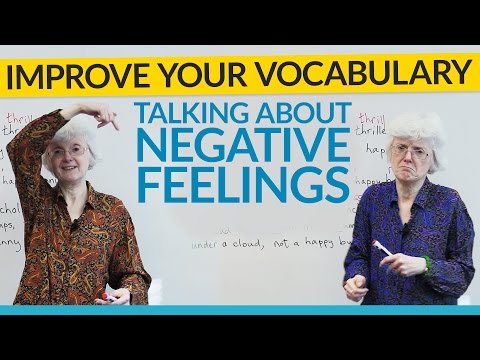
Vocabulary to talk about your feelings in English: anger, fear, and confusion
0
阿成 posted on 2016/12/25Ever feel like you're walking on eggshells trying to describe your emotions? This video is your go-to guide for talking about anger, fear, and confusion in English, packed with practical phrases and idioms you can use daily. You'll pick up essential vocabulary to express yourself clearly and confidently, even on tricky topics!
Learn this video on the APP!
The VoiceTube App has more in-depth practice for videos!