
all the things
US
UK
- Pronoun
- Everything; all items or aspects
- Determiner
- Every item or object being considered or discussed.
A1Moreapart from
US /əˈpɑrt frʌm/
UK /əˈpɑ:t frɔm/
- Preposition
- Except for; not considering
- In addition to; as well as
app
US /æp/
UK /æp/
- Countable Noun
- Small applications for smartphones
A2Moreas follows
US
UK
- Phrase
- Used to introduce a list or explanation.
A1Moreat night
US /æt naɪt/
UK /æt nait/
- Phrase
- During the night; in the nighttime.
A1Moreat random
US /æt ˈrændəm/
UK /æt ˈrændəm/
- Phrase
B1Moreat the same time
US
UK
- Phrase
- Simultaneously; at the identical moment.
- Nevertheless; however; used to introduce a contrasting or qualifying statement.
A1Moreattach
US /əˈtætʃ/
UK /ə'tætʃ/
- Verb (Transitive/Intransitive)
- To be associated or connected with
A2TOEICMorebiological
US /ˌbaɪəˈlɑdʒɪkəl/
UK /ˌbaɪəˈlɒdʒɪkl/
- Adjective
- Being related to life and living things
- A substance, such as a detergent, that contains enzymes.
B1Morecapacity
US /kəˈpæsɪti/
UK /kə'pæsətɪ/
- Noun (Countable/Uncountable)
- Ability to hold, involve or contain (e.g. liquids)
- Largest amount of something that can be produced
B1Morechildhood
US /ˈtʃaɪldˌhʊd/
UK /ˈtʃaɪldhʊd/
- Uncountable Noun
- The time when you are a child
B1Morecomplementary
US /ˌkɑ:mplɪˈmentri/
UK /ˌkɒmplɪˈmentri/
- Adjective
- Working well together; completing something
B1Moreconnect
US /kəˈnɛkt/
UK /kə'nekt/
- Transitive Verb
- To associate a thing with something else
- To join or attach things together
A2Morecriterion
US /kraɪˈtɪriən/
UK /kraɪ'tɪərɪən/
- Noun (Countable/Uncountable)
- Standard used to make judgments or decisions
B1Moredevastating
US
UK
- Transitive Verb
- To cause extensive destruction or ruin utterly
- Adjective
- Destroying everything; very shocking
- Causing great emotional pain or shock.
B1Morediagnosis
US /ˌdaɪəgˈnoʊsɪs/
UK /ˌdaɪəgˈnəʊsɪs/
- Noun (plural)
- Judgments by a doctor about a person's illness
- Noun
- The identification of a disease or condition.
B1Moredisclose
US /dɪˈskloz/
UK /dɪs'kləʊz/
- Transitive Verb
- To make once private information public
B1Moredisease
US /dɪˈziz/
UK /dɪˈzi:z/
- Noun (Countable/Uncountable)
- Illness that affects a person, animal, or plant
- A disorder of structure or function in a plant, especially one caused by a pathogen.
- Transitive Verb
- To affect with disease; to corrupt or sicken.
A2TOEICMoredistinctly
US /dɪˈstɪŋktlɪ/
UK /dɪ'stɪŋktlɪ/
- Adverb
- Clearly; very
- In a way that is easily distinguishable or different.
A2Moredistort
US /dɪˈstɔrt/
UK /dɪ'stɔ:t/
- Transitive Verb
- To change the shape, appearance, or sound
- To exaggerate the truth or fact, e.g. to deceive
B1Moreexclusion
US /ɪkˈskluʒən/
UK /ɪkˈsklu:ʒn/
- Noun (Countable/Uncountable)
- Act of preventing someone from taking part
B1TOEICMoreexternal
US /ɪkˈstɚnəl/
UK /eksˈtə:nl/
- Adjective
- Concerning foreign countries
- Concerning the outside of something; outer
A2Moreextreme
US /ɪkˈstrim/
UK /ɪk'stri:m/
- Adjective
- Very great in degree
- Farthest from a center
- Noun
- Effort that is thought more than is necessary
- The furthest point or limit of something.
B1Moreextremely
US /ɪk'strimlɪ/
UK /ɪkˈstri:mli/
- Adverb
- In a way that is much more than usual or expected
- Remarkably; unusually.
B1Morefacilitate
US /fəˈsɪlɪˌtet/
UK /fə'sɪlɪteɪt/
- Transitive Verb
- To make an action or process easier
B1TOEICMorefilm
US /fɪlm/
UK /fɪlm/
- Noun (Countable/Uncountable)
- Thin layer that covers something
- Movie
- Transitive Verb
- To record moving action with a camera
A2Morefor example
US
UK
- Phrase
- As an illustration or instance.
formulation
US /ˌfɔrmjəˈleʃən/
UK /ˌfɔ:mjʊ'leɪʃn/
- Noun
- Development of a plan, system, or proposal
B2Morefound out
US
UK
- Phrasal Verb
- To learn or discover something, often after some effort.
- To become known; be revealed.
B2Morefunction
US /ˈfʌŋkʃən/
UK /'fʌŋkʃn/
- Noun
- Social event, or party such as a wedding
- Mathematical operation used in calculations
- Intransitive Verb
- To serve a certain purpose or role
- To be operating, working or achieving its purpose
A2TOEICMoregenetic
US /dʒəˈnɛtɪk/
UK /dʒəˈnetɪk/
- Adjective
- Of, relating to, or controlled by genes
- Relating to genes or heredity.
B1Moreget a grip
US /ɡɛt e ɡrɪp/
UK /ɡet ə ɡrip/
- Idiom
- To control your emotions and behave more calmly.
A1Moregoing on
US /ˈɡoɪŋ ɑn/
UK /ˈgəʊɪŋ ɔn/
- Phrasal Verb
- To continue doing something
- To happen (usually negative)
A1Morehallmark
US /ˈhɔ:lmɑ:rk/
UK /ˈhɔ:lmɑ:k/
- Noun
- Quality that is typical or defines person or thing
B2TOEICMorehave to
US /hæv tu/
UK /ˈhæv tə/
- Auxiliary Verb
- Must do
A1Morehearing
US /ˈhɪrɪŋ/
UK /ˈhɪərɪŋ/
- Verb (Transitive/Intransitive)
- To be aware of sound; to perceive with the ear
- To be told or find out information or facts
- Noun
- A formal investigation into a criminal act
- A formal meeting to discuss something
A2Morehyper
US /'haɪpər/
UK /ˈhaɪpə(r)/
- Adjective
- Very excited or active
C1Morein fact
US /ɪn fækt/
UK /in fækt/
- Adverb
- Used to emphasize the truth of a statement, especially one that contrasts with or contradicts something else.
- Used to introduce a more detailed or surprising piece of information.
- Phrase
- Used to emphasize the truth of a statement, especially one that is surprising or contrary to what might be expected.
C1Morein order to
US /ɪn ˈɔrdɚ tu/
UK /in ˈɔ:də tu:/
- Preposition
- For the purpose of; with the aim of.
- Phrase
- In a specific sequence or arrangement.
- With the aim of; for the purpose of.
C1Morein other words
US
UK
- Phrase
- Stating something in a different way, often to make it clearer or more understandable.
in the dark
US /ɪn ði dɑrk/
UK /in ðə dɑ:k/
- Adjective
- Uninformed about something; unaware.
- Phrase
- In a state of secrecy or ignorance.
- In a place with little or no light.
A1Morein the first place
US
UK
- Phrase
- To begin with; as the first point or consideration.
- From the beginning; initially.
A1Morein ways
US
UK
- Phrase
- In a manner or by methods that.
- In certain respects or aspects.
A1Moreinternal
US /ɪnˈtɚnəl/
UK /inˈtə:nəl/
- Adjective
- Being or happening in the body
- Being, happening in a country, state, organization
B1TOEICMoreinvoke
US /ɪnˈvok/
UK /ɪn'vəʊk/
- Transitive Verb
- To appeal for help/protection to higher authority
- To use a law, concept, or right to achieve a goal
B1Moreknow about
US /noʊ əˈbaʊt/
UK /nəʊ əˈbaut/
- Phrasal Verb
- To have information or understanding of a subject or situation.
look at
US /lʊk æt/
UK /luk æt/
- Phrasal Verb
- To use your eyes to focus on something
- To focus your eyes on something carefully
A1Moremadly
US /ˈmædli/
UK /ˈmædli/
- Adverb
- In an uncontrolled manner
B1Moremental
US /ˈmɛntl/
UK /ˈmentl/
- Adjective
- Concerning the mind
A2TOEICMoremild
US /maɪld/
UK /maɪld/
- Adjective
- Gentle in nature or behavior
- Being neither too cold nor too hot
A2Moremodify
US /ˈmɑ:dɪfaɪ/
UK /ˈmɒdɪfaɪ/
- Transitive Verb
- To make minor change to something
B1Moremonitor
US /ˈmɑ:nɪtə(r)/
UK /ˈmɒnɪtə(r)/
- Transitive Verb
- To observe and keep a record of something
- To observe and check the progress or quality of (something) over a period of time; keep under systematic review.
- Noun
- A senior student at school
- Electronic screen on which you can see images
A2TOEICMorenegative
US /ˈnɛɡətɪv/
UK /'neɡətɪv/
- Noun
- The opposite to a positive electrical charge
- In grammar, containing words such as 'no' or 'not'
- Adjective
- Being harmful, unwanted or unhelpful
- In mathematics, being less than zero
A2Morenumeral
US /ˈnumərəl, ˈnju-/
UK /ˈnju:mərəl/
- Noun
- A number
C1Moreon the internet
US
UK
- Phrase
- Located or available on the internet.
- Using the internet as a medium or platform.
A1Moreoutcome
US /ˈaʊtˌkʌm/
UK /ˈaʊtkʌm/
- Noun
- Something that happens as a result, consequence
A2Moreperception
US /pɚˈsɛpʃən/
UK /pəˈsepʃn/
- Noun (Countable/Uncountable)
- Way in which one sees or understands something
- The ability to see, hear, or become aware of something through the senses.
B1Moreprocess
US /ˈprɑsˌɛs, ˈproˌsɛs/
UK /prə'ses/
- Transitive Verb
- To organize and use data in a computer
- To deal with official forms in the way required
- Noun (Countable/Uncountable)
- Dealing with official forms in the way required
- Set of changes that occur slowly and naturally
A2TOEICMorepsychiatric
US
UK
- Adjective
- Concerning the treatment of the mind
B2Morepsychiatrist
US /saɪ'kaɪətrɪst/
UK /saɪˈkaɪətrɪst/
- Countable Noun
- Doctor who treats psychological disorders
- Doctor who treats psychological disorders
B2Morepsychiatry
US /sɪˈkaɪətri, saɪ-/
UK /saɪˈkaɪətri/
- Uncountable Noun
- Study and treatment of mental illness
B2Morepsychotic
US /saɪˈkɑ:tɪk/
UK /saɪˈkɒtɪk/
- Adjective
- Concerning or affected by psychosis; unbalanced
- Noun
- Person afflicted with psychosis
B2Morerandom
US /ˈrændəm/
UK /'rændəm/
- Adjective
- Chosen, done without a particular plan or pattern
B1Morerecovery
US /rɪˈkʌvəri/
UK /rɪˈkʌvəri/
- Noun (Countable/Uncountable)
- Process of returning to a former (good) state
- Act of getting back something that was lost
A2TOEICMorerepresent
US /ˌrɛprɪˈzɛnt/
UK /ˌreprɪ'zent/
- Transitive Verb
- To depict art objects, figures, scenes; to portray
- To show or describe something in a particular way
A2TOEICMoreresilience
US /rɪˈzɪljəns/
UK /rɪˈzɪliəns/
- Uncountable Noun
- Ability to recover quickly from something bad
- The capacity to withstand or recover quickly from difficulties; toughness.
B2TOEICMoreresponse
US /rɪˈspɑns/
UK /riˈspɔns/
- Noun
- Something said/written as an answer to something
- Reaction to something that has occurred
A2TOEICMorerole
US /rol/
UK /rəʊl/
- Noun
- Character played by an actor
- Part you play in an activity; job; responsibility
A2Moresame time
US
UK
- Phrase
- Occurring simultaneously or at the same point in time.
- At the identical time as before; recurring at a fixed hour.
- Noun
- An equal duration or period.
A1Moresensory
US /ˈsɛnsəri/
UK /ˈsensəri/
- Adjective
- Referring to the physical senses
B2Moresignal
US /ˈsɪɡnəl/
UK /'sɪɡnəl/
- Verb (Transitive/Intransitive)
- To be evidence/an indication something will happen
- To make a noise or motion to tell someone to start
- Noun (Countable/Uncountable)
- Evidence or an indication something will happen
- Movement of a hand or other means to send messages
A2Morestart in
US /stɑrt ɪn/
UK /stɑ:t in/
- Phrasal Verb
- To begin a job or activity.
A1Morestereotype
US /ˈstɛriəˌtaɪp, ˈstɪr-/
UK /'sterɪətaɪp/
- Noun
- False categorization of people as all the same
- Transitive Verb
- To wrongly categorize people as all the same
B2Moretalking about
US
UK
- Phrasal Verb
- To discuss a particular topic.
- To be constantly mentioning or bringing up a subject.
A1Moretechnology
US /tɛkˈnɑlədʒi/
UK /tek'nɒlədʒɪ/
- Uncountable Noun
- Use or knowledge of science in industry etc.
- Machinery and equipment developed from scientific knowledge.
A2TOEICMorethink about
US /θɪŋk əˈbaʊt/
UK /θiŋk əˈbaut/
- Phrasal Verb
- To consider something carefully.
- To remember or call to mind.
A1Moreto this end
US
UK
- Phrase
- For the purpose of achieving a particular aim.
A1Moretreatment
US /ˈtritmənt/
UK /ˈtri:tmənt/
- Noun (Countable/Uncountable)
- Medicine or method to make someone healthier
- Way someone acts toward another
A2TOEICMoreunproven
US
UK
- Adjective
- Not proved
B1Morevariation
US /ˌvɛriˈeʃən, ˈvær-/
UK /ˌveəriˈeɪʃn/
- Noun (Countable/Uncountable)
- Something almost the same as another but different
- Music played with a different tune from another
A2TOEICMorewith regard to
US /wɪð rɪˈɡɑrd tu/
UK /wið riˈɡɑ:d tu:/
- Phrase
- Concerning; in relation to.
A1Morewitty
US /ˈwɪti/
UK /ˈwɪti/
- Adjective
- Making a joke in a clever or intelligent way
C2More
Vocabulary
- for example: As an illustration or instance.
- going on: To continue doing something
- found out: To learn or discover something, often after some effort.
- look at: To use your eyes to focus on something
- in fact: Used to emphasize the truth of a statement, especially one that contrasts with or contradicts something else.
- have to: Must do
- at the same time: Simultaneously; at the identical moment.
- same time: Occurring simultaneously or at the same point in time.
- apart from: Except for; not considering
- on the internet: Located or available on the internet.
- start in: To begin a job or activity.
- in order to: For the purpose of; with the aim of.
- know about: To have information or understanding of a subject or situation.
- in other words: Stating something in a different way, often to make it clearer or more understandable.
- at night: During the night; in the nighttime.
- talking about: To discuss a particular topic.
- think about: To consider something carefully.
- in the dark: Uninformed about something; unaware.
- all the things: Everything; all items or aspects
- in the first place: To begin with; as the first point or consideration.
- in ways: In a manner or by methods that.
- with regard to: Concerning; in relation to.
- get a grip: To control your emotions and behave more calmly.
- to this end: For the purpose of achieving a particular aim.
- as follows: Used to introduce a list or explanation.
- at random
- people: Persons sharing culture, country, background, etc.
- person: Man, woman or child
- day: A period of 24 hours beginning at midnight
- start: First time or place that a thing exists; beginning
- important: Having power or authority
- thinking: To have an idea, opinion or belief about something
- meet: To provide something that is necessary
- hospital: Building for sick people, with doctors and nurses
- ask: To say to someone that you want something
- hearing: To be aware of sound; to perceive with the ear
- find: To become aware of something that is happening
- understand: To know the meaning of language, what someone says
- film: Thin layer that covers something
- worry: Something that causes trouble or concern
- change: To exchange one set of clothes for another
- brain: To strike someone forcefully on the head
- information: Collection of facts and details about something
- madly: In an uncontrolled manner
- negative: The opposite to a positive electrical charge
- moment: Very short or brief period of time
- hope: When you wish something will happen; what you wish
- daily: Happening every day
- difference: A thing or issue that people do not agree about
- call: A order or request for action
- receiving: To get something someone has given or sent to you
- environment: Natural world in which plants and animals live
- meaning: To express a particular idea or thought
- disease: Illness that affects a person, animal, or plant
- connect: To associate a thing with something else
- role: Character played by an actor
- mild: Gentle in nature or behavior
- attach: To be associated or connected with
- childhood: The time when you are a child
- allow: To admit the validity or truth of something
- human: A person; a man, woman or child
- extreme: Very great in degree
- scary: Causing fear; frightening
- technology: Use or knowledge of science in industry etc.
- extremely: In a way that is much more than usual or expected
- unproven: Not proved
- mental: Concerning the mind
- genetic: Of, relating to, or controlled by genes
- external: Concerning foreign countries
- capacity: Ability to hold, involve or contain (e.g. liquids)
- variation: Something almost the same as another but different
- response: Something said/written as an answer to something
- recovery: Process of returning to a former (good) state
- monitor: To observe and keep a record of something
- biological: Being related to life and living things
- represent: To depict art objects, figures, scenes; to portray
- process: To organize and use data in a computer
- signal: To be evidence/an indication something will happen
- treatment: Medicine or method to make someone healthier
- internal: Being or happening in the body
- function: Social event, or party such as a wedding
- stereotype: False categorization of people as all the same
- distinctly: Clearly; very
- devastating: To cause extensive destruction or ruin utterly
- outcome: Something that happens as a result, consequence
- random: Chosen, done without a particular plan or pattern
- criterion: Standard used to make judgments or decisions
- distort: To change the shape, appearance, or sound
- formulation: Development of a plan, system, or proposal
- exclusion: Act of preventing someone from taking part
- facilitate: To make an action or process easier
- modify: To make minor change to something
- diagnosis: Judgments by a doctor about a person's illness
- perception: Way in which one sees or understands something
- psychiatrist: Doctor who treats psychological disorders
- resilience: Ability to recover quickly from something bad
- disclose: To make once private information public
- psychosis: Mental illnesses affecting your sense of reality
- psychotic: Concerning or affected by psychosis; unbalanced
- schizophrenia: Any of several psychotic disorders characterized by distortions of reality and disturbances of thought and language and withdrawal from social contact
- hyper: Very excited or active
- sensory: Referring to the physical senses
- app: Small applications for smartphones
- psychiatric: Concerning the treatment of the mind
- program: To make someone act or think in a certain way
- hallmark: Quality that is typical or defines person or thing
- devoid: Completely lacking in something; empty.
- numeral: A number
- psychiatry: Study and treatment of mental illness
- invoke: To appeal for help/protection to higher authority
- witty: Making a joke in a clever or intelligent way
- complementary: Working well together; completing something
Get the full experience in the app
Learn anywhere with detailed sentence and usage analysis
01:03
She took a brave step forward, leaving behind her comfort zone to chase her dreams.
Vocabulary
- brave
adj. Having courage
- comfort zone
phr. A familiar situation where one feels safe
Explanation
a brave step is a noun phrase, where brave is an adjective modifying the noun step, meaning "a courageous step".
forward is an adverb modifying step, meaning "ahead".
The whole phrase serves as the object, answering the "what" of took (verb) — she took a brave step forward.
Get the full experience in the app
Look up words anytime with pronunciation, part of speech, and usage
brave
US/brev/
UK/breɪv/
adj.Brave
v.t.To bravely face
A2 Elementary
Get the full experience in the app
Practice speaking anytime and get instant pronunciation feedback
Try this speaking exercise.
Try practicing with this sentence.
80
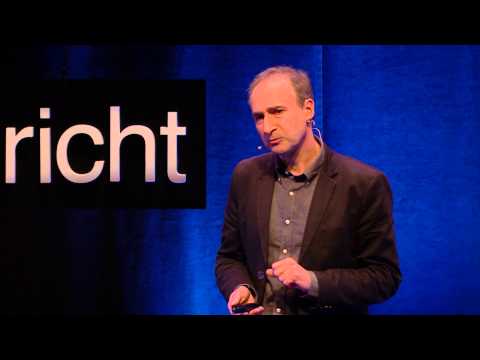
【TEDx】Connecting to Madness | Jim van Os | TEDxMaastricht
0
郭宇舜 posted on 2016/10/20Ever wondered about the reality of psychosis and how to combat stigma? This TEDx talk shares powerful lived experiences and research, introducing an innovative mobile app for self-monitoring that could change how we approach mental health. You'll gain insights into recovery and pick up advanced vocabulary related to mental health in a super accessible way!
Learn this video on the APP!
The VoiceTube App has more in-depth practice for videos!