
acid
US /ˈæsɪd/
UK /ˈæsɪd/
- Noun (Countable/Uncountable)
- Sour substance that reacts with metals e.g. lemon
A2Moreat risk
US
UK
- Phrase
- In danger; likely to be harmed
back then
US
UK
- Phrase
- At that time in the past.
A1Morebacteria
US /bækˈtɪriə/
UK /bæk'tɪərɪə/
- Noun (plural)
- The very small creatures that can cause disease
B2Morebear
US /bɛr/
UK /bɛː/
- Transitive Verb
- To accept (responsibilities or duties)
- To give birth to a child; to produce fruit
- Countable Noun
- Large brown animal with fur that lives in forests
- Someone who expects stock market to fall
A2Morebroth
US /brɔθ, brɑθ/
UK /brɒθ/
- Uncountable Noun
- Liquid or soup that meat, etc. has been cooked in
B2Morebuild on
US /bɪld ɑn/
UK /bild ɔn/
- Phrasal Verb
- To develop or expand something; to use something as a foundation for further progress.
- To use something as a base or foundation for further development or success.
A2Morecome up with
US /kʌm ʌp wɪð/
UK /kʌm ʌp wið/
- Phrasal Verb
- To think of an idea or solution; produce
A1Moredecay
US /dɪˈke/
UK /dɪˈkeɪ/
- Intransitive Verb
- To be slowly destroyed by natural processes; rot
- To lose health or strength
- Uncountable Noun
- Slow loss of physical or mental health
B1Moredisease
US /dɪˈziz/
UK /dɪˈzi:z/
- Noun (Countable/Uncountable)
- Illness that affects a person, animal, or plant
- A disorder of structure or function in a plant, especially one caused by a pathogen.
- Transitive Verb
- To affect with disease; to corrupt or sicken.
A2TOEICMoreexperiment
US /ɪkˈspɛrəmənt/
UK /ɪk'sperɪmənt/
- Noun (Countable/Uncountable)
- Test performed to assess new ideas or theories
- A course of action tentatively adopted without being sure of the eventual outcome.
- Verb (Transitive/Intransitive)
- To create and perform tests to research something
- To try something new that you haven't tried before
A2TOEICMorefirst up
US /fɚst ʌp/
UK /fə:st ʌp/
- Phrase
- Firstly; to begin with; the first item on a list or agenda.
A1Moreflask
US /flæsk/
UK /flɑ:sk/
- Countable Noun
- Narrow-necked drink container
C1Morefor example
US
UK
- Phrase
- As an illustration or instance.
gain traction
US
UK
- Intransitive Verb
- To become popular or gain support.
B1Moregerm
US /dʒɚm/
UK /dʒɜ:m/
- Countable Noun
- Tiny organism that can cause sickness and disease
B2Morehave to
US /hæv tu/
UK /ˈhæv tə/
- Auxiliary Verb
- Must do
A1Moreimmune
US /ɪˈmjoon/
UK /ɪˈmju:n/
- Adjective
- Having a special protection from, e.g. the law
- Protected against a particular disease or condition because of antibodies or vaccination.
B1Morein a nutshell
US
UK
- Phrase
- As a summary; including the main points concisely
C2Morein fact
US /ɪn fækt/
UK /in fækt/
- Adverb
- Used to emphasize the truth of a statement, especially one that contrasts with or contradicts something else.
- Used to introduce a more detailed or surprising piece of information.
- Phrase
- Used to emphasize the truth of a statement, especially one that is surprising or contrary to what might be expected.
C1Morein general
US /ɪn ˈdʒɛnərəl/
UK /in ˈdʒenərəl/
- Phrase
- Typically; usually; on the whole.
- Not specific or detailed; broadly.
- Adjective
- Not detailed or specific; overall.
C2Morein hand
US /ɪn hænd/
UK /in hænd/
- Phrase
- In one's possession or control.
in the air
US
UK
- Phrase
- Present or circulating in the atmosphere.
- Felt or sensed by many people; circulating as a rumor or feeling.
- Adjective
- Being broadcast on radio or television.
A1Morein theory
US /ɪn ˈθiəri/
UK /in ˈθiəri/
- Adverb
- According to the stated ideas or principles
- Phrase
- According to the theoretical possibilities rather than actual practice.
B2Morein time
US /ɪn taɪm/
UK /in taim/
- Adverb
- Eventually; after a period of time.
- Not late; with enough time to spare.
- Phrase
- Eventually; before it is too late.
- According to the scheduled time; punctual.
A1Morein with
US /ɪn wɪð/
UK /in wið/
- Phrase
- Fashionable or popular at the moment.
- Having influence or favor with someone.
- Phrasal Verb
- To introduce or bring something new into a system or organization.
A1Moreinfect
US /ɪnˈfɛkt/
UK /ɪn'fekt/
- Transitive Verb
- To introduce a computer virus to
- To give a disease, bacteria or virus to
B1Moreinfection
US /ɪnˈfɛkʃən/
UK /ɪnˈfekʃn/
- Noun
- (Computers) Having a computer virus
- Making or becoming sick with a bacteria/virus
A2Moreinfluence
US / ˈɪnfluəns/
UK /'ɪnflʊəns/
- Verb (Transitive/Intransitive)
- To affect or change something indirectly
- To persuade someone to do something.
- Noun (Countable/Uncountable)
- The power to affect what happens, to persuade etc.
- A person or thing that affects someone or something in an important way.
A2TOEICMoreinfluenza
US /ˌɪnflʊ'enzə/
UK /ˌɪnfluˈenzə/
- Noun
- Full name for the 'flu'
B2Moreinstead of
US /ɪnˈstɛd ʌv/
UK /inˈsted ɔv/
- Preposition
- When one thing is replaced by another
- Adverb
- As a substitute or alternative.
A1Moreisolate
US /ˈaɪsəˌlet/
UK /ˈaɪsəleɪt/
- Transitive Verb
- To identify, consider, or deal with separately
- To keep in a place or situation apart from others
B1Morelevel with
US
UK
- Phrasal Verb
- To be honest and straightforward with someone; to tell someone the truth.
A2Moremid
US /mɪd/
UK /mɪd/
- Adjective
- At (or near) the middle point
B2Moreneck
US /nɛk/
UK /nek/
- Noun (Countable/Uncountable)
- Part of the body joining the head and the body
- Opening of a piece of clothing for your head
- Intransitive Verb
- (Lovers) to play affectionately; kissing
A2Morenew level
US
UK
- Noun
- A higher or improved stage of achievement or quality.
- A different or more advanced degree of expertise or understanding.
A1Morenext to
US /nɛkst tu/
UK /nekst tu:/
- Preposition
- Being located along side another
- In comparison with
- Adverb
- Almost; nearly
A1Moreof all time
US /ʌv ɔl taɪm/
UK /ɔv ɔ:l taim/
- Adjective
- The best or most significant in history.
- Phrase
- Ever; in all of history.
A1Moreof course
US /ʌv kɔː(r)s/
UK /ɔv kɔː(r)s/
- Adverb
- Sure ; Certainly
- Phrase
- For sure; certainly
A2Moreon board
US /ɑn bɔrd/
UK /ɔn bɔ:d/
- Phrase
- Being on a ship, plane, or other vehicle
- Adverb
- On or in a ship, aircraft, train, or other vehicle
A1Moreon to
US /ɑn tu/
UK /ɔn tu:/
- Preposition
- Toward something; forward
- Aware of someone's activities.
- Adjective
- Aware of someone's deception or illegal activities.
A1Moreover time
US /ˈovɚ taɪm/
UK /ˈəuvə taim/
- Phrase
- Gradually; as time passes.
- During a long period.
- Adverb
- Gradually; as time passes.
B1Morepass out
US /pæs aʊt/
UK /pɑ:s aut/
- Phrasal Verb
- To distribute or hand out papers to people
- To faint; lose consciousness
A1Moreprestigious
US /prɛˈstidʒəs, -ˈstɪdʒəs/
UK /preˈstɪdʒəs/
- Adjective
- Respected as being important and with high status
B2Moreprotocol
US /ˈprotəˌkɔl, -ˌkol, -ˌkɑl/
UK /'prəʊtəkɒl/
- Noun
- Written agreement between countries
- Set of rules computers use to exchange data
B1TOEICMoreprove
US /pruv/
UK /pru:v/
- Transitive Verb
- To demonstrate truth by providing evidence
- To test the quality or worth of something.
- Intransitive Verb
- To turn out to be; be found to be.
A2TOEICMorerather than
US
UK
- Adverb
- More exactly; more correctly
- Preferably; instead
- Preposition
- Instead of
A1Moreresearch
US /rɪˈsɚtʃ, ˈriˌsɚtʃ/
UK /rɪ'sɜ:tʃ/
- Verb (Transitive/Intransitive)
- To study in order to discover new ideas and facts
- To study the market relating to marketing products and services.
- Noun (Countable/Uncountable)
- Study done to discover new ideas and facts
- A particular area or topic of study.
A2TOEICMorescience
US /ˈsaɪəns/
UK /'saɪəns/
- Uncountable Noun
- Study of the physical world, based on facts
A2TOEICMorescientific
US /ˌsaɪənˈtɪfɪk/
UK /ˌsaɪənˈtɪfɪk/
- Adjective
- Concerning academic study of the physical world
- Systematic and precise, following a methodology.
- Noun
- Relating to or used in science.
A2Morescientist
US /ˈsaɪəntɪst/
UK /ˈsaɪəntɪst/
- Countable Noun
- Person who is trained in a science
A2Morespoil
US /spɔɪl/
UK /spɔɪl/
- Transitive Verb
- To damage something, usually by treating it poorly
- To overindulge and harm the character of a child
- Intransitive Verb
- (Of food) to go bad
A2Morespontaneous
US /spɑnˈteniəs/
UK /spɒnˈteɪniəs/
- Adjective
- Happening on its own, without anyone helping it
B1Morespontaneously
US /spɔnˈtenɪəslɪ/
UK /spɒn'teɪnɪəslɪ/
- Adverb
- In a sudden, unplanned way
B1Morestrain
US /stren/
UK /streɪn/
- Transitive Verb
- To remove the water from (food) using a colander
- To injure a muscle, leg etc. by using it too much
- Noun (Countable/Uncountable)
- Injury to a muscle, leg etc. through overuse
- Type or variation of a disease or bacillus
B2Moresurgeon
US /ˈsɜrdʒən/
UK /'sɜ:dʒən/
- Countable Noun
- A doctor who performs surgery
B2Moresurgical
US /ˈsɜ:rdʒɪkl/
UK /ˈsɜ:dʒɪkl/
- Adjective
- Of or relating to surgery or operations
B2Moretheory
US /ˈθiəri, ˈθɪri/
UK /ˈθiəri/
- Noun (Countable/Uncountable)
- Ideas or principles that explain facts or events
- An idea or belief about something
A2TOEICMorethink of
US /θɪŋk ʌv/
UK /θiŋk ɔv/
- Phrasal Verb
- To look on as (being something specific); consider
- To consider or remember something.
- Verb (Transitive/Intransitive)
- To imagine or call something to mind
A1Morethird one
US
UK
- Pronoun
- The item that is in the third position in a sequence.
- Noun
- The third option or choice from a set of possibilities.
A1Moreused to
US /juzd tu/
UK /ˈju:st tə/
- Adjective
- Did regularly before, but don't do now
- Auxiliary Verb
- Have done before, but do not do now
A1Morevaccination
US /ˌvæksəˈneʃən/
UK /ˌvæksɪ'neɪʃn/
- Noun (Countable/Uncountable)
- Type of injection to prevent getting a disease
B2TOEICMorevaccine
US /vækˈsin,ˈvækˌsin/
UK /'væksi:n/
- Noun (Countable/Uncountable)
- Shot using weak disease cells to stop same disease
- A preparation of weakened or killed microorganisms, or of antigenic proteins derived from them, used to induce protective immunity in animals.
B2Morevirus
US /ˈvaɪrəs/
UK /'vaɪrəs/
- Noun
- File secretly put on computers to cause harm
- Living organism that causes disease or sickness
B1Morewake up
US /wek ʌp/
UK /weik ʌp/
- Phrasal Verb
- To stop sleeping
- To become fully aware and alert to a situation.
A1Morewine
US /waɪn/
UK /waɪn/
- Adjective
- Dark red color
- Noun (Countable/Uncountable)
- Alcoholic drink made from the juice of grapes
A2Morewith it
US /wɪð ɪt/
UK /wið it/
- Adjective
- Intelligent, alert, and up-to-date.
- Understanding and knowledgeable about current trends or information.
A1Morework on
US /wɚk ɑn/
UK /wə:k ɔn/
- Phrasal Verb
- To devote effort to improve or develop something
- To try to persuade or influence someone.
A1More
Vocabulary
- on to: Toward something; forward
- for example: As an illustration or instance.
- in fact: Used to emphasize the truth of a statement, especially one that contrasts with or contradicts something else.
- have to: Must do
- work on: To devote effort to improve or develop something
- next to: Being located along side another
- in time: Eventually; after a period of time.
- over time: Gradually; as time passes.
- build on: To develop or expand something; to use something as a foundation for further progress.
- first up: Firstly; to begin with; the first item on a list or agenda.
- of course: Sure ; Certainly
- back then: At that time in the past.
- of all time: The best or most significant in history.
- in the air: Present or circulating in the atmosphere.
- in hand: In one's possession or control.
- with it: Intelligent, alert, and up-to-date.
- on board: Being on a ship, plane, or other vehicle
- think of: To look on as (being something specific); consider
- in general: Typically; usually; on the whole.
- in with: Fashionable or popular at the moment.
- pass out: To distribute or hand out papers to people
- wake up: To stop sleeping
- rather than: More exactly; more correctly
- in theory: According to the stated ideas or principles
- used to: Did regularly before, but don't do now
- gain traction: To become popular or gain support.
- instead of: When one thing is replaced by another
- new level: A higher or improved stage of achievement or quality.
- level with: To be honest and straightforward with someone; to tell someone the truth.
- in a nutshell: As a summary; including the main points concisely
- at risk: In danger; likely to be harmed
- come up with: To think of an idea or solution; produce
- third one: The item that is in the third position in a sequence.
- time: Speed at which music is played; tempo
- common: Area in a city or town that is open to everyone
- people: Persons sharing culture, country, background, etc.
- life: All the living things e.g. animals, plants, humans
- work: The product of some artistic or literary endeavor
- immune: Having a special protection from, e.g. the law
- develop: To explain something in steps and in detail
- disease: Illness that affects a person, animal, or plant
- experiment: Test performed to assess new ideas or theories
- start: First time or place that a thing exists; beginning
- research: To study in order to discover new ideas and facts
- influence: To affect or change something indirectly
- theory: Ideas or principles that explain facts or events
- science: Study of the physical world, based on facts
- scientific: Concerning academic study of the physical world
- strain: To remove the water from (food) using a colander
- bear: To accept (responsibilities or duties)
- wind: A current of air moving approximately horizontally, especially one strong enough to be felt
- begin: To do the first part of an action; to start
- bacteria: The very small creatures that can cause disease
- vaccine: Shot using weak disease cells to stop same disease
- prove: To demonstrate truth by providing evidence
- spoil: To damage something, usually by treating it poorly
- scientist: Person who is trained in a science
- infection: (Computers) Having a computer virus
- spontaneous: Happening on its own, without anyone helping it
- name: What something or someone is called
- die: Cube with dots numbering 1-6 on it used in games
- virus: File secretly put on computers to cause harm
- include: To make someone, something part of a group
- acid: Sour substance that reacts with metals e.g. lemon
- protect: To defend someone or something from harm or danger
- germ: Tiny organism that can cause sickness and disease
- spontaneously: In a sudden, unplanned way
- prestigious: Respected as being important and with high status
- air: Mixture of gases around the earth that we breathe
- isolate: To identify, consider, or deal with separately
- save: To make your computer keep a file
- decay: To be slowly destroyed by natural processes; rot
- protocol: Written agreement between countries
- wine: Dark red color
- broth: Liquid or soup that meat, etc. has been cooked in
- surgeon: A doctor who performs surgery
- neck: Part of the body joining the head and the body
- influenza: Full name for the 'flu'
- surgical: Of or relating to surgery or operations
- mid: At (or near) the middle point
- infect: To introduce a computer virus to
- vaccination: Type of injection to prevent getting a disease
- flask: Narrow-necked drink container
Get the full experience in the app
Learn anywhere with detailed sentence and usage analysis
01:03
She took a brave step forward, leaving behind her comfort zone to chase her dreams.
Vocabulary
- brave
adj. Having courage
- comfort zone
phr. A familiar situation where one feels safe
Explanation
a brave step is a noun phrase, where brave is an adjective modifying the noun step, meaning "a courageous step".
forward is an adverb modifying step, meaning "ahead".
The whole phrase serves as the object, answering the "what" of took (verb) — she took a brave step forward.
Get the full experience in the app
Look up words anytime with pronunciation, part of speech, and usage
brave
US/brev/
UK/breɪv/
adj.Brave
v.t.To bravely face
A2 Elementary
Get the full experience in the app
Practice speaking anytime and get instant pronunciation feedback
Try this speaking exercise.
Try practicing with this sentence.
80
0
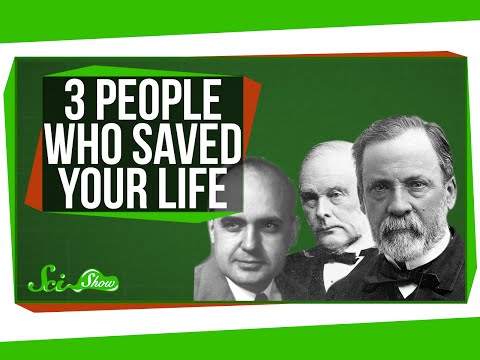
Yu Sheng Chen posted on 2016/10/02Ever wonder who's behind the medical breakthroughs that keep us safe? This video dives into the incredible stories of Louis Pasteur, Joseph Lister, and Maurice Hilleman, exploring the science of germ theory and vaccine development. You'll pick up fascinating vocabulary and gain a deeper understanding of these life-saving pioneers!
Learn this video on the APP!
The VoiceTube App has more in-depth practice for videos!