
along with
US /əˈlɔŋ wɪð/
UK /əˈlɔŋ wið/
- Preposition
- In addition to; together with.
- Adverb
- In company or together with someone or something.
- Including; in addition to.
A2Moreamazing
US /ə'meɪzɪŋ/
UK /ə'meɪzɪŋ/
- Adjective
- Surprising in a pleasing way
- Transitive Verb
- To cause wonder; to surprise completely
A2Moreanswer to
US
UK
- Phrasal Verb
- To be responsible to someone and have to explain your actions to them.
- To correspond to or match a description or requirement.
A1Moreanymore
US /ˌɛniˈmɔr, -ˈmor/
UK /'enɪmɔ:/
- Adverb
- No longer; no more
A2Moreat length
US /æt lɛŋkθ/
UK /æt leŋθ/
- Adverb
- In detail; fully
- Phrase
- After a long time; eventually
A1Moreat risk
US
UK
- Phrase
- In danger; likely to be harmed
at school
US
UK
- Phrase
- Present and attending school.
A1Moreat some point
US /æt sʌm pɔɪnt/
UK /æt sʌm pɔint/
- Phrase
- At an unspecified time, usually in the future.
A1Moreat the moment
US
UK
- Adverb
- At this time; now
A1Moreat the same time
US
UK
- Phrase
- Simultaneously; at the identical moment.
- Nevertheless; however; used to introduce a contrasting or qualifying statement.
A1Moreback down
US /bæk daʊn/
UK /bæk daun/
- Phrasal Verb
- To admit you were wrong; stop claiming
A1Moreblow away
US /blo əˈwe/
UK /bləu əˈwei/
- Phrasal Verb
- To completely beat or defeat someone, or kill them
- To amaze someone, e.g. by great performance
- Transitive Verb
- To impress someone greatly.
- To defeat someone easily.
A2Morebreak out
US /brek aʊt/
UK /breik aut/
- Phrasal Verb
- To isolate some information from other data
A1Morebuild in
US
UK
- Phrasal Verb
- To include something as part of a plan, system, or design.
- To create something as a permanent or inherent feature.
A1Morecarry on
US /ˈkæri ɑn/
UK /ˈkæri ɔn/
- Phrasal Verb
- To engage in an activity, e.g. a conversation
- To continue or keep doing something
- Verb (Transitive/Intransitive)
- To continue doing something
A1Morecoat
US /koʊt/
UK /kəʊt/
- Noun
- Clothing worn outside over your normal clothes
- Transitive Verb
- To cover something thinly with something
A2Morecome along
US /kʌm əˈlɔŋ/
UK /kʌm əˈlɔŋ/
- Phrasal Verb
- To go with someone who takes the lead
- To make progress toward a goal
A1Morecome around
US /kʌm əˈraʊnd/
UK /kʌm əˈraund/
- Phrasal Verb
- To eventually change your opinion or be persuaded to agree with someone else's.
- To visit someone at their house.
A1Morecome from
US /kʌm frʌm/
UK /kʌm frɔm/
- Phrasal Verb
- To have as your native country or city
A1Morecome up with
US /kʌm ʌp wɪð/
UK /kʌm ʌp wið/
- Phrasal Verb
- To think of an idea or solution; produce
A1Moreculture
US /ˈkʌltʃɚ/
UK /'kʌltʃə(r)/
- Noun (Countable/Uncountable)
- Beliefs and customs of a particular group
- The customs, beliefs, art, and all the other things that a group of people share and consider important.
- Transitive Verb
- To grow cells, tissues, bacteria, etc. in a controlled environment.
A2Moredisagree with
US /ˌdɪsəˈɡri wɪð/
UK /ˌdisəˈɡri: wið/
- Phrasal Verb
- To have a different opinion from someone else.
- Intransitive Verb
- To cause someone to feel ill or uncomfortable.
A1Moreequality
US /iˈkwɑ:ləti/
UK /iˈkwɒləti/
- Uncountable Noun
- Idea that all people have the same rights
A2TOEICMoreevery kind of
US
UK
- Determiner
- Each and all types of something; all varieties of.
- A wide assortment or range of something.
A1Morefeminism
US /ˈfɛməˌnɪzəm/
UK /ˈfemənɪzəm/
- Noun
- Belief that women and men have the same rights
B2Morefeminist
US /ˈfɛmənɪst/
UK /ˈfemənɪst/
- Noun
- Person believing women have the same rights as men
B1Moreflawed
US / flɔd/
UK /flɔ:d/
- Adjective
- Having a quality that makes something not perfect
- Transitive Verb
- To impair, damage, or spoil.
B1TOEICMorefor sure
US /fɔr ʃʊr/
UK /fɔ: ʃuə/
- Adverb
- Definitely; certainly; without a doubt.
- Used to emphasize a statement.
- Interjection
- An expression of strong agreement or affirmation.
A2Morefor the rest
US /fɔr ði rɛst/
UK /fɔ: ðə rest/
- Phrase
- Concerning the remaining people or things.
- During the remaining part of a period of time.
A1Morefor too long
US
UK
- Phrase
- For an excessively extended period.
A1Morefreak out
US /frik aʊt/
UK /fri:k aut/
- Phrasal Verb
- To react or behave in a wild or irrational way
- To become very anxious, upset, or afraid; to panic.
- Intransitive Verb
- To experience or display extreme emotions, such as fear or panic.
- To have a very disturbing and frightening experience caused by taking drugs.
B2Morefrom scratch
US /frʌm skrætʃ/
UK /frɔm skrætʃ/
- Phrase
- From the very beginning; from nothing.
- From the very beginning; using new materials rather than something that already exists.
A1Moregay
US /ɡeɪ/
UK /geɪ/
- Adjective
- Happy and bright
- Attracted to the same sex; homosexual; lesbian
- Noun
- Person attracted to someone of the same sex
B1Moregender equality
US
UK
- Noun (Countable/Uncountable)
- The state in which access to rights or opportunities is unaffected by gender.
- Equal treatment and opportunity regardless of gender, as protected by law.
B2Moregenuinely
US /ˈdʒɛnjʊɪnlɪ/
UK /'dʒenjʊɪnlɪ/
- Adverb
- In a real, actual, not false or artificial way
- In a sincere and honest way.
A2Moreget back to
US /ɡɛt bæk tu/
UK /ɡet bæk tu:/
- Phrasal Verb
- To get in contact with someone again
- To return to someone or something; to respond at a later time.
A1Moreget behind
US /ɡɛt bɪˈhaɪnd/
UK /ɡet biˈhaind/
- Phrasal Verb
- To support or encourage.
- To fail to make enough progress or to do something by a particular time.
give in
US /ɡɪv ɪn/
UK /ɡiv in/
- Phrasal Verb
- To submit work; hand in
- To stop resisting; to surrender
A1Moregive up
US /ɡɪv ʌp/
UK /ɡiv ʌp/
- Phrasal Verb
- To lose hope or admit defeat
- To decide to not start to try solving a problem
- Verb Phrase
- to surrender an item; hand over an item
A1Morego on
US /ɡo ɑn/
UK /ɡəu ɔn/
- Phrasal Verb
- To continue doing something
- To happen (usually negative)
- Interjection
- Used to encourage someone
A1Moregoing on
US /ˈɡoɪŋ ɑn/
UK /ˈgəʊɪŋ ɔn/
- Phrasal Verb
- To continue doing something
- To happen (usually negative)
A1Moregood person
US
UK
- Noun
- A morally upright and kind individual.
- A person who is skilled or competent in a particular area.
A1Morehang on
US /hæŋ ɑn/
UK /hæŋ ɔn/
- Phrasal Verb
- To wait for the person you phoned to answer
- To persevere or persist, especially in a difficult situation.
A2Morehave to
US /hæv tu/
UK /ˈhæv tə/
- Auxiliary Verb
- Must do
A1Morehistory
US /ˈhɪstəri/
UK /'hɪstrɪ/
- Noun (Countable/Uncountable)
- Established pattern or record
- Study of past events as an academic subject
A2Morehot potato
US
UK
- Noun
- A controversial or difficult issue that is awkward or unpleasant to deal with.
A1Morein order to
US /ɪn ˈɔrdɚ tu/
UK /in ˈɔ:də tu:/
- Preposition
- For the purpose of; with the aim of.
- Phrase
- In a specific sequence or arrangement.
- With the aim of; for the purpose of.
C1Morein public
US /ɪn ˈpʌblɪk/
UK /in ˈpʌblik/
- Phrase
- In a place where anyone can see or hear you.
- Adjective
- Relating to the government or the people as a whole.
B1Morein terms of
US
UK
- Phrase
- With regard to; concerning a particular aspect.
A1Morein the books
US /ɪn ði bʊks/
UK /ɪn ði bʊks/
- other
- Finished, completed, or officially recorded.
B2Moreinstead of
US /ɪnˈstɛd ʌv/
UK /inˈsted ɔv/
- Preposition
- When one thing is replaced by another
- Adverb
- As a substitute or alternative.
A1Moreinvent
US /ɪnˈvɛnt/
UK /ɪnˈvent/
- Transitive Verb
- To create something such as a story or excuse
- To create something useful for the first time
A2TOEICMorejust kind of
US
UK
- Phrase
- Used to express a feeling or state in a vague or hesitant way.
- Used to indicate something is approximately or generally similar to something else.
A2Morelack of hope
US
UK
- Phrase
- The absence of optimism or positive expectation.
B1Morelook after
US /lʊk ˈæftɚ/
UK /luk ˈɑ:ftə/
- Phrasal Verb
- To take care of someone or something
A1Morelook at
US /lʊk æt/
UK /luk æt/
- Phrasal Verb
- To use your eyes to focus on something
- To focus your eyes on something carefully
A1Morelook to
US
UK
- Phrasal Verb
- Be looking to. be planning to (do something)
- To expect someone to do something for you; rely on
A1Moremovement
US /ˈmuvmənt/
UK /ˈmu:vmənt/
- Noun (Countable/Uncountable)
- Part of a piece of classical music
- Group with a shared interest or goal
A2Morenext to
US /nɛkst tu/
UK /nekst tu:/
- Preposition
- Being located along side another
- In comparison with
- Adverb
- Almost; nearly
A1Moreof course
US /ʌv kɔː(r)s/
UK /ɔv kɔː(r)s/
- Adverb
- Sure ; Certainly
- Phrase
- For sure; certainly
A2Moreof itself
US /ʌv ɪtˈself/
UK /əv ɪtˈself/
- other
- Happening automatically without external cause or help.
B1Moreon a day-to-day basis
US /ɑn ə ˈdeɪ tə ˈdeɪ ˈbeɪsɪs/
UK /ɒn ə ˈdei tə ˈdei ˈbeisis/
- other
- Happening regularly every day as a routine.
B1Moreon earth
US /ɑn ɚθ/
UK /ɔn ə:θ/
- Phrase
- Used to emphasize a question expressing surprise or anger.
- Used to emphasize that something is not possible or will not happen.
A1Moreon the internet
US
UK
- Phrase
- Located or available on the internet.
- Using the internet as a medium or platform.
A1Moreon to
US /ɑn tu/
UK /ɔn tu:/
- Preposition
- Toward something; forward
- Aware of someone's activities.
- Adjective
- Aware of someone's deception or illegal activities.
A1Moreother than
US
UK
- Preposition
- Except for; apart from.
- Conjunction
- Different from.
A1Moreout there
US /aʊt ðɛr/
UK /aut ðɛə/
- Adverb
- In or to a place that is far away
- Existing in the universe
- Adjective
- Unconventional; strange; avant-garde
- Existing or available.
A1Moreoutside of
US /aʊtˈsaɪd ʌv/
UK /ˌautˈsaid ɔv/
- Preposition
- Located or situated beyond the boundaries or confines of something.
- Beyond the scope, range, or limits of something.
A1Morepolitic
US /ˈpɑlɪtɪk/
UK /ˈpɒlətɪk/
- Adjective
- Careful what you say; diplomatic
B2Morepolitical
US /pəˈlɪtɪkəl/
UK /pəˈlɪtɪkl/
- Adjective
- Being active or interested in government matters
- Diplomatic
A2Morepolitician
US /ˌpɑlɪˈtɪʃən/
UK /ˌpɒləˈtɪʃn/
- Noun (Countable/Uncountable)
- Someone whose job is in politics
- A person who acts in a manipulative and devious way, typically to gain advancement in their career.
A2Moreporn
US /pɔrn/
UK /pɔ:n/
- Uncountable Noun
- Short for pornography
B2Morepornography
US /pɔ:rˈnɑ:grəfi/
UK /pɔ:ˈnɒgrəfi/
- Uncountable Noun
- Pictures or stories that stimulate sexual desire
C1Moreput into action
US
UK
- Phrasal Verb
- To start using a plan or method.
- To activate or initiate a process or system.
- Transitive Verb
- To deploy troops for military engagement.
- To enforce a new law.
A1Moreput off
US /pʊt ɔf/
UK /put ɔf/
- Phrasal Verb
- To take off, e.g. clothing
- To delay until a later date
A1Morerather than
US
UK
- Adverb
- More exactly; more correctly
- Preferably; instead
- Preposition
- Instead of
A1Morereligion
US /rɪˈlɪdʒən/
UK /rɪˈlɪdʒən/
- Countable Noun
- Organized set of beliefs about a god or gods
- Noun (Countable/Uncountable)
- Belief in God or gods that governs people's lives
- A person's particular system of beliefs and worship.
A2Moresame time
US
UK
- Phrase
- Occurring simultaneously or at the same point in time.
- At the identical time as before; recurring at a fixed hour.
- Noun
- An equal duration or period.
A1Moresee in
US /si ɪn/
UK /si: in/
- Phrasal Verb
- To accompany someone to the entrance of a building or room.
A1Moresee it through
US
UK
- Phrasal Verb
- To continue until the end of a difficult or important task, project, or situation.
A1Moreset up
US /sɛt ʌp/
UK /set ʌp/
- Phrasal Verb
- To make arrangements for something; establish
- Verb (Transitive/Intransitive)
- To arrange or prepare something for use.
- To start a business, organization, etc.
A1Moresew
US /so/
UK /səʊ/
- Transitive Verb
- To make something using a needle and thread
B1Moresexual
US /ˈsɛkʃuəl/
UK /ˈsekʃuəl/
- Adjective
- Relating to men and women and their relationships
- Of the physical activity that can produce babies
A2Moreshut down
US /ʃʌt daʊn/
UK /ʃʌt daun/
- Phrasal Verb
- To close an operating system, e.g. on a computer
- To stop a factory/machine from operating
- Transitive Verb
- To deactivate a nuclear reactor.
- To turn off a computer or other electronic device.
A2Moresit down
US /sit daʊn/
UK /sit daun/
- Phrasal Verb
- To take a seat
A1Moreslap
US /slæp/
UK /slæp/
- Transitive Verb
- To hit with the open hand or with a flat object
B1Moresociety
US /səˈsaɪɪti/
UK /sə'saɪətɪ/
- Noun (Countable/Uncountable)
- A group who meet to share values or interests
- Group of people living together
A2TOEICMorespeak out
US /spik aʊt/
UK /spi:k aut/
- Phrasal Verb
- To express your opinion frankly and publicly, especially about something that you disagree with.
A1Moresqueak
US /skwik/
UK /skwi:k/
- Intransitive Verb
- To make a short very high cry or sound
C1Morestrip
US /strɪp/
UK /strɪp/
- Transitive Verb
- To remove your clothes (often sexily for someone)
- To remove something, e.g. paint from a wall
- Countable Noun
- Long narrow piece, such as ribbon or land
B1Moretalking about
US
UK
- Phrasal Verb
- To discuss a particular topic.
- To be constantly mentioning or bringing up a subject.
A1Moreto the point
US /tu ði pɔɪnt/
UK /tu: ðə pɔint/
- Adjective
- Expressing something directly and without unnecessary detail.
- Phrase
- Relevant and pertinent to the matter at hand.
A2Moretone
US /toʊn/
UK /təʊn/
- Noun (Countable/Uncountable)
- Atmosphere or feeling in a message
- Firmness and strength of the body's muscles
- Transitive Verb
- To increase the quality of muscles by exercise
A2Moreturned out
US
UK
- Phrasal Verb
- To arrive for a public event or entertainment
- To happen to be in the end
- Transitive Verb
- To extinguish or switch off lights.
A1Moretv show
US /ˈtiˈvi ʃo/
UK /ˈti:ˈvi: ʃəu/
- Noun
- A television program.
used to
US /juzd tu/
UK /ˈju:st tə/
- Adjective
- Did regularly before, but don't do now
- Auxiliary Verb
- Have done before, but do not do now
A1Morewalk down
US /wɔk daʊn/
UK /wɔ:k daun/
- Phrasal Verb
- To walk along or down something.
- To proceed along an aisle, especially at a wedding.
A1Morewith it
US /wɪð ɪt/
UK /wið it/
- Adjective
- Intelligent, alert, and up-to-date.
- Understanding and knowledgeable about current trends or information.
A1Morework in
US /wɚk ɪn/
UK /wə:k in/
- Phrasal Verb
- To make an opening for something in your schedule
- To fit person/thing into a schedule or sequence
A1Morewrite down
US /raɪt daʊn/
UK /rait daun/
- Phrasal Verb
- To record in writing
A1More
Vocabulary
- have to: Must do
- look at: To use your eyes to focus on something
- come along: To go with someone who takes the lead
- at the moment: At this time; now
- talking about: To discuss a particular topic.
- go on: To continue doing something
- for the rest: Concerning the remaining people or things.
- rather than: More exactly; more correctly
- disagree with: To have a different opinion from someone else.
- hang on: To wait for the person you phoned to answer
- see in: To accompany someone to the entrance of a building or room.
- shut down: To close an operating system, e.g. on a computer
- come up with: To think of an idea or solution; produce
- of course: Sure ; Certainly
- look after: To take care of someone or something
- going on: To continue doing something
- come from: To have as your native country or city
- break out
- blow away: To completely beat or defeat someone, or kill them
- for sure: Definitely; certainly; without a doubt.
- out there: In or to a place that is far away
- put into action: To start using a plan or method.
- lack of hope: The absence of optimism or positive expectation.
- set up
- on a day-to-day basis: Happening regularly every day as a routine.
- for too long: For an excessively extended period.
- give in: To submit work; hand in
- in the books: Finished, completed, or officially recorded.
- instead of: When one thing is replaced by another
- give up: To lose hope or admit defeat
- at school: Present and attending school.
- answer to: To be responsible to someone and have to explain your actions to them.
- write down: To record in writing
- get back to: To get in contact with someone again
- come around: To eventually change your opinion or be persuaded to agree with someone else's.
- from scratch: From the very beginning; from nothing.
- gender equality: The state in which access to rights or opportunities is unaffected by gender.
- just kind of: Used to express a feeling or state in a vague or hesitant way.
- on to: Toward something; forward
- build in: To include something as part of a plan, system, or design.
- outside of: Located or situated beyond the boundaries or confines of something.
- to the point: Expressing something directly and without unnecessary detail.
- look to: Be looking to. be planning to (do something)
- used to: Did regularly before, but don't do now
- freak out: To react or behave in a wild or irrational way
- at risk: In danger; likely to be harmed
- work in: To make an opening for something in your schedule
- of itself: Happening automatically without external cause or help.
- walk down: To walk along or down something.
- see it through: To continue until the end of a difficult or important task, project, or situation.
- on the internet: Located or available on the internet.
- at some point: At an unspecified time, usually in the future.
- back down: To admit you were wrong; stop claiming
- hot potato: A controversial or difficult issue that is awkward or unpleasant to deal with.
- put off: To take off, e.g. clothing
- in public: In a place where anyone can see or hear you.
- turned out: To arrive for a public event or entertainment
- sit down: To take a seat
- at length: In detail; fully
- at the same time: Simultaneously; at the identical moment.
- same time: Occurring simultaneously or at the same point in time.
- in terms of
- other than: Except for; apart from.
- every kind of: Each and all types of something; all varieties of.
- on earth: Used to emphasize a question expressing surprise or anger.
- tv show: A television program.
- along with: In addition to; together with.
- get behind: To support or encourage.
- next to: Being located along side another
- speak out: To express your opinion frankly and publicly, especially about something that you disagree with.
- in order to: For the purpose of; with the aim of.
- carry on: To engage in an activity, e.g. a conversation
- with it: Intelligent, alert, and up-to-date.
- good person: A morally upright and kind individual.
- make: To arrange or prepare something e.g. dinner
- time: Speed at which music is played; tempo
- term: Conditions applying to an agreement, contract
- people: Persons sharing culture, country, background, etc.
- life: All the living things e.g. animals, plants, humans
- world: All the humans, events, activities on the earth
- work: The product of some artistic or literary endeavor
- kind: In a caring and helpful manner
- feel: To be aware of or experience an emotion, sensation
- point: An item to be discussed
- change: To exchange one set of clothes for another
- social: Involving activity with people, e.g. in free time
- genuinely: In a real, actual, not false or artificial way
- society: A group who meet to share values or interests
- political: Being active or interested in government matters
- system: Set of organized, planned ideas that work together
- show: To be easily seen or displayed
- culture: Beliefs and customs of a particular group
- future: Time that is to come after the present
- movement: Part of a piece of classical music
- religion: Organized set of beliefs about a god or gods
- strip: To remove your clothes (often sexily for someone)
- amazing: Surprising in a pleasing way
- politician: Someone whose job is in politics
- tone: Atmosphere or feeling in a message
- sexual: Relating to men and women and their relationships
- history: Established pattern or record
- slap: To hit with the open hand or with a flat object
- porn: Short for pornography
- anymore: No longer; no more
- feminist: Person believing women have the same rights as men
- coat: Clothing worn outside over your normal clothes
- equality: Idea that all people have the same rights
- pornography: Pictures or stories that stimulate sexual desire
- invent: To create something such as a story or excuse
- flawed: Having a quality that makes something not perfect
- politic: Careful what you say; diplomatic
- feminism: Belief that women and men have the same rights
- sew: To make something using a needle and thread
- gay: Happy and bright
- squeak: To make a short very high cry or sound
Get the full experience in the app
Learn anywhere with detailed sentence and usage analysis
01:03
She took a brave step forward, leaving behind her comfort zone to chase her dreams.
Vocabulary
- brave
adj. Having courage
- comfort zone
phr. A familiar situation where one feels safe
Explanation
a brave step is a noun phrase, where brave is an adjective modifying the noun step, meaning "a courageous step".
forward is an adverb modifying step, meaning "ahead".
The whole phrase serves as the object, answering the "what" of took (verb) — she took a brave step forward.
Get the full experience in the app
Look up words anytime with pronunciation, part of speech, and usage
brave
US/brev/
UK/breɪv/
adj.Brave
v.t.To bravely face
A2 Elementary
Get the full experience in the app
Practice speaking anytime and get instant pronunciation feedback
Try this speaking exercise.
Try practicing with this sentence.
80
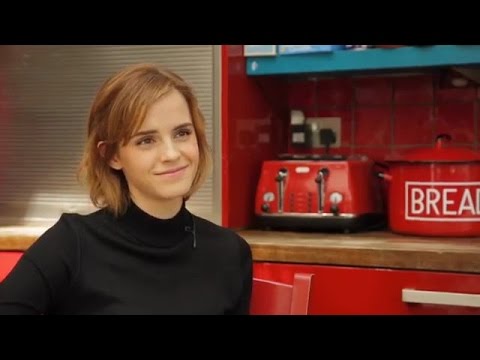
Emma Watson & Caitlin Moran - In Conversation for Our Shared Shelf
0
smilehumanbeing posted on 2016/08/30Ever wondered about feminism and media representation? Dive into a fascinating conversation between Emma Watson and Caitlin Moran where they discuss topics like sex work and 'How to Be a Woman'! You'll pick up some advanced vocabulary and gain cultural insights in this engaging chat.
Learn this video on the APP!
The VoiceTube App has more in-depth practice for videos!