
allow for
US
UK
- Verb (Transitive/Intransitive)
- To take into consideration
A1Morealter
US /ˈɔltɚ/
UK /ˈɔ:ltə(r)/
- Transitive Verb
- To change so (clothing) fits better
- Verb (Transitive/Intransitive)
- To change or modify something.
- To become different; to change.
A2TOEICMoreat rest
US /æt rɛst/
UK /æt rest/
- Adjective
- Not moving or being used.
- In a state of peace, quiet, or relaxation.
A2Morecancer
US /ˈkænsɚ/
UK /'kænsə(r)/
- Noun
- Any growth caused by abnormal cell division
B1Morechemical
US /ˈkɛmɪkəl/
UK /ˈkemɪkl/
- Noun (Countable/Uncountable)
- Basic substance produced by mixing elements
- The branch of science concerned with the substances of which matter is composed, the investigation of their properties and reactions, and the use of such reactions to form new substances.
- Adjective
- Made of various elements
A2Moredatum
US /ˈdetəm, ˈdætəm, ˈdɑtəm/
UK /ˈdeɪtəm/
- Noun
- Item of factual information
B1Moredecline
US /dɪˈklaɪn/
UK /dɪ'klaɪn/
- Intransitive Verb
- To bend towards the ground
- To slope downward.
- Verb (Transitive/Intransitive)
- To lessen in quality or value
A2TOEICMoredose
US /doʊs/
UK /dəʊs/
- Noun (Countable/Uncountable)
- An amount of medicine to be taken at any one time
- Transitive Verb
- To give a certain amount of something to someone
B1Morefor example
US
UK
- Phrase
- As an illustration or instance.
for some reason
US /fɔr sʌm ˈrizən/
UK /fɔ: sʌm ˈri:zən/
- Phrase
- For a reason that is not known or not easily explained.
A1Morefunction
US /ˈfʌŋkʃən/
UK /'fʌŋkʃn/
- Noun
- Social event, or party such as a wedding
- Mathematical operation used in calculations
- Intransitive Verb
- To serve a certain purpose or role
- To be operating, working or achieving its purpose
A2TOEICMoregiven time
US /ˈɡɪvən taɪm/
UK /ˈɡivən taim/
- Noun (Countable/Uncountable)
- A specific time that has been scheduled or agreed upon.
- The amount of time available or allotted for a task or activity.
A1Morego out
US /ɡo aʊt/
UK /ɡəu aut/
- Phrase
- To leave a building (e.g. a house)
- Phrasal Verb
- (Of a fire) to burn out; be extinguished
- Go out of fashion to stop being fashionable
A1Morehave to
US /hæv tu/
UK /ˈhæv tə/
- Auxiliary Verb
- Must do
A1Morein concert
US /ɪn ˈkɑnˌsɚt/
UK /in ˈkɔnsət/
- Adverb
- Together in cooperation or agreement.
- Phrase
- Performing a live musical performance.
A2Morein fact
US /ɪn fækt/
UK /in fækt/
- Adverb
- Used to emphasize the truth of a statement, especially one that contrasts with or contradicts something else.
- Used to introduce a more detailed or surprising piece of information.
- Phrase
- Used to emphasize the truth of a statement, especially one that is surprising or contrary to what might be expected.
C1Morein isolation
US
UK
- Phrase
- Separately from other people or things; alone.
- Considered separately and without reference to other related things.
C1Morein school
US /ɪn skul/
UK /ɪn sku:l/
- other
- Attending an educational institution.
A1Morein the world
US /ɪn ði wɜrld/
UK /in ðə wɜː(r)ld/
- Phrase
- Used to emphasize a question expressing surprise, confusion, disbelief
- Used to indicate the extent or degree of something, often in a superlative sense
A1Moreindividual
US /ˌɪndəˈvɪdʒuəl/
UK /ˌɪndɪˈvɪdʒuəl/
- Countable Noun
- Single person, looked at separately from others
- A single thing or item, especially when part of a set or group.
- Adjective
- Made for use by one single person
- Having a distinct manner different from others
A2Moreintervention
US /ˌɪntə'venʃn/
UK /ˌɪntə'venʃn/
- Noun (Countable/Uncountable)
- Getting involved to solve a disagreement, problem
- The use of military force by a country in another country's internal affairs.
B1Moreknow about
US /noʊ əˈbaʊt/
UK /nəʊ əˈbaut/
- Phrasal Verb
- To have information or understanding of a subject or situation.
lead to
US /lid tu/
UK /li:d tu:/
- Phrasal Verb
- To result in some action
- Verb (Transitive/Intransitive)
- To have something as a consequence or result.
A1Morememory
US /ˈmɛməri/
UK /'memərɪ/
- Noun (Countable/Uncountable)
- Ability of the mind to call back past things
- Space for the storage of information on a computer
A2Morepersonalize
US /ˈpɜ:rsənəlaɪz/
UK /ˈpɜ:sənəlaɪz/
- Transitive Verb
- To make personal or more personal
C1Moreplastic
US /ˈplæstɪk/
UK /'plæstɪk/
- Uncountable Noun
- Stiff but usually flexible man-made material
- Adjective
- Being easily formed or shaped
A2Morepractice
US /ˈpræktɪs/
UK /'præktɪs/
- Noun
- The office and place for legal or medical work
- Doing something many times to become better at it
- Verb (Transitive/Intransitive)
- To work as a doctor or lawyer
- To live according to the teachings of a religion
A2TOEICMorerecovery from
US
UK
- Uncountable Noun
- The process of regaining health or strength after an illness or injury.
- The process of returning to a normal or prosperous condition after a period of difficulty.
require
US /rɪˈkwaɪr/
UK /rɪ'kwaɪə(r)/
- Transitive Verb
- To demand that someone does something
- To need to do something, to make it necessary
A2TOEICMoreresearch
US /rɪˈsɚtʃ, ˈriˌsɚtʃ/
UK /rɪ'sɜ:tʃ/
- Verb (Transitive/Intransitive)
- To study in order to discover new ideas and facts
- To study the market relating to marketing products and services.
- Noun (Countable/Uncountable)
- Study done to discover new ideas and facts
- A particular area or topic of study.
A2TOEICMoresee in
US /si ɪn/
UK /si: in/
- Phrasal Verb
- To accompany someone to the entrance of a building or room.
A1Moresignal
US /ˈsɪɡnəl/
UK /'sɪɡnəl/
- Verb (Transitive/Intransitive)
- To be evidence/an indication something will happen
- To make a noise or motion to tell someone to start
- Noun (Countable/Uncountable)
- Evidence or an indication something will happen
- Movement of a hand or other means to send messages
A2Moreskill
US /skɪl/
UK /skɪl/
- Noun (Countable/Uncountable)
- Ability to do something well
A2TOEICMorespecific
US /spɪˈsɪfɪk/
UK /spəˈsɪfɪk/
- Adjective
- Precise; particular; just about that thing
- Concerning one particular thing or kind of thing
A2Morestroke
US /strok/
UK /strəʊk/
- Noun (Countable/Uncountable)
- When blood cannot get to brain, causing damage
- Mark made by a pen, pencil or brush
- Transitive Verb
- To rub your hand in a caring way on something
B1Morestructural
US /ˈstrʌktʃərəl/
UK /ˈstrʌktʃərəl/
- Adjective
- Concerning or caused by structure
B1Morestructure
US /ˈstrʌk.tʃɚ/
UK /ˈstrʌk.tʃə/
- Noun (Countable/Uncountable)
- The way in which the parts of a system or object are arranged or organized, or a system arranged in this way
- A building or other man-made object.
- Transitive Verb
- To plan, organize, or arrange the parts of something
A2TOEICMoresuch as
US /sʌtʃ æz/
UK /sʌtʃ æz/
- Preposition
- For example; like
A1Morethe bottom line
US /ði ˈbɑtəm laɪn/
UK /ðə ˈbɔtəm lain/
- Noun
- The most important thing; the essential point.
- The net income or profit of a company.
A2Morethe leading cause
US
UK
- Phrase
- The most significant or primary reason for something.
A1Moreused to
US /juzd tu/
UK /ˈju:st tə/
- Adjective
- Did regularly before, but don't do now
- Auxiliary Verb
- Have done before, but do not do now
A1Morevariability
US /ˌvɛrɪəˈbɪlətɪ/
UK /ˌveəriəˈbɪləti/
- Uncountable Noun
- (Statistics) degree scores depart from the mean
B1Morevary
US /ˈveri/
UK /ˈveəri/
- Verb (Transitive/Intransitive)
- To change something and make it different
- To be changeable, both up and down
A2TOEICMore
Vocabulary
- recovery from: The process of regaining health or strength after an illness or injury.
- have to: Must do
- in the world: Used to emphasize a question expressing surprise, confusion, disbelief
- used to: Did regularly before, but don't do now
- in fact: Used to emphasize the truth of a statement, especially one that contrasts with or contradicts something else.
- lead to: To result in some action
- know about: To have information or understanding of a subject or situation.
- for example: As an illustration or instance.
- given time: A specific time that has been scheduled or agreed upon.
- at rest: Not moving or being used.
- such as: For example; like
- for some reason: For a reason that is not known or not easily explained.
- see in: To accompany someone to the entrance of a building or room.
- in concert: Together in cooperation or agreement.
- in isolation: Separately from other people or things; alone.
- in school: Attending an educational institution.
- the leading cause: The most significant or primary reason for something.
- the bottom line: The most important thing; the essential point.
- allow for: To take into consideration
- go out: To leave a building (e.g. a house)
- specific: Precise; particular; just about that thing
- individual: Single person, looked at separately from others
- practice: The office and place for legal or medical work
- time: Speed at which music is played; tempo
- term: Conditions applying to an agreement, contract
- people: Persons sharing culture, country, background, etc.
- brain: To strike someone forcefully on the head
- place: To put someone in a particular type of situation
- lead: Wire for electricity, computer, etc.; cable
- structure: The way in which the parts of a system or object are arranged or organized, or a system arranged in this way
- develop: To explain something in steps and in detail
- effective: Working efficiently to produce a desired result
- increase: To make or become larger in size or amount
- function: Social event, or party such as a wedding
- important: Having power or authority
- change: To exchange one set of clothes for another
- learn: To get knowledge or skills by study or experience
- research: To study in order to discover new ideas and facts
- apply: To spread a substance or liquid over a surface
- decline: To bend towards the ground
- require: To demand that someone does something
- shape: The outer form of something, what it looks like
- long: Person's name
- stroke: When blood cannot get to brain, causing damage
- memory: Ability of the mind to call back past things
- plastic: Stiff but usually flexible man-made material
- signal: To be evidence/an indication something will happen
- chemical: Basic substance produced by mixing elements
- alter: To change so (clothing) fits better
- skill: Ability to do something well
- intervention: Getting involved to solve a disagreement, problem
- vary: To change something and make it different
- dose: An amount of medicine to be taken at any one time
- cancer: Any growth caused by abnormal cell division
- structural: Concerning or caused by structure
- datum: Item of factual information
- personalize: To make personal or more personal
- variability: (Statistics) degree scores depart from the mean
Get the full experience in the app
Learn anywhere with detailed sentence and usage analysis
01:03
She took a brave step forward, leaving behind her comfort zone to chase her dreams.
Vocabulary
- brave
adj. Having courage
- comfort zone
phr. A familiar situation where one feels safe
Explanation
a brave step is a noun phrase, where brave is an adjective modifying the noun step, meaning "a courageous step".
forward is an adverb modifying step, meaning "ahead".
The whole phrase serves as the object, answering the "what" of took (verb) — she took a brave step forward.
Get the full experience in the app
Look up words anytime with pronunciation, part of speech, and usage
brave
US/brev/
UK/breɪv/
adj.Brave
v.t.To bravely face
A2 Elementary
Get the full experience in the app
Practice speaking anytime and get instant pronunciation feedback
Try this speaking exercise.
Try practicing with this sentence.
80
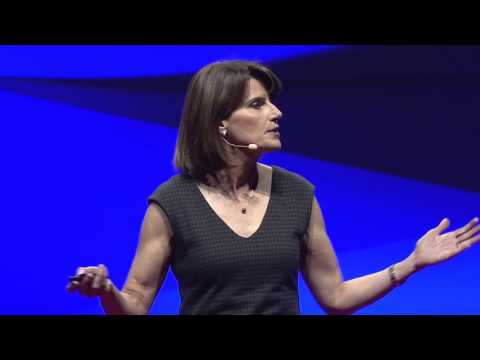
【TEDx】After watching this, your brain will not be the same | Lara Boyd | TEDxVancouver
0
amg772222 posted on 2016/08/30Ever wondered how your brain actually learns and changes? This fascinating TEDx talk dives deep into neuroplasticity, explaining how practice intensity and even brain stimulation can reshape your mind, offering practical insights for learning and recovery! You'll pick up advanced vocabulary and complex sentence structures that are super useful for daily life.
Learn this video on the APP!
The VoiceTube App has more in-depth practice for videos!