
act on
US /ækt ɑn/
UK /ækt ɔn/
- Verb (Transitive/Intransitive)
- To have an effect on something.
- To take formal action or make a decision regarding something.
- Phrasal Verb
- To take action as a result of information received.
- To have an effect on something.
B1Moreaction
US /ˈækʃən/
UK /'ækʃn/
- Noun (Countable/Uncountable)
- Something that a person or thing does
- A lawsuit.
- Intransitive Verb
- To act to do something
A2Moreapart from
US /əˈpɑrt frʌm/
UK /əˈpɑ:t frɔm/
- Preposition
- Except for; not considering
- In addition to; as well as
applause
US /əˈplɔz/
UK /ə'plɔ:z/
- Noun (Countable/Uncountable)
- The sound made by clapping a performance or speech
B1Morearmed
US /ɑːrmd/
UK /ɑ:md/
- Transitive Verb
- To activate a weapon or bomb for use
- To give a gun or other weapon to a person or group
- Adjective
- Having weapons ready to use against others
B1Morearound the world
US /əˈraʊnd ði wɜrld/
UK /əˈraund ðə wɜː(r)ld/
- Phrase
- In or to many countries.
- In various places throughout the world.
A2Moreas well as
US /æz wɛl æz/
UK /æz wel æz/
- Adverb
- Also; in addition to
- Preposition
- In addition to; and also.
A1Moreat home
US /æt hom/
UK /æt həum/
- Phrase
- In one's own residence or country.
- Adjective
- Feeling comfortable and relaxed.
at least
US /æt list/
UK /æt li:st/
- Adverb
- As a minimum
- Not less than
- Phrase
- No less than; at the minimum
- Used to indicate that something is positive in a bad situation.
C2Moreat stake
US /æt stek/
UK /æt steik/
- Phrase
- At risk; that can be lost if something is not successful
- In question; depending on what happens
- Adjective
- At risk; that can be lost if something is not successful.
A1Moreat the outset
US /æt ði ˈaʊtˌsɛt/
UK /æt ðə ˈautset/
- Phrase
- At the very beginning; from the start.
A1Moreat times
US /æt taɪmz/
UK /æt taɪmz/
- Phrase
- Sometimes; occasionally.
A1Morebased on
US
UK
- Phrasal Verb
- To use something as the foundation or starting point for something else.
- Preposition
- Using something as the main idea or foundation.
- Relying on something as evidence or justification.
A1Moreby example
US
UK
- Phrase
- Through demonstration or serving as a model.
- Through one's own behavior and actions, rather than just words.
A2Morecall on
US /kɔl ɑn/
UK /kɔ:l ɔn/
- Phrasal Verb
- To order or ask someone to do a specific activity
- To visit someone
A1Morecivil
US /ˈsɪvəl/
UK /ˈsɪvl/
- Adjective
- Of citizens of a country; not military, criminal
- Acting in a polite, but not truly friendly manner
B1Morecombat
US /kəmˈbæt, ˈkɑmˌbæt/
UK /'kɒmbæt/
- Verb (Transitive/Intransitive)
- To fight someone or something physically
B1Morecome after
US /kʌm ˈæftɚ/
UK /kʌm ˈɑ:ftə/
- Phrasal Verb
- To follow someone in order to threaten them
A1Morecommander
US /kəˈmændə(r)/
UK /kəˈmɑ:ndə(r)/
- Countable Noun
- Person with authority who commands or controls
B1Morecontend with
US /kənˈtɛnd wɪð/
UK /kənˈtend wið/
- Phrasal Verb
- To struggle or deal with something difficult.
coordinate with
US
UK
- Phrasal Verb
- To work together efficiently and harmoniously with someone or a group to achieve a common goal.
cut off
US /kʌt ɔf/
UK /kʌt ɔf/
- Phrasal Verb
- To end a process, e.g. a phone call
- To cut the end of something
- Transitive Verb
- To isolate or prevent access to a place or person.
- To interrupt someone while they are speaking.
A1Moredespite the fact
US
UK
- Preposition
- In spite of; notwithstanding.
- Conjunction
- Even though; although.
A2Morediplomacy
US /dɪˈploməsi/
UK /dɪˈpləʊməsi/
- Uncountable Noun
- Tactful handling of sensitive relationships
- The art and practice of conducting negotiations between nations; skill in handling affairs without arousing hostility.
B2Moredirect
US /dɪˈrɛkt, daɪ-/
UK /də'rekt/
- Transitive Verb
- To tell someone in a very clear way to do something
- To show the way by conducting or leading
- Adverb
- Coming straight from something
A2TOEICMoredo harm
US
UK
- Transitive Verb
- To cause damage or injury.
B2Moredo in
US
UK
- Phrasal Verb
- To make completely tired out and exhausted
- To destroy or cause damage to someone
A1Moredraw in
US /drɔ ɪn/
UK /drɔ: in/
- Phrasal Verb
- To attract or entice someone or something.
- To involve someone in a situation, often unwillingly.
A1Moreeffort
US /ˈɛfət/
UK /ˈefət/
- Uncountable Noun
- Amount of work used trying to do something
- A conscious exertion of power; a try.
A2TOEICMoreexperience in
US
UK
- Phrase
- Knowledge or skill gained from doing something for a period of time.
- Exposure to or involvement in a particular activity or situation.
B1Morefor example
US
UK
- Phrase
- As an illustration or instance.
for the foreseeable
US /fɚ ðə fɔrˈsiəbəl/
UK /fə ðə fɔ:ˈsi:əbl/
- other
- Referring to a time period that can be predicted or expected in the near future.
B2Morefor the sake of
US /fɔr ði sek ʌv/
UK /fɔ: ðə seik ɔv/
- Phrase
- For the purpose of; in the interest of.
A1Moreforce in
US /fɔrs ɪn/
UK /fɔ:rs ɪn/
- other
- To enter a place by applying physical force.
B2Moreforeign
US /ˈfɔ:rən/
UK /ˈfɒrən/
- Adjective
- Being of a different place or country
- Strange; different from ones found at home
A2TOEICMoreglobal
US /ˈgloʊbl/
UK /ˈgləʊbl/
- Adjective
- Concerning, involving, affecting all of something
- Of, affecting, or involving the entire world
A2TOEICMorego it alone
US /goʊ ɪt əˈloʊn/
UK /gəu ɪt əˈləun/
- other
- To act or do something without help or partners.
B2Moregraduate
US /ˈɡrædʒuˌet/
UK /'ɡrædʒʊət/
- Adjective
- Concerning a Masters or Ph.D. university courses
- Relating to studies beyond a bachelor's degree.
- Verb (Transitive/Intransitive)
- To get a degree from school, college, university
- To move up from a position to a higher, better one
A2TOEICMoregrow up
US /ɡro ʌp/
UK /ɡrəu ʌp/
- Phrasal Verb
- To develop from a child into an adult
A1Moreharm
US /hɑrm/
UK /hɑ:m/
- Transitive Verb
- To damage, injure, or hurt someone or something
- Noun
- Damage or injury
A2Morehave to
US /hæv tu/
UK /ˈhæv tə/
- Auxiliary Verb
- Must do
A1Morehistory
US /ˈhɪstəri/
UK /'hɪstrɪ/
- Noun (Countable/Uncountable)
- Established pattern or record
- Study of past events as an academic subject
A2Moreignore
US /ɪɡˈnɔr, -ˈnor/
UK /ɪɡ'nɔ:(r)/
- Transitive Verb
- To not listen to, look at, or pay attention to
A2TOEICMorein danger
US /ɪn ˈdendʒɚ/
UK /in ˈdeindʒə/
- Phrase
- Exposed to the risk of harm, injury, or loss.
- At risk of experiencing something negative or harmful.
A1Morein fact
US /ɪn fækt/
UK /in fækt/
- Adverb
- Used to emphasize the truth of a statement, especially one that contrasts with or contradicts something else.
- Used to introduce a more detailed or surprising piece of information.
- Phrase
- Used to emphasize the truth of a statement, especially one that is surprising or contrary to what might be expected.
C1Morein favor of
US /ɪn ˈfevɚ ʌv/
UK /in ˈfeivə ɔv/
- Phrase
- Expressing support or approval for someone or something.
- To the advantage of; benefiting.
- Preposition
- Supporting or approving of something.
- To the advantage of; to the benefit of.
A1Morein mind
US /ɪn maɪnd/
UK /in maind/
- Phrase
- Being aware of or considering something.
- To remember or consider something.
A2Morein public
US /ɪn ˈpʌblɪk/
UK /in ˈpʌblik/
- Phrase
- In a place where anyone can see or hear you.
- Adjective
- Relating to the government or the people as a whole.
B1Morein school
US /ɪn skul/
UK /ɪn sku:l/
- other
- Attending an educational institution.
A1Morein the face of
US //ɪn ðə feɪs ɑv//
UK
- Phrase
- When confronted with something difficult or challenging.
- Despite; in defiance of; when confronted with.
A1Morein the future
US /ɪn ði ˈfjutʃɚ/
UK /in ðə ˈfju:tʃə/
- Phrase
- At a later time; in times to come.
A1Morein the hands of
US /ɪn ðə ˈhændz ʌv/
UK /in ðə ˈhændz ɔv/
- Preposition
- Under the control or responsibility of someone.
B1Morein the world
US /ɪn ði wɜrld/
UK /in ðə wɜː(r)ld/
- Phrase
- Used to emphasize a question expressing surprise, confusion, or disbelief.
- Used to indicate the extent or degree of something, often in a superlative sense.
A1Morein ways
US
UK
- Phrase
- In a manner or by methods that.
- In certain respects or aspects.
A1Morekeep the peace
US /kip ði pis/
UK /ki:p ðə pi:s/
- Verb (Transitive/Intransitive)
- To maintain order and prevent conflict or disturbance.
- Phrase
- To avoid causing trouble or arguments; maintain order.
A2Morelead on
US
UK
- Phrasal Verb
- To encourage someone to believe something that is not true.
B1Morelead to
US /lid tu/
UK /li:d tu:/
- Phrasal Verb
- To result in some action
- Verb (Transitive/Intransitive)
- To have something as a consequence or result.
A1Moreleadership
US /ˈli:dərʃɪp/
UK /ˈli:dəʃɪp/
- Uncountable Noun
- Quality of being able to guide or influence others
B1Morelook at
US /lʊk æt/
UK /luk æt/
- Phrasal Verb
- To use your eyes to focus on something
- To focus your eyes on something carefully
A1Moremilitary
US /ˈmɪlɪˌtɛri/
UK /'mɪlətrɪ/
- Noun
- Army or armed forces
- Adjective
- Concerning the army or navy
B1Moremove to
US /muv tu/
UK /mu:v tu:/
- Phrasal Verb
- To change the place where you live or work.
- Verb (Transitive/Intransitive)
- To proceed to the next stage or action.
A2Moreno matter
US
UK
- Conjunction
- Regardless of; it does not matter.
- Adverb
- Regardless of; it is not important
A1Morenot surprisingly
US
UK
- Phrase
- In a way that is not unexpected or predictable.
B1Moreon behalf of
US /ɑn bɪˈhæf ʌv/
UK /ɔn biˈhɑ:f ɔv/
- Phrase
- As the representative of someone
- Acting as a representative of.
B1Moreon earth
US /ɑn ɚθ/
UK /ɔn ə:θ/
- Phrase
- Used to emphasize a question expressing surprise or anger.
- Used to emphasize that something is not possible or will not happen.
A1Moreon the other hand
US
UK
- Phrase
- Considering a different aspect of the matter; alternatively.
A1Moreon to
US /ɑn tu/
UK /ɔn tu:/
- Preposition
- Toward something; forward
- Aware of someone's activities.
- Adjective
- Aware of someone's deception or illegal activities.
A1Moreorder in
US
UK
- Phrasal Verb
- To request food from a restaurant to be delivered to one's home or other location.
peace
US /pis/
UK /pi:s/
- Uncountable Noun
- Calm and quiet state
- Time when there is no war or fighting
A2TOEICMoreplay out
US
UK
- Phrasal Verb
- To use up or exhaust
- To develop or happen in a particular way.
A1Moreramp up
US /ræmp ʌp/
UK /ræmp ʌp/
- Phrasal Verb
- To increase the level or amount of something sharply.
reflect on
US /rɪˈflɛkt ɑn/
UK /riˈflekt ɔn/
- Phrasal Verb
- To think deeply or carefully about something.
B2Moresecurity
US /sɪˈkjʊrɪti/sə'kjurətɪ/
UK /sɪ'kjʊərətɪ/
- Noun
- Department in a company in charge of protection
- Financial document, like stocks, bonds and notes
A2TOEICMoreslip away
US /slɪp əˈwe/
UK /slip əˈwei/
- Phrasal Verb
- To leave a place quietly or secretly, often to avoid attention.
- To gradually disappear or be lost.
B1Morestand for
US /stænd fɔr/
UK /stænd fɔ:/
- Phrasal Verb
- To support a particular idea, e.g. in politics
- To represent or symbolize
A1Morestand up against
US /stænd ʌp əˈɡenst/
UK /stænd ʌp əˈɡenst/
- Phrasal Verb
- To resist or oppose someone or something; to defend oneself against an attack or injustice.
A2Morestir up
US /stɚ ʌp/
UK /stə: ʌp/
- Phrasal Verb
- To cause trouble; incite unrest.
- To evoke or awaken (emotions, memories).
A1Moretake off
US /tek ɔf/
UK /teik ɔf/
- Phrasal Verb
- To remove, e.g. your clothes
- To make arrangements to be absent from work
- Verb (Transitive/Intransitive)
- To remove (an item of clothing).
- To depart; to leave.
A1Moreterrorist
US /ˈtɛrərɪst/
UK /ˈterərɪst/
- Noun (Countable/Uncountable)
- Radical who employs terror as a political weapon
- Adjective
- Relating to or characteristic of terrorism or terrorists.
A2Morethanks to
US /θæŋks tu/
UK /θæŋks tu:/
- Preposition
- Because of; as a result of.
A1Morethink about
US /θɪŋk əˈbaʊt/
UK /θiŋk əˈbaut/
- Phrasal Verb
- To consider something carefully.
- To remember or call to mind.
A1Morethreat
US /θrɛt/
UK /θret/
- Noun
- Warning of probable trouble
- A warning that you may be harmed
A2TOEICMorethreat to
US
UK
- Phrase
- A person or thing likely to cause damage or danger.
- A statement of an intention to inflict pain, injury, damage, or other hostile action on someone in retribution for or opposition to something done or not done.
B2Moretogether with
US /təˈɡɛðɚ wɪð/
UK /təˈɡeðə wið/
- Preposition
- In addition to; along with.
- Including; as well as.
A1Moretough questions
US
UK
- Phrase
- Difficult or challenging questions that require careful consideration and honest answers.
turn to
US /tɚn tu/
UK /tə:n tu:/
- Phrasal Verb
- To go to someone for help, advice, or information.
- To start doing or using something, often something bad or undesirable.
A1Moreunited
US /juˈnaɪtɪd/
UK /jʊ'naɪtɪd/
- Verb (Transitive/Intransitive)
- To join or come together for the same goal
- Adjective
- Joined or combined together
A2Moreup against
US /ʌp əˈɡenst/
UK /ʌp əˈɡenst/
- Phrase
- Facing or contending with something difficult or challenging.
- In close proximity or contact with something.
war
US /wɔr/
UK /wɔ:(r)/
- Noun
- Situation where armies fight each other
A2Morework through
US
UK
- Phrasal Verb
- To deal with something systematically until it is completed
- To deal with a problem or difficult situation.
Vocabulary
- have to: Must do
- keep the peace: To maintain order and prevent conflict or disturbance.
- as well as: Also; in addition to
- at home: In one's own residence or country.
- thanks to: Because of; as a result of.
- in the world: Used to emphasize a question expressing surprise, confusion, or disbelief.
- at stake: At risk; that can be lost if something is not successful
- threat to: A person or thing likely to cause damage or danger.
- on behalf of: As the representative of someone
- stand for: To support a particular idea, e.g. in politics
- in school: Attending an educational institution.
- do in: To make completely tired out and exhausted
- reflect on: To think deeply or carefully about something.
- in fact: Used to emphasize the truth of a statement, especially one that contrasts with or contradicts something else.
- slip away: To leave a place quietly or secretly, often to avoid attention.
- think about: To consider something carefully.
- on earth: Used to emphasize a question expressing surprise or anger.
- in public: In a place where anyone can see or hear you.
- in the hands of: Under the control or responsibility of someone.
- do harm: To cause damage or injury.
- at least: As a minimum
- not surprisingly: In a way that is not unexpected or predictable.
- around the world: In or to many countries.
- in the face of: When confronted with something difficult or challenging.
- in the future: At a later time; in times to come.
- come after: To follow someone in order to threaten them
- draw in: To attract or entice someone or something.
- grow up: To develop from a child into an adult
- lead on: To encourage someone to believe something that is not true.
- at the outset: At the very beginning; from the start.
- in danger: Exposed to the risk of harm, injury, or loss.
- tough questions: Difficult or challenging questions that require careful consideration and honest answers.
- on the other hand : Considering a different aspect of the matter; alternatively.
- go it alone: To act or do something without help or partners.
- lead to: To result in some action
- for the foreseeable: Referring to a time period that can be predicted or expected in the near future.
- experience in: Knowledge or skill gained from doing something for a period of time.
- stir up: To cause trouble; incite unrest.
- together with: In addition to; along with.
- move to: To change the place where you live or work.
- force in: To enter a place by applying physical force.
- stand up against: To resist or oppose someone or something; to defend oneself against an attack or injustice.
- up against: Facing or contending with something difficult or challenging.
- contend with: To struggle or deal with something difficult.
- ramp up: To increase the level or amount of something sharply.
- coordinate with: To work together efficiently and harmoniously with someone or a group to achieve a common goal.
- take off: To remove, e.g. your clothes
- turn to: To go to someone for help, advice, or information.
- play out: To use up or exhaust
- work through: To deal with something systematically until it is completed
- for example: As an illustration or instance.
- order in: To request food from a restaurant to be delivered to one's home or other location.
- in mind: Being aware of or considering something.
- on to: Toward something; forward
- by example: Through demonstration or serving as a model.
- call on: To order or ask someone to do a specific activity
- despite the fact: In spite of; notwithstanding.
- no matter: Regardless of; it does not matter.
- act on: To have an effect on something.
- based on: To use something as the foundation or starting point for something else.
- in ways: In a manner or by methods that.
- cut off: To end a process, e.g. a phone call
- look at: To use your eyes to focus on something
- in favor of: Expressing support or approval for someone or something.
- at times: Sometimes; occasionally.
- apart from: Except for; not considering
- for the sake of: For the purpose of; in the interest of.
- people: Persons sharing culture, country, background, etc.
- effort: Amount of work used trying to do something
- applause: The sound made by clapping a performance or speech
- general: Widespread, normal or usual
- force: Group of persons trained for military action; army
- lead: Wire for electricity, computer, etc.; cable
- world: All the humans, events, activities on the earth
- effective: Working efficiently to produce a desired result
- point: An item to be discussed
- direct: To tell someone in a very clear way to do something
- security: Department in a company in charge of protection
- combat: To fight someone or something physically
- country: An area of land that is controlled by a government
- ignore: To not listen to, look at, or pay attention to
- human: A person; a man, woman or child
- military: Army or armed forces
- threat: Warning of probable trouble
- action: Something that a person or thing does
- economy: Using money, resources in a careful, effective way
- help: To act to enable a person to do something; assist
- support: To give assistance or advice to someone
- civil: Of citizens of a country; not military, criminal
- foreign: Being of a different place or country
- American: Person from the USA
- train: Line of people, animals moving the same direction
- history: Established pattern or record
- international: Of or relating to several countries
- graduate: Concerning a Masters or Ph.D. university courses
- terrorist: Radical who employs terror as a political weapon
- harm: To damage, injure, or hurt someone or something
- united: To join or come together for the same goal
- peace: Calm and quiet state
- war: Situation where armies fight each other
- global: Concerning, involving, affecting all of something
- commander: Person with authority who commands or controls
- diplomacy: Tactful handling of sensitive relationships
- armed: To activate a weapon or bomb for use
- leadership: Quality of being able to guide or influence others
Get the full experience in the app
Learn anywhere with detailed sentence and usage analysis
01:03
She took a brave step forward, leaving behind her comfort zone to chase her dreams.
Vocabulary
- brave
adj. Having courage
- comfort zone
phr. A familiar situation where one feels safe
Explanation
a brave step is a noun phrase, where brave is an adjective modifying the noun step, meaning "a courageous step".
forward is an adverb modifying step, meaning "ahead".
The whole phrase serves as the object, answering the "what" of took (verb) — she took a brave step forward.
Get the full experience in the app
Look up words anytime with pronunciation, part of speech, and usage
brave
US/brev/
UK/breɪv/
adj.Brave
v.t.To bravely face
A2 Elementary
Get the full experience in the app
Practice speaking anytime and get instant pronunciation feedback
Try this speaking exercise.
Try practicing with this sentence.
80
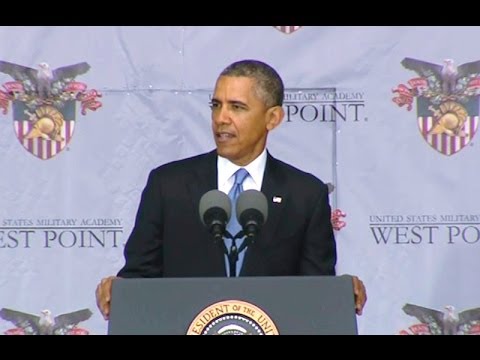
President Obama Speaks to West Point Graduates
0
倪文璞 posted on 2016/08/22President Obama delivers a powerful speech to West Point graduates, reflecting on America's role in a changing world and the challenges ahead. You'll hear insightful commentary on global leadership, international relations, and the importance of service, picking up key phrases for discussing complex geopolitical topics.
Learn this video on the APP!
The VoiceTube App has more in-depth practice for videos!