
access
US /ˈæksɛs/
UK /'ækses/
- Noun (Countable/Uncountable)
- Way to enter a place, e.g. a station or stadium
- The opportunity or right to use something or to see someone.
- Transitive Verb
- To be able to use or have permission to use
A2TOEICMorealong with
US /əˈlɔŋ wɪð/
UK /əˈlɔŋ wið/
- Preposition
- In addition to; together with.
- Adverb
- In company or together with someone or something.
- Including; in addition to.
A2Moreat hand
US /æt hænd/
UK /æt hænd/
- Phrase
- Close by; readily available.
- About to happen; imminent.
- Adjective
- Nearby; easily available
A1Moreat night
US /æt naɪt/
UK /æt nait/
- Phrase
- During the night; in the nighttime.
A1Moreat work
US /æt wɚk/
UK /æt wə:k/
- Phrase
- Located at one's place of employment
A1Moreattention
US /əˈtɛnʃən/
UK /əˈtenʃn/
- Noun (Countable/Uncountable)
- Taking notice of someone or something
- Noun
- (Soldiers) Standing with straight backs
A2TOEICMorebasically
US /ˈbesɪkəli,-kli/
UK /ˈbeɪsɪkli/
- Adverb
- Used before you explain something simply, clearly
- In essence; when you consider the most important aspects of something.
A2Morebasis
US /ˈbesɪs/
UK /ˈbeɪsɪs/
- Noun
- Main ingredient or part of something
- Starting situation, fact, idea to develop from
A2TOEICMorebe with
US /bi wɪð/
UK /bi: wið/
- Phrasal Verb
- To accompany someone; to be in someone's presence.
- To support someone's opinion or cause.
A1Moreblock
US /blɑk/
UK /blɒk/
- Noun (Countable/Uncountable)
- Solid piece of material used for building
- A piece of wood, chocolate etc.
- Transitive Verb
- To stop from going forward or making progress
- To obstruct or prevent the movement or passage of.
A2Morebureaucracy
US /bjʊˈrɑ:krəsi/
UK /bjʊəˈrɒkrəsi/
- Noun (Countable/Uncountable)
- Governing system with many rules and officials
- A system of government or business administration containing many departments, administrators, and complicated rules.
B2Morecare of
US /kɛr ʌv/
UK /kɛə ɔv/
- Preposition
- Used in an address to indicate the person who will receive the mail for someone else.
A2Morecarry out
US /ˈkæri aʊt/
UK /ˈkæri aut/
- Phrasal Verb
- To fulfill or perform your instructions, duty
- Verb (Transitive/Intransitive)
- To perform or execute a task, order, or plan.
- To remove something or someone from a place.
A1Morecleavage
US /ˈklivɪdʒ/
UK /ˈkli:vɪdʒ/
- Noun
- The narrow space between a woman's breasts, that is seen when she wears a piece of clothing that does not cover the top of them
B2Moreclock in
US
UK
- Phrasal Verb
- To record the time of one's arrival at work, typically using a time clock.
A1Morecome along
US /kʌm əˈlɔŋ/
UK /kʌm əˈlɔŋ/
- Phrasal Verb
- To go with someone who takes the lead
- To make progress toward a goal
A1Moreconservative
US /kənˈsɚvətɪv/
UK /kənˈsɜ:vətɪv/
- Adjective
- (Of an estimate, price) set fairly low
- Resistant to change
- Noun
- Person with traditional ideas; doesn't like change
B1Morecontact
US /ˈkɑnˌtækt/
UK /'kɒntækt/
- Adjective
- Touching or feeling something
- Noun (Countable/Uncountable)
- Touching or feeling something
- Object that allows electricity to run through it
A2Morecorner
US /ˈkɔrnɚ/
UK /'kɔ:nə(r)/
- Transitive Verb
- To force into a position impossible to escape from
- Noun (Countable/Uncountable)
- Place where two lines, sides, corners etc. meet
- Edges of something, e.g. eyes, boxing ring
A2Morecouple
US /ˈkʌpəl/
UK /'kʌpl/
- Transitive Verb
- To join something to something else
- (Two animals) to engage in sexual relations
- Noun (Countable/Uncountable)
- Two people in a romantic relationship
- Two of something; two people; a pair
A2Moredatum
US /ˈdetəm, ˈdætəm, ˈdɑtəm/
UK /ˈdeɪtəm/
- Noun
- Item of factual information
B1Moredecide
US /dɪˈsaɪd/
UK /dɪ'saɪd/
- Verb (Transitive/Intransitive)
- To make a choice or choose after thinking about it
- To make a legal judgment in court
A2TOEICMoredepending on
US
UK
- Phrasal Verb
- To rely on for support (financial or emotional)
- Influenced or determined by.
- Preposition
- Subject to; contingent on
- Relying on someone or something for support or assistance.
A2Moredisappointed
US /ˌdɪsəˈpɔɪntɪd/
UK /ˌdɪsəˈpɔɪntɪd/
- Transitive Verb
- To not meet the expectations of others or yourself
- Adjective
- Feeling you did not meet expectations
- Feeling let down by someone's actions or behavior.
B1Moredown with
US /daʊn wɪð/
UK /daun wið/
- Adjective
- Suffering from an illness.
- Agreeable to; in favor of.
- Interjection
- An expression of opposition to something.
A1Moreexpectation
US /ˌɛkspɛkˈteʃən/
UK /ˌekspekˈteɪʃn/
- Noun (Countable/Uncountable)
- Belief or hope that something is going to happen
- A belief that someone should behave in a particular way.
A2TOEICMorefor instance
US /fɔr ˈɪnstəns/
UK /fɔ: ˈinstəns/
- Adverb
- As an example.
- Phrase
- As an example.
- As an illustration or case in point
B1Morefortnight
US /ˈfɔ:rtnaɪt/
UK /ˈfɔ:tnaɪt/
- Noun
- A period of two weeks
B1Morefundamentally
US /ˌfʌndəˈmɛntl:ɪ/
UK /ˌfʌndəˈmentəli/
- Adverb
- In a basic and important way
- In a complete and thorough way
B1Moregoing on
US /ˈɡoɪŋ ɑn/
UK /ˈgəʊɪŋ ɔn/
- Phrasal Verb
- To continue doing something
- To happen (usually negative)
A1Moregoodnight
US /ˌɡʊdˈnaɪt/
UK /ˌɡʊd'naɪt/
- Interjection
- (Said as you go to bed, leave someone at night)
B2Morehave to
US /hæv tu/
UK /ˈhæv tə/
- Auxiliary Verb
- Must do
A1Morein fact
US /ɪn fækt/
UK /in fækt/
- Adverb
- Used to emphasize the truth of a statement, especially one that contrasts with or contradicts something else.
- Used to introduce a more detailed or surprising piece of information.
- Phrase
- Used to emphasize the truth of a statement, especially one that is surprising or contrary to what might be expected.
C1Morein school
US /ɪn skul/
UK /ɪn sku:l/
- other
- Attending an educational institution.
A1Moreinstance
US /ˈɪnstəns/
UK /'ɪnstəns/
- Noun (Countable/Uncountable)
- An example of something; case
- An occurrence of something.
- Transitive Verb
- To give as an example of something else
A2TOEICMoreinstant
US /ˈɪnstənt/
UK /ˈɪnstənt/
- Adjective
- (Food) requiring very little preparation
- Occurring immediately
- Noun
- A very short period of time
A2TOEICMoreintimacy
US /ˈɪntəməsi/
UK /'ɪntɪməsɪ/
- Uncountable Noun
- The sharing of private and personal things
B2Morelook at
US /lʊk æt/
UK /luk æt/
- Phrasal Verb
- To use your eyes to focus on something
- To focus your eyes on something carefully
A1Moremedieval
US /ˌmidiˈivəl/
UK /ˌmediˈi:vl/
- Adjective
- Old or out of date and not of much use
- Relating to the Middle Ages (approximately 5th to 15th century).
B1Moremobile
US /ˈmoʊbl/
UK /'məʊbaɪl/
- Adjective
- Able to be moved or able to move
- Able to move easily from one job, place, or social class to another.
- Countable Noun
- Personal phone you take with you wherever you go
- A decorative structure that is suspended so as to turn freely in the air.
B1Morenorm
US /nɔ:rm/
UK /nɔ:m/
- Noun (Countable/Uncountable)
- Standard or regular way of doing something
- An established standard of performance or behavior
- Transitive Verb
- To make something average (statistics)
B1Moreof course
US /ʌv kɔː(r)s/
UK /ɔv kɔː(r)s/
- Adverb
- Sure ; Certainly
- Phrase
- For sure; certainly
A2Moreon a regular basis
US //ɑn ə ˈrɛgjələr ˈbeɪsəs//
UK
- Phrase
- Happening frequently or at regular intervals.
B1Morepercent
US /pɚˈsɛnt/
UK /pə'sent/
- Adverb
- One one-hundredth of a whole; the symbol %
- Noun (Countable/Uncountable)
- A proportion multiplied by 100
- A specified amount in every hundred
A2TOEICMorephone in
US /foʊn ɪn/
UK /fəʊn ɪn/
- other
- Call someone by phone, often to report or notify remotely.
B2Morepossibility
US /ˌpɑsəˈbɪlɪti/
UK /ˌpɒsə'bɪlətɪ/
- Uncountable Noun
- Something with a chance of happening or being true
A2TOEICMorerandom
US /ˈrændəm/
UK /'rændəm/
- Adjective
- Chosen, done without a particular plan or pattern
B1Moreregular
US /ˈrɛɡjəlɚ/
UK /ˈregjələ(r)/
- Adjective
- Having an equal amount of space or time in between
- Occurring or being done frequently
- Noun (Countable/Uncountable)
- Customers who frequently visit a place
- Soldier who has a permanent job in the army
A2TOEICMoreresearch
US /rɪˈsɚtʃ, ˈriˌsɚtʃ/
UK /rɪ'sɜ:tʃ/
- Verb (Transitive/Intransitive)
- To study in order to discover new ideas and facts
- To study the market relating to marketing products and services.
- Noun (Countable/Uncountable)
- Study done to discover new ideas and facts
- A particular area or topic of study.
A2TOEICMorescreen in
US /skrin ɪn/
UK /skri:n ɪn/
- other
- To enclose a space with a screen or mesh.
B2Moreset up
US /sɛt ʌp/
UK /set ʌp/
- Phrasal Verb
- To make arrangements for something; establish
- Verb (Transitive/Intransitive)
- To arrange or prepare something for use.
- To start a business, organization, etc.
A1Moresphere
US /sfɪr/
UK /sfɪə(r)/
- Noun (Countable/Uncountable)
- Area of interest or activity
- A round 3D object shaped like a ball
B1Moresuch as
US /sʌtʃ æz/
UK /sʌtʃ æz/
- Preposition
- For example; like
A1Moretake out
US /tek aʊt/
UK /teik aut/
- Phrasal Verb
- To apply for and get a license
- To take someone on a date
- Uncountable Noun
- Food purchased at a restaurant to eat elsewhere.
A1Moreteam building
US
UK
- Noun (Countable/Uncountable)
- The action or process of causing a team to work together more effectively.
- A management strategy focused on improving team performance and cohesion.
A2Morethink of
US /θɪŋk ʌv/
UK /θiŋk ɔv/
- Phrasal Verb
- To look on as (being something specific); consider
- To consider or remember something.
- Verb (Transitive/Intransitive)
- To imagine or call something to mind
A1Moreto do with
US
UK
- Phrasal Verb
- To be about something; concern
A1Moreused to
US /juzd tu/
UK /ˈju:st tə/
- Adjective
- Did regularly before, but don't do now
- Auxiliary Verb
- Have done before, but do not do now
A1Morework on
US /wɚk ɑn/
UK /wə:k ɔn/
- Phrasal Verb
- To devote effort to improve or develop something
- To try to persuade or influence someone.
A1More
Vocabulary
- in fact: Used to emphasize the truth of a statement, especially one that contrasts with or contradicts something else.
- on a regular basis: Happening frequently or at regular intervals.
- clock in: To record the time of one's arrival at work, typically using a time clock.
- going on: To continue doing something
- at work: Located at one's place of employment
- for instance: As an example.
- work on: To devote effort to improve or develop something
- phone in: Call someone by phone, often to report or notify remotely.
- along with: In addition to; together with.
- come along: To go with someone who takes the lead
- such as: For example; like
- depending on: To rely on for support (financial or emotional)
- look at: To use your eyes to focus on something
- at night: During the night; in the nighttime.
- screen in: To enclose a space with a screen or mesh.
- set up
- to do with: To be about something; concern
- at hand: Close by; readily available.
- used to: Did regularly before, but don't do now
- be with: To accompany someone; to be in someone's presence.
- team building: The action or process of causing a team to work together more effectively.
- have to: Must do
- of course: Sure ; Certainly
- carry out
- think of: To look on as (being something specific); consider
- take out: To apply for and get a license
- in school: Attending an educational institution.
- care of: Used in an address to indicate the person who will receive the mail for someone else.
- down with: Suffering from an illness.
- sort: To organize things by putting them into groups
- basically: Used before you explain something simply, clearly
- access: Way to enter a place, e.g. a station or stadium
- people: Persons sharing culture, country, background, etc.
- couple: To join something to something else
- random: Chosen, done without a particular plan or pattern
- work: The product of some artistic or literary endeavor
- attention: Taking notice of someone or something
- instance: An example of something; case
- research: To study in order to discover new ideas and facts
- contact: Touching or feeling something
- instant: (Food) requiring very little preparation
- day: A period of 24 hours beginning at midnight
- fact: Something that is known or proved to be true
- expectation: Belief or hope that something is going to happen
- regular: Having an equal amount of space or time in between
- intimacy: The sharing of private and personal things
- live: To be alive
- private: Being away from others and quiet
- number: Symbols such as 1, 2, 56, 793
- block: Solid piece of material used for building
- story: One of many floors or levels in a building
- public: Owned by the government
- norm: Standard or regular way of doing something
- top: To be higher or larger than a specific value
- manage: To survive hardships and difficulties; to cope
- modern: Of the present time; up to date; contemporary
- decide: To make a choice or choose after thinking about it
- basis: Main ingredient or part of something
- conservative: (Of an estimate, price) set fairly low
- corner: To force into a position impossible to escape from
- daily: Happening every day
- percent: One one-hundredth of a whole; the symbol %
- possibility: Something with a chance of happening or being true
- fundamentally: In a basic and important way
- medieval: Old or out of date and not of much use
- mobile: Able to be moved or able to move
- disappointed: To not meet the expectations of others or yourself
- cleavage: The narrow space between a woman's breasts, that is seen when she wears a piece of clothing that does not cover the top of them
- sphere: Area of interest or activity
- bureaucracy: Governing system with many rules and officials
- datum: Item of factual information
- fortnight: A period of two weeks
- goodnight: (Said as you go to bed, leave someone at night)
Get the full experience in the app
Learn anywhere with detailed sentence and usage analysis
01:03
She took a brave step forward, leaving behind her comfort zone to chase her dreams.
Vocabulary
- brave
adj. Having courage
- comfort zone
phr. A familiar situation where one feels safe
Explanation
a brave step is a noun phrase, where brave is an adjective modifying the noun step, meaning "a courageous step".
forward is an adverb modifying step, meaning "ahead".
The whole phrase serves as the object, answering the "what" of took (verb) — she took a brave step forward.
Get the full experience in the app
Look up words anytime with pronunciation, part of speech, and usage
brave
US/brev/
UK/breɪv/
adj.Brave
v.t.To bravely face
A2 Elementary
Get the full experience in the app
Practice speaking anytime and get instant pronunciation feedback
Try this speaking exercise.
Try practicing with this sentence.
80
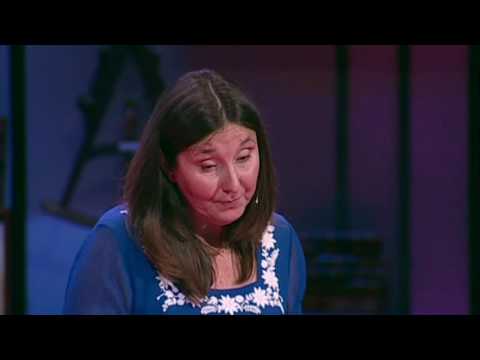
【TED】Stefana Broadbent: How the Internet enables intimacy (Stefana Broadbent: How the Internet enables intimacy)
0
Ken Wang posted on 2016/08/09Ever wonder how the internet changes our closest relationships? This fascinating talk explores how digital tools are reshaping intimacy and connection in surprising ways. You'll pick up advanced vocabulary related to sociology and digital communication, perfect for understanding our modern world!
Learn this video on the APP!
The VoiceTube App has more in-depth practice for videos!