
above all
US /əˈbʌv ɔl/
UK /əˈbʌv ɔ:l/
- Phrase
- Most importantly; more than anything else.
A1Moreanti
US /ˈæntaɪ, -ti/
UK /'æntɪ/
- Adjective
- A prefix meaning 'against' or 'opposed'
B2Moreassume
US /əˈsum/
UK /ə'sju:m/
- Transitive Verb
- To act in a false manner to mislead others
- To believe, based on the evidence; suppose
A2TOEICMoreat least
US /æt list/
UK /æt li:st/
- Adverb
- As a minimum
- Not less than
- Phrase
- No less than; at the minimum
- Used to indicate that something is positive in a bad situation.
C2Morebarren
US /ˈbærən/
UK /ˈbærən/
- Adjective
- (Of a woman) not able to have children
- (Of land) infertile
B2TOEICMorecapital
US /ˈkæpɪtl/
UK /'kæpɪtl/
- Noun
- Writing the first letter of a word in big letters
- Official main city of a country, province or state
- Adjective
- Main, or major
- (Of an offense) liable to the death penalty.
A2Morecloser than
US
UK
- Phrase
- Nearer in distance compared to something else.
- Having a stronger emotional bond compared to someone else.
A1Morecommitted
US /kəˈmɪtɪd/
UK /kə'mɪtɪd/
- Transitive Verb
- To do something bad, usually a crime
- To promise your permanent love or loyalty (to)
- Adjective
- Feeling dedication and loyalty to a cause, activity, or job; dedicated.
A2Moreconvinced
US /kənˈvɪnst/
UK /kənˈvɪnst/
- Transitive Verb
- To persuade someone, or make them feel sure
- Adjective
- Persuaded to feel sure of something
A2Morecut through
US /kʌt θru/
UK /kʌt θru:/
- Phrasal Verb
- To pass or go directly through something, often overcoming an obstacle.
- To overcome resistance or opposition effectively.
- Verb (Transitive/Intransitive)
- To make a path or opening by cutting.
- To deeply affect someone's emotions or defenses.
defend
US /dɪˈfɛnd/
UK /dɪ'fend/
- Transitive Verb
- To protect and explain your position in court
- To protect against an attack
B1TOEICMorediscover
US /dɪˈskʌvɚ/
UK /dɪˈskʌvə(r)/
- Transitive Verb
- To find something new that was not known before
- To learn or find out (something previously unknown or secret).
A2TOEICMoredrum up
US /drʌm ʌp/
UK /drʌm ʌp/
- Phrasal Verb
- To try to get support or interest from people for something.
A2Moreencounter
US /ɛnˈkaʊntɚ/
UK /ɪn'kaʊntə(r)/
- Verb (Transitive/Intransitive)
- To come up against a problem or trouble; meet
- To meet someone or something unexpectedly
- Noun
- A chance meeting; unexpected or unplanned meeting
B1TOEICMoreenemy
US /ˈɛnəmi/
UK /ˈenəmi/
- Noun
- Something that stops you doing what you want
- Group, or people, you are opposed to
A2Morefeel like
US
UK
- Intransitive Verb
- To have a desire or inclination for something.
- To have a particular quality or sensation; resemble.
A1Morefigure out
US /ˈfɪɡjɚ aʊt/
UK /ˈfiɡə aut/
- Phrasal Verb
- To understand the behavior of someone
- To think through logically to find a solution
- Verb (Transitive/Intransitive)
- To understand or find an answer to something.
- To find a solution to a problem or understand something.
A1Morefor example
US
UK
- Phrase
- As an illustration or instance.
for the most part
US
UK
- Phrase
- Generally; mostly; on the whole.
- Mostly; generally; in most cases.
A1Moreforeign
US /ˈfɔ:rən/
UK /ˈfɒrən/
- Adjective
- Being of a different place or country
- Strange; different from ones found at home
A2TOEICMorefoul
US /faʊl/
UK /faʊl/
- Adjective
- Terrible in smell, taste, appearance or morals
- Dirty or filthy.
- Noun
- An unfair or illegal act, especially in sports.
B2Moregood call
US
UK
- Noun
- A wise or correct decision; a sensible choice.
- Interjection
- An expression of agreement or approval for a suggestion or decision.
A2Moreguilty
US /ˈɡɪlti/
UK /'ɡɪltɪ/
- Adjective
- Responsible for doing something wrong
- Feeling or showing guilt; having a sense of remorse.
A2TOEICMorehandwriting
US /ˈhændˌraɪtɪŋ/
UK /ˈhændraɪtɪŋ/
- Uncountable Noun
- Way a person's writing looks
B2Morein action
US
UK
- Phrase
- Actively doing something; performing a task or duty.
in fact
US /ɪn fækt/
UK /in fækt/
- Adverb
- Used to emphasize the truth of a statement, especially one that contrasts with or contradicts something else.
- Used to introduce a more detailed or surprising piece of information.
- Phrase
- Used to emphasize the truth of a statement, especially one that is surprising or contrary to what might be expected.
C1Morein other words
US
UK
- Phrase
- Stating something in a different way, often to make it clearer or more understandable.
in prison
US /ɪn ˈprɪzən/
UK /in ˈprizən/
- Phrase
- Confined in a prison; incarcerated.
in school
US /ɪn skul/
UK /ɪn sku:l/
- other
- Attending an educational institution.
A1Moreinstead of
US /ɪnˈstɛd ʌv/
UK /inˈsted ɔv/
- Preposition
- When one thing is replaced by another
- Adverb
- As a substitute or alternative.
A1Moreintrigue
US /ˈɪnˌtriɡ, ɪnˈtriɡ/
UK /ɪnˈtri:g/
- Transitive Verb
- To make someone interested or curious
- To make secret plans to do something illicit or detrimental to someone.
- Noun (Countable/Uncountable)
- Secret plan; the act of making a secret plan
B1TOEICMorelaunch
US /lɔntʃ, lɑntʃ/
UK /lɔ:ntʃ/
- Noun
- Starting a new project; introducing new product
- Act of firing rockets into the air
- Transitive Verb
- To start a new project; start selling a product
- To put a rocket into the air
A2TOEICMorememo
US /ˈmɛmo/
UK /'meməʊ/
- Noun
- Brief note or message left for another person
B2TOEICMorememory
US /ˈmɛməri/
UK /'memərɪ/
- Noun (Countable/Uncountable)
- Ability of the mind to call back past things
- Space for the storage of information on a computer
A2Moremotivated
US /ˈmotɪvetɪd/
UK /'məʊtɪveɪtɪd/
- Transitive Verb
- To give someone a reason, the will to do something
- Adjective
- Being enthusiastic to do something
- Having a strong reason or desire to do something.
A2Moreofficer
US /ˈɔ:fɪsə(r)/
UK /ˈɒfɪsə(r)/
- Noun (Countable/Uncountable)
- Person of high position in an organization
- Person of high position in the military
B1Morepersonally
US /ˈpəsənəli/
UK /ˈpɜ:sənəli/
- Adverb
- By a specific person, and not by anyone else
- Knowing someone as a friend, or closely
A2Moreprison
US /ˈprɪzən/
UK /'prɪzn/
- Noun (Countable/Uncountable)
- Place the court puts criminals as punishment; jail
- A state of confinement or captivity.
A2Moreregardless of
US /rɪˈɡɑrdlɪs ʌv/
UK /riˈɡɑ:dlis ɔv/
- Phrase
- Preposition
- Without being affected or influenced by something; despite.
A2Moreroot
US /rut, rʊt/
UK /ru:t/
- Noun (Countable/Uncountable)
- Emotional connection with a place, history etc.
- The origin or starting place of something
- Transitive Verb
- To cause a plant to develop or grow roots
- (Animals) to search for e.g. food in earth
A2Morescout
US /skaʊt/
UK /skaʊt/
- Verb (Transitive/Intransitive)
- To watch or search for something or someone
B2Moresoldier
US /ˈsoldʒɚ/
UK /'səʊldʒə(r)/
- Countable Noun
- Person working in an army to fight
B1Morespend
US /spɛnd/
UK /spend/
- Transitive Verb
- To use money to pay for something
- To use time in order to do something
A2TOEICMorespy
US /spaɪ/
UK /spaɪ/
- Noun
- Person who gets secret information about an enemy
- Verb (Transitive/Intransitive)
- To try to get secrets about an enemy country
- To secretly watch someone or something
B1TOEICMorethink about
US /θɪŋk əˈbaʊt/
UK /θiŋk əˈbaut/
- Phrasal Verb
- To consider something carefully.
- To remember or call to mind.
A1Morethink of
US /θɪŋk ʌv/
UK /θiŋk ɔv/
- Phrasal Verb
- To look on as (being something specific); consider
- To consider or remember something.
- Verb (Transitive/Intransitive)
- To imagine or call something to mind
A1Moreunconscious
US /ʌnˈkɑnʃəs/
UK /ʌnˈkɒnʃəs/
- Adjective
- Not aware of what is going on around you
- Not being deliberate or on purpose
- Uncountable Noun
- The part of the mind that contains thoughts and feelings that one is not aware of.
B1Morewind up
US //ˈwaɪndˌʌp//
UK //ˈwaɪndˌʌp//
- Phrasal Verb
- To be brought to a state of great tension
- To close or finalize something
- Verb (Transitive/Intransitive)
- To arrive or end up in a particular state, situation, or place, especially unintentionally.
- To bring something to an end; to conclude or finish something.
A1More
Vocabulary
- above all: Most importantly; more than anything else.
- for example: As an illustration or instance.
- at least: As a minimum
- in prison: Confined in a prison; incarcerated.
- instead of: When one thing is replaced by another
- regardless of
- think of: To look on as (being something specific); consider
- in action: Actively doing something; performing a task or duty.
- in school: Attending an educational institution.
- for the most part: Generally; mostly; on the whole.
- feel like: To have a desire or inclination for something.
- good call: A wise or correct decision; a sensible choice.
- think about: To consider something carefully.
- wind up: To be brought to a state of great tension
- closer than: Nearer in distance compared to something else.
- figure out: To understand the behavior of someone
- cut through: To pass or go directly through something, often overcoming an obstacle.
- in fact: Used to emphasize the truth of a statement, especially one that contrasts with or contradicts something else.
- drum up: To try to get support or interest from people for something.
- in other words: Stating something in a different way, often to make it clearer or more understandable.
- assume: To act in a false manner to mislead others
- mind: To be bothered or upset by something
- mindset: Way someone things about something
- evidence: Factual proof that helps to establish the truth
- sentence: (Of a judge) to decide the punishment of
- good: Proper, appropriate or right
- feel: To be aware of or experience an emotion, sensation
- reason: To think and make conclusions in a logical manner
- encounter: To come up against a problem or trouble; meet
- learn: To get knowledge or skills by study or experience
- find: To become aware of something that is happening
- capital: Writing the first letter of a word in big letters
- call: A order or request for action
- fair: Neither very good nor very bad; average
- wrong: Action that is harmful, unjust or illegal
- information: Collection of facts and details about something
- spend: To use money to pay for something
- launch: Starting a new project; introducing new product
- root: Emotional connection with a place, history etc.
- unconscious: Not aware of what is going on around you
- guilty: Responsible for doing something wrong
- motivated: To give someone a reason, the will to do something
- memory: Ability of the mind to call back past things
- study: To focus on learning something usually at school
- case: Container used to carry things, e.g. clothes
- enemy: Something that stops you doing what you want
- committed: To do something bad, usually a crime
- personally: By a specific person, and not by anyone else
- foreign: Being of a different place or country
- prison: Place the court puts criminals as punishment; jail
- discover: To find something new that was not known before
- convinced: To persuade someone, or make them feel sure
- defend: To protect and explain your position in court
- intrigue: To make someone interested or curious
- anti: A prefix meaning 'against' or 'opposed'
- foul: Terrible in smell, taste, appearance or morals
- scout: To watch or search for something or someone
- soldier: Person working in an army to fight
- spy: Person who gets secret information about an enemy
- officer: Person of high position in an organization
- barren: (Of a woman) not able to have children
- handwriting: Way a person's writing looks
- memo: Brief note or message left for another person
Get the full experience in the app
Learn anywhere with detailed sentence and usage analysis
01:03
She took a brave step forward, leaving behind her comfort zone to chase her dreams.
Vocabulary
- brave
adj. Having courage
- comfort zone
phr. A familiar situation where one feels safe
Explanation
a brave step is a noun phrase, where brave is an adjective modifying the noun step, meaning "a courageous step".
forward is an adverb modifying step, meaning "ahead".
The whole phrase serves as the object, answering the "what" of took (verb) — she took a brave step forward.
Get the full experience in the app
Look up words anytime with pronunciation, part of speech, and usage
brave
US/brev/
UK/breɪv/
adj.Brave
v.t.To bravely face
A2 Elementary
Get the full experience in the app
Practice speaking anytime and get instant pronunciation feedback
Try this speaking exercise.
Try practicing with this sentence.
80
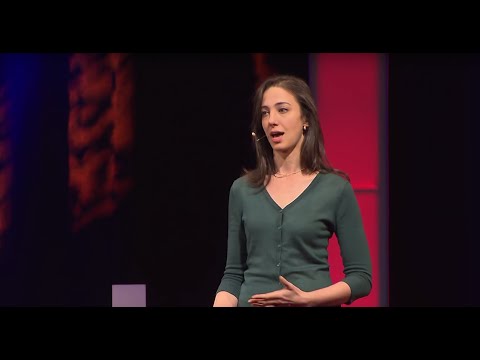
【TEDx】Why "scout mindset" is crucial to good judgment | Julia Galef | TEDxPSU
0
chloe posted on 2016/08/10Ever wonder why we get stuck in our own opinions? This fascinating TEDx talk explores the "scout mindset" versus the "soldier mindset" and how it impacts our judgment, using a compelling historical case study. You'll pick up advanced vocabulary and learn practical ways to improve your decision-making skills!
Learn this video on the APP!
The VoiceTube App has more in-depth practice for videos!