
acne
US /ˈækni/
UK /ˈækni/
- Uncountable Noun
- Red spots or pimples on your face
B2Moreallergic
US /əˈlədʒɪk/
UK /əˈlɜ:dʒɪk/
- Adjective
- Of or having a reaction to an allergy
B2Moreat least
US /æt list/
UK /æt li:st/
- Adverb
- As a minimum
- Not less than
- Phrase
- No less than; at the minimum
- Used to indicate that something is positive in a bad situation.
C2Morebalance out
US /ˈbæləns aʊt/
UK /ˈbæləns aut/
- Phrasal Verb
- To make or become more equal to another thing
A2Morebased on
US
UK
- Phrasal Verb
- To use something as the foundation or starting point for something else.
- Preposition
- Using something as the main idea or foundation.
- Relying on something as evidence or justification.
A1Morebuild up
US /bɪld ʌp/
UK /bild ʌp/
- Phrasal Verb
- To increase the amount; collect something
- To develop or increase something in stages
- Verb (Transitive/Intransitive)
- To increase or develop something gradually.
- To praise or encourage someone.
A1Moreby any means
US
UK
- Phrase
- In any way possible, regardless of the method
- Whatever is necessary to achieve something.
A1Moreclear up
US /klɪr ʌp/
UK /kliə ʌp/
- Phrasal Verb
- To tidy things away, e.g. dirty dishes after meal
- To explain something in an understandable way
A1Morecover up
US /ˈkʌvɚ ʌp/
UK /ˈkʌvə ʌp/
- Phrasal Verb
- To hide something bad; conceal
- To put on warmer clothes; to protect oneself from the cold.
A1Morecut back
US /kʌt bæk/
UK /kʌt bæk/
- Phrasal Verb
- To use less of something
- To reduce your use of something; reduce amount
A1Moredepending on
US
UK
- Phrasal Verb
- To rely on for support (financial or emotional)
- Influenced or determined by.
- Preposition
- Subject to; contingent on
- Relying on someone or something for support or assistance.
A2Moredirt
US /dɚt/
UK /dɜ:t/
- Uncountable Noun
- Loose earth or soil
- A substance, such as mud or dust, that makes something dirty.
- Countable Noun
- A track made of compacted earth or soil.
A2Moredry skin
US
UK
- Uncountable Noun
- A skin condition characterized by a lack of moisture in the skin, often causing itching, scaling, and cracking.
A2Morefeel like
US
UK
- Intransitive Verb
- To have a desire or inclination for something.
- To have a particular quality or sensation; resemble.
A1Morefeel right
US
UK
- Intransitive Verb
- To seem correct or appropriate; to give a sense of being morally or ethically sound.
A1Morefix the problem
US
UK
- Transitive Verb
- To find a solution to a problem; to repair something that is broken.
A1Morefound out
US
UK
- Phrasal Verb
- To learn or discover something, often after some effort.
- To become known; be revealed.
B2Morefreak out
US /frik aʊt/
UK /fri:k aut/
- Phrasal Verb
- To react or behave in a wild or irrational way
- To become very anxious, upset, or afraid; to panic.
- Intransitive Verb
- To experience or display extreme emotions, such as fear or panic.
- To have a very disturbing and frightening experience caused by taking drugs.
B2Moregive in
US /ɡɪv ɪn/
UK /ɡiv in/
- Phrasal Verb
- To submit work; hand in
- To stop resisting; to surrender
A1Morego over all
US
UK
- Phrasal Verb
- To review or examine every part of something carefully.
A2Morehave on
US /hæv ɑn/
UK /hæv ɔn/
- Phrasal Verb
- To be wearing something.
- To deceive or trick someone, often in a playful way.
A1Morehave to
US /hæv tu/
UK /ˈhæv tə/
- Auxiliary Verb
- Must do
A1Morein a while
US /ɪn e hwaɪl/
UK /in ə hwail/
- Phrase
- In a short period of time; soon.
- For a short period of time; soon.
A2Morein turn
US
UK
- Adverb
- One after the other in a sequence or rotation.
A1Moreinstead of
US /ɪnˈstɛd ʌv/
UK /inˈsted ɔv/
- Preposition
- When one thing is replaced by another
- Adverb
- As a substitute or alternative.
A1Morejust kind of
US
UK
- Phrase
- Used to express a feeling or state in a vague or hesitant way.
- Used to indicate something is approximately or generally similar to something else.
A2Morekind of lost
US
UK
- Phrase
- Slightly confused or disoriented; not knowing exactly where one is or what to do.
- Feeling without purpose or direction in life; uncertain about one's goals or path.
A1Morelock in
US
UK
- Phrasal Verb
- To secure something, such as a price or deal, for a specific period.
- To confine someone or something in a place by locking the door.
A1Morelook at
US /lʊk æt/
UK /luk æt/
- Phrasal Verb
- To use your eyes to focus on something
- To focus your eyes on something carefully
A1Moremake up
US /mek ʌp/
UK /meik ʌp/
- Phrasal Verb
- To invent or create a story
- To add up to
- Verb (Transitive/Intransitive)
- To invent a story, excuse, etc.
- To compensate for something lost, missed, or deficient.
A1Moremakeup
US /ˈmekˌʌp/
UK /'meɪkʌp/
- Uncountable Noun
- Substance put on the face to make you look pretty
- The way in which something is formed or composed.
- Transitive Verb
- To invent or fabricate something.
- To compensate for something.
B2Moremethod
US /ˈmɛθəd/
UK /'meθəd/
- Noun (Countable/Uncountable)
- (Organized and planned) way of doing something
- Orderliness of thought, arrangement, or behavior.
A2TOEICMoreoily skin
US
UK
- Noun (Countable/Uncountable)
- Skin that produces an excess amount of sebum, leading to a greasy appearance.
B1Moreon and off
US /ɑn ənd ɔf/
UK /ɔn ænd ɔf/
- Adverb
- Intermittently; not continuously.
- Adjective
- Characterized by periods of involvement and separation.
A1Moreonce in a while
US //wʌns ɪn ə waɪl//
UK
- Phrase
- Occasionally; not very often.
- Occasionally; not very often.
A2Moreout of it
US /aʊt ʌv ɪt/
UK /aut ɔv it/
- Adjective
- Unconscious or not completely alert; dazed or confused.
- Not able to think clearly or react quickly; not with it.
A1Moreout there
US /aʊt ðɛr/
UK /aut ðɛə/
- Adverb
- In or to a place that is far away
- Existing in the universe
- Adjective
- Unconventional; strange; avant-garde
- Existing or available.
A1Morerid
US /rɪd/
UK /rɪd/
- Transitive Verb
- To cause to no longer have (pest, problem)
- Adjective
- Freed or delivered from something.
A2Morerub
US /rʌb/
UK /rʌb/
- Transitive Verb
- To spread a cream, etc., using a repeated motion
- To move something back and forth along a surface
- Noun
- Act of moving you hand forcefully along a surface
B1Morerub in
US /rʌb ɪn/
UK /rʌb ɪn/
- other
- To emphasize something unpleasant for someone repeatedly.
- To apply and massage lotion or ointment into the skin.
B2Moreskin
US /skɪn/
UK /skɪn/
- Transitive Verb
- To defeat someone easily and completely
- To hurt yourself, accidentally cutting yourself
- Noun
- Outer covering of an animal used for leather; hide
- Outer covering of a fruit or vegetable
A2Moresqueeze
US /skwiz/
UK /skwi:z/
- Noun (Countable/Uncountable)
- Amount of liquid from firmly pressing e.g. orange
- Act of putting pressure on, as to get liquid out
- Transitive Verb
- To force or threaten someone to give you something
- To strongly compress something to get liquid out
C1Moresuffer from
US /ˈsʌfɚ frʌm/
UK /ˈsʌfə frɔm/
- Intransitive Verb
- To experience pain or distress; to be badly affected by.
A1Morethink back
US /θɪŋk bæk/
UK /θiŋk bæk/
- Phrasal Verb
- To recapture the past
A1Morethink of
US /θɪŋk ʌv/
UK /θiŋk ɔv/
- Phrasal Verb
- To look on as (being something specific); consider
- To consider or remember something.
- Verb (Transitive/Intransitive)
- To imagine or call something to mind
A1Moreused to
US /juzd tu/
UK /ˈju:st tə/
- Adjective
- Did regularly before, but don't do now
- Auxiliary Verb
- Have done before, but do not do now
A1Morewake up
US /wek ʌp/
UK /weik ʌp/
- Phrasal Verb
- To stop sleeping
- To become fully aware and alert to a situation.
A1Morewant in
US
UK
- Intransitive Verb
- To desire to participate or be included in something.
A1More
Vocabulary
- have to: Must do
- at least: As a minimum
- clear up: To tidy things away, e.g. dirty dishes after meal
- freak out: To react or behave in a wild or irrational way
- dry skin: A skin condition characterized by a lack of moisture in the skin, often causing itching, scaling, and cracking.
- oily skin: Skin that produces an excess amount of sebum, leading to a greasy appearance.
- out there: In or to a place that is far away
- in turn: One after the other in a sequence or rotation.
- out of it: Unconscious or not completely alert; dazed or confused.
- think of: To look on as (being something specific); consider
- give in: To submit work; hand in
- fix the problem: To find a solution to a problem; to repair something that is broken.
- wake up: To stop sleeping
- kind of lost: Slightly confused or disoriented; not knowing exactly where one is or what to do.
- just kind of: Used to express a feeling or state in a vague or hesitant way.
- found out: To learn or discover something, often after some effort.
- instead of: When one thing is replaced by another
- suffer from: To experience pain or distress; to be badly affected by.
- on and off: Intermittently; not continuously.
- think back: To recapture the past
- cover up: To hide something bad; conceal
- by any means: In any way possible, regardless of the method
- balance out: To make or become more equal to another thing
- look at: To use your eyes to focus on something
- depending on: To rely on for support (financial or emotional)
- have on: To be wearing something.
- based on: To use something as the foundation or starting point for something else.
- want in: To desire to participate or be included in something.
- feel right: To seem correct or appropriate; to give a sense of being morally or ethically sound.
- used to: Did regularly before, but don't do now
- build up: To increase the amount; collect something
- rub in: To emphasize something unpleasant for someone repeatedly.
- go over all: To review or examine every part of something carefully.
- feel like: To have a desire or inclination for something.
- cut back: To use less of something
- in a while: In a short period of time; soon.
- once in a while: Occasionally; not very often.
- make up: To invent or create a story
- lock in: To secure something, such as a price or deal, for a specific period.
- kind: In a caring and helpful manner
- start: First time or place that a thing exists; beginning
- method: (Organized and planned) way of doing something
- rid: To cause to no longer have (pest, problem)
- squeeze: Amount of liquid from firmly pressing e.g. orange
- water: Clear liquid that forms the seas, rivers and rain
- rub: To spread a cream, etc., using a repeated motion
- product: Item that can be bought
- worse: Comparative of 'bad'; more bad
- dirt: Loose earth or soil
- allergic: Of or having a reaction to an allergy
- acne: Red spots or pimples on your face
- dry: (Of humor) clever, but not obvious; ironic
- skin: To defeat someone easily and completely
- makeup: Substance put on the face to make you look pretty
Get the full experience in the app
Learn anywhere with detailed sentence and usage analysis
01:03
She took a brave step forward, leaving behind her comfort zone to chase her dreams.
Vocabulary
- brave
adj. Having courage
- comfort zone
phr. A familiar situation where one feels safe
Explanation
a brave step is a noun phrase, where brave is an adjective modifying the noun step, meaning "a courageous step".
forward is an adverb modifying step, meaning "ahead".
The whole phrase serves as the object, answering the "what" of took (verb) — she took a brave step forward.
Get the full experience in the app
Look up words anytime with pronunciation, part of speech, and usage
brave
US/brev/
UK/breɪv/
adj.Brave
v.t.To bravely face
A2 Elementary
Get the full experience in the app
Practice speaking anytime and get instant pronunciation feedback
Try this speaking exercise.
Try practicing with this sentence.
80
0
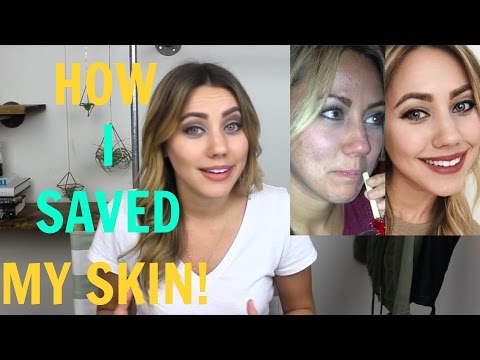
Ann posted on 2016/07/19Tired of harsh acne treatments? Dive into this beginner-friendly guide on the oil cleansing method, perfect for tackling everything from cystic acne to general breakouts! You'll learn practical skincare routine tips and pick up useful vocabulary for discussing beauty and personal care.
Learn this video on the APP!
The VoiceTube App has more in-depth practice for videos!