
artificial
US /ˌɑrtəˈfɪʃəl/
UK /ˌɑ:tɪ'fɪʃl/
- Adjective
- Dishonest, to seem fake, not sincere
- (Something) made by people; not created by nature
B1TOEICMoreas follows
US
UK
- Phrase
- Used to introduce a list or explanation.
A1Morechauffeur
US /ˈʃofɚ, ʃoˈfɚ/
UK /'ʃəʊfə(r)/
- Noun
- Person employed to drive someone around in a car
- Transitive Verb
- To drive (someone) in a car.
B2Morecherish
US /ˈtʃɛrɪʃ/
UK /ˈtʃerɪʃ/
- Transitive Verb
- To care a lot about or love someone or something
- To remember or keep something with a lot of care
B1Moreconquer
US /ˈkɑŋkɚ/
UK /'kɒŋkə(r)/
- Transitive Verb
- To take possession of (land, city) with an army
- To beat something difficult, e.g. a fear; overcome
B2Moreconstant
US /ˈkɑnstənt/
UK /'kɒnstənt/
- Adjective
- Happening frequently or without pause
- Remaining the same over time or not changing.
- Noun
- Thing that happens always or at a regular rate
- A physical quantity that is believed to have a fixed value and is used in calculations.
A2TOEICMoredevastating
US
UK
- Transitive Verb
- To cause extensive destruction or ruin utterly
- Adjective
- Destroying everything; very shocking
- Causing great emotional pain or shock.
B1Moredignity
US /ˈdɪgnəti/
UK /ˈdɪgnəti/
- Noun
- Person of high rank deserving respect
- Quality or state of deserving respect
B1TOEICMoredisaster
US /dɪˈzæstɚ, -ˈsæs-/
UK /dɪ'zɑ:stə(r)/
- Noun (Countable/Uncountable)
- State of extreme ruin and misfortune
- A complete failure.
- Uncountable Noun
- A situation that has gone terribly wrong.
A2Moredisdain
US /dɪsˈden/
UK /dɪs'deɪn/
- Uncountable Noun
- Lack of respect because you think you are better
- Transitive Verb
- To show contempt for (and so refuse to do)
B2TOEICMoredistinctive
US /dɪˈstɪŋktɪv/
UK /dɪˈstɪŋktɪv/
- Adjective
- Having a quality that is different from others
- Having a quality or characteristic that makes a person or thing different from others; easily distinguishable.
A2TOEICMoreditch
US /dɪtʃ/
UK /dɪtʃ/
- Transitive Verb
- To abandon or give up a plan, etc.
- To land an airplane in water due to an emergency
- Countable Noun
- Long, shallow hole used for drainage or irrigation
B1Moreelevate
US /ˈɛləˌvet/
UK /ˈelɪveɪt/
- Transitive Verb
- To make something higher
- To raise something in status, importance, feeling
B2Moreemerge
US /ɪˈmɚdʒ/
UK /ɪ'mɜ:dʒ/
- Intransitive Verb
- To rise or appear out of some background
- To become known or apparent.
A2TOEICMoreemerged as
US
UK
- Phrasal Verb
- To become known or apparent; to come forth as.
B2Moreemotional
US /ɪˈmoʃənəl/
UK /ɪˈməʊʃənl/
- Adjective
- Causing, feeling, or appealing to the emotions
- Relating to or characterized by emotion
A2Moreencourage
US /ɛnˈkɚrɪdʒ, -ˈkʌr-/
UK /ɪn'kʌrɪdʒ/
- Transitive Verb
- To increase the chance of something happening
- To make someone more determined or confident
A2TOEICMoreera
US /'ɪrə/
UK /'ɪərə/
- Noun
- Period characterized by particular events, people
- A major division of geological time, usually divided into periods.
B1Moreetiquette
US /ˈɛtɪˌkɛt, -kɪt/
UK /ˈetɪket/
- Uncountable Noun
- Rules regarding manners or good behavior
B2Moreexpression
US /ɪkˈsprɛʃən/
UK /ɪk'spreʃn/
- Noun (Countable/Uncountable)
- Act of making your thoughts and feelings known
- Group of words that have a specific meaning
A2TOEICMoreextraordinary
US /ɪkˈstrɔ:rdəneri/
UK /ɪkˈstrɔ:dnri/
- Adjective
- Beyond what is ordinary; very unusual; remarkable
- Additional to or different from what is usual or regular.
B1TOEICMoreflaw
US /flɔ/
UK /flɔ:/
- Noun (Countable/Uncountable)
- Quality that makes something imperfect
- A weakness or undesirable quality.
- Transitive Verb
- To impair, damage, or spoil.
B1TOEICMorefor example
US
UK
- Phrase
- As an illustration or instance.
fuse
US /fjuz/
UK /fju:z/
- Noun
- Device connected to and making a bomb explode
- Electrical safety device
- Verb (Transitive/Intransitive)
- (Metal) to become one through heat contact
- To become combined; unite.
B2Morehave to
US /hæv tu/
UK /ˈhæv tə/
- Auxiliary Verb
- Must do
A1Morehousehold
US /ˈhaʊsˌhold/
UK /'haʊshəʊld/
- Adjective
- Being in everyday use; common
- Relating to a house or home.
- Noun (Countable/Uncountable)
- Concerning a home
- Family or other group living together in a house
B1Moreideology
US /ˌaɪdiˈɑlədʒi, ˌɪdi-/
UK /ˌaɪdɪ'ɒlədʒɪ/
- Uncountable Noun
- Ideas or beliefs which form theory and policy
B1TOEICMorein circulation
US /ɪn ˌsɚkjəˈleʃən/
UK /in ˌsə:kjuˈleiʃən/
- Adjective
- Available and being used by the public.
- Being passed from person to person.
A1Morein order to
US /ɪn ˈɔrdɚ tu/
UK /in ˈɔ:də tu:/
- Preposition
- For the purpose of; with the aim of.
- Phrase
- In a specific sequence or arrangement.
- With the aim of; for the purpose of.
C1Morein the first place
US
UK
- Phrase
- To begin with; as the first point or consideration.
- From the beginning; initially.
A1Morein the way
US /ɪn ði we/
UK /in ðə wei/
- Phrase
- Obstructing someone or something; hindering progress.
- Stored or placed so as to be available or ready when needed.
A1Moreintellectual
US /ˌɪntlˈɛktʃuəl/
UK /ˌɪntəˈlektʃuəl/
- Noun (Countable/Uncountable)
- connected with or using a person’s ability to think in a logical way and understand things
- a person who is well educated and enjoys activities in which they have to think seriously about things
- Adjective
- Relating to the intellect or mental understanding.
- Appealing to or requiring the use of the intellect.
B1Moreintensity
US /ɪnˈtɛnsɪti/
UK /ɪn'tensətɪ/
- Uncountable Noun
- Great energy, strength, or concentration
- The quality of being intense; the degree or amount of strength, force, etc.
A2TOEICMoreintuition
US /ˌɪntuˈɪʃən, -tju-/
UK /ˌɪntjuˈɪʃn/
- Noun (Countable/Uncountable)
- Natural ability to guess or feel things
B2Moreintuitively
US /ɪnˈtjuɪtɪvlɪ/
UK /ɪn'tju:ɪtɪvlɪ/
- Adverb
- In a manner based on feelings rather than facts
B2Morelaundry
US /ˈlɔndri, ˈlɑn-/
UK /'lɔ:ndrɪ/
- Noun (Countable/Uncountable)
- Business or room to wash bed sheets, clothes etc.
- Clothes etc., that are to be washed, already washed
B2Moreloneliness
US /ˈlonlɪnɪs/
UK /'ləʊnlɪnəs/
- Uncountable Noun
- State of feeling sad because you are alone
- A feeling of being isolated from others, even when surrounded by people.
B2Morelook at
US /lʊk æt/
UK /luk æt/
- Phrasal Verb
- To use your eyes to focus on something
- To focus your eyes on something carefully
A1Moremanifest
US /ˈmænəˌfɛst/
UK /'mænɪfest/
- Countable Noun
- List of cargo on a ship
- Transitive Verb
- To express or show clearly
- Display or show (a quality or feeling) by one's acts or appearance; demonstrate.
B1TOEICMoremature
US /məˈtʃʊr/
UK /məˈtʃʊə(r)/
- Adjective
- Behaving like an adult
- Being fully developed physically
- Intransitive Verb
- (Wine, cheese) To age to improve its taste
A2Moreon the floor
US
UK
- Phrase
- Located on the ground or bottom surface of a room.
- Actively participating in dancing or other floor-based activities.
A1Moreon the rocks
US
UK
- Phrase
- Served with ice cubes.
- Idiom
- Experiencing difficulties and likely to fail.
A2Moreordinary
US /ˈɔ:rdneri/
UK /'ɔ:dnrɪ/
- Adjective
- Normal or usual
- Of the rank of ordinary seaman.
- Noun
- An ecclesiastical judge or official having ordinary jurisdiction in a given area.
- Any of several simple and basic geometrical figures.
A2TOEICMoreovercome
US /ˌovɚˈkʌm/
UK /ˌəʊvə'kʌm/
- Transitive Verb
- To succeed in a struggle against; defeat
- Participle
- Past participle of overcome; to have successfully dealt with or controlled a problem or feeling.
A2TOEICMorepassionate
US /ˈpæʃənɪt/
UK /ˈpæʃənət/
- Adjective
- Being easily excited to strong emotions
- Having strong sexual desires
A2Morepiece together
US /pis təˈɡɛðɚ/
UK /pi:s təˈɡeðə/
- Transitive Verb
- To assemble or put together from fragments or parts.
- Phrasal Verb
- To assemble or construct something from individual parts or pieces.
- To try to understand something by considering all the separate facts or pieces of information that you have.
A1Morepractical
US /ˈpræktɪkəl/
UK /ˈpræktɪkl/
- Adjective
- Relating to what is sensible, real or useful
- Relating to experience, action, or practice; not theoretical or ideal.
- Noun
- A practical exam or lesson.
- A person concerned chiefly with the practice of something; a person with practical skills.
A2TOEICMorepremium
US /ˈprimiəm/
UK /ˈpri:miəm/
- Adjective
- Having a higher than normal quality
- Relating to or denoting a higher quality or more expensive product.
- Noun
- Money paid as a fee for insurance
- An additional sum of money paid above the usual price.
B1TOEICMorepreviously
US /ˈprivɪəslɪ/
UK /'pri:vɪəslɪ/
- Adverb
- At an earlier time
- In the past; formerly.
B1TOEICMorerather than
US
UK
- Adverb
- More exactly; more correctly
- Preferably; instead
- Preposition
- Instead of
A1Morerelationship
US /rɪˈleʃənˌʃɪp/
UK /rɪˈleɪʃnʃɪp/
- Noun (Countable/Uncountable)
- Connection between two or more people or things
- Way people interact or live with each other
A2TOEICMorespeak to
US /spik tu/
UK /spi:k tu:/
- Verb (Transitive/Intransitive)
- To address or communicate with someone.
- To indicate or suggest something; to be relevant to.
A1Moresuccession
US /səkˈsɛʃən/
UK /səkˈseʃn/
- Uncountable Noun
- Act of officially taking over someone's position
- Things that happen one after another in a series
B2Moresupreme
US /sʊˈprim/
UK /su:ˈpri:m/
- Adjective
- Greatest in degree/nature/quality; absolute best
- Holding the highest power, status or authority
B1Moresurgeon
US /ˈsɜrdʒən/
UK /'sɜ:dʒən/
- Countable Noun
- A doctor who performs surgery
B2Moresynonymous
US /sɪˈnɑnəməs/
UK /sɪˈnɒnɪməs/
- Adjective
- Having the same meaning as another word
B2Moretemplate
US /ˈtɛmplɪt/
UK /'templeɪt/
- Noun
- Shape that is used as a pattern to make something
- Something used as a model to produce many copies
B2Moretogether with
US /təˈɡɛðɚ wɪð/
UK /təˈɡeðə wið/
- Preposition
- In addition to; along with.
- Including; as well as.
A1Moretrivial
US /ˈtrɪviəl/
UK /'trɪvɪəl/
- Adjective
- Small; unimportant; worthless
- Easy and simple
B2TOEICMoreunique
US /juˈnik/
UK /jʊ'ni:k/
- Adjective
- Unlike other things; being the only one like it
- Remarkably special or unusual.
A2TOEICMore
Vocabulary
- have to: Must do
- in order to: For the purpose of; with the aim of.
- emerged as: To become known or apparent; to come forth as.
- as follows: Used to introduce a list or explanation.
- together with: In addition to; along with.
- speak to: To address or communicate with someone.
- rather than: More exactly; more correctly
- on the rocks: Served with ice cubes.
- in the way: Obstructing someone or something; hindering progress.
- in the first place: To begin with; as the first point or consideration.
- piece together: To assemble or put together from fragments or parts.
- for example: As an illustration or instance.
- in circulation: Available and being used by the public.
- on the floor: Located on the ground or bottom surface of a room.
- look at: To use your eyes to focus on something
- extraordinary: Beyond what is ordinary; very unusual; remarkable
- constant: Happening frequently or without pause
- expression: Act of making your thoughts and feelings known
- devastating: To cause extensive destruction or ruin utterly
- realize: To become aware of or understand mentally
- passionate: Being easily excited to strong emotions
- practical: Relating to what is sensible, real or useful
- artificial: Dishonest, to seem fake, not sincere
- manifest: List of cargo on a ship
- intuition: Natural ability to guess or feel things
- intellectual: connected with or using a person’s ability to think in a logical way and understand things
- emotional: Causing, feeling, or appealing to the emotions
- unique: Unlike other things; being the only one like it
- conquer: To take possession of (land, city) with an army
- imagine: To think creatively about; form mental picture of
- relationship: Connection between two or more people or things
- trivial: Small; unimportant; worthless
- flaw: Quality that makes something imperfect
- dignity: Person of high rank deserving respect
- encourage: To increase the chance of something happening
- overcome: To succeed in a struggle against; defeat
- etiquette: Rules regarding manners or good behavior
- intensity: Great energy, strength, or concentration
- ordinary: Normal or usual
- distinctive: Having a quality that is different from others
- disaster: State of extreme ruin and misfortune
- mature: Behaving like an adult
- emerge: To rise or appear out of some background
- ditch: To abandon or give up a plan, etc.
- premium: Having a higher than normal quality
- synonymous: Having the same meaning as another word
- household: Being in everyday use; common
- laundry: Business or room to wash bed sheets, clothes etc.
- accept: To agree to receive or take something offered
- era: Period characterized by particular events, people
- cherish: To care a lot about or love someone or something
- ideology: Ideas or beliefs which form theory and policy
- discuss: To talk about seriously or in great detail
- template: Shape that is used as a pattern to make something
- previously: At an earlier time
- supreme: Greatest in degree/nature/quality; absolute best
- sound: Sensible, dependable and reliable
- order: Religious or social group, as of nuns
- promise: To say you will certainly do something
- intuitively: In a manner based on feelings rather than facts
- surgeon: A doctor who performs surgery
- loneliness: State of feeling sad because you are alone
- change: To exchange one set of clothes for another
- person: Man, woman or child
- understand: To know the meaning of language, what someone says
- succession: Act of officially taking over someone's position
- fuse: Device connected to and making a bomb explode
- elevate: To make something higher
- choose: To select; decide between several possibilities
- post: To send a letter or package using stamps
- belong: To be a welcomed as a new member of a group
- special: Being additional or extra
- chauffeur: Person employed to drive someone around in a car
- disdain: Lack of respect because you think you are better
- call: A order or request for action
Get the full experience in the app
Learn anywhere with detailed sentence and usage analysis
01:03
She took a brave step forward, leaving behind her comfort zone to chase her dreams.
Vocabulary
- brave
adj. Having courage
- comfort zone
phr. A familiar situation where one feels safe
Explanation
a brave step is a noun phrase, where brave is an adjective modifying the noun step, meaning "a courageous step".
forward is an adverb modifying step, meaning "ahead".
The whole phrase serves as the object, answering the "what" of took (verb) — she took a brave step forward.
Get the full experience in the app
Look up words anytime with pronunciation, part of speech, and usage
brave
US/brev/
UK/breɪv/
adj.Brave
v.t.To bravely face
A2 Elementary
Get the full experience in the app
Practice speaking anytime and get instant pronunciation feedback
Try this speaking exercise.
Try practicing with this sentence.
80
0
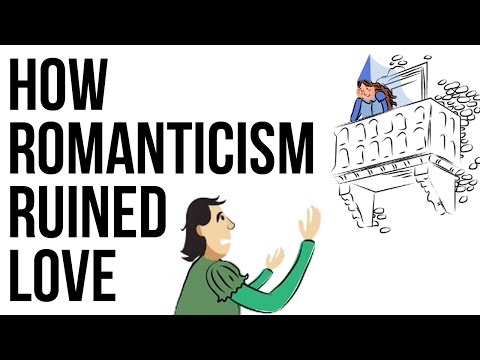
VoiceTube posted on 2023/08/22Ever wondered if romantic ideals have actually made love harder? This video dives into the history of Romanticism and its surprising impact on modern relationships, offering a fresh, 'post-romantic' perspective. You'll pick up some advanced vocabulary and gain a deeper cultural understanding of love and marriage!
Learn this video on the APP!
The VoiceTube App has more in-depth practice for videos!