
alternate
US /ˈɔ:ltərnət/
UK /ɔ:lˈtɜ:nət/
- Intransitive Verb
- To follow one thing after another repeatedly
B2TOEICMoreapartment
US /əˈpɑ:rtmənt/
UK /əˈpɑ:tmənt/
- Countable Noun
- Set of rooms to live in on one floor of a building
A2TOEICMorearrive at
US /əˈraɪv æt/
UK /əˈraiv æt/
- Phrasal Verb
- To reach a place, especially at the end of a journey.
- To reach a conclusion or decision after thinking about something.
A2Moreas well as
US /æz wɛl æz/
UK /æz wel æz/
- Adverb
- Also; in addition to
- Preposition
- In addition to; and also.
A1Morebug
US /bʌɡ/
UK /bʌɡ/
- Transitive Verb
- To bother someone
- To hide an electronic device to spy on someone
- Countable Noun
- An insect
- Problem in the functioning of computer code
B1Morecheck out
US /tʃɛk aʊt/
UK /tʃek aut/
- Phrase
- Phrasal Verb
- To find out information about something
- To take books out of a library
A1Morecome back
US /kʌm bæk/
UK /kʌm bæk/
- Phrasal Verb
- To reply to someone, often forcefully
- To be remembered
A1Morecon man
US
UK
- Countable Noun
- A person who deceives or swindles others, especially in order to gain money.
contrast with
US /ˈkɑntræst wɪð/
UK /ˈkɔntræst wið/
- Phrasal Verb
- To be strikingly different from something else.
A1Moredistrict
US /ˈdɪstrɪkt/
UK /'dɪstrɪkt/
- Noun (Countable/Uncountable)
- Area of a country, city, or town
- A region or area known for a particular activity, industry, or feature.
A2Moredue to
US /du tu/
UK /dju: tu:/
- Preposition
- Because of; owing to
- Adjective
- Attributable to; caused by.
A1Morefall out
US /fɔl aʊt/
UK /fɔ:l aut/
- Phrasal Verb
- To stop being friends with; have a disagreement
A1Morefall through
US
UK
- Phrasal Verb
- (Of plans, arrangements etc.) to fail to happen
- (Of a planned thing) to not happen or be completed
A1Morefilm
US /fɪlm/
UK /fɪlm/
- Noun (Countable/Uncountable)
- Thin layer that covers something
- Movie
- Transitive Verb
- To record moving action with a camera
A2Morefind out about
US
UK
- Phrasal Verb
- To look for information to learn about it
A1Morefirst up
US /fɚst ʌp/
UK /fə:st ʌp/
- Phrase
- Firstly; to begin with; the first item on a list or agenda.
A1Morefor example
US
UK
- Phrase
- As an illustration or instance.
give away
US /ɡɪv əˈwe/
UK /ɡiv əˈwei/
- Phrase
- Phrasal Verb
- To let others have something you own
- To tell (a secret)
A1Moregot to
US /ɡɑt tu/
UK /gɔt tu:/
- Verb (Transitive/Intransitive)
- To arrive at some place
- To have the opportunity or permission to do something
- Phrasal Verb
- To appeal to the emotions of; move
- To finally begin to start something after a delay
A1Moregrow up
US /ɡro ʌp/
UK /ɡrəu ʌp/
- Phrasal Verb
- To develop from a child into an adult
A1Morehanging out
US
UK
- Phrasal Verb
- To spend time with your friends
- To spend times with friends or relax doing nothing
A2Morehave to
US /hæv tu/
UK /ˈhæv tə/
- Auxiliary Verb
- Must do
A1Morehome in
US /ˈhoʊm ɪn/
UK /ˈhəum ɪn/
- other
- Move or direct toward a specific target or goal.
B2Morein fact
US /ɪn fækt/
UK /in fækt/
- Adverb
- Used to emphasize the truth of a statement, especially one that contrasts with or contradicts something else.
- Used to introduce a more detailed or surprising piece of information.
- Phrase
- Used to emphasize the truth of a statement, especially one that is surprising or contrary to what might be expected.
C1Morein favour of
US /ɪn ˈfevɚ ʌv/
UK /in ˈfeivə ɔv/
- Phrase
- Preposition
- Supporting or approving of something.
A2Morein peace
US /ɪn pis/
UK /in pi:s/
- Phrase
- In a state of tranquility, without disturbance or conflict.
- In a state of non-war, without armed conflict.
B1Morein the end
US /ɪn ði ɛnd/
UK /in ðə end/
- Phrase
- Finally; after a period of time or series of events.
- Ultimately; as the final result or consequence.
A1Morein the scene
US
UK
- Phrase
- Present at the location where something is happening or has happened.
- Actively participating in a performance or dramatic situation.
A1Morein use
US /ɪn juz/
UK /in ju:z/
- Adjective
- Being used at the present time.
A2Moreknow about
US /noʊ əˈbaʊt/
UK /nəʊ əˈbaut/
- Phrasal Verb
- To have information or understanding of a subject or situation.
lead on
US
UK
- Phrasal Verb
- To encourage someone to believe something that is not true.
B1Morelocation
US /loʊˈkeɪʃn/
UK /ləʊˈkeɪʃn/
- Noun (Countable/Uncountable)
- Particular position or area of place, event, etc.
- A place away from a studio where film or television shots are made.
B1TOEICMorelook at
US /lʊk æt/
UK /luk æt/
- Phrasal Verb
- To use your eyes to focus on something
- To focus your eyes on something carefully
A1Moreof course
US /ʌv kɔː(r)s/
UK /ɔv kɔː(r)s/
- Adverb
- Sure ; Certainly
- Phrase
- For sure; certainly
A2Moreon the ground
US
UK
- Phrase
- Located on the surface of the earth.
- Present and available in a particular place, especially to deal with a situation.
out there
US /aʊt ðɛr/
UK /aut ðɛə/
- Adverb
- In or to a place that is far away
- Existing in the universe
- Adjective
- Unconventional; strange; avant-garde
- Existing or available.
A1Morepop concert
US
UK
- Countable Noun
- A concert featuring popular music.
rather than
US
UK
- Adverb
- More exactly; more correctly
- Preferably; instead
- Preposition
- Instead of
A1Morescene
US /sin/
UK /si:n/
- Noun
- Incident where someone behaves angrily, badly
- View that looks like a picture
A2TOEICMoresee in
US /si ɪn/
UK /si: in/
- Phrasal Verb
- To accompany someone to the entrance of a building or room.
A1Moresubway station
US
UK
- Noun
- A station where passengers can board or exit a subway train.
A1Moresuch as
US /sʌtʃ æz/
UK /sʌtʃ æz/
- Preposition
- For example; like
A1Moretogether with
US /təˈɡɛðɚ wɪð/
UK /təˈɡeðə wið/
- Preposition
- In addition to; along with.
- Including; as well as.
A1Moreused to
US /juzd tu/
UK /ˈju:st tə/
- Adjective
- Did regularly before, but don't do now
- Auxiliary Verb
- Have done before, but do not do now
A1Moreversion
US /ˈvɚʒən, -ʃən/
UK /ˈvə:ʃən/
- Noun
- Different way that someone interprets something
- New or different form of something
A2TOEICMorewatering hole
US
UK
- Noun
- A place where animals regularly go to drink.
- A place, such as a bar, where people go to drink and socialize.
A1Morewild
US /waɪld/
UK /waɪld/
- Adverb
- In a manner which lacks control
- Adjective
- Living in nature; not tame
- (Of land) not developed by people
A2Morework on
US /wɚk ɑn/
UK /wə:k ɔn/
- Phrasal Verb
- To devote effort to improve or develop something
- To try to persuade or influence someone.
A1More
Vocabulary
- see in: To accompany someone to the entrance of a building or room.
- rather than: More exactly; more correctly
- in the scene: Present at the location where something is happening or has happened.
- of course: Sure ; Certainly
- for example: As an illustration or instance.
- out there: In or to a place that is far away
- in the end: Finally; after a period of time or series of events.
- check out
- work on: To devote effort to improve or develop something
- look at: To use your eyes to focus on something
- come back: To reply to someone, often forcefully
- give away
- have to: Must do
- first up: Firstly; to begin with; the first item on a list or agenda.
- grow up: To develop from a child into an adult
- fall out
- arrive at: To reach a place, especially at the end of a journey.
- home in: Move or direct toward a specific target or goal.
- in fact: Used to emphasize the truth of a statement, especially one that contrasts with or contradicts something else.
- in use: Being used at the present time.
- on the ground: Located on the surface of the earth.
- contrast with: To be strikingly different from something else.
- con man: A person who deceives or swindles others, especially in order to gain money.
- lead on: To encourage someone to believe something that is not true.
- hanging out: To spend time with your friends
- together with: In addition to; along with.
- got to: To arrive at some place
- used to: Did regularly before, but don't do now
- find out about: To look for information to learn about it
- such as: For example; like
- due to: Because of; owing to
- as well as: Also; in addition to
- subway station: A station where passengers can board or exit a subway train.
- in peace: In a state of tranquility, without disturbance or conflict.
- watering hole: A place where animals regularly go to drink.
- fall through: (Of plans, arrangements etc.) to fail to happen
- in favour of
- pop concert: A concert featuring popular music.
- know about: To have information or understanding of a subject or situation.
- scene: Incident where someone behaves angrily, badly
- version: Different way that someone interprets something
- film: Thin layer that covers something
- district: Area of a country, city, or town
- wild: In a manner which lacks control
- food: What people and animals eat to live
- fast: In a way that is difficult to move or change
- bug: To bother someone
- apartment: Set of rooms to live in on one floor of a building
- location: Particular position or area of place, event, etc.
- movie: Motion picture; film
- final: Last game in a series in a competition
- alternate: To follow one thing after another repeatedly
- police: People, often in uniforms, who solve crimes
- father: A male parent
Get the full experience in the app
Learn anywhere with detailed sentence and usage analysis
01:03
She took a brave step forward, leaving behind her comfort zone to chase her dreams.
Vocabulary
- brave
adj. Having courage
- comfort zone
phr. A familiar situation where one feels safe
Explanation
a brave step is a noun phrase, where brave is an adjective modifying the noun step, meaning "a courageous step".
forward is an adverb modifying step, meaning "ahead".
The whole phrase serves as the object, answering the "what" of took (verb) — she took a brave step forward.
Get the full experience in the app
Look up words anytime with pronunciation, part of speech, and usage
brave
US/brev/
UK/breɪv/
adj.Brave
v.t.To bravely face
A2 Elementary
Get the full experience in the app
Practice speaking anytime and get instant pronunciation feedback
Try this speaking exercise.
Try practicing with this sentence.
80
0
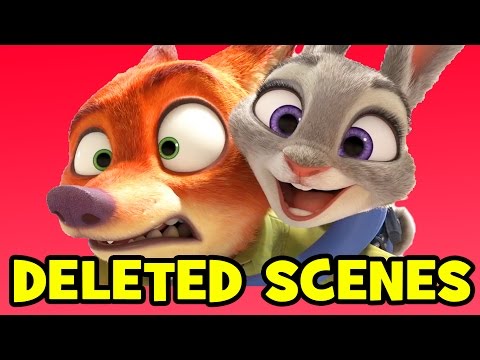
Jennifer posted on 2016/06/16Ever wondered what Zootopia could have been? Dive into the fascinating deleted scenes and rejected concepts from the beloved Disney movie, and you'll pick up some awesome advanced vocabulary along the way! This is a fantastic chance to explore behind-the-scenes magic while boosting your English skills.
Learn this video on the APP!
The VoiceTube App has more in-depth practice for videos!