
action
US /ˈækʃən/
UK /'ækʃn/
- Noun (Countable/Uncountable)
- Something that a person or thing does
- A lawsuit.
- Intransitive Verb
- To act to do something
A2Moreactual
US /ˈæktʃuəl/
UK /ˈæktʃuəl/
- Adjective
- Real or existing in fact, not imagined; real
- Current; existing at the present time.
A2TOEICMoreas long as
US /æz lɔŋ æz/
UK /æz lɔŋ æz/
- Conjunction
- For the period that; provided that.
- For the length of time that
- Preposition
- On the condition that; providing that.
- Having the same length as.
A1Morebasically
US /ˈbesɪkəli,-kli/
UK /ˈbeɪsɪkli/
- Adverb
- Used before you explain something simply, clearly
- In essence; when you consider the most important aspects of something.
A2Morechannel
US /ˈtʃænəl/
UK /'tʃænl/
- Noun (Countable/Uncountable)
- Long hole dug in the ground, e.g. to move water
- TV or radio station or its programs
- Transitive Verb
- To dig a long hole for carrying water
- To send (e.g. money) to a certain place or person
B1Morecheck out
US /tʃɛk aʊt/
UK /tʃek aut/
- Phrase
- Phrasal Verb
- To find out information about something
- To take books out of a library
A1Moreclause
US /klɔz/
UK /klɔ:z/
- Noun
- Part of a sentence that has its own verb
- Specific term or demand in a legal agreement
B1Morecondition
US /kənˈdɪʃən/
UK /kənˈdɪʃn/
- Transitive Verb
- To improve something to make it better
- To cause to behave automatically in a certain way
- Noun (Countable/Uncountable)
- Disease or other medical problem
- The state of living you are in, e.g. good health
A2Moreconditional
US /kənˈdɪʃənəl/
UK /kənˈdɪʃənl/
- Noun
- Clause or sentence beginning with 'if' or 'unless'
- Adjective
- Depending (on)
A2Moreconfused
US /kənˈfjuzd/
UK /kənˈfju:zd/
- Transitive Verb
- To make something unclear or hard to understand
- Adjective
- Being hard to understand
A2Moreconsequence
US /ˈkɑnsɪˌkwɛns,-kwəns/
UK /ˈkɔnsikwəns/
- Noun (Countable/Uncountable)
- Importance of a person or thing
- Outcome of an event; result
A2Moredefine
US /dɪˈfaɪn/
UK /dɪ'faɪn/
- Transitive Verb
- To explain the meaning of words
- To set or mark the limits of something
A2TOEICMoreDouble
US /ˈdʌbəl/
UK /'dʌbl/
- Countable Noun
- Person that is exactly like someone else
- Adjective
- Concerning or intended for use by two people
- Two times the amount or degree; twice
A2Moreexact
US /ɪɡˈzækt/
UK /ɪɡ'zækt/
- Adjective
- Completely correct; accurate; specific
- Transitive Verb
- To get something, sometimes using force
A2TOEICMorefocus
US /ˈfokəs/
UK /'fəʊkəs/
- Verb (Transitive/Intransitive)
- To see clearly by adjusting your eyes or a camera
- To keep your attention, concentration on one thing
- Noun (Countable/Uncountable)
- Main purpose or center of interest or activity
- The clarity of an image produced by a lens.
A2TOEICMorefor example
US
UK
- Phrase
- As an illustration or instance.
go together
US
UK
- Phrasal Verb
- To match well; to be harmonious or aesthetically pleasing.
- To date; to be in a romantic relationship.
A1Moregrammar
US /ˈɡræmɚ/
UK /ˈgræmə(r)/
- Uncountable Noun
- Book describing the syntactic rules of a language
- Rules explaining how words are used in a language
B1Morehave to
US /hæv tu/
UK /ˈhæv tə/
- Auxiliary Verb
- Must do
A1Morehypothetical
US /ˌhaɪpəˈθɛtɪkəl/
UK /ˌhaɪpəˈθetɪkl/
- Adjective
- Thought up, as an example; not being a real case
- Of the nature of a hypothesis; conjectural; provisional.
- Noun
- A hypothetical example or case.
- A hypothetical situation or scenario.
B2Morein a word
US /ɪn e wɚd/
UK /in ə wə:d/
- Phrase
- Briefly; in short.
A1Morelook at
US /lʊk æt/
UK /luk æt/
- Phrasal Verb
- To use your eyes to focus on something
- To focus your eyes on something carefully
A1Morelook into
US /lʊk ˈɪntu/
UK /luk ˈɪntuː/
- Phrasal Verb
- To investigate or try to discover the reasons for
A1Morematching
US /ˈmætʃɪŋ/
UK /ˈmætʃɪŋ/
- Verb (Transitive/Intransitive)
- To equal or be as good as something else
- To work well or look good with something else
A2Morenegative
US /ˈnɛɡətɪv/
UK /'neɡətɪv/
- Noun
- The opposite to a positive electrical charge
- In grammar, containing words such as 'no' or 'not'
- Adjective
- Being harmful, unwanted or unhelpful
- In mathematics, being less than zero
A2Moreon the real
US /ɑn ðə ˈril/
UK /ɒn ðə ˈri:əl/
- other
- Honestly or truly; speaking sincerely.
B2Moreout there
US /aʊt ðɛr/
UK /aut ðɛə/
- Adverb
- In or to a place that is far away
- Existing in the universe
- Adjective
- Unconventional; strange; avant-garde
- Existing or available.
A1Morephrase
US /frez/
UK /freɪz/
- Noun
- Common expression or saying
- Section of musical notes in a piece of music
- Verb (Transitive/Intransitive)
- To choose words to say what you mean clearly
A2Morepositive
US /ˈpɑzɪtɪv/
UK /ˈpɒzətɪv/
- Adjective
- Showing agreement or support for something
- Being sure about something; knowing the truth
- Noun
- A photograph in which light areas are light and dark areas are dark
A2Morequit
US /kwɪt/
UK /kwɪt/
- Verb (Transitive/Intransitive)
- To leave a job
- To leave a place
- Intransitive Verb
- To leave a school etc. without finishing
B1Morequiz
US /kwɪz/
UK /kwɪz/
- Noun (Countable/Uncountable)
- A game in which players answer questions on topics
- Brief spoken or written test, given to students
- Transitive Verb
- To ask a person many questions about something
B1Morerelative
US /ˈrɛlətɪv/
UK /ˈrelətɪv/
- Adjective
- Measured or considered in comparison to another
- (Grammar) referring to words that appear earlier
- Countable Noun
- Members of the family
- Humans or animals sharing the same family history
A2Morerequest
US /rɪˈkwɛst/
UK /rɪ'kwest/
- Transitive Verb
- To ask for, usually politely and formally
- Noun
- Thing that has been asked for
- A signal to a computer system or program to perform a task.
A2TOEICMoreresult
US /rɪˈzʌlt/
UK /rɪ'zʌlt/
- Noun
- Something produced through tests or experiments
- Final score of a competition, election or game
- Intransitive Verb
- To be the outcome of other causes and effects
- To happen or exist as a consequence of something.
A2Moresmoke
US /smoʊk/
UK /sməʊk/
- Intransitive Verb
- To give off a cloud of grey gas from burning
- Uncountable Noun
- Grey gas from fires and cigarettes
- Fog of air coming from e.g. a cigarette, fire
B1Moresmoking
US /ˈsmokɪŋ/
UK /'sməʊkɪŋ/
- Uncountable Noun
- The act of enjoying cigarettes, pipes, cigars, etc.
- The act of breathing smoke from cigarettes
- Verb (Transitive/Intransitive)
- To give off a cloud of grey gas from burning
- To breathe in through a cigarette, etc.
B1Morestructure
US /ˈstrʌk.tʃɚ/
UK /ˈstrʌk.tʃə/
- Noun (Countable/Uncountable)
- The way in which the parts of a system or object are arranged or organized, or a system arranged in this way
- A building or other man-made object.
- Transitive Verb
- To plan, organize, or arrange the parts of something
A2TOEICMorestuff
US /stʌf/
UK /stʌf/
- Uncountable Noun
- Generic description for things, materials, objects
- Transitive Verb
- To push material inside something, with force
B1Moresubscribe
US /səbˈskraɪb/
UK /səb'skraɪb/
- Verb (Transitive/Intransitive)
- To regularly pay to receive a service
B1TOEICMoresucceed
US /səkˈsid/
UK /sək'si:d/
- Verb (Transitive/Intransitive)
- To have achieved what you were trying to achieve
- To take over position of one who has died or left
A2TOEICMoreunreal
US /ʌnˈriəl, -ˈril/
UK /ʌnˈri:əl, -ˈri:l/
- Adjective
- Seeming strange or imaginary
A2More
Vocabulary
- as long as: For the period that; provided that.
- have to: Must do
- look at: To use your eyes to focus on something
- on the real: Honestly or truly; speaking sincerely.
- look into: To investigate or try to discover the reasons for
- for example: As an illustration or instance.
- out there: In or to a place that is far away
- in a word: Briefly; in short.
- go together: To match well; to be harmonious or aesthetically pleasing.
- check out
- smoking: The act of enjoying cigarettes, pipes, cigars, etc.
- study: To focus on learning something usually at school
- feel: To be aware of or experience an emotion, sensation
- sentence: (Of a judge) to decide the punishment of
- long: Person's name
- smoke: To give off a cloud of grey gas from burning
- bad: Not good; wrong
- word: Unit of language that has a meaning
- important: Having power or authority
- remember: To give someone a gift, e.g. birthday, wedding
- subject: The person, thing, or idea that is being discussed, described, or studied.
- lesson: Something done to learn or teach something; class
- change: To exchange one set of clothes for another
- understand: To know the meaning of language, what someone says
- good: Proper, appropriate or right
- verb: Word that expresses an action or state
- negative: The opposite to a positive electrical charge
- fail: To be unsuccessful in passing a class or exam
- Double: Person that is exactly like someone else
- real: Actually existing or happening, not imagined
- happen: To take place or occur
- mean: Average of a set of numbers
- strange: Unusual or odd; surprising because unexpected
- difference: A thing or issue that people do not agree about
- simple: Not hard to understand or do; not complex
- beginner: Someone new to a field or activity
- matter: To be of great importance; to count
- grammar: Book describing the syntactic rules of a language
- quiz: A game in which players answer questions on topics
- channel: Long hole dug in the ground, e.g. to move water
- quit: To leave a job
- conditional: Clause or sentence beginning with 'if' or 'unless'
- positive: Showing agreement or support for something
- succeed: To have achieved what you were trying to achieve
- exact: Completely correct; accurate; specific
- confused: To make something unclear or hard to understand
- result: Something produced through tests or experiments
- request: To ask for, usually politely and formally
- apply: To spread a substance or liquid over a surface
- condition: To improve something to make it better
- introduce: To open an essay to set the scene
- relative: Measured or considered in comparison to another
- phrase: Common expression or saying
- action: Something that a person or thing does
- stuff: Generic description for things, materials, objects
- consequence: Importance of a person or thing
- clause: Part of a sentence that has its own verb
- focus: To see clearly by adjusting your eyes or a camera
- structure: The way in which the parts of a system or object are arranged or organized, or a system arranged in this way
- basically: Used before you explain something simply, clearly
- define: To explain the meaning of words
- actual: Real or existing in fact, not imagined; real
- unreal: Seeming strange or imaginary
- hypothetical: Thought up, as an example; not being a real case
- matching: To equal or be as good as something else
- subscribe: To regularly pay to receive a service
Get the full experience in the app
Learn anywhere with detailed sentence and usage analysis
01:03
She took a brave step forward, leaving behind her comfort zone to chase her dreams.
Vocabulary
- brave
adj. Having courage
- comfort zone
phr. A familiar situation where one feels safe
Explanation
a brave step is a noun phrase, where brave is an adjective modifying the noun step, meaning "a courageous step".
forward is an adverb modifying step, meaning "ahead".
The whole phrase serves as the object, answering the "what" of took (verb) — she took a brave step forward.
Get the full experience in the app
Look up words anytime with pronunciation, part of speech, and usage
brave
US/brev/
UK/breɪv/
adj.Brave
v.t.To bravely face
A2 Elementary
Get the full experience in the app
Practice speaking anytime and get instant pronunciation feedback
Try this speaking exercise.
Try practicing with this sentence.
80
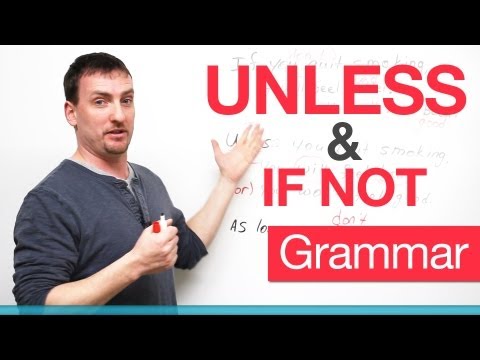
English Grammar - UNLESS & IF NOT - negative conditional
0
Zenn posted on 2013/04/28Confused about 'unless' and 'if not'? This video breaks down these tricky negative conditionals, showing you exactly how to use them to sound more natural in English! You'll master simple sentence structures and boost your grammar knowledge with clear examples.
Learn this video on the APP!
The VoiceTube App has more in-depth practice for videos!