Vocabulary
- in the west: Located in or towards the west.
- look at: To use your eyes to focus on something
- have to: Must do
- in the future: At a later time; in times to come.
- think about: To consider something carefully.
- talking about: To discuss a particular topic.
- good person: A morally upright and kind individual.
- disagree with: To have a different opinion from someone else.
- do the right thing: To behave in a morally correct or proper way.
- forget about: To stop thinking about something; to ignore something.
- english speaker: A person who speaks English.
- start out: To begin your life or career in a particular way.
- look up to: To respect or admire someone
- due to: Because of; owing to
- go together: To match well; to be harmonious or aesthetically pleasing.
- come up with: To think of an idea or solution; produce
- with it: Intelligent, alert, and up-to-date.
- in other words: Stating something in a different way, often to make it clearer or more understandable.
- result in: To cause or produce as a consequence.
- in school: Attending an educational institution.
- going on: To continue doing something
- take the credit: To claim praise or acknowledgement for something, whether deserved or not.
- in business: Actively operating as a commercial enterprise.
- used to: Did regularly before, but don't do now
- go out: To leave a building (e.g. a house)
- in the past: During a former period of time; previously.
- go to jail: To be sent to prison as a punishment for committing a crime.
- look for: To try to find a thing or person that is lost
- go on: To continue doing something
- in the end: Finally; after a period of time or series of events.
- such as: For example; like
- in general: Typically; usually; on the whole.
- angle for: Try to obtain something indirectly or subtly.
- over time: Gradually; as time passes.
- look back: To think about past events
- in mind: Being aware of or considering something.
- do in: To make completely tired out and exhausted
- answer to: To be responsible to someone and have to explain your actions to them.
- come from: To have as your native country or city
- better understanding: An improved level of comprehension or knowledge.
- on time
- in trouble: Experiencing difficulties, problems, or legal issues.
- have on: To be wearing something.
- take on: To acquire a new characteristic
- individual: Single person, looked at separately from others
- matter: To be of great importance; to count
- time: Speed at which music is played; tempo
- approach: To get close to reaching something or somewhere
- conversation: Talking with other people; discussion or chat
- people: Persons sharing culture, country, background, etc.
- person: Man, woman or child
- relationship: Connection between two or more people or things
- debate: General public discussion of a topic
- general: Widespread, normal or usual
- mind: To be bothered or upset by something
- good: Proper, appropriate or right
- important: Having power or authority
- board: Surface for posting or showing information
- serve: To act in a particular position or office
- society: A group who meet to share values or interests
- give: Degree of flexibility in something, a material
- language: Words or signs used to communicate messages
- English: Language of the UK, USA, Nigeria and elsewhere
- respect: To follow the established rules
- remember: To give someone a gift, e.g. birthday, wedding
- understand: To know the meaning of language, what someone says
- today: This day; day that is happening now
- culture: Beliefs and customs of a particular group
- intention: Aim or purpose
- success: Achievement of a desired purpose or goal
- accomplishment: Something you succeed in after hard work
- hierarchy: Group that manages and controls an organization
- mentality: Attitude toward, or a belief about something
- silent: Without making any noise; soundless
- successful: Having the desired effect or result
- trust: To expect confidently
- history: Established pattern or record
- leadership: Quality of being able to guide or influence others
- cowboy: Man who tends cattle or sheep (often from a horse)
- samurai: Japanese warrior from centuries ago
- doo: Bird commonly referred to as a pigeon
Get the full experience in the app
Learn anywhere with detailed sentence and usage analysis
01:03
She took a brave step forward, leaving behind her comfort zone to chase her dreams.
Vocabulary
- brave
adj. Having courage
- comfort zone
phr. A familiar situation where one feels safe
Explanation
a brave step is a noun phrase, where brave is an adjective modifying the noun step, meaning "a courageous step".
forward is an adverb modifying step, meaning "ahead".
The whole phrase serves as the object, answering the "what" of took (verb) — she took a brave step forward.
Get the full experience in the app
Look up words anytime with pronunciation, part of speech, and usage
brave
US/brev/
UK/breɪv/
adj.Brave
v.t.To bravely face
A2 Elementary
Get the full experience in the app
Practice speaking anytime and get instant pronunciation feedback
Try this speaking exercise.
Try practicing with this sentence.
80
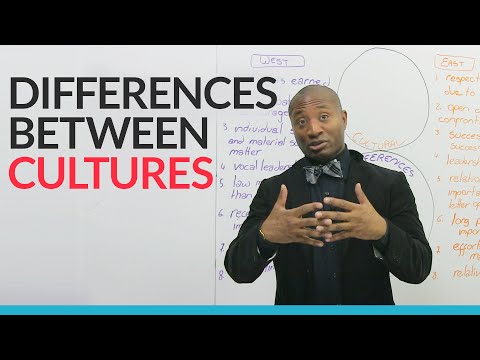
8 Cultural Differences between Native Speakers and English Learners
0
Jovian Yeh posted on 2016/08/02Ever wondered why some native speakers act so differently in business or casual settings? This video dives into 8 key cultural differences between native speakers and learners, like the 'cowboy' vs. 'samurai' mentalities, giving you practical insights and vocabulary to navigate these situations smoothly. You'll pick up useful phrases and a deeper understanding of East-West communication styles!
Learn this video on the APP!
The VoiceTube App has more in-depth practice for videos!