
ahead of time
US
UK
- Phrase
- Before the scheduled time; early.
A1Moreapplause
US /əˈplɔz/
UK /ə'plɔ:z/
- Noun (Countable/Uncountable)
- The sound made by clapping a performance or speech
B1Morearound the world
US /əˈraʊnd ði wɜrld/
UK /əˈraund ðə wɜː(r)ld/
- Phrase
- In or to many countries.
- In various places throughout the world.
A2Moreat least
US /æt list/
UK /æt li:st/
- Adverb
- As a minimum
- Not less than
- Phrase
- No less than; at the minimum
- Used to indicate that something is positive in a bad situation.
C2Morebehind bars
US
UK
- Phrase
- In prison; imprisoned.
A1Moreboard member
US
UK
- Noun
- A person who serves on the board of directors of a company or organization.
- An individual who is elected or appointed to serve on the governing board of a non-profit organization.
A2Morebring about
US
UK
- Phrasal Verb
- To cause to happen
A1Morecall for
US /kɔl fɔr/
UK /kɔ:l fɔ:/
- Phrasal Verb
- To demand, need or require (an action or thing)
- To come to someone's house to take them somewhere
A1Morecare of
US /kɛr ʌv/
UK /kɛə ɔv/
- Preposition
- Used in an address to indicate the person who will receive the mail for someone else.
A2Morecollege
US /'kɑːlɪdʒ/
UK /'kɒlɪdʒ/
- Noun (Countable/Uncountable)
- School or educational institution for adults
- A constituent body of a university.
A2Morecome before
US /kʌm bɪˈfɔr/
UK /kʌm biˈfɔ:/
- Phrasal Verb
- To happen or exist earlier in time than something else.
- To be considered more important than something else.
A1Morecome by
US /kʌm baɪ/
UK /kʌm bai/
- Phrasal Verb
- To become the owner of something, e.g. by accident
- To visit someone
A1Morecome from
US /kʌm frʌm/
UK /kʌm frɔm/
- Phrasal Verb
- To have as your native country or city
A1Moredeal with
US /dil wɪð/
UK /di:l wið/
- Verb (Transitive/Intransitive)
- To buy or sell goods or services.
- Phrasal Verb
- To take action to solve a problem or manage a situation.
- To be about; concern.
A1Moredemocracy
US /dɪˈmɑkrəsi/
UK /dɪ'mɒkrəsɪ/
- Noun (Countable/Uncountable)
- System of government in which everyone is equal
- Principles of social equality and respect for the individual within a society.
B1Moredisagree with
US /ˌdɪsəˈɡri wɪð/
UK /ˌdisəˈɡri: wið/
- Phrasal Verb
- To have a different opinion from someone else.
- Intransitive Verb
- To cause someone to feel ill or uncomfortable.
A1Moredown with
US /daʊn wɪð/
UK /daun wið/
- Adjective
- Suffering from an illness.
- Agreeable to; in favor of.
- Interjection
- An expression of opposition to something.
A1Moreever since
US /ˈɛvɚ sɪns/
UK /ˈevə sins/
- Adverb
- Continuously from a past time until now.
- Conjunction
- From the time that; because.
B2Morefor example
US
UK
- Phrase
- As an illustration or instance.
full scholarship
US /fʊl ˈskɑlɚˌʃɪp/
UK /ful ˈskɔləʃip/
- Noun
- An award that covers all expenses, including tuition, fees, and living costs.
C1Moreget here
US
UK
- Intransitive Verb
- To arrive at a specific location.
A1Moregive and take
US /ɡɪv ənd tek/
UK /ɡiv ænd teik/
- Phrase
A1Moregive away
US /ɡɪv əˈwe/
UK /ɡiv əˈwei/
- Phrase
- Phrasal Verb
- To let others have something you own
- To tell (a secret)
A1Moregive in
US /ɡɪv ɪn/
UK /ɡiv in/
- Phrasal Verb
- To submit work; hand in
- To stop resisting; to surrender
A1Moregive up
US /ɡɪv ʌp/
UK /ɡiv ʌp/
- Phrasal Verb
- To lose hope or admit defeat
- To decide to not start to try solving a problem
- Verb Phrase
- to surrender an item; hand over an item
A1Morego ahead
US /ɡo əˈhɛd/
UK /ɡəu əˈhed/
- Phrasal Verb
- To start an activity; start doing, working etc.
- To give permission to do something
- Intransitive Verb
- To start or proceed with something
- To proceed despite potential obstacles or doubts.
A1Morego back to
US /ɡo bæk tu/
UK /ɡəu bæk tu:/
- Phrasal Verb
- To return to a starting point
A1Moregoing on
US /ˈɡoɪŋ ɑn/
UK /ˈgəʊɪŋ ɔn/
- Phrasal Verb
- To continue doing something
- To happen (usually negative)
A1Moregot to
US /ɡɑt tu/
UK /gɔt tu:/
- Verb (Transitive/Intransitive)
- To arrive at some place
- To have the opportunity or permission to do something
- Phrasal Verb
- To appeal to the emotions of; move
- To finally begin to start something after a delay
A1Moregraduate from
US
UK
- Intransitive Verb
- To successfully complete a course of study at a university, college, or school.
have to
US /hæv tu/
UK /ˈhæv tə/
- Auxiliary Verb
- Must do
A1Morein half
US /ɪn hæf/
UK /in hɑ:f/
- Adverb
- Divided into two equal parts.
- Partially; to some extent.
A1Morein particular
US /ɪn pɚˈtɪkjəlɚ/
UK /in pəˈtikjulə/
- Phrase
- Specifically; especially.
- Detailed or precise.
A1Morein peace
US /ɪn pis/
UK /in pi:s/
- Phrase
- In a state of tranquility, without disturbance or conflict.
- In a state of non-war, without armed conflict.
B1Morein prison
US /ɪn ˈprɪzən/
UK /in ˈprizən/
- Phrase
- Confined in a prison; incarcerated.
in terms of
US
UK
- Phrase
- With regard to; concerning a particular aspect.
A1Morein the face of
US //ɪn ðə feɪs ɑv//
UK
- Phrase
- When confronted with something difficult or challenging.
- Despite; in defiance of; when confronted with.
A1Morein the house
US
UK
- Phrase
- Located inside a building used as a dwelling.
- Within a legislative body, such as a parliament or congress.
A1Morein the shadow of
US /ɪn ðə ˈʃædoʊ ʌv/
UK /in ðə ˈʃædəu ɔv/
- Preposition
- Close to and influenced or dominated by something else.
B2Morein the world
US /ɪn ði wɜrld/
UK /in ðə wɜː(r)ld/
- Phrase
- Used to emphasize a question expressing surprise, confusion, disbelief
- Used to indicate the extent or degree of something, often in a superlative sense
A1Moreinstead of
US /ɪnˈstɛd ʌv/
UK /inˈsted ɔv/
- Preposition
- When one thing is replaced by another
- Adverb
- As a substitute or alternative.
A1Morejustice
US /ˈdʒʌstɪs/
UK /'dʒʌstɪs/
- Uncountable Noun
- Quality of being fair, equal, or just
- Countable Noun
- Person in a court who judges criminal cases
A2Moreknow about
US /noʊ əˈbaʊt/
UK /nəʊ əˈbaut/
- Phrasal Verb
- To have information or understanding of a subject or situation.
laughter
US /ˈlæftɚ, ˈlɑf-/
UK /ˈlɑ:ftə(r)/
- Uncountable Noun
- Action or sound of laughing
- The feeling of amusement that makes you laugh.
A2Morelead to
US /lid tu/
UK /li:d tu:/
- Phrasal Verb
- To result in some action
- Verb (Transitive/Intransitive)
- To have something as a consequence or result.
A1Morelock up
US
UK
- Phrasal Verb
- To imprison someone.
- To secure a building or container by locking it.
look at
US /lʊk æt/
UK /luk æt/
- Phrasal Verb
- To use your eyes to focus on something
- To focus your eyes on something carefully
A1Moremake up
US /mek ʌp/
UK /meik ʌp/
- Phrasal Verb
- To invent or create a story
- To add up to
- Verb (Transitive/Intransitive)
- To invent a story, excuse, etc.
- To compensate for something lost, missed, or deficient.
A1Moremove on
US /muv ɑn/
UK /mu:v ɔn/
- Phrasal Verb
- To decide to change or go to a different place
- To start talking about something different.
A1Moreno matter
US
UK
- Conjunction
- Regardless of; it does not matter.
- Adverb
- Regardless of; it is not important
A1Moreof all time
US /ʌv ɔl taɪm/
UK /ɔv ɔ:l taim/
- Adjective
- The best or most significant in history.
- Phrase
- Ever; in all of history.
A1Moreon earth
US /ɑn ɚθ/
UK /ɔn ə:θ/
- Phrase
- Used to emphasize a question expressing surprise or anger.
- Used to emphasize that something is not possible or will not happen.
A1Moreon record
US /ɑn rɪˈkɚd/
UK /ɔn riˈkɔ:d/
- Adverb
- Formally and publicly stated
- Adjective
- Officially documented or registered.
A1Moreon to
US /ɑn tu/
UK /ɔn tu:/
- Preposition
- Toward something; forward
- Aware of someone's activities.
- Adjective
- Aware of someone's deception or illegal activities.
A1Moreoverwhelming majority
US
UK
- Phrase
- A very large majority; a majority that is so large as to be almost unanimous.
C1Morepass through
US /pæs θru/
UK /pɑ:s θru:/
- Phrasal Verb
- To experience something, often unpleasant or difficult.
- To go through something; to move from one side to the other of something.
A2Morepresident
US /ˈprɛzɪdənt,-ˌdɛnt/
UK /ˈprezɪdənt/
- Noun
- Person in charge of a country, or organization
- The highest-ranking executive in a corporation or organization.
A2TOEICMoreproud of you
US
UK
- Phrase
- Feeling pleased and satisfied about something you own or have done, or are connected to.
B1Morereflect on
US /rɪˈflɛkt ɑn/
UK /riˈflekt ɔn/
- Phrasal Verb
- To think deeply or carefully about something.
B2Morerequire
US /rɪˈkwaɪr/
UK /rɪ'kwaɪə(r)/
- Transitive Verb
- To demand that someone does something
- To need to do something, to make it necessary
A2TOEICMorereturn the favor
US
UK
- Phrase
- To do something good for someone who has done something good for you.
A2Morerisk your life
US
UK
- Verb (Transitive/Intransitive)
- To put yourself in danger of dying.
B2Moresave for
US
UK
- Phrasal Verb
- To keep money so that you can buy something with it in the future.
A2Moresense of entitlement
US
UK
- Uncountable Noun
- The belief that one is inherently deserving of privileges or special treatment.
A1Moreset out
US /sɛt aʊt/
UK /set aut/
- Phrasal Verb
- To arrange something in an orderly fashion
- To give in detail in writing
A1Moresix times
US
UK
- Adverb
- Multiplied by six; a factor of six.
- On six occasions; six instances.
stand up for
US /stænd ʌp fɔr/
UK /stænd ʌp fɔ:/
- Phrasal Verb
- To support someone or an idea, e.g. human rights
A1Morestir up
US /stɚ ʌp/
UK /stə: ʌp/
- Phrasal Verb
- To cause trouble; incite unrest.
- To evoke or awaken (emotions, memories).
A1Morethink about
US /θɪŋk əˈbaʊt/
UK /θiŋk əˈbaut/
- Phrasal Verb
- To consider something carefully.
- To remember or call to mind.
A1Moreturned out
US
UK
- Phrasal Verb
- To arrive for a public event or entertainment
- To happen to be in the end
- Transitive Verb
- To extinguish or switch off lights.
A1Moreused to
US /juzd tu/
UK /ˈju:st tə/
- Adjective
- Did regularly before, but don't do now
- Auxiliary Verb
- Have done before, but do not do now
A1Morevote in
US /voʊt ɪn/
UK /vəut ɪn/
- other
- To elect someone into a position by voting.
B1Morewhip up
US /hwɪp ʌp/
UK /hwip ʌp/
- Phrasal Verb
- To quickly prepare food or a meal.
- To arouse or incite (emotion, interest, etc.).
work to do
US
UK
- Phrase
- Tasks or activities that need to be accomplished.
- Obligations or responsibilities that require effort and attention.
A1More
Vocabulary
- have to: Must do
- got to: To arrive at some place
- think about: To consider something carefully.
- turned out: To arrive for a public event or entertainment
- work to do: Tasks or activities that need to be accomplished.
- bring about: To cause to happen
- deal with
- in peace: In a state of tranquility, without disturbance or conflict.
- used to: Did regularly before, but don't do now
- come from: To have as your native country or city
- around the world: In or to many countries.
- at least: As a minimum
- graduate from: To successfully complete a course of study at a university, college, or school.
- disagree with: To have a different opinion from someone else.
- no matter: Regardless of; it does not matter.
- set out: To arrange something in an orderly fashion
- return the favor: To do something good for someone who has done something good for you.
- come by: To become the owner of something, e.g. by accident
- get here: To arrive at a specific location.
- stir up: To cause trouble; incite unrest.
- in the house: Located inside a building used as a dwelling.
- ever since: Continuously from a past time until now.
- reflect on: To think deeply or carefully about something.
- in half: Divided into two equal parts.
- of all time: The best or most significant in history.
- ahead of time: Before the scheduled time; early.
- in the world: Used to emphasize a question expressing surprise, confusion, disbelief
- save for: To keep money so that you can buy something with it in the future.
- going on: To continue doing something
- pass through: To experience something, often unpleasant or difficult.
- behind bars: In prison; imprisoned.
- in prison: Confined in a prison; incarcerated.
- six times: Multiplied by six; a factor of six.
- look at: To use your eyes to focus on something
- know about: To have information or understanding of a subject or situation.
- come before: To happen or exist earlier in time than something else.
- go ahead: To start an activity; start doing, working etc.
- sense of entitlement: The belief that one is inherently deserving of privileges or special treatment.
- lock up: To imprison someone.
- stand up for: To support someone or an idea, e.g. human rights
- whip up: To quickly prepare food or a meal.
- for example: As an illustration or instance.
- on earth: Used to emphasize a question expressing surprise or anger.
- on record: Formally and publicly stated
- vote in: To elect someone into a position by voting.
- in terms of
- risk your life: To put yourself in danger of dying.
- give away
- board member: A person who serves on the board of directors of a company or organization.
- in particular: Specifically; especially.
- overwhelming majority: A very large majority; a majority that is so large as to be almost unanimous.
- give and take
- lead to: To result in some action
- down with: Suffering from an illness.
- call for: To demand, need or require (an action or thing)
- make up: To invent or create a story
- on to: Toward something; forward
- move on: To decide to change or go to a different place
- instead of: When one thing is replaced by another
- in the face of: When confronted with something difficult or challenging.
- care of: Used in an address to indicate the person who will receive the mail for someone else.
- full scholarship: An award that covers all expenses, including tuition, fees, and living costs.
- go back to: To return to a starting point
- give in: To submit work; hand in
- in the shadow of: Close to and influenced or dominated by something else.
- give up: To lose hope or admit defeat
- proud of you: Feeling pleased and satisfied about something you own or have done, or are connected to.
- know: To be familiar with a person or place, thing
- people: Persons sharing culture, country, background, etc.
- applause: The sound made by clapping a performance or speech
- world: All the humans, events, activities on the earth
- change: To exchange one set of clothes for another
- require: To demand that someone does something
- country: An area of land that is controlled by a government
- rate: To assess something or consider its qualities
- today: This day; day that is happening now
- president: Person in charge of a country, or organization
- democracy: System of government in which everyone is equal
- college: School or educational institution for adults
- laughter: Action or sound of laughing
- class: To place things into groups by common qualities
- justice: Quality of being fair, equal, or just
Get the full experience in the app
Learn anywhere with detailed sentence and usage analysis
01:03
She took a brave step forward, leaving behind her comfort zone to chase her dreams.
Vocabulary
- brave
adj. Having courage
- comfort zone
phr. A familiar situation where one feels safe
Explanation
a brave step is a noun phrase, where brave is an adjective modifying the noun step, meaning "a courageous step".
forward is an adverb modifying step, meaning "ahead".
The whole phrase serves as the object, answering the "what" of took (verb) — she took a brave step forward.
Get the full experience in the app
Look up words anytime with pronunciation, part of speech, and usage
brave
US/brev/
UK/breɪv/
adj.Brave
v.t.To bravely face
A2 Elementary
Get the full experience in the app
Practice speaking anytime and get instant pronunciation feedback
Try this speaking exercise.
Try practicing with this sentence.
80
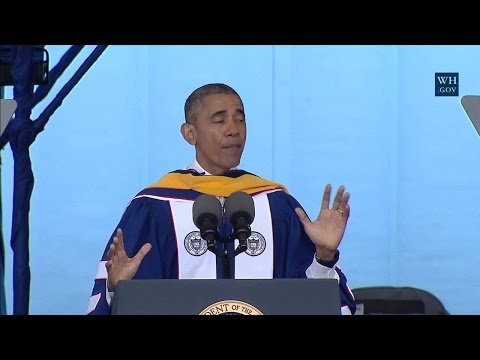
President Obama Delivers the Commencement Address at Howard University
0
Chamber posted on 2016/05/18Want to dive into some inspiring words and boost your vocabulary? President Obama's 2016 commencement address at Howard University is packed with advanced terms and complex sentence structures, making it a fantastic way to deepen your understanding of cultural topics and civic engagement. You'll pick up insights on race relations and criminal justice reform while sharpening your listening skills!
Learn this video on the APP!
The VoiceTube App has more in-depth practice for videos!