
after all
US /ˈæftɚ ɔl/
UK /ˈɑ:ftə ɔ:l/
- Adverb
- In spite of what was expected; used to introduce a statement that supports a previous statement or explains why it was made
- Considering everything; used to indicate that something is happening or is true despite some difficulty or obstacle
- Phrase
- Despite what was expected or thought; in spite of everything.
- Taking everything into consideration; considering that.
B1Moreat work
US /æt wɚk/
UK /æt wə:k/
- Phrase
- Located at one's place of employment
A1Morebased on
US
UK
- Phrasal Verb
- To use something as the foundation or starting point for something else.
- Preposition
- Using something as the main idea or foundation.
- Relying on something as evidence or justification.
A1Morecheck out
US /tʃɛk aʊt/
UK /tʃek aut/
- Phrase
- Phrasal Verb
- To find out information about something
- To take books out of a library
A1Morecling to
US /klɪŋ tu/
UK /kliŋ tu:/
- Phrasal Verb
- To hold onto something tightly, often for support or safety.
- To adhere strongly to a belief, idea, or principle, even when it may be difficult or unpopular.
C2Moreconfirm
US /kənˈfɜ:rm/
UK /kənˈfɜ:m/
- Transitive Verb
- To formally approve or check something
- To provide evidence to establish the truth of
A2Moredepending on
US
UK
- Phrasal Verb
- To rely on for support (financial or emotional)
- Influenced or determined by.
- Preposition
- Subject to; contingent on
- Relying on someone or something for support or assistance.
A2Moreevidence of
US
UK
- Phrase
- Facts, objects, or signs that make you believe that something is true.
- Something that shows that something else exists or is true.
A1Morefor example
US
UK
- Phrase
- As an illustration or instance.
for the rest
US /fɔr ði rɛst/
UK /fɔ: ðə rest/
- Phrase
- Concerning the remaining people or things.
- During the remaining part of a period of time.
A1Moregive it up
US
UK
- Phrasal Verb
- To stop trying to do something
A1Morehave to
US /hæv tu/
UK /ˈhæv tə/
- Auxiliary Verb
- Must do
A1Morehit on
US /hɪt ɑn/
UK /hit ɔn/
- Phrasal Verb
- To discover an idea, etc. by chance
- To flirt with someone; to make a pass at someone.
A1Morein every way
US /ɪn ˈɛvri we/
UK /in ˈevri wei/
- Phrase
- In all manners or respects; completely.
A1Morein mind
US /ɪn maɪnd/
UK /in maind/
- Phrase
- Being aware of or considering something.
- To remember or consider something.
A2Morein other words
US
UK
- Phrase
- Stating something in a different way, often to make it clearer or more understandable.
in service
US /ɪn 'sɝvɪs/
UK /in ˈsɜːvɪs/
- Adjective
- Available for use; operational
B1Morein terms of
US
UK
- Phrase
- With regard to; concerning a particular aspect.
A1Morein the first place
US
UK
- Phrase
- To begin with; as the first point or consideration.
- From the beginning; initially.
A1Morein the light of
US /ɪn ðə ˈlaɪt ʌv/
UK /in ðə ˈlaɪt ɔv/
- other
- Considering new information or facts.
B2Morein the process of
US /ɪn ði ˈprɑsˌɛs ʌv/
UK /in ðə ˈprəuses ɔv/
- Phrase
- During the course of; while something is happening or being done.
A1Moreinstead of
US /ɪnˈstɛd ʌv/
UK /inˈsted ɔv/
- Preposition
- When one thing is replaced by another
- Adverb
- As a substitute or alternative.
A1Morelook at
US /lʊk æt/
UK /luk æt/
- Phrasal Verb
- To use your eyes to focus on something
- To focus your eyes on something carefully
A1Moremove on
US /muv ɑn/
UK /mu:v ɔn/
- Phrasal Verb
- To decide to change or go to a different place
- To start talking about something different.
A1Moreobserve
US /əbˈzɜ:rv/
UK /əbˈzɜ:v/
- Verb (Transitive/Intransitive)
- To celebrate a particular holiday/religious event
- To obey or follow laws, rules, or customs
A2TOEICMoreon the other hand
US
UK
- Phrase
- Considering a different aspect of the matter; alternatively.
A1Moreon the part of
US
UK
- Phrase
- By or done by (someone); concerning someone.
- As far as (someone or something) is concerned; by (someone or something).
A1Moreover to
US
UK
- Preposition
- Used to hand over to someone else to speak
- The responsibility is now yours
prove
US /pruv/
UK /pru:v/
- Transitive Verb
- To demonstrate truth by providing evidence
- To test the quality or worth of something.
- Intransitive Verb
- To turn out to be; be found to be.
A2TOEICMorerather than
US
UK
- Adverb
- More exactly; more correctly
- Preferably; instead
- Preposition
- Instead of
A1Morerisky
US /ˈrɪski/
UK /ˈrɪski/
- Adjective
- With the chance it may be dangerous, unsuccessful
A2Morescience
US /ˈsaɪəns/
UK /'saɪəns/
- Uncountable Noun
- Study of the physical world, based on facts
A2TOEICMorescientific
US /ˌsaɪənˈtɪfɪk/
UK /ˌsaɪənˈtɪfɪk/
- Adjective
- Concerning academic study of the physical world
- Systematic and precise, following a methodology.
- Noun
- Relating to or used in science.
A2Moresolar eclipse
US //soʊlər ɪˈklɪps//
UK
- Noun
- An eclipse in which the sun is obscured by the moon.
start out
US /stɑrt aʊt/
UK /stɑ:t aut/
- Phrasal Verb
- To begin your life or career in a particular way.
- To begin a journey.
A1Morestay up
US /ste ʌp/
UK /stei ʌp/
- Phrasal Verb
- To not go to bed until late
A1Moretalking about
US
UK
- Phrasal Verb
- To discuss a particular topic.
- To be constantly mentioning or bringing up a subject.
A1Morethe good stuff
US
UK
- Phrase
- Things of high quality or the best kind.
- Desirable or enjoyable things.
B1Moretheory
US /ˈθiəri, ˈθɪri/
UK /ˈθiəri/
- Noun (Countable/Uncountable)
- Ideas or principles that explain facts or events
- An idea or belief about something
A2TOEICMoreto let
US /tu lɛt/
UK /tu let/
- Preposition
- Indicates that a property is available for rent.
A2Moreused to
US /juzd tu/
UK /ˈju:st tə/
- Adjective
- Did regularly before, but don't do now
- Auxiliary Verb
- Have done before, but do not do now
A1Morework in
US /wɚk ɪn/
UK /wə:k in/
- Phrasal Verb
- To make an opening for something in your schedule
- To fit person/thing into a schedule or sequence
A1More
Vocabulary
- look at: To use your eyes to focus on something
- solar eclipse: An eclipse in which the sun is obscured by the moon.
- in terms of
- instead of: When one thing is replaced by another
- in the first place: To begin with; as the first point or consideration.
- evidence of: Facts, objects, or signs that make you believe that something is true.
- have to: Must do
- at work: Located at one's place of employment
- in the process of: During the course of; while something is happening or being done.
- depending on: To rely on for support (financial or emotional)
- for example: As an illustration or instance.
- work in: To make an opening for something in your schedule
- in service: Available for use; operational
- on the part of: By or done by (someone); concerning someone.
- on the other hand : Considering a different aspect of the matter; alternatively.
- based on: To use something as the foundation or starting point for something else.
- start out: To begin your life or career in a particular way.
- after all: In spite of what was expected; used to introduce a statement that supports a previous statement or explains why it was made
- used to: Did regularly before, but don't do now
- rather than: More exactly; more correctly
- stay up: To not go to bed until late
- in every way: In all manners or respects; completely.
- give it up: To stop trying to do something
- cling to: To hold onto something tightly, often for support or safety.
- to let: Indicates that a property is available for rent.
- move on: To decide to change or go to a different place
- talking about: To discuss a particular topic.
- hit on: To discover an idea, etc. by chance
- in the light of: Considering new information or facts.
- in other words: Stating something in a different way, often to make it clearer or more understandable.
- for the rest: Concerning the remaining people or things.
- in mind: Being aware of or considering something.
- the good stuff: Things of high quality or the best kind.
- over to: Used to hand over to someone else to speak
- check out
- evidence: Factual proof that helps to establish the truth
- theory: Ideas or principles that explain facts or events
- science: Study of the physical world, based on facts
- belief: Being sure that something exists or is true
- scientific: Concerning academic study of the physical world
- believe: To think or accept that something is true
- prove: To demonstrate truth by providing evidence
- crash: To damage an object by causing it to hit something
- observe: To celebrate a particular holiday/religious event
- confirm: To formally approve or check something
- knowledge: Information, understanding, or skill
- test: To be given a medical examination
- eclipse: When moon or other body passes in front of another
- risky: With the chance it may be dangerous, unsuccessful
Get the full experience in the app
Learn anywhere with detailed sentence and usage analysis
01:03
She took a brave step forward, leaving behind her comfort zone to chase her dreams.
Vocabulary
- brave
adj. Having courage
- comfort zone
phr. A familiar situation where one feels safe
Explanation
a brave step is a noun phrase, where brave is an adjective modifying the noun step, meaning "a courageous step".
forward is an adverb modifying step, meaning "ahead".
The whole phrase serves as the object, answering the "what" of took (verb) — she took a brave step forward.
Get the full experience in the app
Look up words anytime with pronunciation, part of speech, and usage
brave
US/brev/
UK/breɪv/
adj.Brave
v.t.To bravely face
A2 Elementary
Get the full experience in the app
Practice speaking anytime and get instant pronunciation feedback
Try this speaking exercise.
Try practicing with this sentence.
80
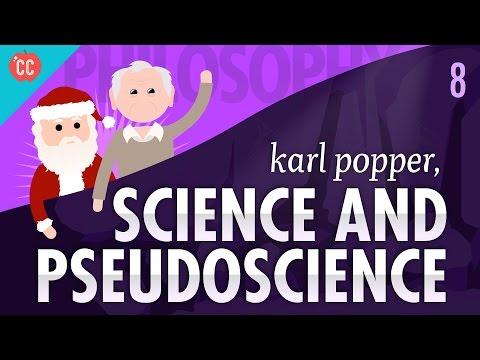
Karl Popper, Science, and Pseudoscience: Crash Course Philosophy #8
0
Jack posted on 2016/05/14Ever wondered how scientists tell real theories from fake ones? This Crash Course episode dives into Karl Popper's brilliant ideas on falsifiability, helping you sharpen your critical thinking and pick up some awesome advanced vocabulary along the way! You'll get a fantastic look at the scientific method and why it's so important for learning.
Learn this video on the APP!
The VoiceTube App has more in-depth practice for videos!