
accomplish
US /əˈkɑmplɪʃ/
UK /ə'kʌmplɪʃ/
- Transitive Verb
- To succeed in doing; complete successfully
B1TOEICMoreadmit
US /ædˈmɪt/
UK /əd'mɪt/
- Transitive Verb
- To acknowledge that something is true or right
- To allow someone to enter
A2TOEICMoreanything goes
US
UK
- Phrase
- There are no rules or restrictions; anything is acceptable or possible.
A1Moreanything other than
US
UK
- Phrase
- Except for; not including
- Different from; not
at once
US /æt wʌns/
UK /æt wʌns/
- Adverb
- Immediately; without delay
- At the same time; simultaneously
A2Moreat school
US
UK
- Phrase
- Present and attending school.
A1Moreattempt
US /əˈtɛmpt/
UK /ə'tempt/
- Verb (Transitive/Intransitive)
- To try to do something challenging or difficult
- Noun
- Effort made to try to do or accomplish something
A2TOEICMoreauthority
US /əˈθɔrɪti, əˈθɑr-, ɔˈθɔr-, ɔˈθɑr-/
UK /ɔ:ˈθɒrəti/
- Noun (Countable/Uncountable)
- The power to give orders to people
- Person who is an expert on a particular topic
A2TOEICMoreawkward
US /ˈɔkwəd/
UK /ˈɔ:kwəd/
- Adjective
- Lacking smooth movement
- Causing embarrassment or trouble
B1Morebully
US /ˈbʊli/
UK /'bʊlɪ/
- Noun (Countable/Uncountable)
- a person who habitually seeks to harm or intimidate those whom they perceive as vulnerable
- A person who uses superior strength or influence to intimidate others.
- Verb (Transitive/Intransitive)
- seek to harm, intimidate, or coerce (someone perceived as vulnerable)
B2Morecereal
US /ˈsɪriəl/
UK /'sɪərɪəl/
- Noun (Countable/Uncountable)
- Breakfast food eaten with milk
- Grain that can be eaten
B1Morecollapse
US /kəˈlæps/
UK /kə'læps/
- Verb (Transitive/Intransitive)
- To fold (e.g. a stroller) down to make it smaller
- To suddenly fall down or break apart into pieces
- Noun
- The sudden failure of a structure or system.
- The sudden failure of a bodily organ or function.
B1Morecome from
US /kʌm frʌm/
UK /kʌm frɔm/
- Phrasal Verb
- To have as your native country or city
A1Morecoming your way
US
UK
- Intransitive Verb
- To happen or become available to you.
- To move in the direction of someone.
A1Moreconcentrate
US /ˈkɑnsənˌtret/
UK /'kɒnsntreɪt/
- Verb (Transitive/Intransitive)
- To cause to be present in large amount or number
- To pay great attention to a task; focus
- Noun (Countable/Uncountable)
- A substance made by removing water or other diluents; a concentrated form of something.
A2Moreconfidence
US /ˈkɑnfɪdəns/
UK /'kɒnfɪdəns/
- Uncountable Noun
- Feeling that you can do well at something
- Feeling you can trust someone
A2Moredemocratic
US /ˌdɛməˈkrætɪk/
UK /ˌdeməˈkrætɪk/
- Adjective
- (Of government) giving the people power, a vote
- Based on the principle that all members have equal rights.
B2Moredepend
US /dɪˈpend/
UK /dɪˈpend/
- Verb (Transitive/Intransitive)
- Be controlled or determined by (someone/something)
- To rely on someone or something for support, help, or existence.
B1TOEICMoredisagreement
US /ˌdɪsəˈɡrimənt/
UK /ˌdɪsəˈgri:mənt/
- Uncountable Noun
- Act or state of not agreeing
B2Moredodgy
US /ˈdɑdʒi/
UK /'dɒdʒɪ/
- Adjective
- Slightly dishonest; not quite right
- Dishonest or unreliable.
C1Moredown with
US /daʊn wɪð/
UK /daun wið/
- Adjective
- Suffering from an illness.
- Agreeable to; in favor of.
- Interjection
- An expression of opposition to something.
A1Moreelite
US /iˈliːt/
UK /iˈliːt/
- Noun (Countable/Uncountable)
- The richest, most powerful, best-educated, or best-trained group in a society
- A person of the elite class.
- Adjective
- Belonging to the richest, most powerful, best-educated, or best-trained group in a society
B2Moreengage
US /ɪn'gedʒ/
UK /ɪn'ɡeɪdʒ/
- Transitive Verb
- To start to fight with an enemy
- To hire someone for a task or job
A2TOEICMoreessential
US /ɪˈsɛnʃəl/
UK /ɪ'senʃl/
- Adjective
- Extremely or most important and necessary
- Fundamental; basic.
- Noun
- A concentrated hydrophobic liquid containing volatile aroma compounds from plants.
B1TOEICMoreevoke
US /ɪˈvok/
UK /ɪ'vəʊk/
- Transitive Verb
- To bring forth a certain feeling or memory
B1TOEICMoreexception
US /ɪkˈsɛpʃən/
UK /ɪkˈsepʃn/
- Noun (Countable/Uncountable)
- Something different or not included
- An objection or feeling of disapproval.
B1TOEICMoreexperiment
US /ɪkˈspɛrəmənt/
UK /ɪk'sperɪmənt/
- Noun (Countable/Uncountable)
- Test performed to assess new ideas or theories
- A course of action tentatively adopted without being sure of the eventual outcome.
- Verb (Transitive/Intransitive)
- To create and perform tests to research something
- To try something new that you haven't tried before
A2TOEICMorefancy
US /ˈfænsi/
UK /'fænsɪ/
- Verb (Transitive/Intransitive)
- To want to have or do something; feel like
- To imagine or suppose that something will happen
- Adjective
- Unusual and attractive in design
A2TOEICMorefigure out
US /ˈfɪɡjɚ aʊt/
UK /ˈfiɡə aut/
- Phrasal Verb
- To understand the behavior of someone
- To think through logically to find a solution
- Verb (Transitive/Intransitive)
- To understand or find an answer to something.
- To find a solution to a problem or understand something.
A1Morefor example
US
UK
- Phrase
- As an illustration or instance.
for sure
US /fɔr ʃʊr/
UK /fɔ: ʃuə/
- Adverb
- Definitely; certainly; without a doubt.
- Used to emphasize a statement.
- Interjection
- An expression of strong agreement or affirmation.
A2Moregradually
US /ˈɡrædʒʊəlɪ/
UK /ˈgrædʒuəli/
- Adverb
- Occurring in a slow manner over a period of time
- Little by little; in a slow and progressive manner.
B1TOEICMorehave to
US /hæv tu/
UK /ˈhæv tə/
- Auxiliary Verb
- Must do
A1Morein the face of
US //ɪn ðə feɪs ɑv//
UK
- Phrase
- When confronted with something difficult or challenging.
- Despite; in defiance of; when confronted with.
A1Morein the way
US /ɪn ði we/
UK /in ðə wei/
- Phrase
- Obstructing someone or something; hindering progress.
- Stored or placed so as to be available or ready when needed.
A1Moreinherent
US /ɪnˈhɪrənt/
UK /ɪnˈhɪərənt/
- Adjective
- Existing as an essential part of
- Involved in the constitution or essential character of something.
B1TOEICMoreintimidate
US /ɪnˈtɪmɪˌdet/
UK /ɪnˈtɪmɪdeɪt/
- Transitive Verb
- To make someone feel afraid
B2Morejustify
US /ˈdʒʌstəˌfaɪ/
UK /ˈdʒʌstɪfaɪ/
- Transitive Verb
- To give good reasons for something
B1TOEICMorelook back
US /lʊk bæk/
UK /luk bæk/
- Phrasal Verb
- To think about past events
A1Moremass
US /mæs/
UK /mæs/
- Noun (Countable/Uncountable)
- Religious ceremony in some Christian churches
- Large amount or number of something
- Transitive Verb
- To gather people or things into a large group
B1Moreminor
US /ˈmaɪnɚ/
UK /'maɪnə(r)/
- Adjective
- Not so large in size; not important or valuable
- An interval a half tone smaller than its major
- Noun
- Subject studied in college, but not the main one
- Someone too young to be legally responsible
B1Moremount
US /maʊnt/
UK /maʊnt/
- Transitive Verb
- To attach something to something else
- To set a picture, jewel etc. in
- Noun
- An attachment used to keep something in place
- Horse that someone is riding
B2Morenotion
US /ˈnoʃən/
UK /ˈnəuʃən/
- Noun
- Sudden idea or desire to do something
B1TOEICMoreodd
US /ɑd/
UK /ɒd/
- Adjective
- Being unmatched with someone or something
- Being a number not able to be divided by two
A2Moreon the back of
US /ɑn ðə bæk əv/
UK /ɒn ðə bæk əv/
- other
- As a result of or following something.
B2Moreon the basis of
US
UK
- Phrase
- Because of; using as a reason or justification.
A1Moreor simply
US
UK
- Phrase
- Alternatively; in a more straightforward way.
A1Moreother than
US
UK
- Preposition
- Except for; apart from.
- Conjunction
- Different from.
A1Moreout there
US /aʊt ðɛr/
UK /aut ðɛə/
- Adverb
- In or to a place that is far away
- Existing in the universe
- Adjective
- Unconventional; strange; avant-garde
- Existing or available.
A1Moreoutside of
US /aʊtˈsaɪd ʌv/
UK /ˌautˈsaid ɔv/
- Preposition
- Located or situated beyond the boundaries or confines of something.
- Beyond the scope, range, or limits of something.
A1Moreparamount
US /ˈpærəˌmaʊnt/
UK /ˈpærəmaʊnt/
- Adjective
- More important/significant than all other things
B2TOEICMorepatience
US /ˈpeʃəns/
UK /ˈpeɪʃns/
- Uncountable Noun
- Ability to wait without being annoyed
- Perseverance; the ability to continue doing something despite difficulties.
B2TOEICMorepope
US /pop/
UK /pu:p/
- Proper Noun
- Bishop of Rome and the head of the Catholic Church
B2Moreproblematic
US /ˌprɑbləˈmætɪk/
UK /ˌprɒbləˈmætɪk/
- Adjective
- Being difficult to deal with or fix
- Of a doubtful or uncertain nature.
B2Moreprogress
US /ˈprɑɡˌrɛs, -rəs, ˈproˌɡrɛs/
UK /'prəʊɡres/
- Verb (Transitive/Intransitive)
- To move forward or toward a place or goal
- To make progress; develop or improve.
- Uncountable Noun
- Act of moving forward
- The process of improving or developing something over a period of time.
A2TOEICMorerational
US /ˈræʃənəl/
UK /'ræʃnəl/
- Adjective
- Able to think clearly
- A real number that can be written as a ratio of two integers.
- Noun
- A rational person.
A2TOEICMorerealm
US /rɛlm/
UK /relm/
- Noun (Countable/Uncountable)
- Area ruled by a king or queen
- Field of knowledge or thought
B2Morerelativity
US /ˌrɛləˈtɪvɪti/
UK /ˌreləˈtɪvəti/
- Uncountable Noun
- Einstein theory about time, space and position
- The state of being relative; dependence on a frame of reference.
C2Moreremain
US /rɪˈmen/
UK /rɪˈmeɪn/
- Intransitive Verb
- To be left behind; to continue to exist
- To stay in a place when other people have gone
A2TOEICMoreshut down
US /ʃʌt daʊn/
UK /ʃʌt daun/
- Phrasal Verb
- To close an operating system, e.g. on a computer
- To stop a factory/machine from operating
- Transitive Verb
- To deactivate a nuclear reactor.
- To turn off a computer or other electronic device.
A2Moreslippery
US /ˈslɪpəri/
UK /ˈslɪpəri/
- Adjective
- Difficult to hold or stand as it's smooth/wet/icy
- Hard to pin down; avoiding telling facts; evasive
B1Moresolid
US /ˈsɑlɪd/
UK /'sɒlɪd/
- Adjective
- Being able to be trusted; reliable
- Substance that is hard or of fixed shape
- Noun
- Something firm or hard; not gas or liquid
A2Morespeak of
US /spik ʌv/
UK /spi:k ɔv/
- Phrasal Verb
- To mention someone or something in conversation.
B1Morestruggle
US /ˈstrʌɡəl/
UK /'strʌɡl/
- Verb (Transitive/Intransitive)
- To try very hard to do something difficult
- To fight or struggle violently
- Noun (Countable/Uncountable)
- Strong efforts made to do something difficult
- A difficult or challenging situation or task
A2Moresuffer
US / ˈsʌfɚ/
UK /'sʌfə(r)/
- Verb (Transitive/Intransitive)
- To experience pain, illness, or injury
- To allow or permit something, especially something unpleasant.
A2Moreswiftly
US /ˈswɪftlɪ/
UK /swɪftlɪ/
- Adverb
- Quickly
B2Moretalking about
US
UK
- Phrasal Verb
- To discuss a particular topic.
- To be constantly mentioning or bringing up a subject.
A1Morethe following
US
UK
- Adjective
- Next in order or sequence.
- Uncountable Noun
- What is about to be said or written.
B1Moretrauma
US /ˈtraʊmə/
UK /'trɔ:mə/
- Noun (Countable/Uncountable)
- A very severe or upsetting experience
- Serious injury to part of the body
B2Moretraumatic
US /traʊˈmætɪk/
UK /trɔ:ˈmætɪk/
- Adjective
- Causing upsetting emotional effects over time
- Causing an injury
B2Moretwitter
US /ˈtwɪtɚ/
UK /ˈtwɪtə(r)/
- Intransitive Verb
- To make small chattering sounds, like some birds
- Proper Noun
- An online messaging system
C2Moreused to
US /juzd tu/
UK /ˈju:st tə/
- Adjective
- Did regularly before, but don't do now
- Auxiliary Verb
- Have done before, but do not do now
A1Moreutterly
US /ˈʌtəli/
UK /'ʌtəli:/
- Adverb
- Completely
B2More
Vocabulary
- for example: As an illustration or instance.
- used to: Did regularly before, but don't do now
- for sure: Definitely; certainly; without a doubt.
- anything other than: Except for; not including
- other than: Except for; apart from.
- on the back of: As a result of or following something.
- the following: Next in order or sequence.
- anything goes: There are no rules or restrictions; anything is acceptable or possible.
- coming your way: To happen or become available to you.
- look back: To think about past events
- have to: Must do
- on the basis of: Because of; using as a reason or justification.
- in the face of: When confronted with something difficult or challenging.
- at once: Immediately; without delay
- shut down: To close an operating system, e.g. on a computer
- or simply: Alternatively; in a more straightforward way.
- come from: To have as your native country or city
- out there: In or to a place that is far away
- at school: Present and attending school.
- outside of: Located or situated beyond the boundaries or confines of something.
- speak of: To mention someone or something in conversation.
- talking about: To discuss a particular topic.
- in the way: Obstructing someone or something; hindering progress.
- figure out: To understand the behavior of someone
- down with: Suffering from an illness.
- awkward: Lacking smooth movement
- struggle: To try very hard to do something difficult
- essential: Extremely or most important and necessary
- engage: To start to fight with an enemy
- progress: To move forward or toward a place or goal
- trauma: A very severe or upsetting experience
- attempt: To try to do something challenging or difficult
- utterly: Completely
- experiment: Test performed to assess new ideas or theories
- accomplish: To succeed in doing; complete successfully
- elite: The richest, most powerful, best-educated, or best-trained group in a society
- doubt: Not being sure of something; lack of certainty
- confidence: Feeling that you can do well at something
- traumatic: Causing upsetting emotional effects over time
- fancy: To want to have or do something; feel like
- solid: Being able to be trusted; reliable
- admit: To acknowledge that something is true or right
- rational: Able to think clearly
- concentrate: To cause to be present in large amount or number
- notion: Sudden idea or desire to do something
- odd: Being unmatched with someone or something
- intimidate: To make someone feel afraid
- inherent: Existing as an essential part of
- collapse: To fold (e.g. a stroller) down to make it smaller
- authority: The power to give orders to people
- gradually: Occurring in a slow manner over a period of time
- suffer: To experience pain, illness, or injury
- remain: To be left behind; to continue to exist
- address: Exact street location of a place
- simply: In an easy or clear manner
- realm: Area ruled by a king or queen
- value: Importance you attach to something
- pretty: Being attractive to the eye in a simple way
- democratic: (Of government) giving the people power, a vote
- reason: To think and make conclusions in a logical manner
- mass: Religious ceremony in some Christian churches
- accept: To agree to receive or take something offered
- evoke: To bring forth a certain feeling or memory
- exception: Something different or not included
- minor: Not so large in size; not important or valuable
- cereal: Breakfast food eaten with milk
- depend: Be controlled or determined by (someone/something)
- bully: a person who habitually seeks to harm or intimidate those whom they perceive as vulnerable
- justify: To give good reasons for something
- problematic: Being difficult to deal with or fix
- argue: To fight or disagree over something
- patience: Ability to wait without being annoyed
- stand: To be a candidate in an election
- swiftly: Quickly
- slippery: Difficult to hold or stand as it's smooth/wet/icy
- paramount: More important/significant than all other things
- mount: To attach something to something else
- answer: To reply to a question someone asks
- people: Persons sharing culture, country, background, etc.
- rock: To be greatly upset by something, e.g. a death
- pope: Bishop of Rome and the head of the Catholic Church
- good: Proper, appropriate or right
- disagreement: Act or state of not agreeing
- dodgy: Slightly dishonest; not quite right
- twitter: To make small chattering sounds, like some birds
- idea: Belief, thought, suggestion, opinion or plan
- bad: Not good; wrong
- relativity: Einstein theory about time, space and position
Get the full experience in the app
Learn anywhere with detailed sentence and usage analysis
01:03
She took a brave step forward, leaving behind her comfort zone to chase her dreams.
Vocabulary
- brave
adj. Having courage
- comfort zone
phr. A familiar situation where one feels safe
Explanation
a brave step is a noun phrase, where brave is an adjective modifying the noun step, meaning "a courageous step".
forward is an adverb modifying step, meaning "ahead".
The whole phrase serves as the object, answering the "what" of took (verb) — she took a brave step forward.
Get the full experience in the app
Look up words anytime with pronunciation, part of speech, and usage
brave
US/brev/
UK/breɪv/
adj.Brave
v.t.To bravely face
A2 Elementary
Get the full experience in the app
Practice speaking anytime and get instant pronunciation feedback
Try this speaking exercise.
Try practicing with this sentence.
80
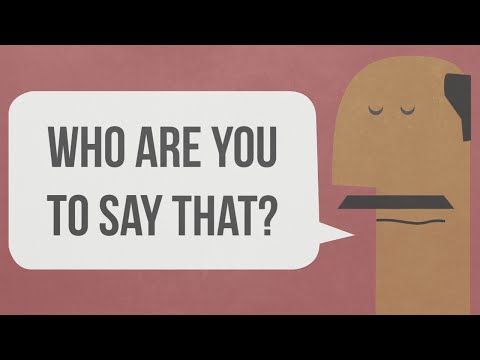
Who are you to say that?
0
Kristi Yang posted on 2025/07/12Ever wondered how to respond when someone questions your opinion? This video dives into the fascinating debate around value judgments and public reason, showing you how to engage in critical thinking and civic discourse. You'll pick up advanced vocabulary and complex sentence structures that will boost your confidence in expressing your views!
Learn this video on the APP!
The VoiceTube App has more in-depth practice for videos!