
have to
US /hæv tu/
UK /ˈhæv tə/
- Auxiliary Verb
- Must do
A1Morelast person
US
UK
- Noun
- The individual who is the final one in a sequence or group.
- The individual who is the least likely to do something or be in a particular situation.
A1Moreolympics
US /oʊ'lɪmpɪks/
UK /əʊ'lɪmpɪks/
- Noun (plural)
- The Olympic Games
A2Morepathetic
US /pəˈθɛtɪk/
UK /pəˈθetɪk/
- Adjective
- Causing feelings of sadness, pity and sympathy
B1Morephysical
US /ˈfɪzɪkəl/
UK /ˈfɪzɪkl/
- Countable Noun
- Health check at the doctors' or hospital
- Adjective
- Concerning the body of a person
- Concerning things that can be seen or touched
A2Moresettle
US /ˈsɛtl/
UK /'setl/
- Transitive Verb
- To make (a child, etc.) feel calm/ready for sleep
- To complete or finalize e.g. a contract or debt
- Intransitive Verb
- To become accustomed to a new environment
- (Of liquids) to move to the bottom of a container
A2Moretie
US /taɪ/
UK /taɪ/
- Transitive Verb
- To attach things (together) with a string or rope
- To require someone to be in a specific place
- Noun (Countable/Uncountable)
- Item, such as string or wire, used to join things
- Strong connection between people, countries
A2TOEICMorewrestling
US /ˈrɛslɪŋ/
UK /ˈreslɪŋ/
- Verb (Transitive/Intransitive)
- To fight someone by holding parts of their body
- To struggle with a problem
B2More
Vocabulary
- have to: Must do
- last person: The individual who is the final one in a sequence or group.
- to: Toward a point, person, place or thing
- go: To attend or be at a place
- physical: Health check at the doctors' or hospital
- set: Prepared for something; ready
- guess: To give an answer without knowing if it is correct
- settle: To make (a child, etc.) feel calm/ready for sleep
- pathetic: Causing feelings of sadness, pity and sympathy
- tie: To attach things (together) with a string or rope
- ready: Being likely or about to do something
- buy: To believe something; accept
- win: Success in beating the other team or competitors
- America: The United States of America; North America and/or South America
- finger: One of the five long parts of the hand
- wrestling: To fight someone by holding parts of their body
- olympics: The Olympic Games
Get the full experience in the app
Learn anywhere with detailed sentence and usage analysis
01:03
She took a brave step forward, leaving behind her comfort zone to chase her dreams.
Vocabulary
- brave
adj. Having courage
- comfort zone
phr. A familiar situation where one feels safe
Explanation
a brave step is a noun phrase, where brave is an adjective modifying the noun step, meaning "a courageous step".
forward is an adverb modifying step, meaning "ahead".
The whole phrase serves as the object, answering the "what" of took (verb) — she took a brave step forward.
Get the full experience in the app
Look up words anytime with pronunciation, part of speech, and usage
brave
US/brev/
UK/breɪv/
adj.Brave
v.t.To bravely face
A2 Elementary
Get the full experience in the app
Practice speaking anytime and get instant pronunciation feedback
Try this speaking exercise.
Try practicing with this sentence.
80
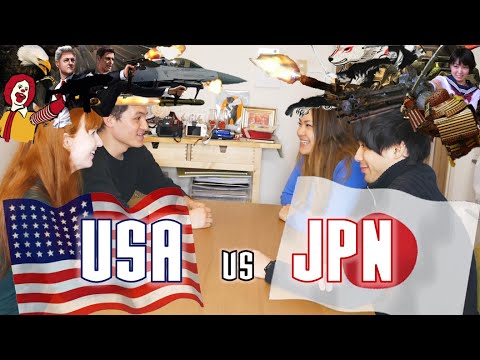
JAPAN vs USA: Physical Challenges【YouTube Olympics ROUND 1】
0
Yummy Japan posted on 2016/04/07Get ready for some friendly competition in the "YouTube Olympics" as JAPAN takes on USA in a fun physical challenge! You'll pick up simple sentence structures and practical dialogue perfect for everyday conversations, especially if you're curious about Japanese food and kitchen battles.
Learn this video on the APP!
The VoiceTube App has more in-depth practice for videos!