
affect
US /əˈfɛkt/
UK /ə'fekt/
- Transitive Verb
- To cause a change in something else
- To pretend to have or feel (something).
- Noun
- (Psychology) Emotion or feeling.
A2TOEICMoreafterward
US /ˈæftəwəd/
UK /'ɑ:ftəwəd/
- Adverb
- Happening after something else happened
B1Moreantibiotic
US /ˌæntibaɪˈɑ:tɪk/
UK /ˌæntibaɪˈɒtɪk/
- Adjective
- (Drug) used to fight certain kinds of diseases
- Noun
- Medicine that kills bacteria to fight infections
B1Moreat least
US /æt list/
UK /æt li:st/
- Adverb
- As a minimum
- Not less than
- Phrase
- No less than; at the minimum
- Used to indicate that something is positive in a bad situation.
C2Morebacteria
US /bækˈtɪriə/
UK /bæk'tɪərɪə/
- Noun (plural)
- The very small creatures that can cause disease
B2Morebrunch
US /brʌntʃ/
UK /brʌntʃ/
- Noun
- Mixture of breakfast and lunch eaten late morning
C1Morecanine
US /ˈkenaɪn/
UK /ˈkeɪnaɪn/
- Countable Noun
- Long, pointed tooth
- a dog
- Adjective
- of or relating to dogs
- Relating to or resembling a dog or dogs.
C1Moreconflict
US /ˈkɑnˌflɪkt/
UK /'kɒnflɪkt/
- Noun (Countable/Uncountable)
- Argument or struggle between two or more parties
- A serious disagreement or argument.
- Verb (Transitive/Intransitive)
- To have opposite ideas; to disagree; To not match
A2Morecontact
US /ˈkɑnˌtækt/
UK /'kɒntækt/
- Adjective
- Touching or feeling something
- Noun (Countable/Uncountable)
- Touching or feeling something
- Object that allows electricity to run through it
A2Morecream
US /krim/
UK /kri:m/
- Adjective
- Pale color that is yellowish white
- Noun (Countable/Uncountable)
- Type of a thick beauty product used on the skin
- Thick liquid rubbed into the skin
B1Morecut in
US /kʌt ɪn/
UK /kʌt in/
- Phrasal Verb
- To interrupt someone's conversation
- To enter a queue at the wrong place
A1Moredisease
US /dɪˈziz/
UK /dɪˈzi:z/
- Noun (Countable/Uncountable)
- Illness that affects a person, animal, or plant
- A disorder of structure or function in a plant, especially one caused by a pathogen.
- Transitive Verb
- To affect with disease; to corrupt or sicken.
A2TOEICMoreepisode
US /ˈɛpɪˌsod/
UK /'epɪsəʊd/
- Noun
- One separate event in a series of events
- Show which is part of a larger story
B1TOEICMorefor example
US
UK
- Phrase
- As an illustration or instance.
furry
US /ˈfə:ri, ˈfʌri/
UK /'fɜ:rɪ/
- Adjective
- Covered with a dense coat of fine hairs
B1Moregross
US /ɡros/
UK /ɡrəʊs/
- Noun (Countable/Uncountable)
- 144 of something; twelve dozen of something
- Total sum of money earned before costs and taxes
- Transitive Verb
- To earn an amount of money before costs and taxes
B1TOEICMoreharmful
US /ˈhɑ:rmfl/
UK /ˈhɑ:mfl/
- Adjective
- Likely to cause damage or injury
A2TOEICMorehonest
US /ˈɑnɪst/
UK /ˈɒnɪst/
- Adjective
- Good, truthful, sincere, or faithful; trustworthy
A2TOEICMorein the end
US /ɪn ði ɛnd/
UK /in ðə end/
- Phrase
- Finally; after a period of time or series of events.
- Ultimately; as the final result or consequence.
A1Moreinfect
US /ɪnˈfɛkt/
UK /ɪn'fekt/
- Transitive Verb
- To introduce a computer virus to
- To give a disease, bacteria or virus to
B1Moreinfection
US /ɪnˈfɛkʃən/
UK /ɪnˈfekʃn/
- Noun
- (Computers) Having a computer virus
- Making or becoming sick with a bacteria/virus
A2Moreinflame
US /ɪnˈflem/
UK /ɪnˈfleɪm/
- Transitive Verb
- To cause to get angry or excited
- To set on fire
B1Morelick
US /lɪk/
UK /lɪk/
- Transitive Verb
- To pass the tongue along something, e.g. ice cream
- To defeat (someone) easily.
- Intransitive Verb
- (of flames) to flicker over or around (something).
B1Moremicrobiome
US /ˌmaɪ.kroʊ.ˈbaɪ.oʊm/
UK /ˌmaɪ.krəʊ.ˈbaɪ.əʊm/
- Noun
- the microorganisms (= living things too small to be seen) that exist in a particular environment or in the human body
- Noun (Countable/Uncountable)
- The community of microorganisms (such as bacteria, fungi, and viruses) that inhabit a particular environment, especially the human body.
- A specific ecological community of microorganisms.
C1Moremyth
US /mɪθ/
UK /mɪθ/
- Noun (Countable/Uncountable)
- Popular belief that is false, unsupported by fact
- Famous story dealing with origins of a culture
B1Morenewsletter
US /ˈnu:zletə(r)/
UK /ˈnju:zletə(r)/
- Noun
- Report or open letter giving news to a group
B2TOEICMoreoral
US /ˈɔrəl/
UK /ˈɔ:rəl/
- Adjective
- Concerning the mouth
- Spoken text
B1Moreout there
US /aʊt ðɛr/
UK /aut ðɛə/
- Adverb
- In or to a place that is far away
- Existing in the universe
- Adjective
- Unconventional; strange; avant-garde
- Existing or available.
A1Morepup
US /pʌp/
UK /pʌp/
- Countable Noun
- Very young dog (and some other animals)
B1Morepuppy
US /ˈpʌpi/
UK /ˈpʌpi/
- Countable Noun
- Very young dog (and some other animals)
B1Morerare
US /rɛr/
UK /reə(r)/
- Adjective
- (Of meat) cooked, but still red and juicy
- Unusual or out of the ordinary; not common
A2Morerecommend
US /ˌrɛkəˈmɛnd/
UK /ˌrekə'mend/
- Transitive Verb
- To advise or suggest that someone do something
- To endorse or support something publicly.
A2TOEICMoreresult
US /rɪˈzʌlt/
UK /rɪ'zʌlt/
- Noun
- Something produced through tests or experiments
- Final score of a competition, election or game
- Intransitive Verb
- To be the outcome of other causes and effects
- To happen or exist as a consequence of something.
A2Moreround up
US /raʊnd ʌp/
UK /raund ʌp/
- Phrasal Verb
- To bring together; gather; collect
- Transitive Verb
- To gather together; to collect or assemble.
- To increase a number to the next highest whole number.
A1Moresaliva
US /səˈlaɪvə/
UK /səˈlaɪvə/
- Uncountable Noun
- Liquid produced by glands in the mouth
B2Moreseparate
US /'sepəreɪt/
UK /'sepəreɪt/
- Adjective
- Being different from or unrelated to another
- Not connected; different.
- Transitive Verb
- To divide two things by being in between them
- To move things away from each other
A2TOEICMoreshow up
US /ʃo ʌp/
UK /ʃəu ʌp/
- Phrasal Verb
- To arrive or be seen at a place, e.g. a party
- To be noticeably better than (someone else)
A1Moresignificant
US /sɪɡˈnɪfɪkənt/
UK /sɪgˈnɪfɪkənt/
- Adjective
- Large enough to be noticed or have an effect
- Having meaning; important; noticeable
A2TOEICMoresplash
US /splæʃ/
UK /splæʃ/
- Verb (Transitive/Intransitive)
- To throw water or liquids in many directions
- Noun (Countable/Uncountable)
- Act of throwing water in various directions
B1Morespread
US /sprɛd/
UK /spred/
- Noun (Countable/Uncountable)
- A big meal, often laid out as a buffet
- The distance between two things
- Verb (Transitive/Intransitive)
- To place over a large area; to cover a large area
- (Of ideas, gossip) to pass to and affect others
A2TOEICMoresusceptible
US /səˈsɛptəbəl/
UK /səˈseptəbl/
- Adjective
- Likely to fall prey to, be drawn to or influenced
- At risk of developing a certain illness or problem
B2TOEICMoreswap
US /swɑp/
UK /swɒp/
- Transitive Verb
- To exchange goods without spending money; trade
- Noun
- A trade or exchange of goods without using money
B2TOEICMorethink about
US /θɪŋk əˈbaʊt/
UK /θiŋk əˈbaut/
- Phrasal Verb
- To consider something carefully.
- To remember or call to mind.
A1Moretongue
US /tʌŋ/
UK /tʌŋ/
- Noun
- Long, thin part of (e.g. shoe under the laces)
- Meat from the mouth of an animal, cooked as food
- Transitive Verb
- To using your mouth to produce musical notes
- To use your mouth to touch something
A2Moretrace
US /tres/
UK /treɪs/
- Transitive Verb
- To make an outline to determine a shape
- To find someone or something that has disappeared
- Uncountable Noun
- Very small quantity of something
- A mark or other sign of the former presence or passage of something.
B1Morewound
US /waʊnd/
UK /waʊnd/
- Transitive Verb
- To rotate a part of say a watch to make it work
- To hurt someone emotionally
- Noun (Countable/Uncountable)
- Sadness or displeasure caused by a bad memory
- Physical injury, especially that suffered in war
A2More
Vocabulary
- at least: As a minimum
- out there: In or to a place that is far away
- for example: As an illustration or instance.
- cut in: To interrupt someone's conversation
- think about: To consider something carefully.
- in the end: Finally; after a period of time or series of events.
- round up: To bring together; gather; collect
- show up: To arrive or be seen at a place, e.g. a party
- episode: One separate event in a series of events
- significant: Large enough to be noticed or have an effect
- susceptible: Likely to fall prey to, be drawn to or influenced
- gross: 144 of something; twelve dozen of something
- recommend: To advise or suggest that someone do something
- completely: In every way or as much as possible
- conflict: Argument or struggle between two or more parties
- common: Area in a city or town that is open to everyone
- treat: To pay for the food or enjoyment of someone else
- bacteria: The very small creatures that can cause disease
- disease: Illness that affects a person, animal, or plant
- spread: A big meal, often laid out as a buffet
- separate: Being different from or unrelated to another
- myth: Popular belief that is false, unsupported by fact
- tongue: Long, thin part of (e.g. shoe under the laces)
- affect: To cause a change in something else
- mean: Average of a set of numbers
- rare: (Of meat) cooked, but still red and juicy
- saliva: Liquid produced by glands in the mouth
- contact: Touching or feeling something
- compare: To consider how similar and different things are
- result: Something produced through tests or experiments
- swap: To exchange goods without spending money; trade
- honest: Good, truthful, sincere, or faithful; trustworthy
- infection: (Computers) Having a computer virus
- trace: To make an outline to determine a shape
- wound: To rotate a part of say a watch to make it work
- splash: To throw water or liquids in many directions
- harmful: Likely to cause damage or injury
- lick: To pass the tongue along something, e.g. ice cream
- control: A device designed to operate a machine
- catch: Amount of something that has been caught
- canine: Long, pointed tooth
- natural: Being as one would expect; being usual or normal
- basic: At the most important or easiest (beginner) level
- quick: Using very little time; moving far in little time
- oral: Concerning the mouth
- antibiotic: (Drug) used to fight certain kinds of diseases
- furry: Covered with a dense coat of fine hairs
- popular: Liked or enjoyed by many people
- part: Division of a book
- start: First time or place that a thing exists; beginning
- restaurant: Place where you can order, buy and eat a meal
- case: Container used to carry things, e.g. clothes
- microbiome: the microorganisms (= living things too small to be seen) that exist in a particular environment or in the human body
- newsletter: Report or open letter giving news to a group
- afterward: Happening after something else happened
- cream: Pale color that is yellowish white
- infect: To introduce a computer virus to
- puppy: Very young dog (and some other animals)
- pup: Very young dog (and some other animals)
- brunch: Mixture of breakfast and lunch eaten late morning
- inflame: To cause to get angry or excited
Get the full experience in the app
Learn anywhere with detailed sentence and usage analysis
01:03
She took a brave step forward, leaving behind her comfort zone to chase her dreams.
Vocabulary
- brave
adj. Having courage
- comfort zone
phr. A familiar situation where one feels safe
Explanation
a brave step is a noun phrase, where brave is an adjective modifying the noun step, meaning "a courageous step".
forward is an adverb modifying step, meaning "ahead".
The whole phrase serves as the object, answering the "what" of took (verb) — she took a brave step forward.
Get the full experience in the app
Look up words anytime with pronunciation, part of speech, and usage
brave
US/brev/
UK/breɪv/
adj.Brave
v.t.To bravely face
A2 Elementary
Get the full experience in the app
Practice speaking anytime and get instant pronunciation feedback
Try this speaking exercise.
Try practicing with this sentence.
80
0
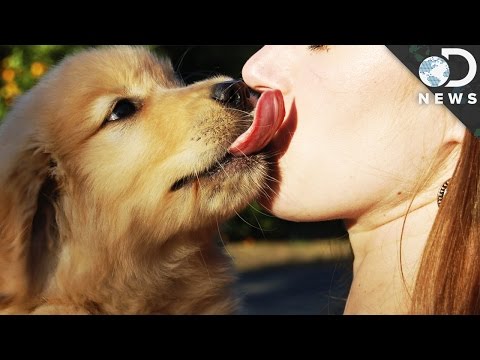
Jack posted on 2025/07/13Ever wondered if those adorable puppy kisses are actually good for you? This video dives into the fascinating world of dog saliva, exploring the pet microbiome and potential zoonotic infections, so you can make an informed decision about puppy kisses! You'll pick up some advanced vocabulary related to health and science while learning practical tips for dog owners.
Learn this video on the APP!
The VoiceTube App has more in-depth practice for videos!