
affective disorder
US /əˈfɛktɪv dɪsˈɔrdɚ/
UK /əˈfektiv disˈɔ:də/
- Noun
- A psychological disorder characterized by disturbances in mood or emotion.
at a time
US /æt e taɪm/
UK /æt ə taim/
- Phrase
- Separately; one by one
- Simultaneously; together
A1Morebody
US /ˈbɑdi/
UK /ˈbɒdi/
- Noun
- The physical structure of a person or animal.
- Noun (Countable/Uncountable)
- The main or central part of something.
- The weight and texture of a drink (like wine or coffee) in the mouth.
A2Morecholesterol
US /kəˈlestərɔ:l/
UK /kəˈlestərɒl/
- Uncountable Noun
- Substance in the body that may cause heart disease
- Noun
- A test to measure the amount of cholesterol in your blood.
B2Morecurl up
US /kɚrl ʌp/
UK /kə:l ʌp/
- Phrasal Verb
- To lie or sit with your legs bent close to your body.
A1Moredisease
US /dɪˈziz/
UK /dɪˈzi:z/
- Noun (Countable/Uncountable)
- Illness that affects a person, animal, or plant
- A disorder of structure or function in a plant, especially one caused by a pathogen.
- Transitive Verb
- To affect with disease; to corrupt or sicken.
A2TOEICMoreenzyme
US /ˈɛnzaɪm/
UK /ˈenzaɪm/
- Noun
- A protein made by cells
B2TOEICMorefight off
US /faɪt ɔf/
UK /fait ɔf/
- Phrasal Verb
- To defend a position, often violently
- To resist or struggle to get rid of an illness or negative feeling.
A1Morehemisphere
US /ˈhɛmɪˌsfɪr/
UK /ˈhemɪsfɪə(r)/
- Noun (Countable/Uncountable)
- One half of a rounded, ball-like object
- One of the two masses forming the brain
B2Moreimmune
US /ɪˈmjoon/
UK /ɪˈmju:n/
- Adjective
- Having a special protection from, e.g. the law
- Protected against a particular disease or condition because of antibodies or vaccination.
B1Morein the past
US
UK
- Phrase
- During a former period of time; previously.
A1Morejournal
US /ˈdʒɚnəl/
UK /ˈdʒə:nl/
- Noun (Countable/Uncountable)
- A diary; record of what you do every day
- Magazine of academic papers
B1TOEICMorelet out
US /lɛt aʊt/
UK /let aut/
- Phrasal Verb
- To allow a person, animal to leave the room, house
- To allow to leave; to release.
- Verb (Transitive/Intransitive)
- To enlarge a garment by releasing a seam or adding material.
- To release or allow to escape.
A1Moreno matter
US
UK
- Conjunction
- Regardless of; it does not matter.
- Adverb
- Regardless of; it is not important
A1Moreon earth
US /ɑn ɚθ/
UK /ɔn ə:θ/
- Phrase
- Used to emphasize a question expressing surprise or anger.
- Used to emphasize that something is not possible or will not happen.
A1Morethink of
US /θɪŋk ʌv/
UK /θiŋk ɔv/
- Phrasal Verb
- To look on as (being something specific); consider
- To consider or remember something.
- Verb (Transitive/Intransitive)
- To imagine or call something to mind
A1Moreto let
US /tu lɛt/
UK /tu let/
- Preposition
- Indicates that a property is available for rent.
A2Morewrap
US /ræp/
UK /ræp/
- Countable Noun
- Piece of clothing worn loosely on the shoulders
- Thin bread filled with food and rolled
- Transitive Verb
- To be or move around something
- To cover something with paper or a cloth e.g. gift
B1Morewrap around
US /ræp əˈraʊnd/
UK /ræp əˈraund/
- Phrasal Verb
- To encircle or surround something.
- To extend or stretch around something.
A2More
Vocabulary
- fight off: To defend a position, often violently
- on earth: Used to emphasize a question expressing surprise or anger.
- affective disorder: A psychological disorder characterized by disturbances in mood or emotion.
- wrap around: To encircle or surround something.
- think of: To look on as (being something specific); consider
- to let: Indicates that a property is available for rent.
- at a time: Separately; one by one
- let out: To allow a person, animal to leave the room, house
- no matter: Regardless of; it does not matter.
- in the past: During a former period of time; previously.
- curl up: To lie or sit with your legs bent close to your body.
- wrap: Piece of clothing worn loosely on the shoulders
- immune: Having a special protection from, e.g. the law
- disease: Illness that affects a person, animal, or plant
- bring: To take or go with someone to a place
- light: To cause something to burn; put a burning match to
- live: To be alive
- heart: A feeling of care for others; compassion
- journal: A diary; record of what you do every day
- study: To focus on learning something usually at school
- enzyme: A protein made by cells
- cardiovascular: Concerning the heart and vessels of the body
- body: The physical structure of a person or animal.
- cholesterol: Substance in the body that may cause heart disease
- hemisphere: One half of a rounded, ball-like object
- season: One of Spring, Summer, Autumn (Fall) and Winter
Get the full experience in the app
Learn anywhere with detailed sentence and usage analysis
01:03
She took a brave step forward, leaving behind her comfort zone to chase her dreams.
Vocabulary
- brave
adj. Having courage
- comfort zone
phr. A familiar situation where one feels safe
Explanation
a brave step is a noun phrase, where brave is an adjective modifying the noun step, meaning "a courageous step".
forward is an adverb modifying step, meaning "ahead".
The whole phrase serves as the object, answering the "what" of took (verb) — she took a brave step forward.
Get the full experience in the app
Look up words anytime with pronunciation, part of speech, and usage
brave
US/brev/
UK/breɪv/
adj.Brave
v.t.To bravely face
A2 Elementary
Get the full experience in the app
Practice speaking anytime and get instant pronunciation feedback
Try this speaking exercise.
Try practicing with this sentence.
80
0
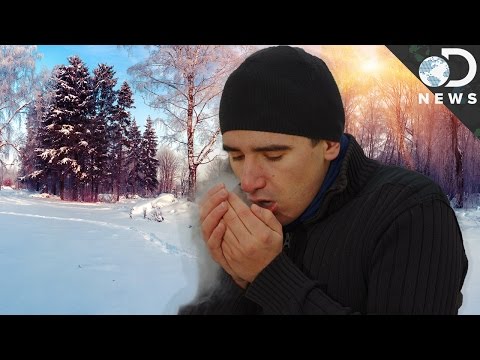
gibson5052 posted on 2016/02/24Ever wonder why winter hits you harder than others? This video dives into the surprising ways cold weather and less sunlight affect your body, from Vitamin D levels to how your genes behave! You'll pick up some fascinating science vocabulary and learn about things like circadian rhythms and seasonal affective disorder.
Learn this video on the APP!
The VoiceTube App has more in-depth practice for videos!