
as well as
US /æz wɛl æz/
UK /æz wel æz/
- Adverb
- Also; in addition to
- Preposition
- In addition to; and also.
A1Morebased on
US
UK
- Phrasal Verb
- To use something as the foundation or starting point for something else.
- Preposition
- Using something as the main idea or foundation.
- Relying on something as evidence or justification.
A1Morebody
US /ˈbɑdi/
UK /ˈbɒdi/
- Noun
- The physical structure of a person or animal.
- Noun (Countable/Uncountable)
- The main or central part of something.
- The weight and texture of a drink (like wine or coffee) in the mouth.
A2Morecough
US /kɔ:f/
UK /kɒf/
- Intransitive Verb
- To suddenly expel air from the lungs
- Noun
- Act of pushing out air from your body suddenly
A2Morecure
US /kjʊr/
UK /kjʊə(r)/
- Noun
- Something that solves a problem or makes it better
- Medical treatment making a sick person healthy
- Transitive Verb
- To fix or improve a problem
- To make someone healthy or make a disease go away
B1Moredue to
US /du tu/
UK /dju: tu:/
- Preposition
- Because of; owing to
- Adjective
- Attributable to; caused by.
A1Morefever
US /ˈfivɚ/
UK /'fi:və(r)/
- Noun (Countable/Uncountable)
- A high body temperature, indicating illness
- State of excited emotion or activity
- Transitive Verb
- To cause to have a fever.
B1Morefight off
US /faɪt ɔf/
UK /fait ɔf/
- Phrasal Verb
- To defend a position, often violently
- To resist or struggle to get rid of an illness or negative feeling.
A1Morego away
US /ɡo əˈwe/
UK /ɡəu əˈwei/
- Phrasal Verb
- To go on vacation
- To leave; depart.
A1Morehelp out
US /hɛlp aʊt/
UK /help aut/
- Phrasal Verb
- To assist someone
A1Moreimmune
US /ɪˈmjoon/
UK /ɪˈmju:n/
- Adjective
- Having a special protection from, e.g. the law
- Protected against a particular disease or condition because of antibodies or vaccination.
B1Morein fact
US /ɪn fækt/
UK /in fækt/
- Adverb
- Used to emphasize the truth of a statement, especially one that contrasts with or contradicts something else.
- Used to introduce a more detailed or surprising piece of information.
- Phrase
- Used to emphasize the truth of a statement, especially one that is surprising or contrary to what might be expected.
C1Morein general
US /ɪn ˈdʒɛnərəl/
UK /in ˈdʒenərəl/
- Phrase
- Typically; usually; on the whole.
- Not specific or detailed; broadly.
- Adjective
- Not detailed or specific; overall.
C2Morein the end
US /ɪn ði ɛnd/
UK /in ðə end/
- Phrase
- Finally; after a period of time or series of events.
- Ultimately; as the final result or consequence.
A1Moreinfection
US /ɪnˈfɛkʃən/
UK /ɪnˈfekʃn/
- Noun
- (Computers) Having a computer virus
- Making or becoming sick with a bacteria/virus
A2Moreon medication
US
UK
- Phrase
- Taking medicine regularly for a health condition.
A1Moreon the other hand
US
UK
- Phrase
- Considering a different aspect of the matter; alternatively.
A1Morepersist
US /pɚˈsɪst, -ˈzɪst/
UK /pə'sɪst/
- Intransitive Verb
- To continue a course of action despite opposition
- To continue to exist or occur beyond the usual, expected, or desired time.
B1TOEICMoreset up
US /sɛt ʌp/
UK /set ʌp/
- Phrasal Verb
- To make arrangements for something; establish
- Verb (Transitive/Intransitive)
- To arrange or prepare something for use.
- To start a business, organization, etc.
A1Moreshow up
US /ʃo ʌp/
UK /ʃəu ʌp/
- Phrasal Verb
- To arrive or be seen at a place, e.g. a party
- To be noticeably better than (someone else)
A1Morethroat
US /θroʊt/
UK /θrəʊt/
- Noun
- Part of the neck that is below the chin
- The passage in the neck through which food and air pass.
- Verb (Transitive/Intransitive)
- To utter or express with the throat; to sing.
A2Moreviral
US /ˈvaɪrəl/
UK /ˈvaɪrəl/
- Adjective
- Of or caused by a virus
- Becoming very popular by circulating quickly from person to person, especially through the Internet.
B2Morevirus
US /ˈvaɪrəs/
UK /'vaɪrəs/
- Noun
- File secretly put on computers to cause harm
- Living organism that causes disease or sickness
B1More
Vocabulary
- go away: To go on vacation
- on the other hand : Considering a different aspect of the matter; alternatively.
- fight off: To defend a position, often violently
- set up
- in general: Typically; usually; on the whole.
- in fact: Used to emphasize the truth of a statement, especially one that contrasts with or contradicts something else.
- based on: To use something as the foundation or starting point for something else.
- due to: Because of; owing to
- in the end: Finally; after a period of time or series of events.
- as well as: Also; in addition to
- help out: To assist someone
- on medication: Taking medicine regularly for a health condition.
- show up: To arrive or be seen at a place, e.g. a party
- common: Area in a city or town that is open to everyone
- immune: Having a special protection from, e.g. the law
- viral: Of or caused by a virus
- system: Set of organized, planned ideas that work together
- difference: A thing or issue that people do not agree about
- cure: Something that solves a problem or makes it better
- infection: (Computers) Having a computer virus
- body: The physical structure of a person or animal.
- virus: File secretly put on computers to cause harm
- persist: To continue a course of action despite opposition
- throat: Part of the neck that is below the chin
- crappy: Impolite term for not good, worthless
- fever: A high body temperature, indicating illness
- cold: Illness of sneezing, coughing, and a sore throat
- cough: To suddenly expel air from the lungs
Get the full experience in the app
Learn anywhere with detailed sentence and usage analysis
01:03
She took a brave step forward, leaving behind her comfort zone to chase her dreams.
Vocabulary
- brave
adj. Having courage
- comfort zone
phr. A familiar situation where one feels safe
Explanation
a brave step is a noun phrase, where brave is an adjective modifying the noun step, meaning "a courageous step".
forward is an adverb modifying step, meaning "ahead".
The whole phrase serves as the object, answering the "what" of took (verb) — she took a brave step forward.
Get the full experience in the app
Look up words anytime with pronunciation, part of speech, and usage
brave
US/brev/
UK/breɪv/
adj.Brave
v.t.To bravely face
A2 Elementary
Get the full experience in the app
Practice speaking anytime and get instant pronunciation feedback
Try this speaking exercise.
Try practicing with this sentence.
80
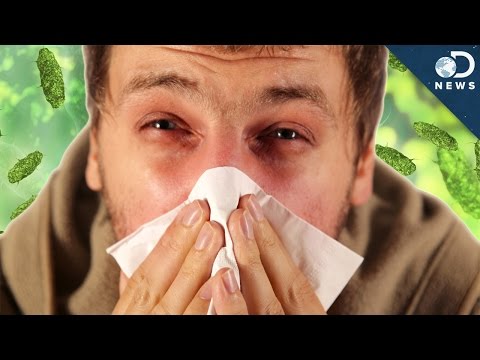
Cold vs. Flu: What's The Difference?
0
Silvia W. posted on 2016/02/23Ever wondered if that sniffle is just a cold or something more serious like the flu? This video breaks down the key differences, symptoms, and even touches on the flu vaccine, helping you understand respiratory viruses better. You'll pick up some great vocabulary for talking about health and daily practical tips too!
Learn this video on the APP!
The VoiceTube App has more in-depth practice for videos!