
allergic
US /əˈlədʒɪk/
UK /əˈlɜ:dʒɪk/
- Adjective
- Of or having a reaction to an allergy
B2Moreallergy
US /ˈælərdʒi/
UK /ˈælədʒi/
- Noun
- Sensitivity to foods, etc. causing a bad reaction
B2Moreanswer to
US
UK
- Phrasal Verb
- To be responsible to someone and have to explain your actions to them.
- To correspond to or match a description or requirement.
A1Morebacteria
US /bækˈtɪriə/
UK /bæk'tɪərɪə/
- Noun (plural)
- The very small creatures that can cause disease
B2Morebuild up
US /bɪld ʌp/
UK /bild ʌp/
- Phrasal Verb
- To increase the amount; collect something
- To develop or increase something in stages
- Verb (Transitive/Intransitive)
- To increase or develop something gradually.
- To praise or encourage someone.
A1Morecertain foods
US
UK
- Phrase
- Specific types of food, often referring to those with particular characteristics or effects.
B1Moreexpose
US /ɪkˈspoʊz/
UK /ɪk'spəʊz/
- Transitive Verb
- To make visible, without covering or protection
- To allow light through a cameras lens onto film
A2TOEICMorefor example
US
UK
- Phrase
- As an illustration or instance.
immune
US /ɪˈmjoon/
UK /ɪˈmju:n/
- Adjective
- Having a special protection from, e.g. the law
- Protected against a particular disease or condition because of antibodies or vaccination.
B1Morein essence
US /ɪn ˈɛsəns/
UK /in ˈesns/
- Phrase
- Used to summarize the main point.
- Relating to the most important aspect of something.
A1Morein the future
US /ɪn ði ˈfjutʃɚ/
UK /in ðə ˈfju:tʃə/
- Phrase
- At a later time; in times to come.
A1Morequiz question
US
UK
- Countable Noun
- A question asked in a quiz to test someone's knowledge.
A2Moresevere
US /səˈvɪr/
UK /sɪ'vɪə(r)/
- Adjective
- Very bad; harsh
- (Of clothes, etc.) plain; simple; not decorated
A2TOEICMoresubstance
US /ˈsʌbstəns/
UK /'sʌbstəns/
- Uncountable Noun
- Essence of; most basic or central qualities
- Particular type of material
A2Moresuch as
US /sʌtʃ æz/
UK /sʌtʃ æz/
- Preposition
- For example; like
A1Moreswitch
US /swɪtʃ/
UK /swɪtʃ/
- Noun
- A change or shift from one method to another
- Thing you move to turn electrical items on or off
- Transitive Verb
- To exchange or replace something for another thing
A2TOEICMoretalking about
US
UK
- Phrasal Verb
- To discuss a particular topic.
- To be constantly mentioning or bringing up a subject.
A1Moreused to
US /juzd tu/
UK /ˈju:st tə/
- Adjective
- Did regularly before, but don't do now
- Auxiliary Verb
- Have done before, but do not do now
A1More
Vocabulary
- used to: Did regularly before, but don't do now
- quiz question: A question asked in a quiz to test someone's knowledge.
- talking about: To discuss a particular topic.
- in essence: Used to summarize the main point.
- build up: To increase the amount; collect something
- in the future: At a later time; in times to come.
- certain foods: Specific types of food, often referring to those with particular characteristics or effects.
- for example: As an illustration or instance.
- answer to: To be responsible to someone and have to explain your actions to them.
- such as: For example; like
- treat: To pay for the food or enjoyment of someone else
- immune: Having a special protection from, e.g. the law
- substance: Essence of; most basic or central qualities
- English: Language of the UK, USA, Nigeria and elsewhere
- switch: A change or shift from one method to another
- system: Set of organized, planned ideas that work together
- severe: Very bad; harsh
- minute: Notes taken at a meeting to record what was said
- expose: To make visible, without covering or protection
- bacteria: The very small creatures that can cause disease
- food: What people and animals eat to live
- free: Living, happening without being controlled
- allergic: Of or having a reaction to an allergy
- month: One of 12 28-31 day periods in the year
- allergy: Sensitivity to foods, etc. causing a bad reaction
Get the full experience in the app
Learn anywhere with detailed sentence and usage analysis
01:03
She took a brave step forward, leaving behind her comfort zone to chase her dreams.
Vocabulary
- brave
adj. Having courage
- comfort zone
phr. A familiar situation where one feels safe
Explanation
a brave step is a noun phrase, where brave is an adjective modifying the noun step, meaning "a courageous step".
forward is an adverb modifying step, meaning "ahead".
The whole phrase serves as the object, answering the "what" of took (verb) — she took a brave step forward.
Get the full experience in the app
Look up words anytime with pronunciation, part of speech, and usage
brave
US/brev/
UK/breɪv/
adj.Brave
v.t.To bravely face
A2 Elementary
Get the full experience in the app
Practice speaking anytime and get instant pronunciation feedback
Try this speaking exercise.
Try practicing with this sentence.
80
BBC 6 Minute English January 21, 2016 - Are we afraid of food?
0
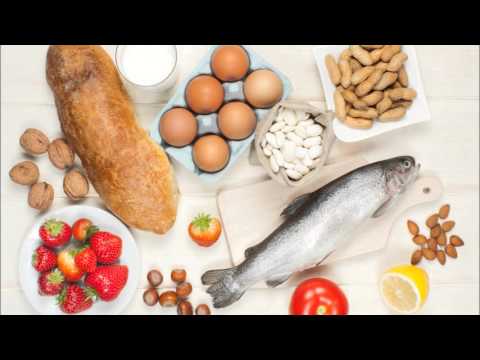
Adam Huang posted on 2016/02/14Are we becoming too clean for our own good? This BBC 6 Minute English episode dives into the fascinating 'Hygiene Hypothesis' and why food allergies are on the rise, perfect for boosting your advanced vocabulary on health and diet!
Learn this video on the APP!
The VoiceTube App has more in-depth practice for videos!