
all over the place
US
UK
- Phrase
- In a state of disorder; scattered everywhere.
- In many different locations; widely distributed.
- Adjective
- Mentally or emotionally disorganized; confused or erratic.
A1Moreapproach
US /əˈprəʊtʃ/
UK /ə'prəʊtʃ/
- Verb (Transitive/Intransitive)
- To get close to reaching something or somewhere
- To request someone to do something specific
- Noun (Countable/Uncountable)
- Means of reaching a place, often a road or path
- Request of someone with a specific goal in mind
A2TOEICMorearound the world
US /əˈraʊnd ði wɜrld/
UK /əˈraund ðə wɜː(r)ld/
- Phrase
- In or to many countries.
- In various places throughout the world.
A2Moreas long as
US /æz lɔŋ æz/
UK /æz lɔŋ æz/
- Conjunction
- For the period that; provided that.
- For the length of time that
- Preposition
- On the condition that; providing that.
- Having the same length as.
A1Moreas one
US
UK
- Adverb
- Acting or moving together at the same time.
- In complete agreement or unity.
- Phrase
- With a single voice or opinion; unanimously.
- In perfect harmony or unison.
A1Moreas opposed to
US
UK
- Preposition
- In contrast to; rather than.
- Instead of; in place of.
A1Moreat best
US /æt bɛst/
UK /æt best/
- Phrase
- Under the most optimistic or favorable circumstances; the most that can be hoped for.
A1Moreat least
US /æt list/
UK /æt li:st/
- Adverb
- As a minimum
- Not less than
- Phrase
- No less than; at the minimum
- Used to indicate that something is positive in a bad situation.
C2Moreat night
US /æt naɪt/
UK /æt nait/
- Phrase
- During the night; in the nighttime.
A1Morebased on
US
UK
- Phrasal Verb
- To use something as the foundation or starting point for something else.
- Preposition
- Using something as the main idea or foundation.
- Relying on something as evidence or justification.
A1Morebear in mind
US /bɛr ɪn maɪnd/
UK /bɛə in maind/
- Phrase
- To remember and consider something.
- Phrasal Verb
- To remember or consider something
A1Moreblow up
US /blo ʌp/
UK /bləu ʌp/
- Phrasal Verb
- To suddenly become angry
- To put air in something, e.g. a tire or balloon
- Verb (Transitive/Intransitive)
- To explode; to be destroyed by an explosion.
A2Moreby definition
US /baɪ ˌdɛfəˈnɪʃən/
UK /bai ˌdefiˈniʃən/
- Phrase
- Inherently; as an essential quality or characteristic.
B2Moreby virtue of
US /baɪ ˈvɚtʃu ʌv/
UK /bai ˈvə:tju: ɔv/
- Phrase
- By reason of; because of.
C2Morecarry out
US /ˈkæri aʊt/
UK /ˈkæri aut/
- Phrasal Verb
- To fulfill or perform your instructions, duty
- Verb (Transitive/Intransitive)
- To perform or execute a task, order, or plan.
- To remove something or someone from a place.
A1Morecome at
US /kʌm æt/
UK /kʌm æt/
- Phrasal Verb
- To approach someone to attack them
A1Morecome up with
US /kʌm ʌp wɪð/
UK /kʌm ʌp wið/
- Phrasal Verb
- To think of an idea or solution; produce
A1Moreconcern about
US
UK
- Intransitive Verb
- To worry about something.
B2Morecreep in
US /krip ɪn/
UK /kri:p in/
- Phrasal Verb
- To enter or affect something gradually or stealthily.
- To begin to occur or affect something without being noticed.
A1Moredeal with
US /dil wɪð/
UK /di:l wið/
- Verb (Transitive/Intransitive)
- To buy or sell goods or services.
- Phrasal Verb
- To take action to solve a problem or manage a situation.
- To be about; concern.
A1Moredepending on
US
UK
- Phrasal Verb
- To rely on for support (financial or emotional)
- Influenced or determined by.
- Preposition
- Subject to; contingent on
- Relying on someone or something for support or assistance.
A2Moredie off
US /daɪ ɔf/
UK /dai ɔf/
- Phrasal Verb
- To decrease in number so few or none are left
A1Moredo in
US
UK
- Phrasal Verb
- To make completely tired out and exhausted
- To destroy or cause damage to someone
A1Moreedge in
US /ɛdʒ ɪn/
UK /edʒ ɪn/
- other
- To insert oneself into a group or conversation gradually.
B2Moreessentially
US /ɪˈsenʃəli/
UK /ɪˈsenʃəli/
- Adverb
- Basically; (said when stating the basic facts)
- Used to emphasize the basic truth or fact of a situation.
A2Moreexploit
US /ɪkˈsplɔɪt/
UK /ɪk'splɔɪt/
- Transitive Verb
- To selfishly take advantage of or treat badly
- To use something in a very effective manner
- Noun (Countable/Uncountable)
- Personal journey or series of events
- A bold or daring feat.
B1TOEICMorefigure out
US /ˈfɪɡjɚ aʊt/
UK /ˈfiɡə aut/
- Phrasal Verb
- To understand the behavior of someone
- To think through logically to find a solution
- Verb (Transitive/Intransitive)
- To understand or find an answer to something.
- To find a solution to a problem or understand something.
A1Morefor instance
US /fɔr ˈɪnstəns/
UK /fɔ: ˈinstəns/
- Adverb
- As an example.
- Phrase
- As an example.
- As an illustration or case in point
B1Morefor the best
US
UK
- Phrase
- Resulting in the most positive or beneficial outcome, even if it's difficult or painful in the short term.
- Hoping for a positive outcome.
A1Moreforget about
US /fɚˈɡɛt əˈbaʊt/
UK /fəˈɡet əˈbaut/
- Phrasal Verb
- To stop thinking about something; to ignore something.
A1Morefrequency
US /ˈfrikwənsi/
UK /'fri:kwənsɪ/
- Uncountable Noun
- Number of repetitions of (radio or sound) wave
- How often something happens
B1TOEICMorefrom scratch
US /frʌm skrætʃ/
UK /frɔm skrætʃ/
- Phrase
- From the very beginning; from nothing.
- From the very beginning; using new materials rather than something that already exists.
A1Moregenerally
US /ˈdʒɛnərəli/
UK /ˈdʒenrəli/
- Adverb
- Usually; as a rule; by, to or for most people
A2Morego for it
US /ɡo fɔr ɪt/
UK /ɡəu fɔ: it/
- Interjection
- An expression of encouragement or approval.
- Intransitive Verb
- To try to achieve something; to make an attempt.
A1Moregoing on
US /ˈɡoɪŋ ɑn/
UK /ˈgəʊɪŋ ɔn/
- Phrasal Verb
- To continue doing something
- To happen (usually negative)
A1Moregot to
US /ɡɑt tu/
UK /gɔt tu:/
- Verb (Transitive/Intransitive)
- To arrive at some place
- To have the opportunity or permission to do something
- Phrasal Verb
- To appeal to the emotions of; move
- To finally begin to start something after a delay
A1Morehang on
US /hæŋ ɑn/
UK /hæŋ ɔn/
- Phrasal Verb
- To wait for the person you phoned to answer
- To persevere or persist, especially in a difficult situation.
A2Morehave to
US /hæv tu/
UK /ˈhæv tə/
- Auxiliary Verb
- Must do
A1Morein a bad way
US /ɪn ə bæd weɪ/
UK /ɪn ə bæd wei/
- other
- In poor physical or emotional condition.
B2Morein isolation
US
UK
- Phrase
- Separately from other people or things; alone.
- Considered separately and without reference to other related things.
C1Morein itself
US /ɪn ɪtˈsɛlf/
UK /in itˈself/
- Phrase
- Considered alone or without reference to anything else; intrinsically.
- Essentially; by its very nature.
in mind
US /ɪn maɪnd/
UK /in maind/
- Phrase
- Being aware of or considering something.
- To remember or consider something.
A2Morein particular
US /ɪn pɚˈtɪkjəlɚ/
UK /in pəˈtikjulə/
- Phrase
- Specifically; especially.
- Detailed or precise.
A1Morein real life
US /ɪn ˈriəl laɪf/
UK /in riəl laif/
- Phrase
- In the physical world; not online or in a fictional setting.
- Actually; genuinely; not made up or fictional.
A2Morein terms of
US
UK
- Phrase
- With regard to; concerning a particular aspect.
A1Morein the future
US /ɪn ði ˈfjutʃɚ/
UK /in ðə ˈfju:tʃə/
- Phrase
- At a later time; in times to come.
A1Morein the past
US
UK
- Phrase
- During a former period of time; previously.
A1Morein the world
US /ɪn ði wɜrld/
UK /in ðə wɜː(r)ld/
- Phrase
- Used to emphasize a question expressing surprise, confusion, or disbelief.
- Used to indicate the extent or degree of something, often in a superlative sense.
A1Morejust kind of
US
UK
- Phrase
- Used to express a feeling or state in a vague or hesitant way.
- Used to indicate something is approximately or generally similar to something else.
A2Morelive through
US /liv θru/
UK /liv θru:/
- Phrasal Verb
- To experience something difficult or painful and survive it.
A2Morelook at
US /lʊk æt/
UK /luk æt/
- Phrasal Verb
- To use your eyes to focus on something
- To focus your eyes on something carefully
A1Morelook over
US
UK
- Phrasal Verb
- To check something to see it works well; inspect
- To examine or inspect something quickly.
A1Morelose money
US /luz ˈmʌni/
UK /lu:z ˈmʌni/
- Intransitive Verb
- To suffer a financial loss; to not make a profit.
A1Moremanagement
US /ˈmænɪdʒmənt/
UK /'mænɪdʒmənt/
- Noun (Countable/Uncountable)
- People who are in control of a business or group
- Uncountable Noun
- The process of dealing with or controlling things or people.
- The skill of organizing and controlling resources.
A2TOEICMorementality
US /mɛnˈtælɪti/
UK /menˈtæləti/
- Noun
- Attitude toward, or a belief about something
A2Moremove to
US /muv tu/
UK /mu:v tu:/
- Phrasal Verb
- To change the place where you live or work.
- Verb (Transitive/Intransitive)
- To proceed to the next stage or action.
A2Moreof a sudden
US
UK
- Phrase
- Quickly and unexpectedly; suddenly.
B2Moreof course
US /ʌv kɔː(r)s/
UK /ɔv kɔː(r)s/
- Adverb
- Sure ; Certainly
- Phrase
- For sure; certainly
A2Moreon average
US /ɑn ˈævərɪdʒ/
UK /ɔn ˈævəridʒ/
- Phrase
- Typically; usually; based on an average calculation.
B1Moreon the inside
US /ɑn ði ɪnˈsaɪd/
UK /ɔn ðə inˈsaid/
- Phrase
- Having a position of authority or influence within an organization or system.
- In prison; incarcerated.
- Adjective
- Possessing secret or confidential information.
A1Moreon top of that
US
UK
- Phrase
- In addition to something already mentioned; furthermore.
A1Moreout of the money
US /aʊt əv ðə ˈmʌni/
UK /aut əv ðə ˈmʌni/
- other
- Having lost money; no longer profitable.
B2Moreout of time
US /aʊt ʌv taɪm/
UK /aut ɔv taim/
- Adjective
- Having no more time available to do something.
A1Moreout there
US /aʊt ðɛr/
UK /aut ðɛə/
- Adverb
- In or to a place that is far away
- Existing in the universe
- Adjective
- Unconventional; strange; avant-garde
- Existing or available.
A1Moreper year
US
UK
- Phrase
- For each year; annually.
A2Moreplug in
US /plʌɡ ɪn/
UK /plʌɡ in/
- Phrase
B1Moreprior to
US /ˈpraɪɚ tu/
UK /ˈpraiə tu:/
- Preposition
- Before a particular time or event.
C1Morerate as
US
UK
- Phrasal Verb
- To consider someone or something to be of a particular quality or standard.
B1Morerather than
US
UK
- Adverb
- More exactly; more correctly
- Preferably; instead
- Preposition
- Instead of
A1Moreretail
US /ˈriˌtel/
UK /'ri:teɪl/
- Uncountable Noun
- Business of selling products to the public
- Adverb
- Bought or sold in a store or shop
C1TOEICMoresignal
US /ˈsɪɡnəl/
UK /'sɪɡnəl/
- Verb (Transitive/Intransitive)
- To be evidence/an indication something will happen
- To make a noise or motion to tell someone to start
- Noun (Countable/Uncountable)
- Evidence or an indication something will happen
- Movement of a hand or other means to send messages
A2Morestatistical properties
US
UK
- Noun
- Characteristics of a dataset or population that can be quantified using statistical methods.
- Measures that describe the shape, center, and spread of a statistical distribution.
B2Morestrategy
US /ˈstrætədʒi/
UK /'strætədʒɪ/
- Noun (Countable/Uncountable)
- Careful plan or method for achieving a goal
- Branch of military dealing with command
A2TOEICMoretalking about
US
UK
- Phrasal Verb
- To discuss a particular topic.
- To be constantly mentioning or bringing up a subject.
A1Morethink about
US /θɪŋk əˈbaʊt/
UK /θiŋk əˈbaut/
- Phrasal Verb
- To consider something carefully.
- To remember or call to mind.
A1Morethink of
US /θɪŋk ʌv/
UK /θiŋk ɔv/
- Phrasal Verb
- To look on as (being something specific); consider
- To consider or remember something.
- Verb (Transitive/Intransitive)
- To imagine or call something to mind
A1Moreto do with
US
UK
- Phrasal Verb
- To be about something; concern
A1Moretrade off
US /treid ɔf/
UK /treid ɔf/
- Noun (Countable/Uncountable)
- Exchange that occurs as a compromise
- Verb (Transitive/Intransitive)
- To accept that you cannot have everything you want and give up something that is less important so that you can have what is more important.
- To balance two opposing situations or qualities; to compromise.
C2Moretrend following
US
UK
- Noun
- An investment strategy that capitalizes on the momentum of established trends in the market.
- The act of observing and adopting current trends.
B1Moreused to
US /juzd tu/
UK /ˈju:st tə/
- Adjective
- Did regularly before, but don't do now
- Auxiliary Verb
- Have done before, but do not do now
A1Morewhole point
US
UK
- Phrase
- The main purpose or most important aspect of something.
- The primary reason or objective.
A2Morework up to
US /wɝk ʌp tə/
UK /wɜ:k ʌp tə/
- other
- To gradually increase effort or level until reaching a goal.
B2More
Vocabulary
- have to: Must do
- in the future: At a later time; in times to come.
- rather than: More exactly; more correctly
- come up with: To think of an idea or solution; produce
- deal with
- look at: To use your eyes to focus on something
- depending on: To rely on for support (financial or emotional)
- in real life: In the physical world; not online or in a fictional setting.
- talking about: To discuss a particular topic.
- to do with: To be about something; concern
- think of: To look on as (being something specific); consider
- used to: Did regularly before, but don't do now
- of course: Sure ; Certainly
- out there: In or to a place that is far away
- by virtue of: By reason of; because of.
- hang on: To wait for the person you phoned to answer
- in a bad way: In poor physical or emotional condition.
- got to: To arrive at some place
- based on: To use something as the foundation or starting point for something else.
- do in: To make completely tired out and exhausted
- statistical properties: Characteristics of a dataset or population that can be quantified using statistical methods.
- in mind: Being aware of or considering something.
- at least: As a minimum
- per year: For each year; annually.
- as long as: For the period that; provided that.
- from scratch: From the very beginning; from nothing.
- as one: Acting or moving together at the same time.
- in particular: Specifically; especially.
- going on: To continue doing something
- on the inside: Having a position of authority or influence within an organization or system.
- figure out: To understand the behavior of someone
- in the world: Used to emphasize a question expressing surprise, confusion, or disbelief.
- lose money: To suffer a financial loss; to not make a profit.
- go for it: An expression of encouragement or approval.
- in terms of
- rate as: To consider someone or something to be of a particular quality or standard.
- in itself: Considered alone or without reference to anything else; intrinsically.
- plug in
- in the past: During a former period of time; previously.
- on top of that: In addition to something already mentioned; furthermore.
- all over the place: In a state of disorder; scattered everywhere.
- trend following: An investment strategy that capitalizes on the momentum of established trends in the market.
- of a sudden: Quickly and unexpectedly; suddenly.
- whole point: The main purpose or most important aspect of something.
- work up to: To gradually increase effort or level until reaching a goal.
- creep in: To enter or affect something gradually or stealthily.
- come at: To approach someone to attack them
- for instance: As an example.
- as opposed to: In contrast to; rather than.
- carry out
- out of the money: Having lost money; no longer profitable.
- for the best: Resulting in the most positive or beneficial outcome, even if it's difficult or painful in the short term.
- just kind of: Used to express a feeling or state in a vague or hesitant way.
- look over: To check something to see it works well; inspect
- edge in: To insert oneself into a group or conversation gradually.
- trade off: Exchange that occurs as a compromise
- concern about: To worry about something.
- prior to: Before a particular time or event.
- on average: Typically; usually; based on an average calculation.
- bear in mind: To remember and consider something.
- in isolation: Separately from other people or things; alone.
- blow up: To suddenly become angry
- die off: To decrease in number so few or none are left
- think about: To consider something carefully.
- around the world: In or to many countries.
- at night: During the night; in the nighttime.
- by definition: Inherently; as an essential quality or characteristic.
- live through: To experience something difficult or painful and survive it.
- forget about: To stop thinking about something; to ignore something.
- move to: To change the place where you live or work.
- at best: Under the most optimistic or favorable circumstances; the most that can be hoped for.
- out of time: Having no more time available to do something.
- approach: To get close to reaching something or somewhere
- essentially: Basically; (said when stating the basic facts)
- strategy: Careful plan or method for achieving a goal
- kind: In a caring and helpful manner
- guy: Man; boy; any person
- risk: To do something potentially dangerous or foolish
- generally: Usually; as a rule; by, to or for most people
- exploit: To selfishly take advantage of or treat badly
- lot: What happens to a person in life from chance; fate
- signal: To be evidence/an indication something will happen
- mentality: Attitude toward, or a belief about something
- retail: Business of selling products to the public
- management: People who are in control of a business or group
- frequency: Number of repetitions of (radio or sound) wave
- money: Coins or notes we use to pay for things
Get the full experience in the app
Learn anywhere with detailed sentence and usage analysis
01:03
She took a brave step forward, leaving behind her comfort zone to chase her dreams.
Vocabulary
- brave
adj. Having courage
- comfort zone
phr. A familiar situation where one feels safe
Explanation
a brave step is a noun phrase, where brave is an adjective modifying the noun step, meaning "a courageous step".
forward is an adverb modifying step, meaning "ahead".
The whole phrase serves as the object, answering the "what" of took (verb) — she took a brave step forward.
Get the full experience in the app
Look up words anytime with pronunciation, part of speech, and usage
brave
US/brev/
UK/breɪv/
adj.Brave
v.t.To bravely face
A2 Elementary
Get the full experience in the app
Practice speaking anytime and get instant pronunciation feedback
Try this speaking exercise.
Try practicing with this sentence.
80
What is a quant trader?
0
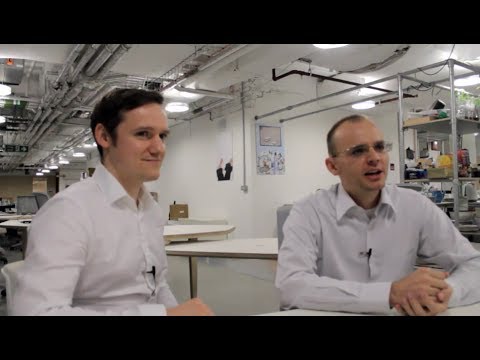
陳步芳 posted on 2016/01/18Ever wondered what a quant trader actually does? This video dives deep into the world of algorithmic trading and risk management, perfect for anyone curious about finance! You'll pick up advanced vocabulary related to high-frequency trading and learn about practical workplace scenarios in this fascinating interview.
Learn this video on the APP!
The VoiceTube App has more in-depth practice for videos!