
applause
US /əˈplɔz/
UK /ə'plɔ:z/
- Noun (Countable/Uncountable)
- The sound made by clapping a performance or speech
B1Morearound the world
US /əˈraʊnd ði wɜrld/
UK /əˈraund ðə wɜː(r)ld/
- Phrase
- In or to many countries.
- In various places throughout the world.
A2Moreas long as
US /æz lɔŋ æz/
UK /æz lɔŋ æz/
- Conjunction
- For the period that; provided that.
- For the length of time that
- Preposition
- On the condition that; providing that.
- Having the same length as.
A1Moreat night
US /æt naɪt/
UK /æt nait/
- Phrase
- During the night; in the nighttime.
A1Moreat some point
US /æt sʌm pɔɪnt/
UK /æt sʌm pɔint/
- Phrase
- At an unspecified time, usually in the future.
A1Moreat stake
US /æt stek/
UK /æt steik/
- Phrase
- At risk; that can be lost if something is not successful
- In question; depending on what happens
- Adjective
- At risk; that can be lost if something is not successful.
A1Moreback into
US /bæk ˈɪntu/
UK /bæk ˈɪntuː/
- Phrasal Verb
- To drive a vehicle backwards into a space or area.
- To accidentally collide with something while moving backwards.
A1Morebreaks down
US
UK
- Phrasal Verb
- To forcibly break, destroy or make collapse
- (Machine) to stop working or become weaker
A1Morebuild in
US
UK
- Phrasal Verb
- To include something as part of a plan, system, or design.
- To create something as a permanent or inherent feature.
A1Morebuild on
US /bɪld ɑn/
UK /bild ɔn/
- Phrasal Verb
- To develop or expand something; to use something as a foundation for further progress.
- To use something as a base or foundation for further development or success.
A2Moreby now
US /baɪ naʊ/
UK /bai nau/
- Phrase
- At the present time or already; before the present.
A2Morecare for
US /kɛr fɔr/
UK /kɛə fɔ:/
- Phrasal Verb
- To want or desire a thing
- To look after someone who is ill, old, or very young.
A1Morecome after
US /kʌm ˈæftɚ/
UK /kʌm ˈɑ:ftə/
- Phrasal Verb
- To follow someone in order to threaten them
A1Morecongress
US /ˈkɑŋɡrɪs/
UK /'kɒŋɡres/
- Noun (Countable/Uncountable)
- Meeting of elected or appointed representatives
- Proper Noun
- American governing body of elected representatives
B1Morecut in
US /kʌt ɪn/
UK /kʌt in/
- Phrasal Verb
- To interrupt someone's conversation
- To enter a queue at the wrong place
A1Morecut off
US /kʌt ɔf/
UK /kʌt ɔf/
- Phrasal Verb
- To end a process, e.g. a phone call
- To cut the end of something
- Transitive Verb
- To isolate or prevent access to a place or person.
- To interrupt someone while they are speaking.
A1Moredate back
US /det bæk/
UK /deit bæk/
- Intransitive Verb
- To have existed since a particular time in the past.
- Phrasal Verb
- To have originated at a certain time in the past.
A1Moredemocracy
US /dɪˈmɑkrəsi/
UK /dɪ'mɒkrəsɪ/
- Noun (Countable/Uncountable)
- System of government in which everyone is equal
- Principles of social equality and respect for the individual within a society.
B1Moredisagree with
US /ˌdɪsəˈɡri wɪð/
UK /ˌdisəˈɡri: wið/
- Phrasal Verb
- To have a different opinion from someone else.
- Intransitive Verb
- To cause someone to feel ill or uncomfortable.
A1Moreenergy sources
US
UK
- Noun (plural)
- Materials or processes that can produce energy.
fall back into
US /fɔl bæk ˈɪntu/
UK /fɔ:l bæk ˈintu/
- other
- To revert to a previous behavior or condition.
B2Morefall under
US
UK
- Phrasal Verb
- To be included in or classified as part of a specific category or jurisdiction.
A1Moreforce in
US /fɔrs ɪn/
UK /fɔ:rs ɪn/
- other
- To enter a place by applying physical force.
B2Moreget back to
US /ɡɛt bæk tu/
UK /ɡet bæk tu:/
- Phrasal Verb
- To get in contact with someone again
- To return to someone or something; to respond at a later time.
A1Moregive up
US /ɡɪv ʌp/
UK /ɡiv ʌp/
- Phrasal Verb
- To lose hope or admit defeat
- To decide to not start to try solving a problem
- Verb Phrase
- to surrender an item; hand over an item
A1Morego after
US /ɡo ˈæftɚ/
UK /ɡəu ˈɑ:ftə/
- Phrasal Verb
- To chase or pursue something
A1Morego back to
US /ɡo bæk tu/
UK /ɡəu bæk tu:/
- Phrasal Verb
- To return to a starting point
A1Moregood humor
US
UK
- Uncountable Noun
- A cheerful or agreeable mood.
- A disposition to be cheerful and friendly.
A1Moregot to
US /ɡɑt tu/
UK /gɔt tu:/
- Verb (Transitive/Intransitive)
- To arrive at some place
- To have the opportunity or permission to do something
- Phrasal Verb
- To appeal to the emotions of; move
- To finally begin to start something after a delay
A1Morehand up
US
UK
- Phrasal Verb
- To raise one's hand in order to get attention, especially in a classroom.
have at
US
UK
- Phrasal Verb
- To attack someone or something.
- To begin doing something with enthusiasm.
A1Morehave to
US /hæv tu/
UK /ˈhæv tə/
- Auxiliary Verb
- Must do
A1Morehot air
US /hɑt er/
UK /hɔt eə(r)/
- Uncountable Noun
- Meaningless or exaggerated talk; empty rhetoric.
- Air that has been heated.
A1Morein charge
US /ɪn tʃɑrdʒ/
UK /in tʃɑ:dʒ/
- Adverb
- To be responsible for
A1Morein different ways
US
UK
- Phrase
- Using various methods or approaches; with variety.
- In varying manners or styles; not uniformly.
A1Morein fact
US /ɪn fækt/
UK /in fækt/
- Adverb
- Used to emphasize the truth of a statement, especially one that contrasts with or contradicts something else.
- Used to introduce a more detailed or surprising piece of information.
- Phrase
- Used to emphasize the truth of a statement, especially one that is surprising or contrary to what might be expected.
C1Morein favor of
US /ɪn ˈfevɚ ʌv/
UK /in ˈfeivə ɔv/
- Phrase
- Expressing support or approval for someone or something.
- To the advantage of; benefiting.
- Preposition
- Supporting or approving of something.
- To the advantage of; to the benefit of.
A1Morein half
US /ɪn hæf/
UK /in hɑ:f/
- Adverb
- Divided into two equal parts.
- Partially; to some extent.
A1Morein the future
US /ɪn ði ˈfjutʃɚ/
UK /in ðə ˈfju:tʃə/
- Phrase
- At a later time; in times to come.
A1Morein the middle of
US
UK
- Phrase
- In the central part or point of something.
- Engaged or occupied with something.
A2Morein the past
US
UK
- Phrase
- During a former period of time; previously.
A1Morein the red
US
UK
- Adjective
- Operating at a loss; in debt.
- Phrase
- Having overdrawn money from a bank account.
A1Morein the world
US /ɪn ði wɜrld/
UK /in ðə wɜː(r)ld/
- Phrase
- Used to emphasize a question expressing surprise, confusion, disbelief
- Used to indicate the extent or degree of something, often in a superlative sense
A1Moreinstead of
US /ɪnˈstɛd ʌv/
UK /inˈsted ɔv/
- Preposition
- When one thing is replaced by another
- Adverb
- As a substitute or alternative.
A1Moreinto space
US
UK
- Phrase
- Toward or entering the region beyond Earth's atmosphere.
- Figuratively, entering a realm of imagination or abstraction.
A1Morejoin in
US /dʒɔɪn ɪn/
UK /dʒɔin in/
- Phrasal Verb
A1Morelet up
US /lɛt ʌp/
UK /let ʌp/
- Phrasal Verb
- To do something more slowly or less intensely
- Intransitive Verb
- To become less strong; to weaken or abate.
A1Morelift up
US /lɪft ʌp/
UK /lift ʌp/
- Phrasal Verb
- To raise something to a higher position.
- To improve someone's mood or spirits; to encourage.
look to
US
UK
- Phrasal Verb
- Be looking to. be planning to (do something)
- To expect someone to do something for you; rely on
A1Moremedical research
US
UK
- Uncountable Noun
- Scientific investigation to improve medical knowledge and treatments.
B2Moreof ours
US /ʌv ˈaʊɚz/
UK /əv ˈaʊəz/
- other
- Belonging to us; associated with us.
A2Moreon earth
US /ɑn ɚθ/
UK /ɔn ə:θ/
- Phrase
- Used to emphasize a question expressing surprise or anger.
- Used to emphasize that something is not possible or will not happen.
A1Moreon record
US /ɑn rɪˈkɚd/
UK /ɔn riˈkɔ:d/
- Adverb
- Formally and publicly stated
- Adjective
- Officially documented or registered.
A1Moreon the back of
US /ɑn ðə bæk əv/
UK /ɒn ðə bæk əv/
- other
- As a result of or following something.
B2Moreonce and for all
US /wʌns ənd fɔr ɔl/
UK /wʌns ænd fɔ: ɔ:l/
- Phrase
- Completely and finally; decisively.
- In a definitive and conclusive manner.
A2Moreout there
US /aʊt ðɛr/
UK /aut ðɛə/
- Adverb
- In or to a place that is far away
- Existing in the universe
- Adjective
- Unconventional; strange; avant-garde
- Existing or available.
A1Moreover the top
US /ˈovɚ ði tɑp/
UK /ˈəuvə ðə tɔp/
- Adjective
- More than what is considered normal or suitable; exaggerated.
- So extreme that it is offensive.
- Adverb
- To an excessive degree; excessively.
A1Morepass muster
US /ˈpæs ˈmʌstɚ/
UK /ˈpɑ:s ˈmʌstə/
- other
- To meet required standards or be accepted as satisfactory.
B2Morepass up
US /pæs ʌp/
UK /pɑ:s ʌp/
- Phrasal Verb
- To reject an offer or suggestion
A1Moreplay in
US
UK
- Phrasal Verb
- To participate or compete in a game or competition.
- To have a role in a theatrical production.
A1Moreplay out
US
UK
- Phrasal Verb
- To use up or exhaust
- To develop or happen in a particular way.
A1Morepresident
US /ˈprɛzɪdənt,-ˌdɛnt/
UK /ˈprezɪdənt/
- Noun
- Person in charge of a country, or organization
- The highest-ranking executive in a corporation or organization.
A2TOEICMorepublic life
US /ˈpʌblɪk laɪf/
UK /ˈpʌblik laif/
- Noun
- The aspect of a person's life that concerns their involvement in public affairs, especially as a politician or other figure known to the general public.
- The state of being exposed to general public attention or knowledge.
A1Morepush away
US
UK
- Phrasal Verb
- To move someone or something away from you by pushing.
- To avoid emotional intimacy or connection with others.
A2Morerather than
US
UK
- Adverb
- More exactly; more correctly
- Preferably; instead
- Preposition
- Instead of
A1Morered tape
US /rɛd tep/
UK /red teip/
- Uncountable Noun
- Formalities; paperwork; official procedure
- Official routine or procedure perceived as unnecessarily complex and lengthy, hindering progress.
A2Moreregardless of
US /rɪˈɡɑrdlɪs ʌv/
UK /riˈɡɑ:dlis ɔv/
- Phrase
- Preposition
- Without being affected or influenced by something; despite.
A2Morerely on
US /rɪˈlaɪ ɑn/
UK /riˈlai ɔn/
- Phrasal Verb
- To depend on someone or something
A2Moreroll back
US /rol bæk/
UK /rəul bæk/
- Phrasal Verb
- To restore a system or database to a previous state.
A2Moresave for
US
UK
- Phrasal Verb
- To keep money so that you can buy something with it in the future.
A2Moresecurity
US /sɪˈkjʊrɪti/sə'kjurətɪ/
UK /sɪ'kjʊərətɪ/
- Noun
- Department in a company in charge of protection
- Financial document, like stocks, bonds and notes
A2TOEICMoresee in
US /si ɪn/
UK /si: in/
- Phrasal Verb
- To accompany someone to the entrance of a building or room.
A1Moreset up
US /sɛt ʌp/
UK /set ʌp/
- Phrasal Verb
- To make arrangements for something; establish
- Verb (Transitive/Intransitive)
- To arrange or prepare something for use.
- To start a business, organization, etc.
A1Moreshut down
US /ʃʌt daʊn/
UK /ʃʌt daun/
- Phrasal Verb
- To close an operating system, e.g. on a computer
- To stop a factory/machine from operating
- Transitive Verb
- To deactivate a nuclear reactor.
- To turn off a computer or other electronic device.
A2Morespeak out
US /spik aʊt/
UK /spi:k aut/
- Phrasal Verb
- To express your opinion frankly and publicly, especially about something that you disagree with.
A1Morespirit
US /ˈspɪrɪt/
UK /'spɪrɪt/
- Noun
- Person's strong determination or attitude
- Unique qualities of person, place, or time
- Transitive Verb
- To take someone away as if by magic
A2Morestamp out
US /stæmp aʊt/
UK /stæmp aut/
- Phrasal Verb
- To get rid of or make disappear
A2Morestand for
US /stænd fɔr/
UK /stænd fɔ:/
- Phrasal Verb
- To support a particular idea, e.g. in politics
- To represent or symbolize
A1Morestand here
US
UK
- Intransitive Verb
- To remain in or move to this specific location.
stand up for
US /stænd ʌp fɔr/
UK /stænd ʌp fɔ:/
- Phrasal Verb
- To support someone or an idea, e.g. human rights
A1Morestrike out
US /straɪk aʊt/
UK /straik aut/
- Phrasal Verb
- To not hit the ball when playing baseball
A2Moretake over
US /tek ˈovɚ/
UK /teik ˈəuvə/
- Phrasal Verb
- To gain control of (a company) from someone else
- To assume control or possession of something.
A1Morethreat to
US
UK
- Phrase
- A person or thing likely to cause damage or danger.
- A statement of an intention to inflict pain, injury, damage, or other hostile action on someone in retribution for or opposition to something done or not done.
B2Moreto order
US
UK
- Transitive Verb
- To give an instruction or command.
- To request something to be made, supplied, or served.
A1Moreturned out
US
UK
- Phrasal Verb
- To arrive for a public event or entertainment
- To happen to be in the end
- Transitive Verb
- To extinguish or switch off lights.
A1Moreunder control
US /ˈʌndɚ kənˈtrol/
UK /ˈʌndə kənˈtrəul/
- Adjective
- Being managed or restrained; not out of hand.
- Having one's emotions or impulses restrained.
- Phrase
- A situation that is being managed effectively.
C1Moreup there
US /ʌp ðɛr/
UK /ʌp ðɛə/
- Adverb
- In or to a higher place or position; far away.
- In heaven.
A1Morevery top
US
UK
- Noun
- The highest point or part of something.
- Adjective
- The most important or successful.
work together
US /wɚk təˈɡɛðɚ/
UK /wə:k təˈɡeðə/
- Verb (Transitive/Intransitive)
- To collaborate or cooperate with others to achieve a common goal.
A1More
Vocabulary
- have to: Must do
- got to: To arrive at some place
- work together: To collaborate or cooperate with others to achieve a common goal.
- public life: The aspect of a person's life that concerns their involvement in public affairs, especially as a politician or other figure known to the general public.
- let up: To do something more slowly or less intensely
- in the world: Used to emphasize a question expressing surprise, confusion, disbelief
- in fact: Used to emphasize the truth of a statement, especially one that contrasts with or contradicts something else.
- in favor of: Expressing support or approval for someone or something.
- energy sources: Materials or processes that can produce energy.
- around the world: In or to many countries.
- on earth: Used to emphasize a question expressing surprise or anger.
- back into: To drive a vehicle backwards into a space or area.
- look to: Be looking to. be planning to (do something)
- out there: In or to a place that is far away
- stamp out: To get rid of or make disappear
- pass muster: To meet required standards or be accepted as satisfactory.
- instead of: When one thing is replaced by another
- to order: To give an instruction or command.
- get back to: To get in contact with someone again
- under control: Being managed or restrained; not out of hand.
- stand for: To support a particular idea, e.g. in politics
- regardless of
- in the middle of: In the central part or point of something.
- in half: Divided into two equal parts.
- cut in: To interrupt someone's conversation
- in the past: During a former period of time; previously.
- very top: The highest point or part of something.
- build on: To develop or expand something; to use something as a foundation for further progress.
- in the red: Operating at a loss; in debt.
- at some point: At an unspecified time, usually in the future.
- build in: To include something as part of a plan, system, or design.
- strike out: To not hit the ball when playing baseball
- go back to: To return to a starting point
- save for: To keep money so that you can buy something with it in the future.
- hand up: To raise one's hand in order to get attention, especially in a classroom.
- play in: To participate or compete in a game or competition.
- fall under: To be included in or classified as part of a specific category or jurisdiction.
- red tape: Formalities; paperwork; official procedure
- lift up: To raise something to a higher position.
- up there: In or to a higher place or position; far away.
- into space: Toward or entering the region beyond Earth's atmosphere.
- in charge: To be responsible for
- once and for all: Completely and finally; decisively.
- medical research: Scientific investigation to improve medical knowledge and treatments.
- have at: To attack someone or something.
- pass up: To reject an offer or suggestion
- on record: Formally and publicly stated
- turned out: To arrive for a public event or entertainment
- at stake: At risk; that can be lost if something is not successful
- rely on: To depend on someone or something
- rather than: More exactly; more correctly
- in the future: At a later time; in times to come.
- hot air: Meaningless or exaggerated talk; empty rhetoric.
- force in: To enter a place by applying physical force.
- date back: To have existed since a particular time in the past.
- play out: To use up or exhaust
- threat to: A person or thing likely to cause damage or danger.
- over the top: More than what is considered normal or suitable; exaggerated.
- on the back of: As a result of or following something.
- push away: To move someone or something away from you by pushing.
- cut off: To end a process, e.g. a phone call
- come after: To follow someone in order to threaten them
- go after: To chase or pursue something
- take over: To gain control of (a company) from someone else
- by now: At the present time or already; before the present.
- join in
- set up
- care for: To want or desire a thing
- shut down: To close an operating system, e.g. on a computer
- disagree with: To have a different opinion from someone else.
- breaks down: To forcibly break, destroy or make collapse
- give up: To lose hope or admit defeat
- roll back
- fall back into: To revert to a previous behavior or condition.
- speak out: To express your opinion frankly and publicly, especially about something that you disagree with.
- stand up for: To support someone or an idea, e.g. human rights
- see in: To accompany someone to the entrance of a building or room.
- good humor: A cheerful or agreeable mood.
- of ours: Belonging to us; associated with us.
- at night: During the night; in the nighttime.
- in different ways: Using various methods or approaches; with variety.
- as long as: For the period that; provided that.
- stand here: To remain in or move to this specific location.
- people: Persons sharing culture, country, background, etc.
- applause: The sound made by clapping a performance or speech
- world: All the humans, events, activities on the earth
- work: The product of some artistic or literary endeavor
- change: To exchange one set of clothes for another
- security: Department in a company in charge of protection
- system: Set of organized, planned ideas that work together
- country: An area of land that is controlled by a government
- year: Unit of time equal to 12 months or 365 or 366 days
- future: Time that is to come after the present
- spirit: Person's strong determination or attitude
- president: Person in charge of a country, or organization
- congress: Meeting of elected or appointed representatives
- economy: Using money, resources in a careful, effective way
- democracy: System of government in which everyone is equal
Get the full experience in the app
Learn anywhere with detailed sentence and usage analysis
01:03
She took a brave step forward, leaving behind her comfort zone to chase her dreams.
Vocabulary
- brave
adj. Having courage
- comfort zone
phr. A familiar situation where one feels safe
Explanation
a brave step is a noun phrase, where brave is an adjective modifying the noun step, meaning "a courageous step".
forward is an adverb modifying step, meaning "ahead".
The whole phrase serves as the object, answering the "what" of took (verb) — she took a brave step forward.
Get the full experience in the app
Look up words anytime with pronunciation, part of speech, and usage
brave
US/brev/
UK/breɪv/
adj.Brave
v.t.To bravely face
A2 Elementary
Get the full experience in the app
Practice speaking anytime and get instant pronunciation feedback
Try this speaking exercise.
Try practicing with this sentence.
80
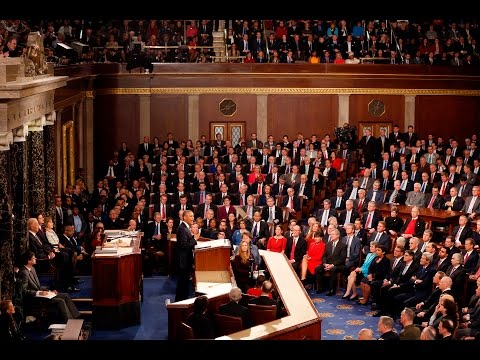
President Obama Delivers his Final State of the Union Address
0
richardwang posted on 2016/01/13Ever wondered what goes into a President's major policy speech? Dive into President Obama's final State of the Union address and you'll pick up advanced vocabulary related to economic opportunity, healthcare, and climate action. This is a fantastic chance to boost your understanding of complex sentence structures and gain cultural depth from a pivotal moment in US history!
Learn this video on the APP!
The VoiceTube App has more in-depth practice for videos!