
attempting
US
UK
- Verb (Transitive/Intransitive)
- To try to do something challenging or difficult
A2Moreautism
US /ˈɔˌtɪzəm/
UK /ˈɔ:tɪzəm/
- Uncountable Noun
- Disorder that prevents normal communication
B2Moreautistic
US /ɔ:'tɪstɪk/
UK /ɔ:'tɪstɪk/
- Adjective
- Suffering from autism
B2Morechallenge
US /ˈtʃæləndʒ/
UK /'tʃælɪndʒ/
- Noun (Countable/Uncountable)
- An activity you wish to try that may be hard to do
- Act of formally inviting someone to compete
- Transitive Verb
- To formally invite someone to compete at something
- To question the correctness of something
A2Morechildhood
US /ˈtʃaɪldˌhʊd/
UK /ˈtʃaɪldhʊd/
- Uncountable Noun
- The time when you are a child
B1Morecommunicate
US /kəˈmjunɪˌket/
UK /kə'mju:nɪkeɪt/
- Verb (Transitive/Intransitive)
- To give and exchange information
- To convey or make known (information, feelings, etc.)
A2Morecommunication
US /kəˌmjunɪˈkeʃən/
UK /kəˌmju:nɪ'keɪʃn/
- Noun (Countable/Uncountable)
- Talking to people; giving information to people
- The process of conveying information, ideas, or feelings through language or other means.
A2Morecure
US /kjʊr/
UK /kjʊə(r)/
- Noun
- Something that solves a problem or makes it better
- Medical treatment making a sick person healthy
- Transitive Verb
- To fix or improve a problem
- To make someone healthy or make a disease go away
B1Moredeny
US /dɪˈnaɪ/
UK /dɪ'naɪ/
- Transitive Verb
- To refuse to allow or accept something
A2TOEICMoredevelopmental
US /dɪˌveləpˈmentl/
UK /dɪˌveləpˈmentl/
- Adjective
- Concerning the development or growth
B1Morediagnose
US /ˌdaɪəgˈnoʊs/
UK /ˈdaɪəgnəʊz/
- Transitive Verb
- To determine the cause of an illness or problem
B1Moredisorder
US /dɪsˈɔrdɚ/
UK /dɪs'ɔ:də(r)/
- Uncountable Noun
- State of confusion or a lack of organization
- Illness when the body is not functioning well
- Transitive Verb
- To disrupt the order or arrangement of something.
B2Moreencounter
US /ɛnˈkaʊntɚ/
UK /ɪn'kaʊntə(r)/
- Verb (Transitive/Intransitive)
- To come up against a problem or trouble; meet
- To meet someone or something unexpectedly
- Noun
- A chance meeting; unexpected or unplanned meeting
B1TOEICMoreexcite
US /ɪkˈsaɪt/
UK /ɪk'saɪt/
- Transitive Verb
- To make something or someone become more active
- To make someone feel happy, interested or eager
A2TOEICMoreextraordinary
US /ɪkˈstrɔ:rdəneri/
UK /ɪkˈstrɔ:dnri/
- Adjective
- Beyond what is ordinary; very unusual; remarkable
- Additional to or different from what is usual or regular.
B1TOEICMorefrustration
US /frʌˈstreʃən/
UK /frʌ'streɪʃn/
- Noun (Countable/Uncountable)
- Annoyance because things don't go the way you want
- The prevention of the progress, success, or fulfillment of something.
B1Moregift
US /ɡɪft/
UK /gɪft/
- Noun (Countable/Uncountable)
- Something given to another for a reason; present
- Special skill or natural ability to do something
A2TOEICMoregreatness
US /ˈɡretnɪs/
UK /ɡreɪtnəs/
- Uncountable Noun
- Property of outstanding importance or eminence
B2Moregreedy
US /ˈɡridi/
UK /'ɡri:dɪ/
- Adjective
- Wanting to have more of something than you need
B1Morehave to
US /hæv tu/
UK /ˈhæv tə/
- Auxiliary Verb
- Must do
A1Morehonesty
US /ˈɑnɪsti/
UK /'ɒnəstɪ/
- Uncountable Noun
- Being fair and truthful; being honest
A2TOEICMorein all honesty
US
UK
- Phrase
- Speaking truthfully and sincerely; frankly.
in fact
US /ɪn fækt/
UK /in fækt/
- Adverb
- Used to emphasize the truth of a statement, especially one that contrasts with or contradicts something else.
- Used to introduce a more detailed or surprising piece of information.
- Phrase
- Used to emphasize the truth of a statement, especially one that is surprising or contrary to what might be expected.
C1Morein the world
US /ɪn ði wɜrld/
UK /in ðə wɜː(r)ld/
- Phrase
- Used to emphasize a question expressing surprise, confusion, or disbelief.
- Used to indicate the extent or degree of something, often in a superlative sense.
A1Moreindividuality
US /ˌɪndəˌvɪdʒuˈælɪti/
UK /ˌɪndɪˌvɪdʒʊ'ælətɪ/
- Uncountable Noun
- Qualities or ways that make someone unique
A2Moreinnocent
US /ˈɪnəsənt/
UK /'ɪnəsnt/
- Adjective
- Free from guilt or responsibility for a crime
- (Accidentally being harmed) without deserving it
- Noun
- Person with little experience of the world
A2TOEICMoreinside of
US /ɪnˈsaɪd ʌv/
UK /inˈsaid ɔv/
- Preposition
- Within; in the inner part of.
- Within a certain period of time.
A1Morejoy
US /dʒɔɪ/
UK /dʒɔɪ/
- Uncountable Noun
- Deep happiness and pleasure about something
- Thing or person that causes pleasure or happiness
- Intransitive Verb
- To experience happiness or to be glad
A2Moreknow about
US /noʊ əˈbaʊt/
UK /nəʊ əˈbaut/
- Phrasal Verb
- To have information or understanding of a subject or situation.
lie
US /lai/
UK /laɪ/
- Intransitive Verb
- To be in a horizontal or flat position
- To say something that you know is not true
- Countable Noun
- An untrue statement, when you know it is not true
A2Morelift
US /lɪft/
UK /lɪft/
- Noun
- Picking someone up in a car and taking to a place
- Machine carrying people up or down to other floors
- Transitive Verb
- To stop or cancel something, such as a rule
- To move something to higher position
A2Morelining
US /ˈlaɪnɪŋ/
UK /'laɪnɪŋ/
- Transitive Verb
- To put material along the inside of something
- Noun (Countable/Uncountable)
- Material put along the inside of something
- Usually plain material on inside of a coat, etc.
B2Morememory
US /ˈmɛməri/
UK /'memərɪ/
- Noun (Countable/Uncountable)
- Ability of the mind to call back past things
- Space for the storage of information on a computer
A2Moremisunderstood
US /ˌmɪsʌndɚˈstʊd/
UK /ˌmɪsʌndə'stʊd/
- Transitive Verb
- To fail to get the meaning correctly
A2Moreordinary
US /ˈɔ:rdneri/
UK /'ɔ:dnrɪ/
- Adjective
- Normal or usual
- Of the rank of ordinary seaman.
- Noun
- An ecclesiastical judge or official having ordinary jurisdiction in a given area.
- Any of several simple and basic geometrical figures.
A2TOEICMorepotential
US /pəˈtɛnʃəl/
UK /pəˈtenʃl/
- Adjective
- Capable of happening or becoming reality
- Having or showing the capacity to develop into something in the future.
- Uncountable Noun
- someone's or something's ability to develop, achieve, or succeed
A2TOEICMoreprejudice
US /ˈprɛdʒədɪs/
UK /'predʒʊdɪs/
- Transitive Verb
- Law to make ineffective, e.g. evidence in a trial
- To cause to hold unreasonable or unfair beliefs
- Noun (Countable/Uncountable)
- Dislike based only on which race people are of
- Unfairness due to dislike of a different group
B2TOEICMorepursuit
US /pɚˈsut/
UK /pəˈsju:t/
- Noun (Countable/Uncountable)
- Act of following someone to catch them
- Process of attempting to achieve a goal
B1TOEICMorerecall
US /rɪˈkɔl/
UK /rɪˈkɔ:l/
- Noun (Countable/Uncountable)
- (Company) asking for the return of faulty goods
- Act of remembering events or details of the past
- Transitive Verb
- (Company) to ask for the return of faulty goods
- To remember events or details of the past
A2Moreremind
US /rɪˈmaɪnd/
UK /rɪ'maɪnd/
- Transitive Verb
- To cause someone to remember what they forgot
- To cause someone to think of something similar or related.
A2TOEICMorerequest
US /rɪˈkwɛst/
UK /rɪ'kwest/
- Transitive Verb
- To ask for, usually politely and formally
- Noun
- Thing that has been asked for
- A signal to a computer system or program to perform a task.
A2TOEICMoresacrifice
US /ˈsækrəˌfaɪs/
UK /'sækrɪfaɪs/
- Noun
- Person/animal killed in a sacrifice (to a god)
- Person/animal killed to please a god
- Transitive Verb
- To kill an animal or human to please a god
- To give up your life for others, for a cause etc.
B1Morescream
US /skrim/
UK /skri:m/
- Intransitive Verb
- To make a sudden loud, high sound
- Noun
- A sudden loud, high-pitched noise
A2Moreselective
US /sɪˈlɛktɪv/
UK /sɪˈlektɪv/
- Adjective
- Choosing through thoughtful comparison
A2Moresoul
US /sol/
UK /səʊl/
- Noun
- Central or basic part of something
- Strong, deep emotion in speech or performance
A2Morespeechless
US /ˈspitʃlɪs/
UK /'spi:tʃləs/
- Adjective
- Temporarily unable to speak, as through shock
B1Morestare
US /stɛr/
UK /steə(r)/
- Verb (Transitive/Intransitive)
- To look at someone or something for a long time
- Noun
- A long look at something or someone for a reason
A2Morestrengthen
US /ˈstrɛŋkθən,ˈstrɛŋ-,ˈstrɛn-/
UK /ˈstreŋθn/
- Transitive Verb
- To make something stronger
A2TOEICMoreultimate
US /ˈʌltəmɪt/
UK /ˈʌltɪmət/
- Adjective
- Basic; original; most significant
- Being the greatest example of something
- Noun
- A non-contact team sport played with a flying disc.
- The best achievable or imaginable of its kind.
A2Moreunconditionally
US /ˌʌnkən'dɪʃənəlɪ/
UK /ˌʌnkən'dɪʃənəlɪ/
- Adverb
- Without demands being made before agreeing
- In a complete and absolute manner; without any reservations.
B1Moreunknown
US /ˌʌnˈnoʊn/
UK /ˌʌnˈnəʊn/
- Adjective
- Not being known or famous
- Being unfamiliar or not known
- Countable Noun
- Person who is not famous or known by many
B1Morewhatsoever
US /ˌhwɑtsoˈɛvɚ,ˌhwʌt-,ˌwɑt,ˌwʌt-/
UK /ˌwɒtsəʊ'evə/
- Determiner
- Used to add emphasis to an idea being expressed
B2Morewithout prejudice
US /wɪˈðaʊt ˈprɛdʒədɪs/
UK /wɪˈðaʊt ˈprɛdʒɪdɪs/
- other
- Without detriment to a legal claim or right; not affecting a position.
C1More
Vocabulary
- in fact: Used to emphasize the truth of a statement, especially one that contrasts with or contradicts something else.
- know about: To have information or understanding of a subject or situation.
- in the world: Used to emphasize a question expressing surprise, confusion, or disbelief.
- without prejudice: Without detriment to a legal claim or right; not affecting a position.
- have to: Must do
- inside of: Within; in the inner part of.
- in all honesty: Speaking truthfully and sincerely; frankly.
- tall: High in height
- world: All the humans, events, activities on the earth
- remember: To give someone a gift, e.g. birthday, wedding
- sings: To make musical sounds with your voice
- change: To exchange one set of clothes for another
- smallest: Least in amount or the least large in size
- washing: To clean someone or something with soap and water
- greatness: Property of outstanding importance or eminence
- unknown: Not being known or famous
- chocolate: Hard brown candy made from cocoa beans
- love: Person's name
- arm: To activate a weapon or bomb for use
- old: Having existed for a long time, not young or new
- learning: To get knowledge or skills by study or experience
- teach: To help someone learn or do something
- normal: Standard or regular way of doing something
- gift: Something given to another for a reason; present
- fact: Something that is known or proved to be true
- grow: To get bigger and more mature; make plants do this
- moment: Very short or brief period of time
- wish: To want something to happen or to become true
- mind: To be bothered or upset by something
- lining: To put material along the inside of something
- lift: Picking someone up in a car and taking to a place
- lie: To be in a horizontal or flat position
- stole: To move quietly or secretly to or from a place
- memory: Ability of the mind to call back past things
- soul: Central or basic part of something
- agree: To have the same opinion as someone else
- song: Distinctive series of sounds made by a bird
- extraordinary: Beyond what is ordinary; very unusual; remarkable
- communication: Talking to people; giving information to people
- handsome: A large amount or quantity
- scream: To make a sudden loud, high sound
- developmental: Concerning the development or growth
- unconditionally: Without demands being made before agreeing
- communicate: To give and exchange information
- individuality: Qualities or ways that make someone unique
- speechless: Temporarily unable to speak, as through shock
- attempting: To try to do something challenging or difficult
- request: To ask for, usually politely and formally
- ordinary: Normal or usual
- challenge: An activity you wish to try that may be hard to do
- remind: To cause someone to remember what they forgot
- childhood: The time when you are a child
- greedy: Wanting to have more of something than you need
- prejudice: Law to make ineffective, e.g. evidence in a trial
- honesty: Being fair and truthful; being honest
- misunderstood: To fail to get the meaning correctly
- strengthen: To make something stronger
- frustration: Annoyance because things don't go the way you want
- encounter: To come up against a problem or trouble; meet
- cure: Something that solves a problem or makes it better
- deny: To refuse to allow or accept something
- stare: To look at someone or something for a long time
- innocent: Free from guilt or responsibility for a crime
- ultimate: Basic; original; most significant
- recall: (Company) asking for the return of faulty goods
- joy: Deep happiness and pleasure about something
- potential: Capable of happening or becoming reality
- disorder: State of confusion or a lack of organization
- selective: Choosing through thoughtful comparison
- whatsoever: Used to add emphasis to an idea being expressed
- sacrifice: Person/animal killed in a sacrifice (to a god)
- diagnose: To determine the cause of an illness or problem
- pursuit: Act of following someone to catch them
- autism: Disorder that prevents normal communication
- autistic: Suffering from autism
- realize: To become aware of or understand mentally
- excite: To make something or someone become more active
Get the full experience in the app
Learn anywhere with detailed sentence and usage analysis
01:03
She took a brave step forward, leaving behind her comfort zone to chase her dreams.
Vocabulary
- brave
adj. Having courage
- comfort zone
phr. A familiar situation where one feels safe
Explanation
a brave step is a noun phrase, where brave is an adjective modifying the noun step, meaning "a courageous step".
forward is an adverb modifying step, meaning "ahead".
The whole phrase serves as the object, answering the "what" of took (verb) — she took a brave step forward.
Get the full experience in the app
Look up words anytime with pronunciation, part of speech, and usage
brave
US/brev/
UK/breɪv/
adj.Brave
v.t.To bravely face
A2 Elementary
Get the full experience in the app
Practice speaking anytime and get instant pronunciation feedback
Try this speaking exercise.
Try practicing with this sentence.
80
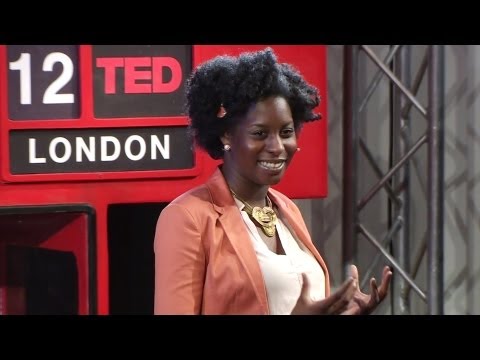
【TED】Faith Jegede Cole: What I've learned from my autistic brothers (Faith Jegede: What I've learned from my autistic brothers)
0
VoiceTube posted on 2013/04/21Discover the incredible insights Faith Jegede Cole gained from her autistic brothers in this inspiring TED talk! You'll hear a powerful sibling story that challenges norms and promotes acceptance, while also picking up on simple sentence structures and cultural depth.
Learn this video on the APP!
The VoiceTube App has more in-depth practice for videos!