
at least
US /æt list/
UK /æt li:st/
- Adverb
- As a minimum
- Not less than
- Phrase
- No less than; at the minimum
- Used to indicate that something is positive in a bad situation.
C2Moreat work
US /æt wɚk/
UK /æt wə:k/
- Phrase
- Located at one's place of employment
A1Morebody
US /ˈbɑdi/
UK /ˈbɒdi/
- Noun
- The physical structure of a person or animal.
- Noun (Countable/Uncountable)
- The main or central part of something.
- The weight and texture of a drink (like wine or coffee) in the mouth.
A2Morecare of
US /kɛr ʌv/
UK /kɛə ɔv/
- Preposition
- Used in an address to indicate the person who will receive the mail for someone else.
A2Morecount on
US /kaʊnt ɑn/
UK /kaunt ɔn/
- Phrasal Verb
- To depend on someone
- To be confident of and expect something
A2Moredisease
US /dɪˈziz/
UK /dɪˈzi:z/
- Noun (Countable/Uncountable)
- Illness that affects a person, animal, or plant
- A disorder of structure or function in a plant, especially one caused by a pathogen.
- Transitive Verb
- To affect with disease; to corrupt or sicken.
A2TOEICMorefall out
US /fɔl aʊt/
UK /fɔ:l aut/
- Phrasal Verb
- To stop being friends with; have a disagreement
A1Morefor example
US
UK
- Phrase
- As an illustration or instance.
for the rest
US /fɔr ði rɛst/
UK /fɔ: ðə rest/
- Phrase
- Concerning the remaining people or things.
- During the remaining part of a period of time.
A1Morefrom now on
US /frʌm naʊ ɑn/
UK /frɔm nau ɔn/
- Phrase
- Starting at this moment and continuing indefinitely into the future.
A1Moregive up
US /ɡɪv ʌp/
UK /ɡiv ʌp/
- Phrasal Verb
- To lose hope or admit defeat
- To decide to not start to try solving a problem
- Verb Phrase
- to surrender an item; hand over an item
A1Morego out
US /ɡo aʊt/
UK /ɡəu aut/
- Phrase
- To leave a building (e.g. a house)
- Phrasal Verb
- (Of a fire) to burn out; be extinguished
- Go out of fashion to stop being fashionable
A1Moregoing on
US /ˈɡoɪŋ ɑn/
UK /ˈgəʊɪŋ ɔn/
- Phrasal Verb
- To continue doing something
- To happen (usually negative)
A1Morehave to
US /hæv tu/
UK /ˈhæv tə/
- Auxiliary Verb
- Must do
A1Moreheal
US /hi:l/
UK /hi:l/
- Verb (Transitive/Intransitive)
- To recover from or forget a bad experience
- To make or become healthy or well again
B1Morein essence
US /ɪn ˈɛsəns/
UK /in ˈesns/
- Phrase
- Used to summarize the main point.
- Relating to the most important aspect of something.
A1Morein fact
US /ɪn fækt/
UK /in fækt/
- Adverb
- Used to emphasize the truth of a statement, especially one that contrasts with or contradicts something else.
- Used to introduce a more detailed or surprising piece of information.
- Phrase
- Used to emphasize the truth of a statement, especially one that is surprising or contrary to what might be expected.
C1Morein order to
US /ɪn ˈɔrdɚ tu/
UK /in ˈɔ:də tu:/
- Preposition
- For the purpose of; with the aim of.
- Phrase
- In a specific sequence or arrangement.
- With the aim of; for the purpose of.
C1Morein the past
US
UK
- Phrase
- During a former period of time; previously.
A1Morelight on
US /laɪt ɑn/
UK /lait ɔn/
- Phrasal Verb
- To illuminate something.
- To discover something unexpectedly.
- Adjective
- Gentle or delicate in the use of something.
A1Moreliterature
US /ˈlɪtərəˌtʃʊr, -tʃɚ/
UK /ˈlɪtrətʃə(r)/
- Uncountable Noun
- Writing valued as art, e.g. fiction, drama, poetry
- The body of written works produced in a particular language, country, or age.
A2Morelive up
US /liv ʌp/
UK /liv ʌp/
- Phrasal Verb
- To be as good as expected or promised.
A1Morelook at
US /lʊk æt/
UK /luk æt/
- Phrasal Verb
- To use your eyes to focus on something
- To focus your eyes on something carefully
A1Moreon average
US /ɑn ˈævərɪdʒ/
UK /ɔn ˈævəridʒ/
- Phrase
- Typically; usually; based on an average calculation.
B1Moreover to
US
UK
- Preposition
- Used to hand over to someone else to speak
- The responsibility is now yours
response
US /rɪˈspɑns/
UK /riˈspɔns/
- Noun
- Something said/written as an answer to something
- Reaction to something that has occurred
A2TOEICMorescientific
US /ˌsaɪənˈtɪfɪk/
UK /ˌsaɪənˈtɪfɪk/
- Adjective
- Concerning academic study of the physical world
- Systematic and precise, following a methodology.
- Noun
- Relating to or used in science.
A2Moresee in
US /si ɪn/
UK /si: in/
- Phrasal Verb
- To accompany someone to the entrance of a building or room.
A1Morestand with
US /stænd wɪð/
UK /stænd wið/
- Phrasal Verb
- To support or defend someone or something.
A1Morestress
US / strɛs/
UK /stres/
- Transitive Verb
- To emphasize one or more parts of a word, sentence
- To put pressure on something or someone
- Noun (Countable/Uncountable)
- Emphasis on part of a word or sentence
- Pressure on something or someone
A2TOEICMoresugar pill
US
UK
- Countable Noun
- A pill that contains no medicine and is given for psychological relief rather than for physiological effect.
A1Morethink about
US /θɪŋk əˈbaʊt/
UK /θiŋk əˈbaut/
- Phrasal Verb
- To consider something carefully.
- To remember or call to mind.
A1Morethink of
US /θɪŋk ʌv/
UK /θiŋk ɔv/
- Phrasal Verb
- To look on as (being something specific); consider
- To consider or remember something.
- Verb (Transitive/Intransitive)
- To imagine or call something to mind
A1Moreto death
US /tu dɛθ/
UK /tu: deθ/
- Phrase
- Extremely; to a great degree
- Until death
B1Moreto do with
US
UK
- Phrasal Verb
- To be about something; concern
A1Moreturn on
US /tɚn ɑn/
UK /tə:n ɔn/
- Phrasal Verb
- To cause someone to be interested or excited
- Transitive Verb
- To activate or switch on a device or appliance.
- To suddenly attack or criticize someone.
A1Moreturned out
US
UK
- Phrasal Verb
- To arrive for a public event or entertainment
- To happen to be in the end
- Transitive Verb
- To extinguish or switch off lights.
A1Moreunder the microscope
US /ˈʌndɚ ðə ˈmaɪkrəˌskoʊp/
UK /ˈʌndə ðə ˈmaɪkrəskəup/
- other
- Being examined very carefully or in great detail.
B2Morewind up
US //ˈwaɪndˌʌp//
UK //ˈwaɪndˌʌp//
- Phrasal Verb
- To be brought to a state of great tension
- To close or finalize something
- Verb (Transitive/Intransitive)
- To arrive or end up in a particular state, situation, or place, especially unintentionally.
- To bring something to an end; to conclude or finish something.
A1More
Vocabulary
- have to: Must do
- care of: Used in an address to indicate the person who will receive the mail for someone else.
- in order to: For the purpose of; with the aim of.
- turn on
- look at: To use your eyes to focus on something
- for example: As an illustration or instance.
- at work: Located at one's place of employment
- think of: To look on as (being something specific); consider
- at least: As a minimum
- give up: To lose hope or admit defeat
- going on: To continue doing something
- turned out: To arrive for a public event or entertainment
- sugar pill: A pill that contains no medicine and is given for psychological relief rather than for physiological effect.
- under the microscope: Being examined very carefully or in great detail.
- for the rest: Concerning the remaining people or things.
- count on: To depend on someone
- wind up: To be brought to a state of great tension
- in essence: Used to summarize the main point.
- fall out
- in fact: Used to emphasize the truth of a statement, especially one that contrasts with or contradicts something else.
- live up: To be as good as expected or promised.
- to death: Extremely; to a great degree
- think about: To consider something carefully.
- on average: Typically; usually; based on an average calculation.
- go out: To leave a building (e.g. a house)
- in the past: During a former period of time; previously.
- to do with: To be about something; concern
- over to: Used to hand over to someone else to speak
- light on: To illuminate something.
- stand with: To support or defend someone or something.
- from now on: Starting at this moment and continuing indefinitely into the future.
- see in: To accompany someone to the entrance of a building or room.
- stress: To emphasize one or more parts of a word, sentence
- life: All the living things e.g. animals, plants, humans
- mind: To be bothered or upset by something
- disease: Illness that affects a person, animal, or plant
- effect: An advantage, benefit
- response: Something said/written as an answer to something
- system: Set of organized, planned ideas that work together
- nervous: Concerning the system of nerves in the body
- heart: A feeling of care for others; compassion
- scientific: Concerning academic study of the physical world
- study: To focus on learning something usually at school
- healthy: In good condition physically, or financially; well
- body: The physical structure of a person or animal.
- literature: Writing valued as art, e.g. fiction, drama, poetry
- heal: To recover from or forget a bad experience
Get the full experience in the app
Learn anywhere with detailed sentence and usage analysis
01:03
She took a brave step forward, leaving behind her comfort zone to chase her dreams.
Vocabulary
- brave
adj. Having courage
- comfort zone
phr. A familiar situation where one feels safe
Explanation
a brave step is a noun phrase, where brave is an adjective modifying the noun step, meaning "a courageous step".
forward is an adverb modifying step, meaning "ahead".
The whole phrase serves as the object, answering the "what" of took (verb) — she took a brave step forward.
Get the full experience in the app
Look up words anytime with pronunciation, part of speech, and usage
brave
US/brev/
UK/breɪv/
adj.Brave
v.t.To bravely face
A2 Elementary
Get the full experience in the app
Practice speaking anytime and get instant pronunciation feedback
Try this speaking exercise.
Try practicing with this sentence.
80
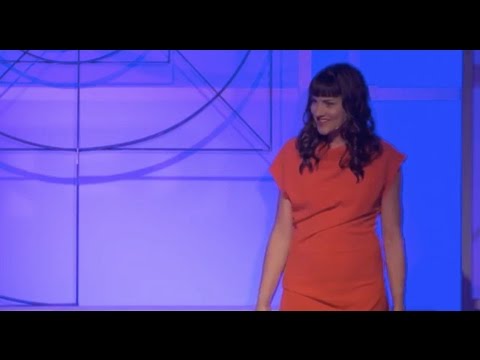
【TEDx】Is there scientific proof we can heal ourselves? | Lissa Rankin, MD | TEDxAmericanRiviera
0
Max Lin posted on 2016/01/01Ever wondered if your mind can truly heal your body? This fascinating TEDx talk dives into the scientific proof behind the placebo effect and spontaneous remission, giving you practical insights into the mind-body connection. You'll pick up advanced vocabulary related to health and wellness that you can use in daily life!
Learn this video on the APP!
The VoiceTube App has more in-depth practice for videos!