
ability
US /əˈbɪlɪti/
UK /ə'bɪlətɪ/
- Noun (Countable/Uncountable)
- The power, resources or skill to do something
- A particular skill or talent.
A2TOEICMoreabsence
US /ˈæbsəns/
UK /ˈæbsəns/
- Uncountable Noun
- State of not being present, or not existing
- A period of time when someone is away.
B1TOEICMoreacademic
US /ˌækəˈdɛmɪk/
UK /ˌækə'demɪk/
- Adjective
- Concerning education, schools, universities, etc.
- Concerning education, schools, universities, etc.
- Noun (Countable/Uncountable)
- Educator teaching at a college or university
- A subject taught at schools and universities.
B1Moreacademically
US /ˌækə'demɪklɪ/
UK /ˌækə'demɪklɪ/
- Adverb
- In regard to teaching or learning
B2Moreaccomplish
US /əˈkɑmplɪʃ/
UK /ə'kʌmplɪʃ/
- Transitive Verb
- To succeed in doing; complete successfully
B1TOEICMoreadapt
US /əˈdæpt/
UK /ə'dæpt/
- Transitive Verb
- To change something for a different function
- To change something to fit or suit a new purpose
- Intransitive Verb
- To change your behaviour so that it is easier to live in a new place or situation
B1TOEICMoreadvocate
US /ˈædvəˌket/
UK /'ædvəkeɪt/
- Noun (Countable/Uncountable)
- A lawyer who protects a clients interests
- Person who supports a movement for changes
- Verb (Transitive/Intransitive)
- To request change
- To publicly support a belief
B1TOEICMoreanxiety
US /æŋˈzaɪɪti/
UK /æŋ'zaɪətɪ/
- Uncountable Noun
- A feeling of worry, nervousness, or unease about something that might happen, especially when the outcome is uncertain.
B1Moreasset
US /ˈæsˌɛt/
UK /'æset/
- Noun (Countable/Uncountable)
- Thing that has value to you
A2TOEICMoreat least
US /æt list/
UK /æt li:st/
- Adverb
- As a minimum
- Not less than
- Phrase
- No less than; at the minimum
- Used to indicate that something is positive in a bad situation.
C2Morebeg
US /bɛɡ/
UK /beg/
- Verb (Transitive/Intransitive)
- To ask someone in an emotional way for something
- (Dog) to sit up to ask for something
B1Moreblow
US /blo/
UK /bləʊ/
- Verb (Transitive/Intransitive)
- To move something using air
- To make air come quickly out of your mouth
- Noun
- Something that causes you difficulty or sadness
- Act of making air come out of your mouth
A2Morebob
US /bɑ:b/
UK /bɒb/
- Intransitive Verb
- To move up and down repeatedly
- Proper Noun
- Person's name
B2Moreclinical
US /ˈklɪnɪkəl/
UK /ˈklɪnɪkl/
- Adjective
- Concerning the treatment or observing patients
- Using scientific techniques and precision
B1Morecoincidence
US /koʊˈɪnsɪdəns/
UK /kəʊˈɪnsɪdəns/
- Noun (Countable/Uncountable)
- Occurrence by chance, not design or planned
- State in which two ideas or opinions are the same
B1Morecommit
US /kəˈmɪt/
UK /kə'mɪt/
- Transitive Verb
- To do something bad, usually a crime
- To promise your permanent love or loyalty (to)
A2TOEICMoreconduct
US / kənˈdʌkt/
UK /kənˈdʌkt/
- Uncountable Noun
- Your behavior
- Verb (Transitive/Intransitive)
- To behave in a certain way; e.g. at a party
- To let electricity or heat travel through
B1TOEICMoreconsists of
US
UK
- Phrasal Verb
- Is made up or composed of.
A1Morecontain
US /kənˈten/
UK /kənˈteɪn/
- Transitive Verb
- To keep something from spreading
- To hold something inside something else
A2Morecope
US /koʊp/
UK /kəʊp/
- Verb (Transitive/Intransitive)
- To deal with something in spite of difficulties
A2Moredeem
US /dim/
UK /di:m/
- Transitive Verb
- To judge something to be a certain thing, way
B2Moredepress
US /dɪˈprɛs/
UK /dɪ'pres/
- Transitive Verb
- To make someone feel sad or miserable
- To push something down
B2Moredepression
US /dɪˈprɛʃən/
UK /dɪ'preʃn/
- Noun (Countable/Uncountable)
- Medical condition of a lack of vitality
- Period of unemployment and low economic activity
B2Morediagnose
US /ˌdaɪəgˈnoʊs/
UK /ˈdaɪəgnəʊz/
- Transitive Verb
- To determine the cause of an illness or problem
B1Moredisease
US /dɪˈziz/
UK /dɪˈzi:z/
- Noun (Countable/Uncountable)
- Illness that affects a person, animal, or plant
- A disorder of structure or function in a plant, especially one caused by a pathogen.
- Transitive Verb
- To affect with disease; to corrupt or sicken.
A2TOEICMoredue to
US /du tu/
UK /dju: tu:/
- Preposition
- Because of; owing to
- Adjective
- Attributable to; caused by.
A1Moreempathy
US /ˈɛmpəθi/
UK /ˈempəθi/
- Uncountable Noun
- Understanding how other people feel/suffer
- The ability to understand and share the feelings of another, especially when those feelings are negative or painful
B2TOEICMoreexact
US /ɪɡˈzækt/
UK /ɪɡ'zækt/
- Adjective
- Completely correct; accurate; specific
- Transitive Verb
- To get something, sometimes using force
A2TOEICMorefight back
US /faɪt bæk/
UK /fait bæk/
- Phrasal Verb
- To make your point more strongly against opponent
A1Morego on
US /ɡo ɑn/
UK /ɡəu ɔn/
- Phrasal Verb
- To continue doing something
- To happen (usually negative)
- Interjection
- Used to encourage someone
A1Moregoing on
US /ˈɡoɪŋ ɑn/
UK /ˈgəʊɪŋ ɔn/
- Phrasal Verb
- To continue doing something
- To happen (usually negative)
A1Morehallway
US /ˈhɔlˌwe/
UK /ˈhɔ:lweɪ/
- Noun
- Interior passage or corridor onto which rooms open
B2Morehatred
US /ˈhetrɪd/
UK /ˈheɪtrɪd/
- Uncountable Noun
- Very strong feeling of dislike; hate
B2Morehave to
US /hæv tu/
UK /ˈhæv tə/
- Auxiliary Verb
- Must do
A1Morein order to
US /ɪn ˈɔrdɚ tu/
UK /in ˈɔ:də tu:/
- Preposition
- For the purpose of; with the aim of.
- Phrase
- In a specific sequence or arrangement.
- With the aim of; for the purpose of.
C1Morein the hospital
US /ɪn ðə ˈhɑspɪtəl/
UK /in ðə ˈhɒspɪtəl/
- Preposition
- Located inside a hospital receiving medical care.
A1Morein the meantime
US /ɪn ði ˈminˌtaɪm/
UK /in ðə ˈmi:ntaim/
- Phrase
- During the time between two events; meanwhile.
A1Morein the past
US
UK
- Phrase
- During a former period of time; previously.
A1Morein the process of
US /ɪn ði ˈprɑsˌɛs ʌv/
UK /in ðə ˈprəuses ɔv/
- Phrase
- During the course of; while something is happening or being done.
A1Moreinsanely
US /ɪn'seɪnlɪ/
UK /ɪn'seɪnlɪ/
- Adverb
- In an insane manner
B2Moreintern
US /ɪnˈtɜ:rn/
UK /ɪnˈtɜ:n/
- Countable Noun
- Person working to get experience/train for a job
- Intransitive Verb
- To have a job as an intern
C2Moreirrelevant
US /ɪˈrɛləvənt/
UK /ɪˈreləvənt/
- Adjective
- Not important; not related to the topic
A2TOEICMorelack
US /læk/
UK /læk/
- Verb (Transitive/Intransitive)
- To not have, or not have enough, of something
- Uncountable Noun
- The state of not having or not having enough of
A2TOEICMorelookout
US /ˈlʊkˌaʊt/
UK /ˈlʊkaʊt/
- Countable Noun
- Person who keeps watch, e.g. for an enemy
- Intransitive Verb
- To keep watch for some anticipated event
C2Moremental
US /ˈmɛntl/
UK /ˈmentl/
- Adjective
- Concerning the mind
A2TOEICMoremotivate
US /ˈmotəˌvet/
UK /'məʊtɪveɪt/
- Transitive Verb
- To give someone a reason, the will to do something
A2TOEICMoreon the lookout
US /ɑn ði ˈlʊkˌaʊt/
UK /ɔn ðə ˈlʊkˌaʊt/
- Adjective
- Vigilantly searching for someone or something.
- Idiom
- To be watching carefully in order to detect something, such as danger or opportunity.
A1Moreout there
US /aʊt ðɛr/
UK /aut ðɛə/
- Adverb
- In or to a place that is far away
- Existing in the universe
- Adjective
- Unconventional; strange; avant-garde
- Existing or available.
A1Moreoverwhelming
US /ˌovɚˈhwɛlmɪŋ, -ˈwɛl-/
UK /ˌəʊvəˈwelmɪŋ/
- Transitive Verb
- To defeat something or someone completely
- To affect someone emotionally in a strong way
- Adjective
- Having too much to handle (e.g. work)
- Very great or very strong; so powerful that you cannot resist or decide how to react
B2Morepeeve
US /piv/
UK /pi:v/
- Transitive Verb
- To cause to be annoyed, angry or irritated
C2Morepetition
US /pəˈtɪʃən/
UK /pə'tɪʃn/
- Noun
- Request to an authority to change something
- Transitive Verb
- To request an authority to make a change
B1Morepositivity
US /ˌpɒzə'tɪvətɪ/
UK /ˌpɒzɪ'tɪvɪtɪ/
- Uncountable Noun
- Tendency to be positive or accepting
- The practice of being or tendency to be positive or optimistic in attitude.
B2Morereputation
US /ˌrɛpjəˈteʃən/
UK /ˌrepjuˈteɪʃn/
- Noun (Countable/Uncountable)
- Common opinion that people have about someone
- A widespread belief that someone or something has a particular characteristic.
B1TOEICMoreresult in
US /rɪˈzʌlt ɪn/
UK /riˈzʌlt in/
- Phrasal Verb
- To cause or produce as a consequence.
set up
US /sɛt ʌp/
UK /set ʌp/
- Phrasal Verb
- To make arrangements for something; establish
- Verb (Transitive/Intransitive)
- To arrange or prepare something for use.
- To start a business, organization, etc.
A1Moresevere
US /səˈvɪr/
UK /sɪ'vɪə(r)/
- Adjective
- Very bad; harsh
- (Of clothes, etc.) plain; simple; not decorated
A2TOEICMoresociety
US /səˈsaɪɪti/
UK /sə'saɪətɪ/
- Noun (Countable/Uncountable)
- A group who meet to share values or interests
- Group of people living together
A2TOEICMorestandardize
US /ˈstændərdaɪz/
UK /ˈstændədaɪz/
- Transitive Verb
- To change to make everything the same level
B2Morestereotypical
US
UK
- Adjective
- In an inaccurate and simplistic manner
B2Moresuch as
US /sʌtʃ æz/
UK /sʌtʃ æz/
- Preposition
- For example; like
A1Moresuffer
US / ˈsʌfɚ/
UK /'sʌfə(r)/
- Verb (Transitive/Intransitive)
- To experience pain, illness, or injury
- To allow or permit something, especially something unpleasant.
A2Moresuicide
US /ˈsuɪˌsaɪd/
UK /'su:ɪsaɪd/
- Noun
- Act of purposely killing yourself
- Act that ruins a person's career, status etc.
B2Moretalk about it
US /tɔk əˈbaʊt ɪt/
UK /tɔ:k əˈbaut it/
- Verb (Transitive/Intransitive)
- To discuss a particular subject.
A1Moretransition
US /trænˈzɪʃən, -ˈsɪʃ-/
UK /trænˈzɪʃn/
- Noun
- Change from one state, movement, place to another
- Intransitive Verb
- To change state, movement, place, or subject
B1Morewait for
US /wet fɔr/
UK /weit fɔ:/
- Phrasal Verb
- To wait until someone comes, or something happens
A1Moreweird
US /wɪrd/
UK /wɪəd/
- Adjective
- Odd or unusual; surprising; strange
- Eerily strange or disturbing.
B1More
Vocabulary
- going on: To continue doing something
- in the hospital: Located inside a hospital receiving medical care.
- fight back: To make your point more strongly against opponent
- in the past: During a former period of time; previously.
- go on: To continue doing something
- due to: Because of; owing to
- talk about it: To discuss a particular subject.
- such as: For example; like
- result in: To cause or produce as a consequence.
- at least: As a minimum
- in order to: For the purpose of; with the aim of.
- consists of: Is made up or composed of.
- wait for: To wait until someone comes, or something happens
- have to: Must do
- in the process of: During the course of; while something is happening or being done.
- on the lookout: Vigilantly searching for someone or something.
- in the meantime: During the time between two events; meanwhile.
- set up
- out there: In or to a place that is far away
- weird: Odd or unusual; surprising; strange
- anxiety: A feeling of worry, nervousness, or unease about something that might happen, especially when the outcome is uncertain.
- mental: Concerning the mind
- depression: Medical condition of a lack of vitality
- overwhelming: To defeat something or someone completely
- empathy: Understanding how other people feel/suffer
- realize: To become aware of or understand mentally
- severe: Very bad; harsh
- coincidence: Occurrence by chance, not design or planned
- accomplish: To succeed in doing; complete successfully
- reputation: Common opinion that people have about someone
- exact: Completely correct; accurate; specific
- disease: Illness that affects a person, animal, or plant
- commit: To do something bad, usually a crime
- academic: Concerning education, schools, universities, etc.
- advocate: A lawyer who protects a clients interests
- ability: The power, resources or skill to do something
- increase: To make or become larger in size or amount
- lack: To not have, or not have enough, of something
- cope: To deal with something in spite of difficulties
- conduct: Your behavior
- suffer: To experience pain, illness, or injury
- society: A group who meet to share values or interests
- irrelevant: Not important; not related to the topic
- adapt: To change something for a different function
- simply: In an easy or clear manner
- asset: Thing that has value to you
- blow: To move something using air
- motivate: To give someone a reason, the will to do something
- transition: Change from one state, movement, place to another
- contain: To keep something from spreading
- deem: To judge something to be a certain thing, way
- clinical: Concerning the treatment or observing patients
- absence: State of not being present, or not existing
- hatred: Very strong feeling of dislike; hate
- suicide: Act of purposely killing yourself
- diagnose: To determine the cause of an illness or problem
- petition: Request to an authority to change something
- control: A device designed to operate a machine
- simple: Not hard to understand or do; not complex
- support: To give assistance or advice to someone
- insanely: In an insane manner
- intern: Person working to get experience/train for a job
- program: To make someone act or think in a certain way
- change: To exchange one set of clothes for another
- question: To ask for or try to get information
- quick: Using very little time; moving far in little time
- beg: To ask someone in an emotional way for something
- life: All the living things e.g. animals, plants, humans
- stereotypical: In an inaccurate and simplistic manner
- fight: To argue or quarrel with someone about something
- hallway: Interior passage or corridor onto which rooms open
- country: An area of land that is controlled by a government
- meet: To provide something that is necessary
- happen: To take place or occur
- academically: In regard to teaching or learning
- peeve: To cause to be annoyed, angry or irritated
- positivity: Tendency to be positive or accepting
- bob: To move up and down repeatedly
- depress: To make someone feel sad or miserable
- lookout: Person who keeps watch, e.g. for an enemy
- standardize: To change to make everything the same level
Get the full experience in the app
Learn anywhere with detailed sentence and usage analysis
01:03
She took a brave step forward, leaving behind her comfort zone to chase her dreams.
Vocabulary
- brave
adj. Having courage
- comfort zone
phr. A familiar situation where one feels safe
Explanation
a brave step is a noun phrase, where brave is an adjective modifying the noun step, meaning "a courageous step".
forward is an adverb modifying step, meaning "ahead".
The whole phrase serves as the object, answering the "what" of took (verb) — she took a brave step forward.
Get the full experience in the app
Look up words anytime with pronunciation, part of speech, and usage
brave
US/brev/
UK/breɪv/
adj.Brave
v.t.To bravely face
A2 Elementary
Get the full experience in the app
Practice speaking anytime and get instant pronunciation feedback
Try this speaking exercise.
Try practicing with this sentence.
80
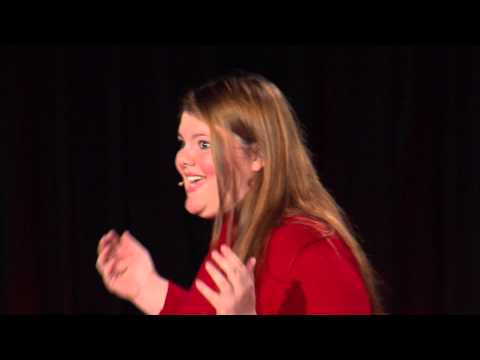
【TEDx】The truth about teen depression | Megan Shinnick | TEDxYouth@BeaconStreet
0
aaaa22223456 posted on 2021/06/06Ever wondered about the real struggles teens face with depression? This powerful TEDx talk dives deep into the truth about teen mental health, sharing personal stories and advocating for better support systems. You'll not only gain a deeper understanding of this important issue but also pick up advanced vocabulary and complex sentence structures along the way!
Learn this video on the APP!
The VoiceTube App has more in-depth practice for videos!