
add up to
US /æd ʌp tu/
UK /æd ʌp tu:/
- Phrasal Verb
- To amount to a particular sum or total.
- To have a particular result or effect; to be equal to.
A2Moreall the things
US
UK
- Pronoun
- Everything; all items or aspects
- Determiner
- Every item or object being considered or discussed.
A1Morealong with
US /əˈlɔŋ wɪð/
UK /əˈlɔŋ wið/
- Preposition
- In addition to; together with.
- Adverb
- In company or together with someone or something.
- Including; in addition to.
A2Moreat risk
US
UK
- Phrase
- In danger; likely to be harmed
at the same time
US
UK
- Phrase
- Simultaneously; at the identical moment.
- Nevertheless; however; used to introduce a contrasting or qualifying statement.
A1Moreattack
US /əˈtæk/
UK /ə'tæk/
- Transitive Verb
- To try to destroy, beat, or injure
- Noun
- Act intended to hurt someone physically, mentally
A2Moreby doing that
US
UK
- Phrase
- Using that action or method.
A2Morechallenge
US /ˈtʃæləndʒ/
UK /'tʃælɪndʒ/
- Noun (Countable/Uncountable)
- An activity you wish to try that may be hard to do
- Act of formally inviting someone to compete
- Transitive Verb
- To formally invite someone to compete at something
- To question the correctness of something
A2Morecome from
US /kʌm frʌm/
UK /kʌm frɔm/
- Phrasal Verb
- To have as your native country or city
A1Morecome up with
US /kʌm ʌp wɪð/
UK /kʌm ʌp wið/
- Phrasal Verb
- To think of an idea or solution; produce
A1Morecultural
US /ˈkʌltʃərəl/
UK /ˈkʌltʃərəl/
- Adjective
- Of a particular society's customs and beliefs
- Of arts, music, literature, theater
A2Morecure
US /kjʊr/
UK /kjʊə(r)/
- Noun
- Something that solves a problem or makes it better
- Medical treatment making a sick person healthy
- Transitive Verb
- To fix or improve a problem
- To make someone healthy or make a disease go away
B1Moredeal with
US /dil wɪð/
UK /di:l wið/
- Verb (Transitive/Intransitive)
- To buy or sell goods or services.
- Phrasal Verb
- To take action to solve a problem or manage a situation.
- To be about; concern.
A1Moredisease
US /dɪˈziz/
UK /dɪˈzi:z/
- Noun (Countable/Uncountable)
- Illness that affects a person, animal, or plant
- A disorder of structure or function in a plant, especially one caused by a pathogen.
- Transitive Verb
- To affect with disease; to corrupt or sicken.
A2TOEICMoreeconomic
US /ˌɛkəˈnɑmɪk, ˌikə-/
UK /ˌi:kəˈnɒmɪk/
- Adjective
- Concerning trade, industry, and money
- Financially worthwhile; profitable.
- Noun
- A system relating to economics
- A factor relating to economics
A2Moreeffort
US /ˈɛfət/
UK /ˈefət/
- Uncountable Noun
- Amount of work used trying to do something
- A conscious exertion of power; a try.
A2TOEICMoreelectricity
US /ɪlɛkˈtrɪsɪti,ˌilɛk-/
UK /ɪˌlekˈtrɪsəti/
- Uncountable Noun
- Energy generated positive and negative charges
- The study or science of electric charges and currents.
A2Moreend in
US /ɛnd ɪn/
UK /end in/
- Phrasal Verb
- To have something as the final result.
except that
US /ɪkˈsɛpt ðæt/
UK /ikˈsept ðæt/
- Conjunction
- But; with the exception that.
A2Morefight off
US /faɪt ɔf/
UK /fait ɔf/
- Phrasal Verb
- To defend a position, often violently
- To resist or struggle to get rid of an illness or negative feeling.
A1Morefigure out
US /ˈfɪɡjɚ aʊt/
UK /ˈfiɡə aut/
- Phrasal Verb
- To understand the behavior of someone
- To think through logically to find a solution
- Verb (Transitive/Intransitive)
- To understand or find an answer to something.
- To find a solution to a problem or understand something.
A1Morefor days
US /fɔr dez/
UK /fɔ: deɪz/
- Phrase
- For a long period of time; lasting several days.
for example
US
UK
- Phrase
- As an illustration or instance.
for free
US /fɔr fri/
UK /fɔ: fri:/
- Phrase
- Without charge; at no cost.
- Adjective
- Available without payment.
A2Morefor one thing
US /fɔr wʌn θɪŋ/
UK /fɔ: wʌn θiŋ/
- Phrase
- Used to introduce a reason for something.
A1Moreget up in
US /ɡɛt ʌp ɪn/
UK /ɡet ʌp ɪn/
- other
- To wake and leave bed at a particular time.
B2Morehave to
US /hæv tu/
UK /ˈhæv tə/
- Auxiliary Verb
- Must do
A1Morehuge
US /hjudʒ/
UK /hju:dʒ/
- Adjective
- Very very large
A2Morein fact
US /ɪn fækt/
UK /in fækt/
- Adverb
- Used to emphasize the truth of a statement, especially one that contrasts with or contradicts something else.
- Used to introduce a more detailed or surprising piece of information.
- Phrase
- Used to emphasize the truth of a statement, especially one that is surprising or contrary to what might be expected.
C1Morein public
US /ɪn ˈpʌblɪk/
UK /in ˈpʌblik/
- Phrase
- In a place where anyone can see or hear you.
- Adjective
- Relating to the government or the people as a whole.
B1Morein the middle of
US
UK
- Phrase
- In the central part or point of something.
- Engaged or occupied with something.
A2Morein the world
US /ɪn ði wɜrld/
UK /in ðə wɜː(r)ld/
- Phrase
- Used to emphasize a question expressing surprise, confusion, disbelief
- Used to indicate the extent or degree of something, often in a superlative sense
A1Moreof course
US /ʌv kɔː(r)s/
UK /ɔv kɔː(r)s/
- Adverb
- Sure ; Certainly
- Phrase
- For sure; certainly
A2Moreon earth
US /ɑn ɚθ/
UK /ɔn ə:θ/
- Phrase
- Used to emphasize a question expressing surprise or anger.
- Used to emphasize that something is not possible or will not happen.
A1Moreoutside of
US /aʊtˈsaɪd ʌv/
UK /ˌautˈsaid ɔv/
- Preposition
- Located or situated beyond the boundaries or confines of something.
- Beyond the scope, range, or limits of something.
A1Morerun to
US /rʌn tu/
UK /rʌn tu:/
- Phrasal Verb
- To have enough money; be able to pay; afford
- To go to some place
A1Moresame time
US
UK
- Phrase
- Occurring simultaneously or at the same point in time.
- At the identical time as before; recurring at a fixed hour.
- Noun
- An equal duration or period.
A1Morescientific
US /ˌsaɪənˈtɪfɪk/
UK /ˌsaɪənˈtɪfɪk/
- Adjective
- Concerning academic study of the physical world
- Systematic and precise, following a methodology.
- Noun
- Relating to or used in science.
A2Moresleep out
US /slip aʊt/
UK /sli:p aut/
- Phrasal Verb
- To sleep outside, usually for pleasure or because you have no home.
A1Morestring up
US
UK
- Phrasal Verb
- To hang someone by a rope, especially as a form of punishment or execution.
- To suspend something from a height using string or rope.
A1Morethink about
US /θɪŋk əˈbaʊt/
UK /θiŋk əˈbaut/
- Phrasal Verb
- To consider something carefully.
- To remember or call to mind.
A1Morethink of
US /θɪŋk ʌv/
UK /θiŋk ɔv/
- Phrasal Verb
- To look on as (being something specific); consider
- To consider or remember something.
- Verb (Transitive/Intransitive)
- To imagine or call something to mind
A1Moreto death
US /tu dɛθ/
UK /tu: deθ/
- Phrase
- Extremely; to a great degree
- Until death
B1Moretuck in
US /tʌk ɪn/
UK /tʌk in/
- Phrasal Verb
- To start to eat a meal
- To start eating enthusiastically.
B1Moreturn against
US
UK
- Phrasal Verb
- To stop being a supporter or friend of
A1Morewith it
US /wɪð ɪt/
UK /wið it/
- Adjective
- Intelligent, alert, and up-to-date.
- Understanding and knowledgeable about current trends or information.
A1More
Vocabulary
- outside of: Located or situated beyond the boundaries or confines of something.
- come from: To have as your native country or city
- add up to: To amount to a particular sum or total.
- for one thing: Used to introduce a reason for something.
- all the things: Everything; all items or aspects
- think about: To consider something carefully.
- for example: As an illustration or instance.
- think of: To look on as (being something specific); consider
- have to: Must do
- sleep out: To sleep outside, usually for pleasure or because you have no home.
- at the same time: Simultaneously; at the identical moment.
- same time: Occurring simultaneously or at the same point in time.
- fight off: To defend a position, often violently
- for days: For a long period of time; lasting several days.
- on earth: Used to emphasize a question expressing surprise or anger.
- to death: Extremely; to a great degree
- come up with: To think of an idea or solution; produce
- along with: In addition to; together with.
- in the world: Used to emphasize a question expressing surprise, confusion, disbelief
- end in: To have something as the final result.
- run to: To have enough money; be able to pay; afford
- tuck in: To start to eat a meal
- deal with
- of course: Sure ; Certainly
- in fact: Used to emphasize the truth of a statement, especially one that contrasts with or contradicts something else.
- at risk: In danger; likely to be harmed
- turn against: To stop being a supporter or friend of
- figure out: To understand the behavior of someone
- in public: In a place where anyone can see or hear you.
- except that: But; with the exception that.
- get up in: To wake and leave bed at a particular time.
- string up: To hang someone by a rope, especially as a form of punishment or execution.
- in the middle of: In the central part or point of something.
- for free: Without charge; at no cost.
- with it: Intelligent, alert, and up-to-date.
- by doing that: Using that action or method.
- people: Persons sharing culture, country, background, etc.
- effort: Amount of work used trying to do something
- life: All the living things e.g. animals, plants, humans
- world: All the humans, events, activities on the earth
- disease: Illness that affects a person, animal, or plant
- challenge: An activity you wish to try that may be hard to do
- huge: Very very large
- live: To be alive
- scientific: Concerning academic study of the physical world
- cure: Something that solves a problem or makes it better
- bad: Not good; wrong
- economic: Concerning trade, industry, and money
- attack: To try to destroy, beat, or injure
- cultural: Of a particular society's customs and beliefs
- electricity: Energy generated positive and negative charges
Get the full experience in the app
Learn anywhere with detailed sentence and usage analysis
01:03
She took a brave step forward, leaving behind her comfort zone to chase her dreams.
Vocabulary
- brave
adj. Having courage
- comfort zone
phr. A familiar situation where one feels safe
Explanation
a brave step is a noun phrase, where brave is an adjective modifying the noun step, meaning "a courageous step".
forward is an adverb modifying step, meaning "ahead".
The whole phrase serves as the object, answering the "what" of took (verb) — she took a brave step forward.
Get the full experience in the app
Look up words anytime with pronunciation, part of speech, and usage
brave
US/brev/
UK/breɪv/
adj.Brave
v.t.To bravely face
A2 Elementary
Get the full experience in the app
Practice speaking anytime and get instant pronunciation feedback
Try this speaking exercise.
Try practicing with this sentence.
80
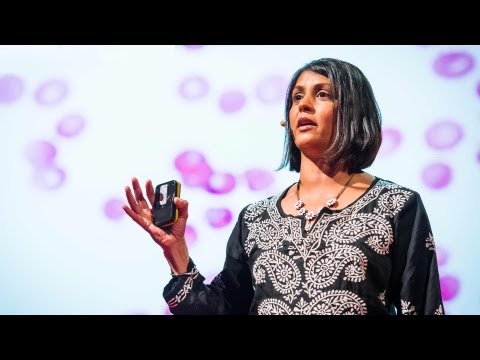
【TED】Sonia Shah: 3 reasons we still haven't gotten rid of malaria
0
Max Lin posted on 2015/12/20Ever wonder why malaria is still such a huge problem? This fascinating talk dives into the science, history, and economics behind why we haven't eradicated it yet. You'll pick up some advanced vocabulary related to public health and gain a deeper understanding of global health challenges!
Learn this video on the APP!
The VoiceTube App has more in-depth practice for videos!