
all the things
US
UK
- Pronoun
- Everything; all items or aspects
- Determiner
- Every item or object being considered or discussed.
A1Moreback in the day
US
UK
- Phrase
- In the past; in former times.
- Referring to a past time, often with a sense of nostalgia or fondness.
A1Morebear
US /bɛr/
UK /bɛː/
- Transitive Verb
- To accept (responsibilities or duties)
- To give birth to a child; to produce fruit
- Countable Noun
- Large brown animal with fur that lives in forests
- Someone who expects stock market to fall
A2Morebias
US /ˈbaɪəs/
UK /'baɪəs/
- Noun (Countable/Uncountable)
- Preference to believe things even if incorrect
- A systematic error in a statistical result
- Transitive Verb
- To unfairly favor one view over another
- To cause someone to have prejudice
B1TOEICMorecome from
US /kʌm frʌm/
UK /kʌm frɔm/
- Phrasal Verb
- To have as your native country or city
A1Morediversity
US /dɪˈvə:sɪti, daɪ-/
UK /daɪ'vɜ:sətɪ/
- Noun (Countable/Uncountable)
- Having a range of different races, ideas etc.
- A range of different things.
B1TOEICMoredrop into
US
UK
- Phrasal Verb
- To visit someone or some place casually and often briefly.
- To descend or fall into a state or condition.
B1Moredue to
US /du tu/
UK /dju: tu:/
- Preposition
- Because of; owing to
- Adjective
- Attributable to; caused by.
A1Moreexecutive
US /ɪɡˈzɛkjətɪv/
UK /ɪɡ'zekjətɪv/
- Noun (Countable/Uncountable)
- A senior manager in a business or organization
- The branch of government responsible for enforcing laws.
- Adjective
- Of a high ranking job in a company
- Relating to the management of a business or organization.
A2TOEICMoreexperiment
US /ɪkˈspɛrəmənt/
UK /ɪk'sperɪmənt/
- Noun (Countable/Uncountable)
- Test performed to assess new ideas or theories
- A course of action tentatively adopted without being sure of the eventual outcome.
- Verb (Transitive/Intransitive)
- To create and perform tests to research something
- To try something new that you haven't tried before
A2TOEICMoreface to face
US /fes tu fes/
UK /feis tu: feis/
- Adverb
- (Meeting) while looking at someone
A1Morefound out
US
UK
- Phrasal Verb
- To learn or discover something, often after some effort.
- To become known; be revealed.
B2Morefrom the outset
US /frəm ði ˈaʊtsɛt/
UK /frəm ði ˈaʊtset/
- other
- From the beginning of a process or event.
B2Moregot to
US /ɡɑt tu/
UK /gɔt tu:/
- Verb (Transitive/Intransitive)
- To arrive at some place
- To have the opportunity or permission to do something
- Phrasal Verb
- To appeal to the emotions of; move
- To finally begin to start something after a delay
A1Morehang out
US /hæŋ aʊt/
UK /hæŋ aut/
- Phrasal Verb
- To spend time with your friends
- To spend times with friends or relax doing nothing
A2Morehave to
US /hæv tu/
UK /ˈhæv tə/
- Auxiliary Verb
- Must do
A1Moreidentical
US /aɪˈdɛntɪkəl/
UK /aɪˈdentɪkl/
- Adjective
- The same in every way
- Satisfied by all values of the variables involved.
B1Morein areas
US
UK
- Phrase
- Located or occurring within specific regions or locations.
- Relating to specific fields, subjects, or disciplines.
A1Morein places
US
UK
- Phrase
- In some locations but not others
A1Morein private
US /ɪn ˈpraɪvɪt/
UK /in ˈpraivit/
- Phrase
- Not in public; in a place where other people cannot see or hear you
- In a confidential manner; not intended for general knowledge
B1Morein terms of
US
UK
- Phrase
- With regard to; concerning a particular aspect.
A1Morein the space of
US /ɪn ðə ˈspeɪs ʌv/
UK /in ðə ˈspeis ɔv/
- Preposition
- Within a certain period of time.
B2Morein the world
US /ɪn ði wɜrld/
UK /in ðə wɜː(r)ld/
- Phrase
- Used to emphasize a question expressing surprise, confusion, disbelief
- Used to indicate the extent or degree of something, often in a superlative sense
A1Moreinfluence
US / ˈɪnfluəns/
UK /'ɪnflʊəns/
- Verb (Transitive/Intransitive)
- To affect or change something indirectly
- To persuade someone to do something.
- Noun (Countable/Uncountable)
- The power to affect what happens, to persuade etc.
- A person or thing that affects someone or something in an important way.
A2TOEICMorelack
US /læk/
UK /læk/
- Verb (Transitive/Intransitive)
- To not have, or not have enough, of something
- Uncountable Noun
- The state of not having or not having enough of
A2TOEICMorelook at
US /lʊk æt/
UK /luk æt/
- Phrasal Verb
- To use your eyes to focus on something
- To focus your eyes on something carefully
A1Morelook past
US
UK
- Phrasal Verb
- To ignore something, especially a fault, in order to help someone.
A1Moreon impact
US
UK
- Phrase
- Immediately upon collision or forceful contact.
- Relating to the effect or influence of something.
A1Moreopening up
US
UK
- Phrasal Verb
- Revealing one's thoughts and feelings; becoming more communicative.
- Creating new opportunities or possibilities.
B2Moreopportunity
US /ˌɑpɚˈtunɪti, -ˈtju-/
UK /ˌɒpə'tju:nətɪ/
- Noun (Countable/Uncountable)
- Time, situation when a thing might be done; chance
- A favorable time or occasion for doing something.
A2TOEICMoreout of place
US /aʊt ʌv ples/
UK /aut ɔv pleis/
- Adjective
- Not comfortable or belonging in a particular situation.
- Not in the correct or usual position; missing.
A1Morepast it
US
UK
- Adjective
- No longer capable or effective due to age or declining condition.
- Beyond the point of being useful or functional.
A1Moreplay in
US
UK
- Phrasal Verb
- To participate or compete in a game or competition.
- To have a role in a theatrical production.
A1Moreput out
US /pʊt aʊt/
UK /put aut/
- Phrasal Verb
- To publish, e.g. a book
- To cause someone to be troubled or inconvenienced
A1Morerace
US /res/
UK /reɪs/
- Noun (Countable/Uncountable)
- Speed contest between people, animals or vehicles
- People who share physical features or culture
- Intransitive Verb
- To take part in a running or swimming competition
- To move or go at a very fast pace
A2Morerather than
US
UK
- Adverb
- More exactly; more correctly
- Preferably; instead
- Preposition
- Instead of
A1Morerefugee
US /ˌrɛfjʊˈdʒi/
UK /ˌrefjuˈdʒi:/
- Countable Noun
- Person forced to leave their home e.g. due to war
B2Moresolution
US /səˈluʃən/
UK /səˈlu:ʃn/
- Noun (Countable/Uncountable)
- Mix of a liquid and a solid or a gas
- Way to solve or deal with a problem
A2Morestart up
US /stɑrt ʌp/
UK /stɑ:t ʌp/
- Countable Noun
- A newly established business.
- Phrasal Verb
- To begin or initiate something.
- To begin a new business or enterprise.
A1Moretake out
US /tek aʊt/
UK /teik aut/
- Phrasal Verb
- To apply for and get a license
- To take someone on a date
- Uncountable Noun
- Food purchased at a restaurant to eat elsewhere.
A1Morethink about
US /θɪŋk əˈbaʊt/
UK /θiŋk əˈbaut/
- Phrasal Verb
- To consider something carefully.
- To remember or call to mind.
A1Moreto do with
US
UK
- Phrasal Verb
- To be about something; concern
A1Moreunconscious
US /ʌnˈkɑnʃəs/
UK /ʌnˈkɒnʃəs/
- Adjective
- Not aware of what is going on around you
- Not being deliberate or on purpose
- Uncountable Noun
- The part of the mind that contains thoughts and feelings that one is not aware of.
B1Morewalk down
US /wɔk daʊn/
UK /wɔ:k daun/
- Phrasal Verb
- To walk along or down something.
- To proceed along an aisle, especially at a wedding.
A1Morewith it
US /wɪð ɪt/
UK /wið it/
- Adjective
- Intelligent, alert, and up-to-date.
- Understanding and knowledgeable about current trends or information.
A1Morework at
US /wɚk æt/
UK /wə:k æt/
- Phrasal Verb
- To have a job at a particular place or organization.
- To make an effort to improve something.
A1More
Vocabulary
- have to: Must do
- in places: In some locations but not others
- in the space of: Within a certain period of time.
- look at: To use your eyes to focus on something
- past it: No longer capable or effective due to age or declining condition.
- due to: Because of; owing to
- to do with: To be about something; concern
- think about: To consider something carefully.
- look past: To ignore something, especially a fault, in order to help someone.
- walk down: To walk along or down something.
- found out: To learn or discover something, often after some effort.
- with it: Intelligent, alert, and up-to-date.
- in areas: Located or occurring within specific regions or locations.
- from the outset: From the beginning of a process or event.
- play in: To participate or compete in a game or competition.
- back in the day: In the past; in former times.
- face to face: (Meeting) while looking at someone
- rather than: More exactly; more correctly
- on impact: Immediately upon collision or forceful contact.
- in terms of
- put out: To publish, e.g. a book
- got to: To arrive at some place
- hang out: To spend time with your friends
- come from: To have as your native country or city
- in the world: Used to emphasize a question expressing surprise, confusion, disbelief
- all the things: Everything; all items or aspects
- start up: A newly established business.
- in private: Not in public; in a place where other people cannot see or hear you
- drop into: To visit someone or some place casually and often briefly.
- work at: To have a job at a particular place or organization.
- take out: To apply for and get a license
- out of place: Not comfortable or belonging in a particular situation.
- opening up: Revealing one's thoughts and feelings; becoming more communicative.
- opportunity: Time, situation when a thing might be done; chance
- world: All the humans, events, activities on the earth
- experiment: Test performed to assess new ideas or theories
- change: To exchange one set of clothes for another
- lack: To not have, or not have enough, of something
- executive: A senior manager in a business or organization
- influence: To affect or change something indirectly
- bias: Preference to believe things even if incorrect
- race: Speed contest between people, animals or vehicles
- unconscious: Not aware of what is going on around you
- bear: To accept (responsibilities or duties)
- solution: Mix of a liquid and a solid or a gas
- diversity: Having a range of different races, ideas etc.
- identical: The same in every way
- refugee: Person forced to leave their home e.g. due to war
Get the full experience in the app
Learn anywhere with detailed sentence and usage analysis
01:03
She took a brave step forward, leaving behind her comfort zone to chase her dreams.
Vocabulary
- brave
adj. Having courage
- comfort zone
phr. A familiar situation where one feels safe
Explanation
a brave step is a noun phrase, where brave is an adjective modifying the noun step, meaning "a courageous step".
forward is an adverb modifying step, meaning "ahead".
The whole phrase serves as the object, answering the "what" of took (verb) — she took a brave step forward.
Get the full experience in the app
Look up words anytime with pronunciation, part of speech, and usage
brave
US/brev/
UK/breɪv/
adj.Brave
v.t.To bravely face
A2 Elementary
Get the full experience in the app
Practice speaking anytime and get instant pronunciation feedback
Try this speaking exercise.
Try practicing with this sentence.
80
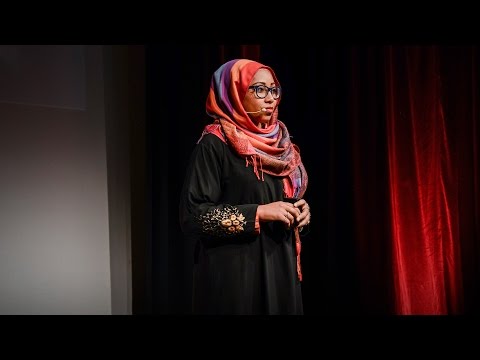
【TED】Yassmin Abdel-Magied: What does my headscarf mean to you? (What does my headscarf mean to you? | Yassmin Abdel-Magied)
0
Max Lin posted on 2015/12/12Ever wondered what assumptions people make about you based on your appearance? Yassmin Abdel-Magied shares her personal story and insights into unconscious bias, challenging us to look beyond first impressions. You'll pick up advanced vocabulary and gain a deeper understanding of cultural perspectives, making this an inspiring watch!
Learn this video on the APP!
The VoiceTube App has more in-depth practice for videos!