
at that time
US /æt ðæt taɪm/
UK /æt ðæt taim/
- Phrase
- During a specific point in the past.
A1Morebreak up
US /brek ʌp/
UK /breik ʌp/
- Phrase
- Phrasal Verb
- (Of party, relationship) to come to an end
- To end something, e.g. a fight
A1Morecelebrity
US /səˈlɛbrɪti/
UK /sə'lebrətɪ/
- Countable Noun
- A (famous) entertainer known by many people
- Uncountable Noun
- The state of being well-known or famous.
B2Morefeel like
US
UK
- Intransitive Verb
- To have a desire or inclination for something.
- To have a particular quality or sensation; resemble.
A1Morefirst off
US /fɚst ɔf/
UK /fə:st ɔf/
- Phrase
- To begin with; firstly.
- Most importantly; above all else.
A1Morefreak out
US /frik aʊt/
UK /fri:k aut/
- Phrasal Verb
- To react or behave in a wild or irrational way
- To become very anxious, upset, or afraid; to panic.
- Intransitive Verb
- To experience or display extreme emotions, such as fear or panic.
- To have a very disturbing and frightening experience caused by taking drugs.
B2Moreget behind
US /ɡɛt bɪˈhaɪnd/
UK /ɡet biˈhaind/
- Phrasal Verb
- To support or encourage.
- To fail to make enough progress or to do something by a particular time.
give off
US /ɡɪv ɔf/
UK /ɡiv ɔf/
- Phrasal Verb
- To produce a smell or gas; emit
A1Moregoing on
US /ˈɡoɪŋ ɑn/
UK /ˈgəʊɪŋ ɔn/
- Phrasal Verb
- To continue doing something
- To happen (usually negative)
A1Morehave to
US /hæv tu/
UK /ˈhæv tə/
- Auxiliary Verb
- Must do
A1Morehold up to
US /hoʊld ʌp tu/
UK /hould ʌp tu:/
- other
- To withstand or endure something unpleasant or difficult.
B2Morein general
US /ɪn ˈdʒɛnərəl/
UK /in ˈdʒenərəl/
- Phrase
- Typically; usually; on the whole.
- Not specific or detailed; broadly.
- Adjective
- Not detailed or specific; overall.
C2Morein the past
US
UK
- Phrase
- During a former period of time; previously.
A1Morein the spotlight
US
UK
- Phrase
- Receiving a lot of public attention; at the center of attention.
- Subject to intense public scrutiny or examination.
A1Morejump out
US /dʒʌmp aʊt/
UK /dʒʌmp aut/
- Phrasal Verb
- To suddenly appear or move forward, often to surprise someone.
- To be very obvious or easily noticeable.
A2Morejust kind of
US
UK
- Phrase
- Used to express a feeling or state in a vague or hesitant way.
- Used to indicate something is approximately or generally similar to something else.
A2Moremake up
US /mek ʌp/
UK /meik ʌp/
- Phrasal Verb
- To invent or create a story
- To add up to
- Verb (Transitive/Intransitive)
- To invent a story, excuse, etc.
- To compensate for something lost, missed, or deficient.
A1Moreout there
US /aʊt ðɛr/
UK /aut ðɛə/
- Adverb
- In or to a place that is far away
- Existing in the universe
- Adjective
- Unconventional; strange; avant-garde
- Existing or available.
A1Moreover time
US /ˈovɚ taɪm/
UK /ˈəuvə taim/
- Phrase
- Gradually; as time passes.
- During a long period.
- Adverb
- Gradually; as time passes.
B1Moreplay with fire
US /pleɪ wɪð ˈfaɪɚ/
UK /pleɪ wɪð ˈfaɪə/
- other
- Take dangerous risks that could have serious consequences.
B2Morereact
US /riˈækt/
UK /rɪ'ækt/
- Intransitive Verb
- To change when mixing with other chemicals
- To behave or make a change in a particular way
A2Moreshout out
US /ʃaʊt aʊt/
UK /ʃaut aut/
- Noun
- A public expression of greeting or praise.
- Verb (Transitive/Intransitive)
- To publicly mention or acknowledge someone or something.
- To publicly acknowledge or thank someone.
A2Morestick around
US /stɪk əˈraʊnd/
UK /stik əˈraund/
- Phrasal Verb
- To remain in place; not leave or go
A2Morethink about
US /θɪŋk əˈbaʊt/
UK /θiŋk əˈbaut/
- Phrasal Verb
- To consider something carefully.
- To remember or call to mind.
A1Moreto do with
US
UK
- Phrasal Verb
- To be about something; concern
A1Moreturned out
US
UK
- Phrasal Verb
- To arrive for a public event or entertainment
- To happen to be in the end
- Transitive Verb
- To extinguish or switch off lights.
A1Morevideo
US /ˈvɪdiˌo/
UK /'vɪdɪəʊ/
- Noun (Countable/Uncountable)
- Recording capturing action with sound
- A recording of moving visual images made digitally or on videotape.
- Transitive Verb
- To make a moving film of, with sound
- To make a video call.
A2More
Vocabulary
- have to: Must do
- to do with: To be about something; concern
- feel like: To have a desire or inclination for something.
- in the past: During a former period of time; previously.
- hold up to: To withstand or endure something unpleasant or difficult.
- play with fire: Take dangerous risks that could have serious consequences.
- make up: To invent or create a story
- jump out: To suddenly appear or move forward, often to surprise someone.
- just kind of: Used to express a feeling or state in a vague or hesitant way.
- break up
- going on: To continue doing something
- freak out: To react or behave in a wild or irrational way
- first off: To begin with; firstly.
- give off: To produce a smell or gas; emit
- over time: Gradually; as time passes.
- at that time: During a specific point in the past.
- turned out: To arrive for a public event or entertainment
- think about: To consider something carefully.
- out there: In or to a place that is far away
- stick around: To remain in place; not leave or go
- get behind: To support or encourage.
- in general: Typically; usually; on the whole.
- in the spotlight: Receiving a lot of public attention; at the center of attention.
- shout out: A public expression of greeting or praise.
- to: Toward a point, person, place or thing
- go: To attend or be at a place
- pretty: Being attractive to the eye in a simple way
- people: Persons sharing culture, country, background, etc.
- person: Man, woman or child
- good: Proper, appropriate or right
- celebrity: A (famous) entertainer known by many people
- love: Person's name
- lot: What happens to a person in life from chance; fate
- video: Recording capturing action with sound
- react: To change when mixing with other chemicals
- rock: To be greatly upset by something, e.g. a death
- famous: Excellent
- music: Sounds that are sung or played to give pleasure
- hate: To have a very strong feeling of dislike for
Get the full experience in the app
Learn anywhere with detailed sentence and usage analysis
01:03
She took a brave step forward, leaving behind her comfort zone to chase her dreams.
Vocabulary
- brave
adj. Having courage
- comfort zone
phr. A familiar situation where one feels safe
Explanation
a brave step is a noun phrase, where brave is an adjective modifying the noun step, meaning "a courageous step".
forward is an adverb modifying step, meaning "ahead".
The whole phrase serves as the object, answering the "what" of took (verb) — she took a brave step forward.
Get the full experience in the app
Look up words anytime with pronunciation, part of speech, and usage
brave
US/brev/
UK/breɪv/
adj.Brave
v.t.To bravely face
A2 Elementary
Get the full experience in the app
Practice speaking anytime and get instant pronunciation feedback
Try this speaking exercise.
Try practicing with this sentence.
80
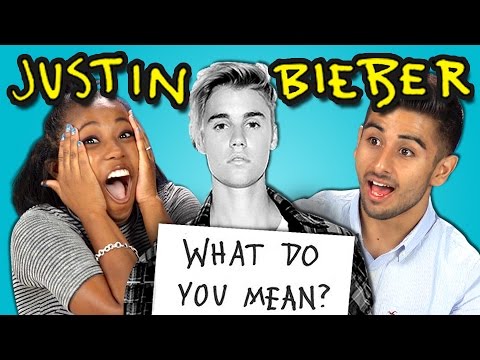
Teens React to Justin Bieber - What Do You Mean?
0
陳嘉鴻 posted on 2016/06/10Get ready to see what teens think of Justin Bieber's "What Do You Mean" music video, complete with its surprising kidnapping scene and sexy vibe! You'll pick up on everyday dialogue and simple sentence structures while diving into some fun cultural commentary.
Learn this video on the APP!
The VoiceTube App has more in-depth practice for videos!