
after all
US /ˈæftɚ ɔl/
UK /ˈɑ:ftə ɔ:l/
- Adverb
- In spite of what was expected; used to introduce a statement that supports a previous statement or explains why it was made
- Considering everything; used to indicate that something is happening or is true despite some difficulty or obstacle
- Phrase
- Despite what was expected or thought; in spite of everything.
- Taking everything into consideration; considering that.
B1Moreas much a
US
UK
- Adverb
- To the same degree or extent.
B1Moreas one
US
UK
- Adverb
- Acting or moving together at the same time.
- In complete agreement or unity.
- Phrase
- With a single voice or opinion; unanimously.
- In perfect harmony or unison.
A1Moreat the outset
US /æt ði ˈaʊtˌsɛt/
UK /æt ðə ˈautset/
- Phrase
- At the very beginning; from the start.
A1Morebased on
US
UK
- Phrasal Verb
- To use something as the foundation or starting point for something else.
- Preposition
- Using something as the main idea or foundation.
- Relying on something as evidence or justification.
A1Morecarry on
US /ˈkæri ɑn/
UK /ˈkæri ɔn/
- Phrasal Verb
- To engage in an activity, e.g. a conversation
- To continue or keep doing something
- Verb (Transitive/Intransitive)
- To continue doing something
A1Morecarry out
US /ˈkæri aʊt/
UK /ˈkæri aut/
- Phrasal Verb
- To fulfill or perform your instructions, duty
- Verb (Transitive/Intransitive)
- To perform or execute a task, order, or plan.
- To remove something or someone from a place.
A1Moreconvert to
US
UK
- Phrasal Verb
- To change into another form, substance, state, or product.
B2Morecouncil
US /ˈkaʊnsəl/
UK /'kaʊnsl/
- Noun (Countable/Uncountable)
- Group chosen to make decisions about something
- A body of people elected or appointed to manage the affairs of a city, county, or other administrative district.
- Transitive Verb
- To advise or recommend.
A2Moredue to
US /du tu/
UK /dju: tu:/
- Preposition
- Because of; owing to
- Adjective
- Attributable to; caused by.
A1Moreeducation
US /ˌɛdʒəˈkeʃən/
UK /ˌedʒuˈkeɪʃn/
- Uncountable Noun
- Academic field studying the practice of teaching
- Process of giving or receiving teaching
A2TOEICMoreend up with
US
UK
- Phrasal Verb
- To have something as a result.
A1Moreequality
US /iˈkwɑ:ləti/
UK /iˈkwɒləti/
- Uncountable Noun
- Idea that all people have the same rights
A2TOEICMorefaith
US /feθ/
UK /feɪθ/
- Uncountable Noun
- Belief in a god or gods; religion
- Belief that that something is true without proof
- Proper Noun
- Person's name
A2TOEICMorefall by the wayside
US /fɔl baɪ ðə ˈweɪˌsaɪd/
UK /fɔ:l baɪ ðə ˈweɪsaɪd/
- other
- To fail to continue or be abandoned before success.
B2Morefreedom
US /ˈfridəm/
UK /'fri:dəm/
- Uncountable Noun
- State of being free, not being controlled
B1Morefund
US /fʌnd/
UK /fʌnd/
- Transitive Verb
- To supply money for something
- Noun (Countable/Uncountable)
- Money collected, saved, or provided for a purpose
- A specific account into which you put money
A2TOEICMoregoing on
US /ˈɡoɪŋ ɑn/
UK /ˈgəʊɪŋ ɔn/
- Phrasal Verb
- To continue doing something
- To happen (usually negative)
A1Moreguard against
US /ɡɑrd əˈɡenst/
UK /ɡɑ:d əˈɡenst/
- Verb (Transitive/Intransitive)
- To take precautions against something undesirable.
- Phrasal Verb
- To take precautions against something; to protect oneself from something negative.
B1Moreidentity
US /aɪˈdɛntɪti/
UK /aɪ'dentətɪ/
- Noun (Countable/Uncountable)
- Collection of qualities that makes a person
- Who someone is; the name of a person
B1Morein fact
US /ɪn fækt/
UK /in fækt/
- Adverb
- Used to emphasize the truth of a statement, especially one that contrasts with or contradicts something else.
- Used to introduce a more detailed or surprising piece of information.
- Phrase
- Used to emphasize the truth of a statement, especially one that is surprising or contrary to what might be expected.
C1Morein line with
US /ɪn laɪn wɪð/
UK /in lain wið/
- Phrase
- In agreement with; conforming to.
- In the same direction or alignment as.
- Preposition
- In agreement or conformity with.
A2Morein other words
US
UK
- Phrase
- Stating something in a different way, often to make it clearer or more understandable.
in terms of
US
UK
- Phrase
- With regard to; concerning a particular aspect.
A1Morein the house
US
UK
- Phrase
- Located inside a building used as a dwelling.
- Within a legislative body, such as a parliament or congress.
A1Morein the past
US
UK
- Phrase
- During a former period of time; previously.
A1Morein the way
US /ɪn ði we/
UK /in ðə wei/
- Phrase
- Obstructing someone or something; hindering progress.
- Stored or placed so as to be available or ready when needed.
A1Morejustify
US /ˈdʒʌstəˌfaɪ/
UK /ˈdʒʌstɪfaɪ/
- Transitive Verb
- To give good reasons for something
B1TOEICMoremarriage
US /ˈmærɪdʒ/
UK /ˈmærɪdʒ/
- Noun
- Relationship between a husband and a wife
- A wedding ceremony
A2Moreno matter
US
UK
- Conjunction
- Regardless of; it does not matter.
- Adverb
- Regardless of; it is not important
A1Moreof course
US /ʌv kɔː(r)s/
UK /ɔv kɔː(r)s/
- Adverb
- Sure ; Certainly
- Phrase
- For sure; certainly
A2Moreoff the bat
US /ɔf ði bæt/
UK /ɔf ðə bæt/
- Phrase
- Immediately; without delay.
- Referring to the moment a baseball leaves the bat after being hit.
A1Moreon the contrary
US
UK
- Phrase
- In contrast; from the opposite standpoint
B1Morepin on
US
UK
- Phrasal Verb
- To claim a specific person was guilty of a crime
A2Moreprivilege
US /ˈprɪvəlɪdʒ, ˈprɪvlɪdʒ/
UK /'prɪvəlɪdʒ/
- Noun (Countable/Uncountable)
- Advantage or right given to only certain people
- An opportunity to do something special or enjoyable.
- Transitive Verb
- To give advantages to some people not others
B1TOEICMorerather than
US
UK
- Adverb
- More exactly; more correctly
- Preferably; instead
- Preposition
- Instead of
A1Moreread out
US /rid aʊt/
UK /ri:d aut/
- Phrasal Verb
- To read something aloud so that other people can hear it.
- Verb (Transitive/Intransitive)
- To display a particular value or measurement.
- To retrieve and display data from a storage device.
A1Moreregardless of
US /rɪˈɡɑrdlɪs ʌv/
UK /riˈɡɑ:dlis ɔv/
- Phrase
- Preposition
- Without being affected or influenced by something; despite.
A2Morereligion
US /rɪˈlɪdʒən/
UK /rɪˈlɪdʒən/
- Countable Noun
- Organized set of beliefs about a god or gods
- Noun (Countable/Uncountable)
- Belief in God or gods that governs people's lives
- A person's particular system of beliefs and worship.
A2Morereligious
US /rɪˈlɪdʒəs/
UK /rɪˈlɪdʒəs/
- Adjective
- Following the rules and beliefs of a faith
- Relating to or manifesting faithful devotion to an acknowledged ultimate reality or deity.
B1Moreseek
US /sik/
UK /si:k/
- Transitive Verb
- To ask someone for help
- To search for; try to find or do; look for
A2TOEICMorethe following
US
UK
- Adjective
- Next in order or sequence.
- Uncountable Noun
- What is about to be said or written.
B1Moreused to
US /juzd tu/
UK /ˈju:st tə/
- Adjective
- Did regularly before, but don't do now
- Auxiliary Verb
- Have done before, but do not do now
A1More
Vocabulary
- no matter: Regardless of; it does not matter.
- in fact: Used to emphasize the truth of a statement, especially one that contrasts with or contradicts something else.
- going on: To continue doing something
- due to: Because of; owing to
- in the past: During a former period of time; previously.
- after all: In spite of what was expected; used to introduce a statement that supports a previous statement or explains why it was made
- fall by the wayside: To fail to continue or be abandoned before success.
- of course: Sure ; Certainly
- at the outset: At the very beginning; from the start.
- the following: Next in order or sequence.
- carry out
- as one: Acting or moving together at the same time.
- rather than: More exactly; more correctly
- regardless of
- read out: To read something aloud so that other people can hear it.
- off the bat: Immediately; without delay.
- pin on: To claim a specific person was guilty of a crime
- guard against: To take precautions against something undesirable.
- in the house: Located inside a building used as a dwelling.
- on the contrary: In contrast; from the opposite standpoint
- in line with: In agreement with; conforming to.
- based on: To use something as the foundation or starting point for something else.
- in other words: Stating something in a different way, often to make it clearer or more understandable.
- end up with: To have something as a result.
- carry on: To engage in an activity, e.g. a conversation
- in terms of
- convert to: To change into another form, substance, state, or product.
- as much a: To the same degree or extent.
- used to: Did regularly before, but don't do now
- in the way: Obstructing someone or something; hindering progress.
- people: Persons sharing culture, country, background, etc.
- privilege: Advantage or right given to only certain people
- faith: Belief in a god or gods; religion
- seek: To ask someone for help
- identity: Collection of qualities that makes a person
- religion: Organized set of beliefs about a god or gods
- religious: Following the rules and beliefs of a faith
- education: Academic field studying the practice of teaching
- marriage: Relationship between a husband and a wife
- law: Field of study that relates to the legal profession
- justify: To give good reasons for something
- freedom: State of being free, not being controlled
- council: Group chosen to make decisions about something
- equality: Idea that all people have the same rights
- fund: To supply money for something
Get the full experience in the app
Learn anywhere with detailed sentence and usage analysis
01:03
She took a brave step forward, leaving behind her comfort zone to chase her dreams.
Vocabulary
- brave
adj. Having courage
- comfort zone
phr. A familiar situation where one feels safe
Explanation
a brave step is a noun phrase, where brave is an adjective modifying the noun step, meaning "a courageous step".
forward is an adverb modifying step, meaning "ahead".
The whole phrase serves as the object, answering the "what" of took (verb) — she took a brave step forward.
Get the full experience in the app
Look up words anytime with pronunciation, part of speech, and usage
brave
US/brev/
UK/breɪv/
adj.Brave
v.t.To bravely face
A2 Elementary
Get the full experience in the app
Practice speaking anytime and get instant pronunciation feedback
Try this speaking exercise.
Try practicing with this sentence.
80
0
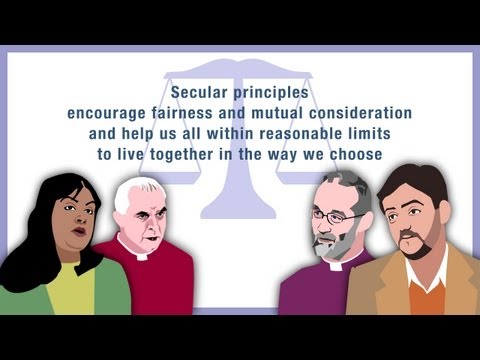
Keith Hwang posted on 2015/11/24Ever wondered about the separation of church and state in the UK? This video dives deep into secularism, exploring fascinating topics like the Church of England's role and landmark High Court rulings. You'll boost your vocabulary with advanced terms related to civil liberties and education policy, all while gaining a richer understanding of British culture!
Learn this video on the APP!
The VoiceTube App has more in-depth practice for videos!