
a couple hundred
US
UK
- Determiner
- Approximately two hundred.
- Phrase
- A small number of hundreds; more than one hundred but not many.
A2Morearticle
US /ˈɑrtɪkəl/
UK /'ɑ:tɪkl/
- Noun (Countable/Uncountable)
- Word such as 'a', 'an', or 'the' used before nouns
- Piece of writing about a particular subject
A2TOEICMoreat the most
US /ət ðə ˈmoʊst/
UK /ət ðə ˈməust/
- other
- No more than; maximum amount or degree.
A2Morecome back
US /kʌm bæk/
UK /kʌm bæk/
- Phrasal Verb
- To reply to someone, often forcefully
- To be remembered
A1Morecut and run
US
UK
- Intransitive Verb
- To leave suddenly to avoid trouble or an unpleasant situation.
A1Moredeal with
US /dil wɪð/
UK /di:l wið/
- Verb (Transitive/Intransitive)
- To buy or sell goods or services.
- Phrasal Verb
- To take action to solve a problem or manage a situation.
- To be about; concern.
A1Morefeel like
US
UK
- Intransitive Verb
- To have a desire or inclination for something.
- To have a particular quality or sensation; resemble.
A1Moregot to
US /ɡɑt tu/
UK /gɔt tu:/
- Verb (Transitive/Intransitive)
- To arrive at some place
- To have the opportunity or permission to do something
- Phrasal Verb
- To appeal to the emotions of; move
- To finally begin to start something after a delay
A1Morehappy ending
US
UK
- Noun
- A conclusion to a story, play, movie, etc., in which everything turns out well for the protagonists.
- A positive and satisfying resolution to a situation or period of difficulty.
A1Morehave to
US /hæv tu/
UK /ˈhæv tə/
- Auxiliary Verb
- Must do
A1Morein fact
US /ɪn fækt/
UK /in fækt/
- Adverb
- Used to emphasize the truth of a statement, especially one that contrasts with or contradicts something else.
- Used to introduce a more detailed or surprising piece of information.
- Phrase
- Used to emphasize the truth of a statement, especially one that is surprising or contrary to what might be expected.
C1Morein love with
US //ɪn lʌv wɪð//
UK
- Adjective
- Feeling romantic love for someone.
- Extremely enthusiastic about or fond of something.
A1Morein retrospect
US /ɪn ˈrɛtrəˌspɛkt/
UK /in ˈretrəspekt/
- Uncountable Noun
- Thinking back on what happened
C1Morein the face of
US //ɪn ðə feɪs ɑv//
UK
- Phrase
- When confronted with something difficult or challenging.
- Despite; in defiance of; when confronted with.
A1Morein the first place
US
UK
- Phrase
- To begin with; as the first point or consideration.
- From the beginning; initially.
A1Morelast summer
US
UK
- Noun
- The summer before this one.
- Phrase
- Referring to events or memories from the previous summer.
A1Moremyth
US /mɪθ/
UK /mɪθ/
- Noun (Countable/Uncountable)
- Popular belief that is false, unsupported by fact
- Famous story dealing with origins of a culture
B1Moreof course
US /ʌv kɔː(r)s/
UK /ɔv kɔː(r)s/
- Adverb
- Sure ; Certainly
- Phrase
- For sure; certainly
A2Morepersonal
US /ˈpɚsənəl/
UK /ˈpɜ:sənl/
- Adjective
- Done by or to a particular person; individual
- Concerning a person's private life or feelings
A2Morerather than
US
UK
- Adverb
- More exactly; more correctly
- Preferably; instead
- Preposition
- Instead of
A1Morerelationship
US /rɪˈleʃənˌʃɪp/
UK /rɪˈleɪʃnʃɪp/
- Noun (Countable/Uncountable)
- Connection between two or more people or things
- Way people interact or live with each other
A2TOEICMorerequest for
US
UK
- Noun
- A formal application or appeal for something.
- A solicitation or appeal for assistance, support, or contributions.
A1Morestay in
US /ste ɪn/
UK /stei in/
- Phrasal Verb
- To remain inside one's home.
- Intransitive Verb
- To remain as an inpatient in a hospital.
turned out
US
UK
- Phrasal Verb
- To arrive for a public event or entertainment
- To happen to be in the end
- Transitive Verb
- To extinguish or switch off lights.
A1Moreused to
US /juzd tu/
UK /ˈju:st tə/
- Adjective
- Did regularly before, but don't do now
- Auxiliary Verb
- Have done before, but do not do now
A1Moreversion
US /ˈvɚʒən, -ʃən/
UK /ˈvə:ʃən/
- Noun
- Different way that someone interprets something
- New or different form of something
A2TOEICMorewake up
US /wek ʌp/
UK /weik ʌp/
- Phrasal Verb
- To stop sleeping
- To become fully aware and alert to a situation.
A1Morewithout knowing
US
UK
- Phrase
- Unaware; without being conscious of something.
- Unintentionally; without meaning to do something.
Vocabulary
- in fact: Used to emphasize the truth of a statement, especially one that contrasts with or contradicts something else.
- have to: Must do
- in love with: Feeling romantic love for someone.
- last summer: The summer before this one.
- request for: A formal application or appeal for something.
- wake up: To stop sleeping
- of course: Sure ; Certainly
- come back: To reply to someone, often forcefully
- used to: Did regularly before, but don't do now
- at the most: No more than; maximum amount or degree.
- a couple hundred: Approximately two hundred.
- turned out: To arrive for a public event or entertainment
- in the face of: When confronted with something difficult or challenging.
- in the first place: To begin with; as the first point or consideration.
- got to: To arrive at some place
- feel like: To have a desire or inclination for something.
- in retrospect: Thinking back on what happened
- rather than: More exactly; more correctly
- stay in: To remain inside one's home.
- cut and run: To leave suddenly to avoid trouble or an unpleasant situation.
- without knowing: Unaware; without being conscious of something.
- happy ending: A conclusion to a story, play, movie, etc., in which everything turns out well for the protagonists.
- deal with
- people: Persons sharing culture, country, background, etc.
- relationship: Connection between two or more people or things
- life: All the living things e.g. animals, plants, humans
- fall: Season after summer and before winter; Autumn
- turn: To become (a particular age)
- version: Different way that someone interprets something
- feel: To be aware of or experience an emotion, sensation
- question: To ask for or try to get information
- myth: Popular belief that is false, unsupported by fact
- love: Person's name
- article: Word such as 'a', 'an', or 'the' used before nouns
- study: To focus on learning something usually at school
- personal: Done by or to a particular person; individual
- story: One of many floors or levels in a building
- answer: To reply to a question someone asks
Get the full experience in the app
Learn anywhere with detailed sentence and usage analysis
01:03
She took a brave step forward, leaving behind her comfort zone to chase her dreams.
Vocabulary
- brave
adj. Having courage
- comfort zone
phr. A familiar situation where one feels safe
Explanation
a brave step is a noun phrase, where brave is an adjective modifying the noun step, meaning "a courageous step".
forward is an adverb modifying step, meaning "ahead".
The whole phrase serves as the object, answering the "what" of took (verb) — she took a brave step forward.
Get the full experience in the app
Look up words anytime with pronunciation, part of speech, and usage
brave
US/brev/
UK/breɪv/
adj.Brave
v.t.To bravely face
A2 Elementary
Get the full experience in the app
Practice speaking anytime and get instant pronunciation feedback
Try this speaking exercise.
Try practicing with this sentence.
80
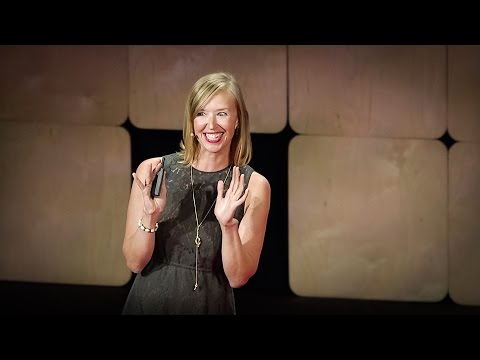
【TED】Mandy Len Catron: Falling in love is the easy part (Falling in love is the easy part | Mandy Len Catron)
0
Jack posted on 2015/11/23Ever wondered if falling in love is really the hard part? This fascinating talk explores the science behind connection, using the famous '36 Questions' experiment to dive into how we build intimacy. You'll pick up advanced vocabulary and learn about cultural insights into modern love, all while enjoying a personal essay style that feels super relatable!
Learn this video on the APP!
The VoiceTube App has more in-depth practice for videos!