
account for
US /əˈkaʊnt fɔr/
UK /əˈkaunt fɔ:/
- Phrasal Verb
- To explain the cause or reason for something
- To form a particular amount or part of something.
- Verb (Transitive/Intransitive)
- To supply a reason or explanation for something.
- To form a particular amount or proportion of something.
A1Moreahead of the curve
US /əˈhɛd əv ðə kɜrv/
UK /əˈhed əv ðə kɜ:v/
- other
- Being more advanced or knowledgeable than others.
B2Morealong with
US /əˈlɔŋ wɪð/
UK /əˈlɔŋ wið/
- Preposition
- In addition to; together with.
- Adverb
- In company or together with someone or something.
- Including; in addition to.
A2Moreapplause
US /əˈplɔz/
UK /ə'plɔ:z/
- Noun (Countable/Uncountable)
- The sound made by clapping a performance or speech
B1Morearound the world
US /əˈraʊnd ði wɜrld/
UK /əˈraund ðə wɜː(r)ld/
- Phrase
- In or to many countries.
- In various places throughout the world.
A2Moreas opposed to
US
UK
- Preposition
- In contrast to; rather than.
- Instead of; in place of.
A1Moreas well as
US /æz wɛl æz/
UK /æz wel æz/
- Adverb
- Also; in addition to
- Preposition
- In addition to; and also.
A1Moreat a time
US /æt e taɪm/
UK /æt ə taim/
- Phrase
- Separately; one by one
- Simultaneously; together
A1Moreat that time
US /æt ðæt taɪm/
UK /æt ðæt taim/
- Phrase
- During a specific point in the past.
A1Moreat the same time
US
UK
- Phrase
- Simultaneously; at the identical moment.
- Nevertheless; however; used to introduce a contrasting or qualifying statement.
A1Moreback into
US /bæk ˈɪntu/
UK /bæk ˈɪntuː/
- Phrasal Verb
- To drive a vehicle backwards into a space or area.
- To accidentally collide with something while moving backwards.
A1Moreblow up
US /blo ʌp/
UK /bləu ʌp/
- Phrasal Verb
- To suddenly become angry
- To put air in something, e.g. a tire or balloon
- Verb (Transitive/Intransitive)
- To explode; to be destroyed by an explosion.
A2Morebring down
US /brɪŋ daʊn/
UK /briŋ daun/
- Phrasal Verb
- To destroy (government, etc.) forcefully
- To kill someone, often with a gun
A1Morebring in
US /brɪŋ ɪn/
UK /briŋ in/
- Phrasal Verb
- To earn a certain amount of money or profits
- To add person into existing group, e.g. phone call
A1Morebuckle down
US
UK
- Phrasal Verb
- To apply oneself seriously to a task or problem; to begin to work hard and earnestly.
A1Morebudget
US /ˈbʌdʒɪt/
UK /'bʌdʒɪt/
- Noun (Countable/Uncountable)
- Amount of money planned to be spent
- Verb (Transitive/Intransitive)
- To make a plan for how to spend your money
A2TOEICMorebudget cut
US
UK
- Noun
- A reduction in the amount of money available to spend.
B2Morebuild on
US /bɪld ɑn/
UK /bild ɔn/
- Phrasal Verb
- To develop or expand something; to use something as a foundation for further progress.
- To use something as a base or foundation for further development or success.
A2Moreby itself
US /baɪ ɪtˈsɛlf/
UK /bai itˈself/
- Adverb
- Alone; without help or assistance.
- Without any external influence or aid.
A2Morecare for
US /kɛr fɔr/
UK /kɛə fɔ:/
- Phrasal Verb
- To want or desire a thing
- To look after someone who is ill, old, or very young.
A1Morecarry on
US /ˈkæri ɑn/
UK /ˈkæri ɔn/
- Phrasal Verb
- To engage in an activity, e.g. a conversation
- To continue or keep doing something
- Verb (Transitive/Intransitive)
- To continue doing something
A1Morecome from
US /kʌm frʌm/
UK /kʌm frɔm/
- Phrasal Verb
- To have as your native country or city
A1Morecome together
US /kʌm təˈɡɛðɚ/
UK /kʌm təˈɡeðə/
- Phrasal Verb
- To assemble or unite; to start working together.
- To form a close relationship or bond.
A1Morecompete in
US
UK
- Phrasal Verb
- To take part in a contest or competition.
B1Morecut in
US /kʌt ɪn/
UK /kʌt in/
- Phrasal Verb
- To interrupt someone's conversation
- To enter a queue at the wrong place
A1Morecut off
US /kʌt ɔf/
UK /kʌt ɔf/
- Phrasal Verb
- To end a process, e.g. a phone call
- To cut the end of something
- Transitive Verb
- To isolate or prevent access to a place or person.
- To interrupt someone while they are speaking.
A1Moredebt
US /dɛt/
UK /det/
- Noun (Countable/Uncountable)
- Sum of money owed to someone that is not yet paid
- A moral or social obligation.
A2TOEICMoredespite the fact
US
UK
- Preposition
- In spite of; notwithstanding.
- Conjunction
- Even though; although.
A2Moredo in
US
UK
- Phrasal Verb
- To make completely tired out and exhausted
- To destroy or cause damage to someone
A1Moredouble down
US
UK
- Verb (Transitive/Intransitive)
- In gambling, to double one's bet, typically in exchange for taking one more card.
- To reinforce one's commitment to a particular course of action, even in the face of opposition or risk.
A2Moredrag in
US /dræɡ ɪn/
UK /dræɡ ɪn/
- other
- To arrive somewhere reluctantly or heavily, often tired or late.
B2Moredrag on
US
UK
- Phrasal Verb
- To last longer than expected, in a boring way
A2Moredrive down
US /draɪv daʊn/
UK /draiv daun/
- Phrasal Verb
- To cause something to decrease or become lower.
- To travel by car to a place that is further south or lower down.
A1Moreeducation
US /ˌɛdʒəˈkeʃən/
UK /ˌedʒuˈkeɪʃn/
- Uncountable Noun
- Academic field studying the practice of teaching
- Process of giving or receiving teaching
A2TOEICMoreenergy
US /ˈɛnədʒi/
UK /'enədʒɪ/
- Noun (Countable/Uncountable)
- Physical or mental strength
- Enthusiasm and determination.
A2Moreenergy sources
US
UK
- Noun (plural)
- Materials or processes that can produce energy.
feel like
US
UK
- Intransitive Verb
- To have a desire or inclination for something.
- To have a particular quality or sensation; resemble.
A1Morefigure out
US /ˈfɪɡjɚ aʊt/
UK /ˈfiɡə aut/
- Phrasal Verb
- To understand the behavior of someone
- To think through logically to find a solution
- Verb (Transitive/Intransitive)
- To understand or find an answer to something.
- To find a solution to a problem or understand something.
A1Morefill out
US /fɪl aʊt/
UK /fil aut/
- Phrasal Verb
- To become fatter
- To complete a form by adding information needed
A1Morefor example
US
UK
- Phrase
- As an illustration or instance.
for the best
US
UK
- Phrase
- Resulting in the most positive or beneficial outcome, even if it's difficult or painful in the short term.
- Hoping for a positive outcome.
A1Moreget here
US
UK
- Intransitive Verb
- To arrive at a specific location.
A1Morego ahead
US /ɡo əˈhɛd/
UK /ɡəu əˈhed/
- Phrasal Verb
- To start an activity; start doing, working etc.
- To give permission to do something
- Intransitive Verb
- To start or proceed with something
- To proceed despite potential obstacles or doubts.
A1Morego away
US /ɡo əˈwe/
UK /ɡəu əˈwei/
- Phrasal Verb
- To go on vacation
- To leave; depart.
A1Morego back to
US /ɡo bæk tu/
UK /ɡəu bæk tu:/
- Phrasal Verb
- To return to a starting point
A1Morego out
US /ɡo aʊt/
UK /ɡəu aut/
- Phrase
- To leave a building (e.g. a house)
- Phrasal Verb
- (Of a fire) to burn out; be extinguished
- Go out of fashion to stop being fashionable
A1Moregot to
US /ɡɑt tu/
UK /gɔt tu:/
- Verb (Transitive/Intransitive)
- To arrive at some place
- To have the opportunity or permission to do something
- Phrasal Verb
- To appeal to the emotions of; move
- To finally begin to start something after a delay
A1Morehalfway through
US
UK
- Adverb
- At or in the middle of a period of time or an activity.
- Phrase
- Having completed approximately half of something.
A2Morehand over
US /hænd ˈovɚ/
UK /hænd ˈəuvə/
- Phrasal Verb
- To give into the possession or control of another
A1Morehave to
US /hæv tu/
UK /ˈhæv tə/
- Auxiliary Verb
- Must do
A1Morein battery
US /ɪn ˈbætəri/
UK /ɪn ˈbætəri/
- other
- Refers to artillery arranged and ready for use.
C2Morein debt
US /ɪn dɛt/
UK /in det/
- Phrase
- State of owing money to a person or institution
- Adjective
- Owing money.
A2Morein diapers
US /ɪn ˈdaɪpɚz/
UK /in ˈdaipəz/
- other
- Wearing diapers; in early infancy or very immature.
B1Morein fact
US /ɪn fækt/
UK /in fækt/
- Adverb
- Used to emphasize the truth of a statement, especially one that contrasts with or contradicts something else.
- Used to introduce a more detailed or surprising piece of information.
- Phrase
- Used to emphasize the truth of a statement, especially one that is surprising or contrary to what might be expected.
C1Morein hospital
US /ɪn ˈhɑspɪtl/
UK /ɪn ˈhɒspɪtl/
- other
- Admitted to a hospital for treatment.
A2Morein light of
US /ɪn laɪt ʌv/
UK /in lait ɔv/
- Phrase
- Because of; considering
- Preposition
- Considering; taking into account
- Because of; as a result of
A1Morein mind
US /ɪn maɪnd/
UK /in maind/
- Phrase
- Being aware of or considering something.
- To remember or consider something.
A2Morein order to
US /ɪn ˈɔrdɚ tu/
UK /in ˈɔ:də tu:/
- Preposition
- For the purpose of; with the aim of.
- Phrase
- In a specific sequence or arrangement.
- With the aim of; for the purpose of.
C1Morein part
US /ɪn pɑrt/
UK /in pɑ:t/
- Adverb
- To some extent; partially.
A1Morein some places
US
UK
- Phrase
- In certain locations or areas, but not all.
A1Morein terms of
US
UK
- Phrase
- With regard to; concerning a particular aspect.
A1Morein the first place
US
UK
- Phrase
- To begin with; as the first point or consideration.
- From the beginning; initially.
A1Morein the future
US /ɪn ði ˈfjutʃɚ/
UK /in ðə ˈfju:tʃə/
- Phrase
- At a later time; in times to come.
A1Morein the hospital
US /ɪn ðə ˈhɑspɪtəl/
UK /in ðə ˈhɒspɪtəl/
- Preposition
- Located inside a hospital receiving medical care.
A1Morein the house
US
UK
- Phrase
- Located inside a building used as a dwelling.
- Within a legislative body, such as a parliament or congress.
A1Morein the process of
US /ɪn ði ˈprɑsˌɛs ʌv/
UK /in ðə ˈprəuses ɔv/
- Phrase
- During the course of; while something is happening or being done.
A1Morein the world
US /ɪn ði wɜrld/
UK /in ðə wɜː(r)ld/
- Phrase
- Used to emphasize a question expressing surprise, confusion, disbelief
- Used to indicate the extent or degree of something, often in a superlative sense
A1Moreinstead of
US /ɪnˈstɛd ʌv/
UK /inˈsted ɔv/
- Preposition
- When one thing is replaced by another
- Adverb
- As a substitute or alternative.
A1Morejump in
US
UK
- Phrasal Verb
- To enter a vehicle quickly.
- To interrupt a conversation.
lay off
US /le ɔf/
UK /lei ɔf/
- Phrasal Verb
- To stop troubling or hitting someone
- To stop employing a worker, e.g. temporarily
A2Morelook at
US /lʊk æt/
UK /luk æt/
- Phrasal Verb
- To use your eyes to focus on something
- To focus your eyes on something carefully
A1Moremortgage
US /ˈmɔrɡɪdʒ/
UK /'mɔ:ɡɪdʒ/
- Noun (Countable/Uncountable)
- Long-term loan from a bank for buying property
- A legal agreement in which you borrow money in order to buy a house using the house as a guarantee
- Transitive Verb
- To borrow money to buy a house, giving the lender the right to take ownership of the property if you cannot pay the debt
B1TOEICMorenegotiate with
US
UK
- Verb (Transitive/Intransitive)
- To discuss something formally in order to make an agreement.
C1Moreno matter
US
UK
- Conjunction
- Regardless of; it does not matter.
- Adverb
- Regardless of; it is not important
A1Moreof yours
US /ʌv jʊɚz/
UK /əv jɔ:z/
- other
- Belonging to you; your possession or property.
A1Moreon a regular basis
US //ɑn ə ˈrɛgjələr ˈbeɪsəs//
UK
- Phrase
- Happening frequently or at regular intervals.
B1Moreon earth
US /ɑn ɚθ/
UK /ɔn ə:θ/
- Phrase
- Used to emphasize a question expressing surprise or anger.
- Used to emphasize that something is not possible or will not happen.
A1Moreon paper
US /ɑn ˈpeɪpər/
UK /ɔn ˈpeipə/
- Phrase
- In theory or as a plan, but not necessarily in reality.
- Recorded in writing; documented.
A1Moreon the cheap
US
UK
- Phrase
- In an inexpensive way; cheaply.
A1Moreon the ground
US
UK
- Phrase
- Located on the surface of the earth.
- Present and available in a particular place, especially to deal with a situation.
on the market
US
UK
- Phrase
- Available for sale.
- Actively seeking employment.
A2Moreon the road
US /ɑn ði rəʊd/
UK /ɔn ðə roʊd/
- Phrase
- Traveling, especially as part of a tour or journey.
- Making progress; advancing towards a goal.
- Idiom
- Making progress towards a goal or achievement.
A1Moreout of it
US /aʊt ʌv ɪt/
UK /aut ɔv it/
- Adjective
- Unconscious or not completely alert; dazed or confused.
- Not able to think clearly or react quickly; not with it.
A1Moreout of luck
US
UK
- Adjective
- To not have any luck; to be unfortunate
A2Moreout there
US /aʊt ðɛr/
UK /aut ðɛə/
- Adverb
- In or to a place that is far away
- Existing in the universe
- Adjective
- Unconventional; strange; avant-garde
- Existing or available.
A1Morepaying off
US
UK
- Phrasal Verb
- To give money to get person to do something; bribe
- To give money to settle a debt
- Verb (Transitive/Intransitive)
- To bribe someone.
- To result in success; to be worthwhile.
A1Morepresident
US /ˈprɛzɪdənt,-ˌdɛnt/
UK /ˈprezɪdənt/
- Noun
- Person in charge of a country, or organization
- The highest-ranking executive in a corporation or organization.
A2TOEICMorepull back
US /pʊl bæk/
UK /pul bæk/
- Phrasal Verb
- To move to a safer area; retreat
A1Moreput together
US /pʊt təˈɡɛðɚ/
UK /put təˈɡeðə/
- Phrasal Verb
- To build or assemble something small, e.g. a toy
- To organize or arrange something.
A1Morerather than
US
UK
- Adverb
- More exactly; more correctly
- Preferably; instead
- Preposition
- Instead of
A1Moreregardless of
US /rɪˈɡɑrdlɪs ʌv/
UK /riˈɡɑ:dlis ɔv/
- Phrase
- Preposition
- Without being affected or influenced by something; despite.
A2Moresame time
US
UK
- Phrase
- Occurring simultaneously or at the same point in time.
- At the identical time as before; recurring at a fixed hour.
- Noun
- An equal duration or period.
A1Moreschool district
US
UK
- Noun
- A specific geographic area or region responsible for the administration and operation of public schools.
B1Moreshift in
US
UK
- Phrasal Verb
- A change or alteration in something.
B2Moreslip back
US
UK
- Phrasal Verb
- To return to a former bad state or habit.
- To lose progress or fall behind.
A1Moreslow down
US /slo daʊn/
UK /sləu daun/
- Phrasal Verb
- To reduce the speed
- To become less active or busy.
A1Morespeak to
US /spik tu/
UK /spi:k tu:/
- Verb (Transitive/Intransitive)
- To address or communicate with someone.
- To indicate or suggest something; to be relevant to.
A1Morespend
US /spɛnd/
UK /spend/
- Transitive Verb
- To use money to pay for something
- To use time in order to do something
A2TOEICMorespread out
US /sprɛd aʊt/
UK /spred aut/
- Phrasal Verb
- To extend or stretch over a large area.
- To arrange things so that they cover a large area.
B2Morestart off
US /stɑrt ɔf/
UK /stɑ:t ɔf/
- Phrasal Verb
- To begin or commence something.
- To begin a journey.
B2Moresuch as
US /sʌtʃ æz/
UK /sʌtʃ æz/
- Preposition
- For example; like
A1Moretake over
US /tek ˈovɚ/
UK /teik ˈəuvə/
- Phrasal Verb
- To gain control of (a company) from someone else
- To assume control or possession of something.
A1Moretalk about it
US /tɔk əˈbaʊt ɪt/
UK /tɔ:k əˈbaut it/
- Verb (Transitive/Intransitive)
- To discuss a particular subject.
A1Moretalking about
US
UK
- Phrasal Verb
- To discuss a particular topic.
- To be constantly mentioning or bringing up a subject.
A1Morethink about
US /θɪŋk əˈbaʊt/
UK /θiŋk əˈbaut/
- Phrasal Verb
- To consider something carefully.
- To remember or call to mind.
A1Morethink of
US /θɪŋk ʌv/
UK /θiŋk ɔv/
- Phrasal Verb
- To look on as (being something specific); consider
- To consider or remember something.
- Verb (Transitive/Intransitive)
- To imagine or call something to mind
A1Moreto boot
US /tu but/
UK /tu: bu:t/
- Adverb
- In addition; as well; besides.
- Phrase
- to fire, dismiss, or forcefully remove someone from a job or organization
A1Moretogether with
US /təˈɡɛðɚ wɪð/
UK /təˈɡeðə wið/
- Preposition
- In addition to; along with.
- Including; as well as.
A1Moretough out
US
UK
- Phrasal Verb
- To endure a period of hardship or difficulty.
under control
US /ˈʌndɚ kənˈtrol/
UK /ˈʌndə kənˈtrəul/
- Adjective
- Being managed or restrained; not out of hand.
- Having one's emotions or impulses restrained.
- Phrase
- A situation that is being managed effectively.
C1Moreused to
US /juzd tu/
UK /ˈju:st tə/
- Adjective
- Did regularly before, but don't do now
- Auxiliary Verb
- Have done before, but do not do now
A1Morework at
US /wɚk æt/
UK /wə:k æt/
- Phrasal Verb
- To have a job at a particular place or organization.
- To make an effort to improve something.
A1Morework in
US /wɚk ɪn/
UK /wə:k in/
- Phrasal Verb
- To make an opening for something in your schedule
- To fit person/thing into a schedule or sequence
A1Morework to do
US
UK
- Phrase
- Tasks or activities that need to be accomplished.
- Obligations or responsibilities that require effort and attention.
A1More
Vocabulary
- got to: To arrive at some place
- have to: Must do
- talking about: To discuss a particular topic.
- out there: In or to a place that is far away
- for example: As an illustration or instance.
- at the same time: Simultaneously; at the identical moment.
- same time: Occurring simultaneously or at the same point in time.
- in order to: For the purpose of; with the aim of.
- instead of: When one thing is replaced by another
- as well as: Also; in addition to
- drag on: To last longer than expected, in a boring way
- figure out: To understand the behavior of someone
- start off: To begin or commence something.
- build on: To develop or expand something; to use something as a foundation for further progress.
- think about: To consider something carefully.
- in the house: Located inside a building used as a dwelling.
- school district: A specific geographic area or region responsible for the administration and operation of public schools.
- in the world: Used to emphasize a question expressing surprise, confusion, disbelief
- in fact: Used to emphasize the truth of a statement, especially one that contrasts with or contradicts something else.
- around the world: In or to many countries.
- cut in: To interrupt someone's conversation
- in the first place: To begin with; as the first point or consideration.
- bring down: To destroy (government, etc.) forcefully
- look at: To use your eyes to focus on something
- at that time: During a specific point in the past.
- in terms of
- go back to: To return to a starting point
- account for: To explain the cause or reason for something
- used to: Did regularly before, but don't do now
- come together: To assemble or unite; to start working together.
- as opposed to: In contrast to; rather than.
- under control: Being managed or restrained; not out of hand.
- halfway through: At or in the middle of a period of time or an activity.
- carry on: To engage in an activity, e.g. a conversation
- of yours: Belonging to you; your possession or property.
- out of it: Unconscious or not completely alert; dazed or confused.
- ahead of the curve: Being more advanced or knowledgeable than others.
- compete in: To take part in a contest or competition.
- speak to: To address or communicate with someone.
- in part: To some extent; partially.
- to boot: In addition; as well; besides.
- in mind: Being aware of or considering something.
- in diapers: Wearing diapers; in early infancy or very immature.
- by itself: Alone; without help or assistance.
- on earth: Used to emphasize a question expressing surprise or anger.
- on a regular basis: Happening frequently or at regular intervals.
- come from: To have as your native country or city
- out of luck: To not have any luck; to be unfortunate
- cut off: To end a process, e.g. a phone call
- go away: To go on vacation
- along with: In addition to; together with.
- drag in: To arrive somewhere reluctantly or heavily, often tired or late.
- feel like: To have a desire or inclination for something.
- on the market: Available for sale.
- take over: To gain control of (a company) from someone else
- tough out: To endure a period of hardship or difficulty.
- in some places: In certain locations or areas, but not all.
- paying off: To give money to get person to do something; bribe
- on the road: Traveling, especially as part of a tour or journey.
- in battery: Refers to artillery arranged and ready for use.
- in debt: State of owing money to a person or institution
- at a time: Separately; one by one
- pull back: To move to a safer area; retreat
- put together: To build or assemble something small, e.g. a toy
- slip back: To return to a former bad state or habit.
- back into: To drive a vehicle backwards into a space or area.
- lay off: To stop troubling or hitting someone
- such as: For example; like
- in light of: Because of; considering
- think of: To look on as (being something specific); consider
- bring in: To earn a certain amount of money or profits
- on the cheap: In an inexpensive way; cheaply.
- get here: To arrive at a specific location.
- no matter: Regardless of; it does not matter.
- despite the fact: In spite of; notwithstanding.
- budget cut: A reduction in the amount of money available to spend.
- for the best: Resulting in the most positive or beneficial outcome, even if it's difficult or painful in the short term.
- go out: To leave a building (e.g. a house)
- work at: To have a job at a particular place or organization.
- negotiate with: To discuss something formally in order to make an agreement.
- care for: To want or desire a thing
- jump in: To enter a vehicle quickly.
- blow up: To suddenly become angry
- in the process of: During the course of; while something is happening or being done.
- on the ground: Located on the surface of the earth.
- shift in: A change or alteration in something.
- buckle down: To apply oneself seriously to a task or problem; to begin to work hard and earnestly.
- go ahead: To start an activity; start doing, working etc.
- slow down: To reduce the speed
- in the future: At a later time; in times to come.
- talk about it: To discuss a particular subject.
- on paper: In theory or as a plan, but not necessarily in reality.
- fill out: To become fatter
- together with: In addition to; along with.
- in the hospital: Located inside a hospital receiving medical care.
- in hospital: Admitted to a hospital for treatment.
- do in: To make completely tired out and exhausted
- spread out: To extend or stretch over a large area.
- work in: To make an opening for something in your schedule
- drive down: To cause something to decrease or become lower.
- hand over: To give into the possession or control of another
- work to do: Tasks or activities that need to be accomplished.
- energy sources: Materials or processes that can produce energy.
- rather than: More exactly; more correctly
- double down: In gambling, to double one's bet, typically in exchange for taking one more card.
- regardless of
- time: Speed at which music is played; tempo
- people: Persons sharing culture, country, background, etc.
- applause: The sound made by clapping a performance or speech
- system: Set of organized, planned ideas that work together
- country: An area of land that is controlled by a government
- spend: To use money to pay for something
- energy: Physical or mental strength
- budget: Amount of money planned to be spent
- president: Person in charge of a country, or organization
- lot: What happens to a person in life from chance; fate
- economy: Using money, resources in a careful, effective way
- education: Academic field studying the practice of teaching
- debt: Sum of money owed to someone that is not yet paid
- mortgage: Long-term loan from a bank for buying property
- care: To feel interest, concern, or worry
Get the full experience in the app
Learn anywhere with detailed sentence and usage analysis
01:03
She took a brave step forward, leaving behind her comfort zone to chase her dreams.
Vocabulary
- brave
adj. Having courage
- comfort zone
phr. A familiar situation where one feels safe
Explanation
a brave step is a noun phrase, where brave is an adjective modifying the noun step, meaning "a courageous step".
forward is an adverb modifying step, meaning "ahead".
The whole phrase serves as the object, answering the "what" of took (verb) — she took a brave step forward.
Get the full experience in the app
Look up words anytime with pronunciation, part of speech, and usage
brave
US/brev/
UK/breɪv/
adj.Brave
v.t.To bravely face
A2 Elementary
Get the full experience in the app
Practice speaking anytime and get instant pronunciation feedback
Try this speaking exercise.
Try practicing with this sentence.
80
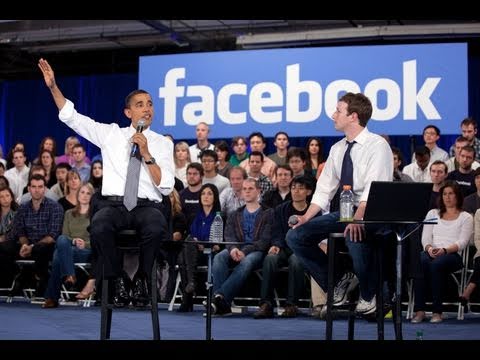
Facebook Town Hall with President Obama
0
Jake Lee posted on 2015/11/03Ever wondered how President Obama tackled big issues like the budget deficit and immigration reform? This Facebook Live town hall is your chance to hear directly from him and pick up some advanced vocabulary related to policy and current events. You'll get a fantastic look at complex sentence structures and gain cultural depth by understanding these important discussions!
Learn this video on the APP!
The VoiceTube App has more in-depth practice for videos!