
browser
US /ˈbraʊzɚ/
UK /ˈbraʊzə(r)/
- Noun
- Software that lets you search for information
B1TOEICMorebunch
US /bʌntʃ/
UK /bʌntʃ/
- Noun (Countable/Uncountable)
- A group of things of the same kind
- A group of people.
- Transitive Verb
- To group people or things closely together
B1Morecode
US /kod/
UK /kəʊd/
- Transitive Verb
- To express information in a series of numbers
- To write a secret message using secret symbols
- Noun
- A password made of a set of letters or numbers
- Set of rules for behavior
A2Morecollect
US /kəˈlɛkt/
UK /kəˈlekt/
- Adverb
- By asking the receiver of a call to pay for it
- Transitive Verb
- To ask for money, e.g. for a charity
- To gather things, people together in one place
A2Morecollection
US /kəˈlɛkʃən/
UK /kəˈlekʃn/
- Noun (Countable/Uncountable)
- Act of asking for money for a debt or a charity
- Group of similar things gathered as a hobby
A2Morecontent
US /ˈkɑnˌtɛnt/
UK /'kɒntent/
- Adjective
- Being happy or satisfied
- In a state of peaceful happiness.
- Noun (Countable/Uncountable)
- Information in something, e.g. book or computer
- The subject matter of a book, speech, etc.
A2Morecorpus
US /ˈkɔ:rpəs/
UK /ˈkɔ:pəs/
- Noun
- Large collection of written and spoken language
B2Morecrawl
US /krɔl/
UK /krɔ:l/
- Verb (Transitive/Intransitive)
- To move very slowly or cautiously
- To move along with the body close to the ground
- Uncountable Noun
- Very slow progress (e.g. traffic)
B1Moredepend
US /dɪˈpend/
UK /dɪˈpend/
- Verb (Transitive/Intransitive)
- Be controlled or determined by (someone/something)
- To rely on someone or something for support, help, or existence.
B1TOEICMoredepending on
US
UK
- Phrasal Verb
- To rely on for support (financial or emotional)
- Influenced or determined by.
- Preposition
- Subject to; contingent on
- Relying on someone or something for support or assistance.
A2Moredo in
US
UK
- Phrasal Verb
- To make completely tired out and exhausted
- To destroy or cause damage to someone
A1Moreengine
US /ˈɛndʒɪn/
UK /'endʒɪn/
- Noun (Countable/Uncountable)
- Machine that changes energy into mechanical motion
- The part of a train that pulls railway cars
A2TOEICMoreeventually
US /ɪˈvɛntʃuəli/
UK /ɪˈventʃuəli/
- Adverb
- After a long time; after many attempts; in the end
- At some later time; in the future
A2Moreexciting
US /ɪkˈsaɪtɪŋ/
UK /ɪkˈsaɪtɪŋ/
- Transitive Verb
- To cause a reaction; make active
- To make someone feel happy, interested or eager
- Adjective
- Creating interest, happiness or pleasurable fear
- Full of action, thrills, or creating suspense.
A2Moreextract
US /ɪkˈstrækt/
UK /'ekstrækt/
- Noun (Countable/Uncountable)
- Essential ingredient of a natural thing
- Part taken from a longer written work
- Transitive Verb
- To get a substance out of a plant, etc.
- To get a person to share secret information
B1TOEICMorefigure out
US /ˈfɪɡjɚ aʊt/
UK /ˈfiɡə aut/
- Phrasal Verb
- To understand the behavior of someone
- To think through logically to find a solution
- Verb (Transitive/Intransitive)
- To understand or find an answer to something.
- To find a solution to a problem or understand something.
A1Morefirst three
US
UK
- Determiner
- The initial three items or elements in a series or sequence.
- Adjective
- Referring to the top three positions in a ranking or competition.
A1Morefrequently
US /ˈfrikwəntlɪ/
UK /ˈfri:kwəntli/
- Adverb
- Often; regularly
- Repeatedly or many times.
A2TOEICMorefunctional
US /ˈfʌŋkʃənəl/
UK /ˈfʌŋkʃənl/
- Adjective
- Useful; not just for decoration
- In working order; operative.
- Noun
- A function whose argument is itself a function.
A2Morego beyond
US /ɡo biˈɑnd/
UK /ɡəu biˈjɔnd/
- Phrasal Verb
- To do more than planned or expected; exceed
A1Moregoal
US /ɡol/
UK /ɡəʊl/
- Noun (Countable/Uncountable)
- Something you try to do or achieve; an aim
- (Sports) net into which you put a ball to score
A2TOEICMorekeyword
US /ˈki:wɜ:rd/
UK /ˈki:wɜ:d/
- Noun
- Significant or descriptive word used in searches
B1Morelink
US /lɪŋk/
UK /lɪŋk/
- Noun (Countable/Uncountable)
- Any one of the rings that are part of a chain
- Connection between two or more things or people
- Transitive Verb
- To join or connect together
- To associate or connect in one's mind.
A2TOEICMorelook at
US /lʊk æt/
UK /luk æt/
- Phrasal Verb
- To use your eyes to focus on something
- To focus your eyes on something carefully
A1Morenecessarily
US /ˌnɛsɪˈsɛrəli, -ˈsɛr-/
UK /ˌnesəˈserəli/
- Adverb
- In a way that is needed/required/is unavoidable
A2TOEICMorepointer
US /ˈpɔɪntɚ/
UK /'pɔɪntə(r)/
- Noun
- Suggestion or piece of advice
- Long object that is used to point at something
A2TOEICMorepowerful
US /ˈpaʊəfəl/
UK /ˈpauəful/
- Adjective
- Having control or influence over
- Having a lot of physical force, energy, strength
A2TOEICMoreprint out
US /prɪnt aʊt/
UK /print aut/
- Phrasal Verb
- To produce a paper copy of a document from a computer.
A1Morerank
US /ræŋk/
UK /ræŋk/
- Transitive Verb
- To rate or class things
- To assign a level or status, as of importance, to
- Noun
- Group of people with a certain level of status
- Level or position, as in society/sport competition
B1TOEICMoreremain
US /rɪˈmen/
UK /rɪˈmeɪn/
- Intransitive Verb
- To be left behind; to continue to exist
- To stay in a place when other people have gone
A2TOEICMorerequest
US /rɪˈkwɛst/
UK /rɪ'kwest/
- Transitive Verb
- To ask for, usually politely and formally
- Noun
- Thing that has been asked for
- A signal to a computer system or program to perform a task.
A2TOEICMorerespond
US /rɪˈspɑnd/
UK /rɪ'spɒnd/
- Verb (Transitive/Intransitive)
- To answer something or someone
- To have a good reaction to e.g. medical treatment
A2TOEICMoreresponse
US /rɪˈspɑns/
UK /riˈspɔns/
- Noun
- Something said/written as an answer to something
- Reaction to something that has occurred
A2TOEICMorescience
US /ˈsaɪəns/
UK /'saɪəns/
- Uncountable Noun
- Study of the physical world, based on facts
A2TOEICMoresearch
US /sɜ:rtʃ/
UK /sɜ:tʃ/
- Transitive Verb
- To examine a person's clothing to find something
- To look for an answer or explanation to a problem
- Noun (Countable/Uncountable)
- Examination of person to find something
- Action to find an answer to a problem
A2TOEICMoresearch for
US /sɚtʃ fɔr/
UK /sə:tʃ fɔ:/
- Phrasal Verb
- To try to find someone or something.
B1Moresee in
US /si ɪn/
UK /si: in/
- Phrasal Verb
- To accompany someone to the entrance of a building or room.
A1Moreseed
US /sid/
UK /si:d/
- Noun (Countable/Uncountable)
- A person's children; offspring
- Part of a plant used to grow more on them
- Intransitive Verb
- (Of plants) to produce seeds for the future
B1Moreshow up
US /ʃo ʌp/
UK /ʃəu ʌp/
- Phrasal Verb
- To arrive or be seen at a place, e.g. a party
- To be noticeably better than (someone else)
A1Moresite
US /saɪt/
UK /saɪt/
- Noun (Countable/Uncountable)
- Place that is reserved for a particular activity
- Location of building work
- Transitive Verb
- To place something in a particular position, area
A2TOEICMoresolve
US /sɑ:lv/
UK /sɒlv/
- Transitive Verb
- To figure out a way to handle a difficult problem
A2TOEICMorestart out
US /stɑrt aʊt/
UK /stɑ:t aut/
- Phrasal Verb
- To begin your life or career in a particular way.
- To begin a journey.
A1Moretake on
US /tek ɑn/
UK /teik ɔn/
- Phrasal Verb
- To acquire a new characteristic
- To accept a new responsibility, role
A1Morethink of
US /θɪŋk ʌv/
UK /θiŋk ɔv/
- Phrasal Verb
- To look on as (being something specific); consider
- To consider or remember something.
- Verb (Transitive/Intransitive)
- To imagine or call something to mind
A1Moreunderscore
US //ˌʌndərˈskɔr//
UK
- Transitive Verb
- To highlight or stress
- To provide a musical accompaniment or background to a scene or performance.
- Noun
- A punctuation mark (_) written below the line.
- A line drawn under a word or phrase for emphasis or to indicate a space.
C1Moreunexpected
US /ˌʌnɪkˈspektɪd/
UK /ˌʌnɪkˈspektɪd/
- Adjective
- Surprising because it was not expected
- Noun
- An event or occurrence that was not anticipated.
B2Moreunit
US /ˈjunɪt/
UK /ˈju:nɪt/
- Countable Noun
- One apartment in a building
- Group of people, e.g. soldiers, that work together
B2TOEICMorevehicle
US /ˈvi:hɪkl/
UK /ˈvi:əkl/
- Noun (Countable/Uncountable)
- Machine (such as a car) used to carry things
- Means of expressing, showing, or achieving
A2TOEICMore
Vocabulary
- figure out: To understand the behavior of someone
- do in: To make completely tired out and exhausted
- take on: To acquire a new characteristic
- start out: To begin your life or career in a particular way.
- first three: The initial three items or elements in a series or sequence.
- think of: To look on as (being something specific); consider
- see in: To accompany someone to the entrance of a building or room.
- show up: To arrive or be seen at a place, e.g. a party
- depending on: To rely on for support (financial or emotional)
- go beyond: To do more than planned or expected; exceed
- print out: To produce a paper copy of a document from a computer.
- look at: To use your eyes to focus on something
- search for: To try to find someone or something.
- page: Person's name
- find: To become aware of something that is happening
- lot: What happens to a person in life from chance; fate
- start: First time or place that a thing exists; beginning
- learn: To get knowledge or skills by study or experience
- important: Having power or authority
- good: Proper, appropriate or right
- exciting: To cause a reaction; make active
- computer: Machine for storing data, accessing the internet
- small: Little in size; not big
- class: To place things into groups by common qualities
- write: To compose letters and words on paper or a screen
- ask: To say to someone that you want something
- go: To attend or be at a place
- to: Toward a point, person, place or thing
- web: Skin between ducks' toes that enables them to swim
- engine: Machine that changes energy into mechanical motion
- build: Your physical shape; physique
- collect: By asking the receiver of a call to pay for it
- follow: To come after someone; be guided by someone
- goal: Something you try to do or achieve; an aim
- text: To send a message by phone or other device
- list: To lean to one side, like a boat or ship
- pointer: Suggestion or piece of advice
- building: To establish e.g. a reputation, over time
- print: To make many copies of a page, magazine or book
- site: Place that is reserved for a particular activity
- wide: Having a great distance from one side to the other
- science: Study of the physical world, based on facts
- main: Most important; most often used
- unit: One apartment in a building
- search: To examine a person's clothing to find something
- link: Any one of the rings that are part of a chain
- figure: To appear in a game, play or event
- request: To ask for, usually politely and formally
- appear: To be seen, become visible; come into sight
- content: Being happy or satisfied
- frequently: Often; regularly
- vehicle: Machine (such as a car) used to carry things
- remain: To be left behind; to continue to exist
- collection: Act of asking for money for a debt or a charity
- solve: To figure out a way to handle a difficult problem
- depend: Be controlled or determined by (someone/something)
- bunch: A group of things of the same kind
- powerful: Having control or influence over
- browser: Software that lets you search for information
- extract: Essential ingredient of a natural thing
- seed: A person's children; offspring
- response: Something said/written as an answer to something
- crawl: To move very slowly or cautiously
- programming: To make someone act or think in a certain way
- functional: Useful; not just for decoration
- respond: To answer something or someone
- code: To express information in a series of numbers
- necessarily: In a way that is needed/required/is unavoidable
- eventually: After a long time; after many attempts; in the end
- rank: To rate or class things
- corpus: Large collection of written and spoken language
- keyword: Significant or descriptive word used in searches
- underscore: To highlight or stress
- unexpected: Surprising because it was not expected
- program: To make someone act or think in a certain way
Get the full experience in the app
Learn anywhere with detailed sentence and usage analysis
01:03
She took a brave step forward, leaving behind her comfort zone to chase her dreams.
Vocabulary
- brave
adj. Having courage
- comfort zone
phr. A familiar situation where one feels safe
Explanation
a brave step is a noun phrase, where brave is an adjective modifying the noun step, meaning "a courageous step".
forward is an adverb modifying step, meaning "ahead".
The whole phrase serves as the object, answering the "what" of took (verb) — she took a brave step forward.
Get the full experience in the app
Look up words anytime with pronunciation, part of speech, and usage
brave
US/brev/
UK/breɪv/
adj.Brave
v.t.To bravely face
A2 Elementary
Get the full experience in the app
Practice speaking anytime and get instant pronunciation feedback
Try this speaking exercise.
Try practicing with this sentence.
80
0
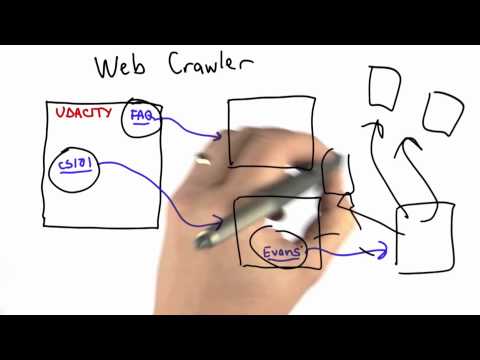
Chris Lyu posted on 2015/11/01Ever wondered how search engines find information? This video dives into building a web crawler and understanding link extraction, perfect for CS students looking to grasp the basics of information retrieval! You'll pick up key vocabulary like 'corpus' and 'indexing' in this hands-on look at how the internet works.
Learn this video on the APP!
The VoiceTube App has more in-depth practice for videos!