
absolutely amazing
US
UK
- Adjective
- Extremely good or impressive; causing great surprise or wonder.
- Remarkably talented or skillful; inspiring awe and admiration.
B1Morebased on
US
UK
- Phrasal Verb
- To use something as the foundation or starting point for something else.
- Preposition
- Using something as the main idea or foundation.
- Relying on something as evidence or justification.
A1Morebathe
US /beð/
UK /beɪð/
- Verb (Transitive/Intransitive)
- To be covered completely in something, e.g. light
- To swim at the beach or in a river
B1Morebiological
US /ˌbaɪəˈlɑdʒɪkəl/
UK /ˌbaɪəˈlɒdʒɪkl/
- Adjective
- Being related to life and living things
- A substance, such as a detergent, that contains enzymes.
B1Moreblood
US /blʌd/
UK /blʌd/
- Uncountable Noun
- Red liquid in the bodies of people and animals
- Related by birth; family
- Transitive Verb
- To be initiated into something, e.g. a secret club
A2Morebody
US /ˈbɑdi/
UK /ˈbɒdi/
- Noun
- The physical structure of a person or animal.
- Noun (Countable/Uncountable)
- The main or central part of something.
- The weight and texture of a drink (like wine or coffee) in the mouth.
A2Moreby all means
US
UK
- Adverb
- Certainly; of course
- Phrase
- In every possible way; using every method possible
- Certainly; of course
A2Moreby and large
US /baɪ ənd lɑrdʒ/
UK /bai ænd lɑ:dʒ/
- Phrase
- Generally; on the whole; mostly.
- Taking everything into consideration; all things considered.
A2Morecalculate
US /ˈkælkjəˌlet/
UK /'kælkjʊleɪt/
- Transitive Verb
- To find an answer using mathematics
- To make an educated guess about something
B2Morecell
US /sɛl/
UK /sel/
- Countable Noun
- Smallest unit of living things in biology
- Group of people - often from a secret organization
A2Morechronological
US /ˌkrɑnəˈlɑdʒɪkəl, ˌkronə-/
UK /ˌkrɒnəˈlɒdʒɪkl/
- Adjective
- Placed in order of time, usually of events
B2Morecirculation
US /ˌsɚkjəˈleʃən/
UK /ˌsɜ:kjəˈleɪʃn/
- Noun (Countable/Uncountable)
- Movement of blood through the body
- Repeatedly passing items from one person to others
B1Morecognition
US /kɑ:gˈnɪʃn/
UK /kɒgˈnɪʃn/
- Uncountable Noun
- Recognition involved in thought processing
C1Morecome back
US /kʌm bæk/
UK /kʌm bæk/
- Phrasal Verb
- To reply to someone, often forcefully
- To be remembered
A1Moredevelopment
US /dɪˈvɛləpmənt/
UK /dɪ'veləpmənt/
- Noun (Countable/Uncountable)
- Act or process of growing bigger or more advanced
- A new event related to a previous event
A2TOEICMoredisease
US /dɪˈziz/
UK /dɪˈzi:z/
- Noun (Countable/Uncountable)
- Illness that affects a person, animal, or plant
- A disorder of structure or function in a plant, especially one caused by a pathogen.
- Transitive Verb
- To affect with disease; to corrupt or sicken.
A2TOEICMoredot
US /dɑt/
UK /dɒt/
- Transitive Verb
- To place small amounts/things in various places
- To mark something by placing a small, round spot
- Noun
- Small round mark
B1TOEICMoreescape
US /ɪˈskep/
UK /ɪ'skeɪp/
- Noun (Countable/Uncountable)
- Act to briefly ignoring boring or bad things
- The 'esc key' on a keyboard
- Verb (Transitive/Intransitive)
- To avoid something undesirable, dangerous or bad
- To get away from a place where you are being kept
A2Moreexposed
US
UK
- Transitive Verb
- To make visible, without covering or protection
- To allow light through a cameras lens onto film
- Adjective
- Not protected or covered; vulnerable.
A2Moreexposure
US /ɪkˈspoʒɚ/
UK /ɪk'spəʊʒə(r)/
- Noun
- Allowing light through a cameras lens onto film
- Being talked about in the media
A2TOEICMorefor example
US
UK
- Phrase
- As an illustration or instance.
go south
US
UK
- Intransitive Verb
- To travel or move towards the south.
- To fail or deteriorate; to go wrong.
A2Morehave to
US /hæv tu/
UK /ˈhæv tə/
- Auxiliary Verb
- Must do
A1Morehighlight
US /ˈhaɪˌlaɪt/
UK /ˈhaɪlaɪt/
- Noun (Countable/Uncountable)
- Best or most interesting part of something
- Spot or section lighter than the area around it
- Transitive Verb
- To use chemicals to make some hair a lighter color
- To make people aware of a problem, subject, issue
A2Morehole
US /hol/
UK /həʊl/
- Noun (Countable/Uncountable)
- An empty space, as in the ground, in a sock etc.
- Fault or weakness in a plan, idea or explanation
- Transitive Verb
- (Golf) to get the ball into the hole
- To make a hole in something.
A2Moreimage
US /ˈɪmɪdʒ/
UK /'ɪmɪdʒ/
- Noun (Countable/Uncountable)
- Picture, sculpture or painting of something
- General idea or opinion of something
- Transitive Verb
- To obtain pictures by scanning them with a machine
- To create a visual representation of something.
A2TOEICMoreimportantly
US
UK
- Adverb
- In an important way;
A2Morein a minute
US
UK
- Phrase
- Very soon; in a short amount of time.
- Within the duration of one minute.
A1Morein detail
US /ɪn dɪˈtel/
UK /in ˈdi:teil/
- Phrase
- Thoroughly and completely; giving full particulars.
A2Morein particular
US /ɪn pɚˈtɪkjəlɚ/
UK /in pəˈtikjulə/
- Phrase
- Specifically; especially.
- Detailed or precise.
A1Morein the future
US /ɪn ði ˈfjutʃɚ/
UK /in ðə ˈfju:tʃə/
- Phrase
- At a later time; in times to come.
A1Moreincreased risk
US
UK
- Noun
- A greater chance of something harmful or dangerous happening.
- A higher probability of financial loss in an investment.
B2Moreinfectious
US /ɪnˈfɛkʃəs/
UK /ɪnˈfekʃəs/
- Adjective
- Capable of transmitting disease to others
- Making others feel like laughing
A2Moreinflammation
US /ˌɪnfləˈmeʃən/
UK /ˌɪnfləˈmeɪʃn/
- Noun (Countable/Uncountable)
- Painful swelling in the body due to illness
- A condition in which a part of the body becomes reddened, swollen, hot, and often painful, especially as a reaction to injury or infection.
B2Moreinject
US /ɪnˈdʒɛkt/
UK /ɪn'dʒekt/
- Transitive Verb
- To add or put in more (money, energy etc.)
- To motivate or put energy into something
B1Morelevel
US /ˈlɛvəl/
UK /'levl/
- Noun (Countable/Uncountable)
- Specific height of something
- Amount of ability you have compared to others
- Transitive Verb
- To aim a gun at someone
- To destroy a building; flatten an area completely
A2TOEICMorelook at
US /lʊk æt/
UK /luk æt/
- Phrasal Verb
- To use your eyes to focus on something
- To focus your eyes on something carefully
A1Moremalleable
US /ˈmæliəbəl/
UK /ˈmæliəbl/
- Adjective
- Easily changed into a new shape (or attitude)
- Capable of being shaped or formed by hammering or pressure.
C1TOEICMoremaze
US /mez/
UK /meɪz/
- Noun
- Network of paths you have to make your way through
B2Morememory
US /ˈmɛməri/
UK /'memərɪ/
- Noun (Countable/Uncountable)
- Ability of the mind to call back past things
- Space for the storage of information on a computer
A2Moremessenger
US /ˈmɛsəndʒɚ/
UK /ˈmesɪndʒə(r)/
- Noun
- Someone who delivers things, e.g. by motor bike
- A program or application used for sending instant messages.
B1TOEICMoremodel
US /ˈmɑ:dl/
UK /ˈmɒdl/
- Adjective
- Being an excellent example of
- Countable Noun
- Person who wears fashion to show it to the public
- A small scale copy of a full original
A2Moremolecular
US /məˈlɛkjəlɚ/
UK /mə'lekjələ(r)/
- Adjective
- About or caused by molecules
B2Moremouse
US /maʊs/
UK /maʊs/
- Countable Noun
- Small animal that has fur and a long tail
- Noun
- Computer device to control movement on a screen
- Quiet, shy person
A2Moreneural
US /ˈnʊrəl, ˈnjʊr-/
UK /ˈnjuərəl/
- Adjective
- About the nerves or nervous system
B2Moreneurodegenerative diseases
US
UK
- Noun (Countable/Uncountable)
- Diseases characterized by the progressive degeneration and death of nerve cells in the brain and spinal cord.
B1Moreobserve
US /əbˈzɜ:rv/
UK /əbˈzɜ:v/
- Verb (Transitive/Intransitive)
- To celebrate a particular holiday/religious event
- To obey or follow laws, rules, or customs
A2TOEICMoreof age
US /əv eɪdʒ/
UK /əv eɪdʒ/
- other
- Having reached the legal age of adulthood.
A2Moreon the other hand
US
UK
- Phrase
- Considering a different aspect of the matter; alternatively.
A1Morepancreas
US /ˈpæŋkriəs, ˈpæn-/
UK /'pæŋkrɪəs/
- Noun (Countable/Uncountable)
- Gland creating insulin to help body process food
C1Morepint
US /paɪnt/
UK /paɪnt/
- Noun
- Unit of liquid equal to 0.473 liters
A2Moreplasma
US /ˈplæzmə/
UK /ˈplæzmə/
- Uncountable Noun
- Substance in which the blood cells are carried
- Gas-like substance with little electric charge
B2Morepotentially
US /pəˈtɛnʃəlɪ/
UK /pə'tenʃəlɪ/
- Adverb
- That could happen or become reality
B1Morepredict
US /prɪˈdɪkt/
UK /prɪ'dɪkt/
- Transitive Verb
- To guess or estimate what will or might happen
A2TOEICMorerelative
US /ˈrɛlətɪv/
UK /ˈrelətɪv/
- Adjective
- Measured or considered in comparison to another
- (Grammar) referring to words that appear earlier
- Countable Noun
- Members of the family
- Humans or animals sharing the same family history
A2Moreremarkable
US /rɪˈmɑrkəbəl/
UK /rɪˈmɑ:kəbl/
- Adjective
- Interesting and unexpected, worthy of notice
- Worthy of attention; striking.
A2TOEICMoresaline
US /ˈseɪli:n/
UK /ˈseɪlaɪn/
- Adjective
- Containing salt
B2Moresee in
US /si ɪn/
UK /si: in/
- Phrasal Verb
- To accompany someone to the entrance of a building or room.
A1Moreshare
US /ʃɛr/
UK /ʃeə(r)/
- Noun (Countable/Uncountable)
- Part-ownership in a property, business or company
- Part of a company you own, shown by a certificate
- Transitive Verb
- To divide something between two or more people
- To allow others to use your things equally
A2TOEICMoresibling
US /ˈsɪblɪŋ/
UK /'sɪblɪŋ/
- Noun
- Brother or sister of someone
B2Moresoluble
US /ˈsɑ:ljəbl/
UK /ˈsɒljəbl/
- Adjective
- Able to dissolve or be dissolved in a liquid
- Able to be solved
B2Morestark
US /stɑ:rk/
UK /stɑ:k/
- Adjective
- Very clear and often unpleasant
B2Morestark contrast
US
UK
- Noun
- A sharp, clear, and obvious difference between two things.
statistical
US /stəˈtɪstɪkəl/
UK /stə'tɪstɪkl/
- Adjective
- Concerning the math of data
B1Morestem
US /stɛm/
UK /stem/
- Noun (Countable/Uncountable)
- Long thin central part of a plant, bearing leaves
- Long thin part supporting something e.g. a light
- Transitive Verb
- To remove the stem of a flower or fruit
- To stop something bad from spreading or developing
B1TOEICMoresuch as
US /sʌtʃ æz/
UK /sʌtʃ æz/
- Preposition
- For example; like
A1Morethink about
US /θɪŋk əˈbaʊt/
UK /θiŋk əˈbaut/
- Phrasal Verb
- To consider something carefully.
- To remember or call to mind.
A1Moretissue
US /ˈtɪʃu/
UK /ˈtɪʃu:/
- Noun (Countable/Uncountable)
- Substance formed by cells of living thing; flesh
- Kind of thin, light paper used to pack objects
A2Moretransport
US /ˈtrænspɔ:rt/
UK /ˈtrænspɔ:t/
- Uncountable Noun
- Very strong uncontrollable emotion, e.g. delight
- Transitive Verb
- To carry things from one place to another
- To cause to feel you are in a previous time
A2Morewith age
US
UK
- Phrase
- As someone gets older; as time passes.
- Improving in quality or value as it gets older.
A1Morework in
US /wɚk ɪn/
UK /wə:k in/
- Phrasal Verb
- To make an opening for something in your schedule
- To fit person/thing into a schedule or sequence
A1Moreyoung blood
US
UK
- Uncountable Noun
- New members or employees, especially young ones, who bring energy and fresh ideas to an organization.
- Youthful energy, enthusiasm, or vigor.
A2Moreyouth
US /juθ/
UK /ju:θ/
- Uncountable Noun
- Being young; time when you are young
- Quality or state of being young
- Noun (Countable/Uncountable)
- Young person or teenager
A2More
Vocabulary
- look at: To use your eyes to focus on something
- young blood: New members or employees, especially young ones, who bring energy and fresh ideas to an organization.
- such as: For example; like
- with age: As someone gets older; as time passes.
- have to: Must do
- for example: As an illustration or instance.
- of age: Having reached the legal age of adulthood.
- think about: To consider something carefully.
- absolutely amazing: Extremely good or impressive; causing great surprise or wonder.
- in the future: At a later time; in times to come.
- see in: To accompany someone to the entrance of a building or room.
- go south: To travel or move towards the south.
- neurodegenerative diseases: Diseases characterized by the progressive degeneration and death of nerve cells in the brain and spinal cord.
- in detail: Thoroughly and completely; giving full particulars.
- by and large: Generally; on the whole; mostly.
- on the other hand : Considering a different aspect of the matter; alternatively.
- increased risk: A greater chance of something harmful or dangerous happening.
- come back: To reply to someone, often forcefully
- in a minute: Very soon; in a short amount of time.
- based on: To use something as the foundation or starting point for something else.
- stark contrast: A sharp, clear, and obvious difference between two things.
- by all means: Certainly; of course
- in particular: Specifically; especially.
- work in: To make an opening for something in your schedule
- age: To keep food, wine for a long time to improve it
- young: At an early stage of existence; not mature
- old: Having existed for a long time, not young or new
- person: Man, woman or child
- show: To be easily seen or displayed
- body: The physical structure of a person or animal.
- find: To become aware of something that is happening
- understand: To know the meaning of language, what someone says
- live: To be alive
- finding: To become aware of something that is happening
- change: To exchange one set of clothes for another
- test: To be given a medical examination
- study: To focus on learning something usually at school
- life: All the living things e.g. animals, plants, humans
- red: Being the color of blood
- brain: To strike someone forcefully on the head
- blood: Red liquid in the bodies of people and animals
- mouse: Small animal that has fur and a long tail
- model: Being an excellent example of
- memory: Ability of the mind to call back past things
- call: A order or request for action
- share: Part-ownership in a property, business or company
- notice: To become aware by sight, touch, or hearing
- reason: To think and make conclusions in a logical manner
- level: Specific height of something
- space: Empty area kept for a specific reason, like a car
- information: Collection of facts and details about something
- true: Agreeing with the facts; not false; real or actual
- youth: Being young; time when you are young
- disease: Illness that affects a person, animal, or plant
- human: A person; a man, woman or child
- hole: An empty space, as in the ground, in a sock etc.
- tissue: Substance formed by cells of living thing; flesh
- relative: Measured or considered in comparison to another
- transport: Very strong uncontrollable emotion, e.g. delight
- predict: To guess or estimate what will or might happen
- similar: Nearly the same; alike
- increase: To make or become larger in size or amount
- dot: To place small amounts/things in various places
- suggest: To mention something that could be done; propose
- escape: Act to briefly ignoring boring or bad things
- develop: To explain something in steps and in detail
- development: Act or process of growing bigger or more advanced
- biological: Being related to life and living things
- potentially: That could happen or become reality
- image: Picture, sculpture or painting of something
- treat: To pay for the food or enjoyment of someone else
- observe: To celebrate a particular holiday/religious event
- highlight: Best or most interesting part of something
- calculate: To find an answer using mathematics
- remarkable: Interesting and unexpected, worthy of notice
- exposed: To make visible, without covering or protection
- importantly: In an important way;
- cell: Smallest unit of living things in biology
- risk: To do something potentially dangerous or foolish
- statistical: Concerning the math of data
- pint: Unit of liquid equal to 0.473 liters
- simply: In an easy or clear manner
- stem: Long thin central part of a plant, bearing leaves
- exposure: Allowing light through a cameras lens onto film
- circulation: Movement of blood through the body
- sibling: Brother or sister of someone
- infectious: Capable of transmitting disease to others
- plasma: Substance in which the blood cells are carried
- inflammation: Painful swelling in the body due to illness
- soluble: Able to dissolve or be dissolved in a liquid
- molecular: About or caused by molecules
- malleable: Easily changed into a new shape (or attitude)
- pancreas: Gland creating insulin to help body process food
- saline: Containing salt
- chronological: Placed in order of time, usually of events
- bathe: To be covered completely in something, e.g. light
- cognition: Recognition involved in thought processing
- messenger: Someone who delivers things, e.g. by motor bike
- inject: To add or put in more (money, energy etc.)
- stark: Very clear and often unpleasant
- maze: Network of paths you have to make your way through
- neural: About the nerves or nervous system
Get the full experience in the app
Learn anywhere with detailed sentence and usage analysis
01:03
She took a brave step forward, leaving behind her comfort zone to chase her dreams.
Vocabulary
- brave
adj. Having courage
- comfort zone
phr. A familiar situation where one feels safe
Explanation
a brave step is a noun phrase, where brave is an adjective modifying the noun step, meaning "a courageous step".
forward is an adverb modifying step, meaning "ahead".
The whole phrase serves as the object, answering the "what" of took (verb) — she took a brave step forward.
Get the full experience in the app
Look up words anytime with pronunciation, part of speech, and usage
brave
US/brev/
UK/breɪv/
adj.Brave
v.t.To bravely face
A2 Elementary
Get the full experience in the app
Practice speaking anytime and get instant pronunciation feedback
Try this speaking exercise.
Try practicing with this sentence.
80
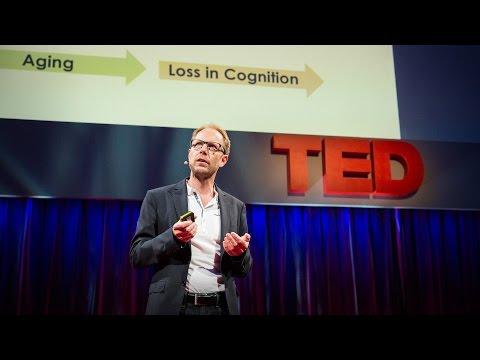
【TED】Tony Wyss-Coray: How young blood might help reverse aging. Yes, really (How young blood might help reverse aging. Yes, really | Tony Wyss-Coray)
0
Max Lin posted on 2015/11/11Ever wondered if young blood could actually reverse aging? This fascinating TED talk dives into the science behind parabiosis and young plasma, exploring how it might impact biological age and even diseases like Alzheimer's. You'll pick up some advanced vocabulary related to cutting-edge science while learning about this mind-blowing research!
Learn this video on the APP!
The VoiceTube App has more in-depth practice for videos!