
arthritis
US /ɑrˈθraɪtɪs/
UK /ɑ:ˈθraɪtɪs/
- Noun
- Diseases of the joints often with painful swelling
B2Moreat stake
US /æt stek/
UK /æt steik/
- Phrase
- At risk; that can be lost if something is not successful
- In question; depending on what happens
- Adjective
- At risk; that can be lost if something is not successful.
A1Moreback onto
US /bæk ˈɑntoʊ/
UK /bæk ˈɒntə/
- other
- To reverse a vehicle so it stops at a particular place.
B1Morebiology
US /baɪˈɑlədʒi/
UK /baɪˈɒlədʒi/
- Uncountable Noun
- The study of living things
A2Morebody
US /ˈbɑdi/
UK /ˈbɒdi/
- Noun
- The physical structure of a person or animal.
- Noun (Countable/Uncountable)
- The main or central part of something.
- The weight and texture of a drink (like wine or coffee) in the mouth.
A2Morebreast
US /brɛst/
UK /brest/
- Countable Noun
- Fleshy part of a woman's body for feeding babies
- (Poetic) upper front part of the body; the heart
B1Moreby itself
US /baɪ ɪtˈsɛlf/
UK /bai itˈself/
- Adverb
- Alone; without help or assistance.
- Without any external influence or aid.
A2Morecancer
US /ˈkænsɚ/
UK /'kænsə(r)/
- Noun
- Any growth caused by abnormal cell division
B1Morecartilage
US /ˈkɑrtlɪdʒ/
UK /ˈkɑ:tɪlɪdʒ/
- Uncountable Noun
- Strong flexible tissue connecting bones, joints
C1Morecell
US /sɛl/
UK /sel/
- Countable Noun
- Smallest unit of living things in biology
- Group of people - often from a secret organization
A2Morecellular
US /ˈsɛljəlɚ/
UK /'seljələ(r)/
- Adjective
- Concerning a cell of a living thing
- (Of radio signals) functioning without wires
B2Morechain
US /tʃen/
UK /tʃeɪn/
- Transitive Verb
- To feel to be bound or tied to
- To connect or tie with a rope made of metal links
- Noun (Countable/Uncountable)
- Series of events or things that are connected
- Series of (metal) connected links or rings
A2Morechemical
US /ˈkɛmɪkəl/
UK /ˈkemɪkl/
- Noun (Countable/Uncountable)
- Basic substance produced by mixing elements
- The branch of science concerned with the substances of which matter is composed, the investigation of their properties and reactions, and the use of such reactions to form new substances.
- Adjective
- Made of various elements
A2Morechemistry
US /ˈkɛmɪstri/
UK /'kemɪstrɪ/
- Uncountable Noun
- The study of the structure of substances
B1Morechronic
US /ˈkrɑnɪk/
UK /'krɒnɪk/
- Adjective
- Always or often doing something, e.g. lying
- (Of disease) over a long time; serious
B1Morecure
US /kjʊr/
UK /kjʊə(r)/
- Noun
- Something that solves a problem or makes it better
- Medical treatment making a sick person healthy
- Transitive Verb
- To fix or improve a problem
- To make someone healthy or make a disease go away
B1Moredegeneration
US /dɪˌdʒenəˈreɪʃn/
UK /dɪˌdʒenəˈreɪʃn/
- Uncountable Noun
- Process of gradual decline in condition/function
B2Moredepression
US /dɪˈprɛʃən/
UK /dɪ'preʃn/
- Noun (Countable/Uncountable)
- Medical condition of a lack of vitality
- Period of unemployment and low economic activity
B2Moredesperately
US /ˈdɛspərɪtlɪ/
UK /'despərətlɪ/
- Adverb
- In a way that shows you don't have much hope
- In a way that shows despair.
A2Moredisease
US /dɪˈziz/
UK /dɪˈzi:z/
- Noun (Countable/Uncountable)
- Illness that affects a person, animal, or plant
- A disorder of structure or function in a plant, especially one caused by a pathogen.
- Transitive Verb
- To affect with disease; to corrupt or sicken.
A2TOEICMoredying to
US
UK
- Phrase
- Extremely eager or anxious to do or have something.
- To have a very strong desire or need for something.
A1Moreentire
US /ɛnˈtaɪr/
UK /ɪn'taɪə(r)/
- Adjective
- Complete or full; with no part left out; whole
- Undivided; not shared or distributed.
A2TOEICMoreexercise
US /ˈɛksɚˌsaɪz/
UK /'eksəsaɪz/
- Verb (Transitive/Intransitive)
- To work out to become stronger and healthier
- To retain your ability or practice your skills
- Noun (Countable/Uncountable)
- Physical activity to increase health and strength
- Set of questions in a text book
A2Moreexquisite
US /ˈɛkskwɪzɪt, ɪkˈskwɪzɪt/
UK /ɪkˈskwɪzɪt/
- Adjective
- Being very sensitive or detailed, e.g. of taste
B2Morefor instance
US /fɔr ˈɪnstəns/
UK /fɔ: ˈinstəns/
- Adverb
- As an example.
- Phrase
- As an example.
- As an illustration or case in point
B1Moregenome
US /ˈdʒi:noʊm/
UK /ˈdʒi:nəʊm/
- Noun
- Complete set of genetic material in an organism
B2Moregrowth
US /groʊθ/
UK /grəʊθ/
- Uncountable Noun
- Improvement, development in a skill over time
- Act of growing
- Countable Noun
- A mass on the skin or body part related to illness
A2TOEICMorehave to
US /hæv tu/
UK /ˈhæv tə/
- Auxiliary Verb
- Must do
A1Morehierarchical
US /ˌhaɪəˈrɑ:rkɪkl/
UK /ˌhaɪəˈrɑ:kɪkl/
- Adjective
- Separating into varying levels of importance
B1Morehypertension
US /ˌhaɪpərˈtenʃn/
UK /ˌhaɪpəˈtenʃn/
- Uncountable Noun
- Condition marked by abnormally high blood pressure
B2Moreillness
US /ˈɪlnɪs/
UK /ˈɪlnəs/
- Uncountable Noun
- Unhealthy condition of the mind or body
- A particular instance or type of disease.
A2Moreimmune
US /ɪˈmjoon/
UK /ɪˈmju:n/
- Adjective
- Having a special protection from, e.g. the law
- Protected against a particular disease or condition because of antibodies or vaccination.
B1Moreimplant
US /ɪmˈplænt/
UK /ɪmˈplɑ:nt/
- Transitive Verb
- To put something into, an idea in someone's mind
- To put medical material in, as to improve teeth
- Noun
- Medical material, thing to improve the teeth, body
B2Morein a vacuum
US /ɪn e ˈvækjuəm/
UK /in ə ˈvækjuəm/
- Phrase
- Existing or considered without relation to other things; isolated from outside influences.
- Without any context or background information.
A1Morein blood
US /ɪn blʌd/
UK /in blʌd/
- other
- Covered or stained with blood, literally or figuratively.
C2Morein fact
US /ɪn fækt/
UK /in fækt/
- Adverb
- Used to emphasize the truth of a statement, especially one that contrasts with or contradicts something else.
- Used to introduce a more detailed or surprising piece of information.
- Phrase
- Used to emphasize the truth of a statement, especially one that is surprising or contrary to what might be expected.
C1Morein miniature
US /ɪn ˈmɪnətʃɚ/
UK /ɪn ˈmɪnətʃə/
- other
- On a very small scale; a small representation.
B2Morein other words
US
UK
- Phrase
- Stating something in a different way, often to make it clearer or more understandable.
in terms of
US
UK
- Phrase
- With regard to; concerning a particular aspect.
A1Morein the future
US /ɪn ði ˈfjutʃɚ/
UK /in ðə ˈfju:tʃə/
- Phrase
- At a later time; in times to come.
A1Moreinteract
US /ˌɪntɚˈækt/
UK /ˌɪntər'ækt/
- Intransitive Verb
- To talk or do things with each other
A2Moreintroduction
US /ˌɪntrəˈdʌkʃən/
UK /ˌɪntrəˈdʌkʃn/
- Noun (Countable/Uncountable)
- A first experience with something
- Opening part of a text or piece of music
A2TOEICMorelaboratory
US /ˈlæbrəˌtɔri, -ˌtori/
UK /lə'bɒrətrɪ/
- Noun (Countable/Uncountable)
- A place to do scientific experiments
- A place where tests are done for medical diagnosis.
B1Morelike no other
US
UK
- Phrase
- Unique; unparalleled; distinctly different from all others.
- To an extreme degree; in a way that is more intense than anyone else.
A1Morelocation
US /loʊˈkeɪʃn/
UK /ləʊˈkeɪʃn/
- Noun (Countable/Uncountable)
- Particular position or area of place, event, etc.
- A place away from a studio where film or television shots are made.
B1TOEICMorelock
US /lɑ:k/
UK /lɒk/
- Verb (Transitive/Intransitive)
- To become fixed in place and hard to move
- To use a key, code so others can't open something
- Countable Noun
- Small portion of your hair that hangs together
- Place on a door, etc. that you close with a key
A2TOEICMorelock out
US /lɑk aʊt/
UK /lɔk aut/
- Phrasal Verb
- To prevent someone from entering a place by locking the door.
- To exclude workers from their place of work until they agree to certain conditions.
look for
US /lʊk fɔr/
UK /luk fɔ:/
- Phrasal Verb
- To try to find a thing or person that is lost
- To expect or anticipate something.
A1Moremedicinal
US /mɪˈdɪsənəl/
UK /məˈdɪsɪnl/
- Adjective
- Relating to the treatment of sickness or pain
A2Moremedicine
US /ˈmɛdɪsɪn/
UK /ˈmedsn/
- Noun (Countable/Uncountable)
- Something used in treating illness or pain
- Science of preventing, treating, or curing disease
A2TOEICMoremetaphor
US /ˈmɛtəˌfɔr, -fɚ/
UK /ˈmetəfə(r)/
- Noun
- Imaginative use of words to reveal a similarity
B1Moremicrobe
US /ˈmaɪkroʊb/
UK /ˈmaɪkrəʊb/
- Noun (Countable/Uncountable)
- Very small, microscopic, living thing
C1Moremodel
US /ˈmɑ:dl/
UK /ˈmɒdl/
- Adjective
- Being an excellent example of
- Countable Noun
- Person who wears fashion to show it to the public
- A small scale copy of a full original
A2Moremove into
US /muv ˈɪntu/
UK /mu:v ˈɪntuː/
- Phrasal Verb
- To start living in a new house or building
- To start being involved in a new area of business or activity.
of course
US /ʌv kɔː(r)s/
UK /ɔv kɔː(r)s/
- Adverb
- Sure ; Certainly
- Phrase
- For sure; certainly
A2Moreon the order of
US /ɑn ðə ˈɔrdɚ ʌv/
UK /ɒn ðə ˈɔ:də ɒv/
- Preposition
- Approximately; about a certain amount or number.
C1Moreorgan
US /ˈɔrɡən/
UK /'ɔ:ɡən/
- Noun (Countable/Uncountable)
- Part of a person's body with a particular function
- Large institution or body
B1Moreout there
US /aʊt ðɛr/
UK /aut ðɛə/
- Adverb
- In or to a place that is far away
- Existing in the universe
- Adjective
- Unconventional; strange; avant-garde
- Existing or available.
A1Moreouter edge
US /ˈaʊtɚ ɛdʒ/
UK /ˈautə edʒ/
- Noun
- The external boundary or periphery of something.
- The part of a skate blade farthest from the foot.
B1Morepartly
US /ˈpɑ:rtli/
UK /ˈpɑ:tli/
- Adverb
- In part; not completely
A2Morepercent
US /pɚˈsɛnt/
UK /pə'sent/
- Adverb
- One one-hundredth of a whole; the symbol %
- Noun (Countable/Uncountable)
- A proportion multiplied by 100
- A specified amount in every hundred
A2TOEICMoreperceptual
US /pərˈseptʃuəl/
UK /pəˈseptʃuəl/
- Adjective
- Relating to immediate sensory experience
C1Morephysiology
US /ˌfɪziˈɑ:lədʒi/
UK /ˌfɪziˈɒlədʒi/
- Uncountable Noun
- Ways in which the parts of a living thing operate
B2Morepill
US /pɪl/
UK /pɪl/
- Noun
- Person who is difficult to deal with
- Small, round piece of medicine that is swallowed
A2Morepneumonia
US /nu:ˈmoʊniə/
UK /nju:ˈməʊniə/
- Uncountable Noun
- Serious illness affecting the lungs and breathing
B2Morepotent
US /ˈpotnt/
UK /'pəʊtnt/
- Adjective
- (Of men) being able to make a woman pregnant
- Having a powerful effect, e.g. on the body or mind
B2Moreprofoundly
US /prəˈfaʊndlɪ/
UK /prəˈfaʊndli/
- Adverb
- With a great depth psychologically
- To a very great extent; deeply or intensely.
B1Moreput back
US /pʊt bæk/
UK /put bæk/
- Phrasal Verb
- To return something to the proper place
A1Morerather than
US
UK
- Adverb
- More exactly; more correctly
- Preferably; instead
- Preposition
- Instead of
A1Morerun to
US /rʌn tu/
UK /rʌn tu:/
- Phrasal Verb
- To have enough money; be able to pay; afford
- To go to some place
A1Morescheme
US /skim/
UK /ski:m/
- Noun
- Plan (sometimes dishonest) to get or do something
- Way something is organized, e.g. colors of a room
- Intransitive Verb
- To make secret plans to do something (often bad)
A2TOEICMoreshift
US /ʃɪft/
UK /ʃɪft/
- Verb (Transitive/Intransitive)
- To change in position or direction
- To move something from one place to another
- Noun (Countable/Uncountable)
- A change in a persons plans, opinions or beliefs
- Period of work starting at a certain time
A2Moreshift in
US
UK
- Phrasal Verb
- A change or alteration in something.
B2Moreskeletal
US /ˈskɛlɪtl/
UK /ˈskelətl/
- Adjective
- Of the bones of the body
- So thin that you see bones through the skin
C1Moreskeleton
US /ˈskɛlɪtn/
UK /ˈskelɪtn/
- Noun (Countable/Uncountable)
- Structure of bones that supports the body
- Frame that provides support for e.g. a building
- Adjective
- Outline of the basic of main part of something
B1Morestake
US /stek/
UK /steɪk/
- Noun (Countable/Uncountable)
- Share/interest in the success of a business, etc.
- Money bet in a game that can be won or lost
- Transitive Verb
- To bet or wager on an outcome
- To risk something important by taking a risk
B1TOEICMorestem
US /stɛm/
UK /stem/
- Noun (Countable/Uncountable)
- Long thin central part of a plant, bearing leaves
- Long thin part supporting something e.g. a light
- Transitive Verb
- To remove the stem of a flower or fruit
- To stop something bad from spreading or developing
B1TOEICMoretalking about
US
UK
- Phrasal Verb
- To discuss a particular topic.
- To be constantly mentioning or bringing up a subject.
A1Moretarget
US /ˈtɑrɡɪt/
UK /'tɑ:ɡɪt/
- Noun (Countable/Uncountable)
- A goal or amount you are trying to achieve
- Group you are trying to sell to or influence
- Transitive Verb
- To try to influence; direct a message toward
- (Army) to aim an attack at something
A2TOEICMoretherapy
US /ˈθɛrəpi/
UK /'θerəpɪ/
- Noun (Countable/Uncountable)
- Treatment to help cure an illness
- Psychological counseling to help resolve personal or emotional problems.
B2Morethink about
US /θɪŋk əˈbaʊt/
UK /θiŋk əˈbaut/
- Phrasal Verb
- To consider something carefully.
- To remember or call to mind.
A1Morethink of
US /θɪŋk ʌv/
UK /θiŋk ɔv/
- Phrasal Verb
- To look on as (being something specific); consider
- To consider or remember something.
- Verb (Transitive/Intransitive)
- To imagine or call something to mind
A1Moreto order
US
UK
- Transitive Verb
- To give an instruction or command.
- To request something to be made, supplied, or served.
A1Moretreatment
US /ˈtritmənt/
UK /ˈtri:tmənt/
- Noun (Countable/Uncountable)
- Medicine or method to make someone healthier
- Way someone acts toward another
A2TOEICMoreturn off
US
UK
- Phrasal Verb
- To make someone feel negatively about something
A1Moreused to
US /juzd tu/
UK /ˈju:st tə/
- Adjective
- Did regularly before, but don't do now
- Auxiliary Verb
- Have done before, but do not do now
A1More
Vocabulary
- in fact: Used to emphasize the truth of a statement, especially one that contrasts with or contradicts something else.
- think about: To consider something carefully.
- at stake: At risk; that can be lost if something is not successful
- in terms of
- of course: Sure ; Certainly
- rather than: More exactly; more correctly
- think of: To look on as (being something specific); consider
- have to: Must do
- turn off
- in other words: Stating something in a different way, often to make it clearer or more understandable.
- dying to: Extremely eager or anxious to do or have something.
- in the future: At a later time; in times to come.
- like no other: Unique; unparalleled; distinctly different from all others.
- on the order of: Approximately; about a certain amount or number.
- outer edge: The external boundary or periphery of something.
- run to: To have enough money; be able to pay; afford
- in a vacuum: Existing or considered without relation to other things; isolated from outside influences.
- for instance: As an example.
- lock out: To prevent someone from entering a place by locking the door.
- to order: To give an instruction or command.
- used to: Did regularly before, but don't do now
- in blood: Covered or stained with blood, literally or figuratively.
- look for: To try to find a thing or person that is lost
- move into: To start living in a new house or building
- by itself: Alone; without help or assistance.
- back onto: To reverse a vehicle so it stops at a particular place.
- put back: To return something to the proper place
- in miniature: On a very small scale; a small representation.
- shift in: A change or alteration in something.
- out there: In or to a place that is far away
- talking about: To discuss a particular topic.
- partly: In part; not completely
- work: The product of some artistic or literary endeavor
- body: The physical structure of a person or animal.
- key: Answers to exercises, as at the back of a book
- number: Symbols such as 1, 2, 56, 793
- thinking: To have an idea, opinion or belief about something
- begin: To do the first part of an action; to start
- talk: Style of speaking
- study: To focus on learning something usually at school
- question: To ask for or try to get information
- live: To be alive
- change: To exchange one set of clothes for another
- interesting: Taking your attention; making you want to know
- world: All the humans, events, activities on the earth
- show: To be easily seen or displayed
- medicine: Something used in treating illness or pain
- model: Being an excellent example of
- form: Sports team or person's current winning record
- fact: Something that is known or proved to be true
- chemistry: The study of the structure of substances
- future: Time that is to come after the present
- chain: To feel to be bound or tied to
- kill: To cause someone to experience a lot of pain
- call: A order or request for action
- grow: To get bigger and more mature; make plants do this
- idea: Belief, thought, suggestion, opinion or plan
- biology: The study of living things
- building: To establish e.g. a reputation, over time
- order: Religious or social group, as of nuns
- exercise: To work out to become stronger and healthier
- bone: Hard piece of your body that holds your muscles
- cancer: Any growth caused by abnormal cell division
- disease: Illness that affects a person, animal, or plant
- environment: Natural world in which plants and animals live
- lock: To become fixed in place and hard to move
- illness: Unhealthy condition of the mind or body
- pill: Person who is difficult to deal with
- laboratory: A place to do scientific experiments
- human: A person; a man, woman or child
- percent: One one-hundredth of a whole; the symbol %
- location: Particular position or area of place, event, etc.
- system: Set of organized, planned ideas that work together
- apply: To spread a substance or liquid over a surface
- breast: Fleshy part of a woman's body for feeding babies
- organize: To arrange and plan things, e.g. a party
- cell: Smallest unit of living things in biology
- chemical: Basic substance produced by mixing elements
- depression: Medical condition of a lack of vitality
- shift: To change in position or direction
- skeleton: Structure of bones that supports the body
- target: A goal or amount you are trying to achieve
- interact: To talk or do things with each other
- desperately: In a way that shows you don't have much hope
- therapy: Treatment to help cure an illness
- scheme: Plan (sometimes dishonest) to get or do something
- cure: Something that solves a problem or makes it better
- introduction: A first experience with something
- treatment: Medicine or method to make someone healthier
- entire: Complete or full; with no part left out; whole
- growth: Improvement, development in a skill over time
- stem: Long thin central part of a plant, bearing leaves
- organ: Part of a person's body with a particular function
- metaphor: Imaginative use of words to reveal a similarity
- stake: Share/interest in the success of a business, etc.
- hierarchical: Separating into varying levels of importance
- exquisite: Being very sensitive or detailed, e.g. of taste
- profoundly: With a great depth psychologically
- chronic: Always or often doing something, e.g. lying
- immune: Having a special protection from, e.g. the law
- cartilage: Strong flexible tissue connecting bones, joints
- degeneration: Process of gradual decline in condition/function
- perceptual: Relating to immediate sensory experience
- skeletal: Of the bones of the body
- genomics: Branch of genetics that studies organisms in terms of their genomes (their full DNsequences)
- microbe: Very small, microscopic, living thing
- implant: To put something into, an idea in someone's mind
- potent: (Of men) being able to make a woman pregnant
- genome: Complete set of genetic material in an organism
- cellular: Concerning a cell of a living thing
- medicinal: Relating to the treatment of sickness or pain
- pneumonia: Serious illness affecting the lungs and breathing
- arthritis: Diseases of the joints often with painful swelling
- hypertension: Condition marked by abnormally high blood pressure
- physiology: Ways in which the parts of a living thing operate
Get the full experience in the app
Learn anywhere with detailed sentence and usage analysis
01:03
She took a brave step forward, leaving behind her comfort zone to chase her dreams.
Vocabulary
- brave
adj. Having courage
- comfort zone
phr. A familiar situation where one feels safe
Explanation
a brave step is a noun phrase, where brave is an adjective modifying the noun step, meaning "a courageous step".
forward is an adverb modifying step, meaning "ahead".
The whole phrase serves as the object, answering the "what" of took (verb) — she took a brave step forward.
Get the full experience in the app
Look up words anytime with pronunciation, part of speech, and usage
brave
US/brev/
UK/breɪv/
adj.Brave
v.t.To bravely face
A2 Elementary
Get the full experience in the app
Practice speaking anytime and get instant pronunciation feedback
Try this speaking exercise.
Try practicing with this sentence.
80
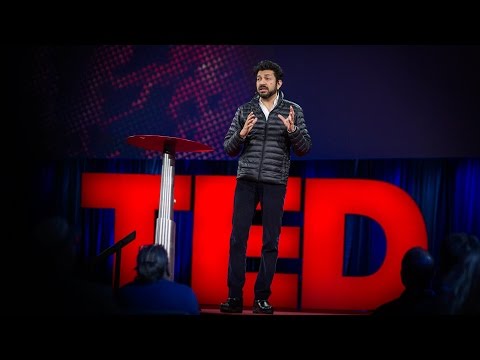
【TED】Soon We'll Cure Diseases With a Cell, Not a Pill | Siddhartha Mukherjee | TED Talks
0
Max Lin posted on 2015/10/30Ever wonder if we'll cure diseases with cells instead of pills? This fascinating TED talk dives into the future of medicine, exploring stem cells and regenerative medicine. You'll pick up some amazing advanced vocabulary while learning about groundbreaking scientific ideas!
Learn this video on the APP!
The VoiceTube App has more in-depth practice for videos!