
above all
US /əˈbʌv ɔl/
UK /əˈbʌv ɔ:l/
- Phrase
- Most importantly; more than anything else.
A1Moreadaptation
US /ˌædæpˈteʃən/
UK /ˌædæpˈteɪʃn/
- Noun (Countable/Uncountable)
- Music, movie or play, changed to a new form
- Changing to a new form; thing that is changed
B1Moreadversely affected
US
UK
- Verb (Transitive/Intransitive)
- Negatively impacted or harmed.
- Negatively impacted or harmed in terms of health.
C2Moreaffect
US /əˈfɛkt/
UK /ə'fekt/
- Transitive Verb
- To cause a change in something else
- To pretend to have or feel (something).
- Noun
- (Psychology) Emotion or feeling.
A2TOEICMoreaffected
US /əˈfɛktɪd/
UK /əˈfektɪd/
- Adjective
- Putting on an act; not genuine
- Transitive Verb
- To cause a change in something else
- Pretended to have or feel (something).
A2Moreagricultural
US /ˌæɡrɪ'kʌltʃərəl/
UK /ˌæɡrɪ'kʌltʃərəl/
- Adjective
- Concerning farming, or the land
B1Moreagricultural products
US
UK
- Noun (plural)
- Goods produced through agriculture, including crops and livestock.
B2Moreagriculture
US /ˈæɡrɪˌkʌltʃɚ/
UK /ˈægrɪkʌltʃə(r)/
- Uncountable Noun
- The science of farming
- The study of farming and related sciences.
A2Morealong with
US /əˈlɔŋ wɪð/
UK /əˈlɔŋ wið/
- Preposition
- In addition to; together with.
- Adverb
- In company or together with someone or something.
- Including; in addition to.
A2Moreas a result of
US
UK
- Phrase
- Because of something; owing to.
A1Moreas well as
US /æz wɛl æz/
UK /æz wel æz/
- Adverb
- Also; in addition to
- Preposition
- In addition to; and also.
A1Moreassess
US /əˈsɛs/
UK /əˈses/
- Transitive Verb
- To judge something's value or suitability
A2TOEICMoreassessment
US /əˈsɛsmənt/
UK /əˈsesmənt/
- Noun
- Conclusion, opinion formed after due consideration
B1TOEICMoreat the same time
US
UK
- Phrase
- Simultaneously; at the identical moment.
- Nevertheless; however; used to introduce a contrasting or qualifying statement.
A1Morebased on
US
UK
- Phrasal Verb
- To use something as the foundation or starting point for something else.
- Preposition
- Using something as the main idea or foundation.
- Relying on something as evidence or justification.
A1Morecarbon
US /ˈkɑrbən/
UK /'kɑ:bən/
- Uncountable Noun
- Chemical element with an atomic number of 6
B1Moreclimate
US /ˈklaɪmɪt/
UK /ˈklaɪmət/
- Noun (Countable/Uncountable)
- Typical weather conditions in a particular place
- The general attitudes, feelings, or opinions that people have at a particular time.
A2Moreconclude
US /kənˈklud/
UK /kənˈklu:d/
- Verb (Transitive/Intransitive)
- To finish or cause to finish; end
- To arrive at a judgment or opinion
A2Moreconfidence
US /ˈkɑnfɪdəns/
UK /'kɒnfɪdəns/
- Uncountable Noun
- Feeling that you can do well at something
- Feeling you can trust someone
A2Moreconsists of
US
UK
- Phrasal Verb
- Is made up or composed of.
A1Morecope with
US /kop wɪð/
UK /kəup wið/
- Phrasal Verb
- To deal successfully with a difficult situation.
A1Morecrop
US /krɑp/
UK /krɒp/
- Noun (Countable/Uncountable)
- Plants grown on a farm for food, e.g. corn or rice
- Section of short, thick hair
- Transitive Verb
- To cut something to a shorter length or size
- To cut (something, especially hair) short.
B1Morecrop yield
US
UK
- Noun (Countable/Uncountable)
- The amount of a crop produced per unit area of land.
decrease
US /dɪˈkris/
UK /dɪˈkri:s/
- Verb (Transitive/Intransitive)
- To reduce the size, amount or number of something
- Uncountable Noun
- Amount by which something has been reduced
B1TOEICMoredeforestation
US //diːˌfɔːr.əˈsteɪ.ʃən//
UK //diːˌfɒr.ɪˈsteɪ.ʃən//
- Uncountable Noun
- Process of removing the trees from an area
C2Moredepending on
US
UK
- Phrasal Verb
- To rely on for support (financial or emotional)
- Influenced or determined by.
- Preposition
- Subject to; contingent on
- Relying on someone or something for support or assistance.
A2Moredevelopment
US /dɪˈvɛləpmənt/
UK /dɪ'veləpmənt/
- Noun (Countable/Uncountable)
- Act or process of growing bigger or more advanced
- A new event related to a previous event
A2TOEICMoredioxide
US /daɪˈɑksaɪd/
UK /daɪˈɒksaɪd/
- Noun
- An oxide containing two oxides per molecule
B2Moredrop down
US /drɑp daʊn/
UK /drɔp daun/
- Phrasal Verb
- To go to a lower place, rank
A1Moredue to
US /du tu/
UK /dju: tu:/
- Preposition
- Because of; owing to
- Adjective
- Attributable to; caused by.
A1Moreeconomic
US /ˌɛkəˈnɑmɪk, ˌikə-/
UK /ˌi:kəˈnɒmɪk/
- Adjective
- Concerning trade, industry, and money
- Financially worthwhile; profitable.
- Noun
- A system relating to economics
- A factor relating to economics
A2Moreelevate
US /ˈɛləˌvet/
UK /ˈelɪveɪt/
- Transitive Verb
- To make something higher
- To raise something in status, importance, feeling
B2Moreerosion
US /ɪˈrəʊʒ(ə)n/
UK /ɪ'rəʊʒn/
- Uncountable Noun
- Process of wearing away by water, wind, or ice
- The gradual destruction or diminution of something.
B1Moreevidence of
US
UK
- Phrase
- Facts, objects, or signs that make you believe that something is true.
- Something that shows that something else exists or is true.
A1Morefactor in
US /ˈfæktɚ ɪn/
UK /ˈfæktə in/
- Phrasal Verb
- To include something as an important element when making a decision or calculation.
B2Morefor example
US
UK
- Phrase
- As an illustration or instance.
for instance
US /fɔr ˈɪnstəns/
UK /fɔ: ˈinstəns/
- Adverb
- As an example.
- Phrase
- As an example.
- As an illustration or case in point
B1Moreforestry
US /ˈfɔrɪstri/
UK /ˈfɒrɪstri/
- Uncountable Noun
- Science of caring for and managing forests
A2Moregas
US /ɡæs/
UK /ɡæs/
- Uncountable Noun
- Elements in our air, like oxygen or nitrogen
- Fuel used for cooking, heating houses etc.
- Transitive Verb
- To kill or disable someone with poisoned air
A2Moreget up to
US /ɡɛt ʌp tu/
UK /ɡet ʌp tu:/
- Phrasal Verb
- To do something slightly naughty
A1Moreglobal
US /ˈgloʊbl/
UK /ˈgləʊbl/
- Adjective
- Concerning, involving, affecting all of something
- Of, affecting, or involving the entire world
A2TOEICMoregrain
US /ɡren/
UK /greɪn/
- Noun (Countable/Uncountable)
- Seeds of plants used for food
- Natural pattern in something, e.g. wood
B1TOEICMoregreenhouse
US /ˈɡrinˌhaʊs/
UK /'ɡri:nhaʊs/
- Adjective
- Greenhouse gas that makes the Earth get warmer
- Countable Noun
- Glass building used for growing plants
B1TOEICMoregrow up
US /ɡro ʌp/
UK /ɡrəu ʌp/
- Phrasal Verb
- To develop from a child into an adult
A1Morehave on
US /hæv ɑn/
UK /hæv ɔn/
- Phrasal Verb
- To be wearing something.
- To deceive or trick someone, often in a playful way.
A1Morehit with
US
UK
- Phrasal Verb
- To strike someone or something using an object.
- To suddenly realize or understand something.
A1Morein addition to
US /ɪn əˈdɪʃən tu/
UK /in əˈdiʃən tu:/
- Preposition
- Besides; as well as
- Phrase
- Besides; as well as.
- Furthermore; moreover.
B1Morein areas
US
UK
- Phrase
- Located or occurring within specific regions or locations.
- Relating to specific fields, subjects, or disciplines.
A1Morein comparison
US /ɪn kəmˈpærɪsən/
UK /in kəmˈpærisən/
- Adverb
- When compared to something else.
- Phrase
- When compared to something else.
- When considering the differences between two or more things.
A1Morein favor of
US /ɪn ˈfevɚ ʌv/
UK /in ˈfeivə ɔv/
- Phrase
- Expressing support or approval for someone or something.
- To the advantage of; benefiting.
- Preposition
- Supporting or approving of something.
- To the advantage of; to the benefit of.
A1Morein isolation
US
UK
- Phrase
- Separately from other people or things; alone.
- Considered separately and without reference to other related things.
C1Morein order to
US /ɪn ˈɔrdɚ tu/
UK /in ˈɔ:də tu:/
- Preposition
- For the purpose of; with the aim of.
- Phrase
- In a specific sequence or arrangement.
- With the aim of; for the purpose of.
C1Morein part
US /ɪn pɑrt/
UK /in pɑ:t/
- Adverb
- To some extent; partially.
A1Morein particular
US /ɪn pɚˈtɪkjəlɚ/
UK /in pəˈtikjulə/
- Phrase
- Specifically; especially.
- Detailed or precise.
A1Morein some places
US
UK
- Phrase
- In certain locations or areas, but not all.
A1Morein terms of
US
UK
- Phrase
- With regard to; concerning a particular aspect.
A1Morein the future
US /ɪn ði ˈfjutʃɚ/
UK /in ðə ˈfju:tʃə/
- Phrase
- At a later time; in times to come.
A1Morein the long run
US
UK
- Phrase
- Eventually; over a long period of time.
A1Morein the process of
US /ɪn ði ˈprɑsˌɛs ʌv/
UK /in ðə ˈprəuses ɔv/
- Phrase
- During the course of; while something is happening or being done.
A1Morein turn
US
UK
- Adverb
- One after the other in a sequence or rotation.
A1Moreincreased risk
US
UK
- Noun
- A greater chance of something harmful or dangerous happening.
- A higher probability of financial loss in an investment.
B2Moreinformation technology
US
UK
- Uncountable Noun
- The study or use of systems (especially computers and telecommunications) for storing, retrieving, and sending information.
- The industry related to computers, software, and telecommunications.
- Countable Noun
- A department within an organization responsible for managing computer systems and networks.
B1Moreirrigation
US /ˌɪrɪ'ɡeɪʃn/
UK /ˌɪrɪ'ɡeɪʃn/
- Uncountable Noun
- Supplying land with water using pipes
- The process of washing out a body cavity or wound with a stream of fluid
B1Moreknock on
US /nɑk ɑn/
UK /nɔk ɔn/
- Phrasal Verb
- To strike a door or window to attract attention.
- Intransitive Verb
- (In rugby) to drop the ball forward.
A1Morelead to
US /lid tu/
UK /li:d tu:/
- Phrasal Verb
- To result in some action
- Verb (Transitive/Intransitive)
- To have something as a consequence or result.
A1Morelevel
US /ˈlɛvəl/
UK /'levl/
- Noun (Countable/Uncountable)
- Specific height of something
- Amount of ability you have compared to others
- Transitive Verb
- To aim a gun at someone
- To destroy a building; flatten an area completely
A2TOEICMorelivestock
US /ˈlaɪvˌstɑk/
UK /ˈlaɪvstɒk/
- Noun (Countable/Uncountable)
- Any animals kept for use or profit
B2Moremaize
US /mez/
UK /meɪz/
- Noun (Countable/Uncountable)
- Corn; a yellow cereal
B2Moremethane
US /ˈmeθeɪn/
UK /ˈmi:θeɪn/
- Uncountable Noun
- Colorless gas without smell often used as fuel
B2Moremitigation
US /ˌmɪtɪˈɡeɪʃn/
UK /ˌmɪtɪˈgeɪʃn/
- Uncountable Noun
- Act of making less severe or serious
B2Morenational
US /ˈnæʃənəl, ˈnæʃnəl/
UK /'næʃnəl/
- Adjective
- Concerning a nation as a whole
- Countable Noun
- A person of a particular country
A2Morenitrogen
US /ˈnaɪtrədʒən/
UK /ˈnaɪtrədʒən/
- Uncountable Noun
- A colorless chemical element without a smell
B2Morenumber of people
US /ˈnʌmbɚ ʌv ˈpipəl/
UK /ˈnʌmbə ɔv ˈpi:pl/
- Phrase
- The total count of individuals within a group or gathering.
- A statistical figure representing the population size or a subset thereof.
A1Moreof the century
US /ʌv ðə ˈsɛnʧəri/
UK /əv ðə ˈsenʧəri/
- other
- The most notable or important in a hundred-year period.
B2Moreon the other hand
US
UK
- Phrase
- Considering a different aspect of the matter; alternatively.
A1Moreozone
US /ˈoʊzoʊn/
UK /ˈəʊzəʊn/
- Uncountable Noun
- Gas protecting the earth from the sun
- Fresh and pure air, usually near the sea
B2Moreplanting
US
UK
- Verb (Transitive/Intransitive)
- To firmly position something (in the ground)
- To put seeds, flowers, trees in the ground
- Noun
- The activity of putting plants in the ground.
- The action of placing (something) in a particular spot, especially in order to deceive someone.
A2Morepotential
US /pəˈtɛnʃəl/
UK /pəˈtenʃl/
- Adjective
- Capable of happening or becoming reality
- Having or showing the capacity to develop into something in the future.
- Uncountable Noun
- someone's or something's ability to develop, achieve, or succeed
A2TOEICMoreproduction
US /prəˈdʌkʃən, pro-/
UK /prəˈdʌkʃn/
- Uncountable Noun
- Process of producing or growing food naturally
- Process of making something on a large scale
A2TOEICMoreproductivity
US /ˌprɑ:dʌkˈtɪvəti/
UK /ˌprɒdʌkˈtɪvəti/
- Uncountable Noun
- Rate at which people or machines produce
- A measure of the efficiency of a person, machine, factory, system, etc., in converting inputs into useful output.
B1TOEICMorerainfall
US /ˈrenˌfɔl/
UK /ˈreɪnfɔ:l/
- Uncountable Noun
- Water falling from the sky
B1Morerather than
US
UK
- Adverb
- More exactly; more correctly
- Preferably; instead
- Preposition
- Instead of
A1Morereduce
US /rɪˈdus, -ˈdjus/
UK /rɪ'dju:s/
- Verb (Transitive/Intransitive)
- To try to decrease, e.g. your weight if overweight
- To boil a liquid until it has decreased in amount
A2TOEICMorereduce the risk
US
UK
- Phrase
- To lessen the probability of something dangerous or harmful occurring.
A1Moreregion
US /ˈridʒən/
UK /'ri:dʒən/
- Noun (Countable/Uncountable)
- Part of a country, of the world, area, etc.
- A part of the body
A2TOEICMoreregional
US /ˈridʒənəl/
UK /ˈri:dʒənl/
- Adjective
- Of a particular area, not the whole of a country
- Characteristic of a particular region.
B1Morerely on
US /rɪˈlaɪ ɑn/
UK /riˈlai ɔn/
- Phrasal Verb
- To depend on someone or something
A2Moreresult in
US /rɪˈzʌlt ɪn/
UK /riˈzʌlt in/
- Phrasal Verb
- To cause or produce as a consequence.
retreat
US /rɪˈtrit/
UK /rɪ'tri:t/
- Noun
- Act of a force moving back from a winning enemy
- A place away from home and work to relax
- Intransitive Verb
- (Of army, etc.) to move back from a winning enemy
- To go away from home and work for a vacation
B2Morerural
US /ˈrʊrəl/
UK /ˈruərəl/
- Adjective
- Concerning the country as opposed to the city
B1Moresame time
US
UK
- Phrase
- Occurring simultaneously or at the same point in time.
- At the identical time as before; recurring at a fixed hour.
- Noun
- An equal duration or period.
A1Moresecurity
US /sɪˈkjʊrɪti/sə'kjurətɪ/
UK /sɪ'kjʊərətɪ/
- Noun
- Department in a company in charge of protection
- Financial document, like stocks, bonds and notes
A2TOEICMoreshare in
US /ʃɛr ɪn/
UK /ʃɛə in/
- Phrasal Verb
- To participate in something; to have a part or interest in something.
- To receive a portion of something, such as profits or losses.
A1Moresoil
US /sɔɪl/
UK /sɔɪl/
- Uncountable Noun
- Conditions in which something develops
- Mix of natural material in which plants grow
- Transitive Verb
- To get or become dirty
B1Moresouthern
US /ˈsʌðərn/
UK /ˈsʌðən/
- Adjective
- Concerning a region in the south
A2Morespeed up
US /spid ʌp/
UK /spi:d ʌp/
- Phrasal Verb
- To move more quickly
A2Moresuch as
US /sʌtʃ æz/
UK /sʌtʃ æz/
- Preposition
- For example; like
A1Moretemperature
US /ˈtɛmpərəˌtʃʊr,-tʃɚ,ˈtɛmprə-/
UK /ˈtemprətʃə(r)/
- Noun (Countable/Uncountable)
- When you your body heat is above normal
- How hot or cold something is, e.g. the weather
A2Moreto a large extent
US /tə ə ˌlɑrdʒ ɪkˈstɛnt/
UK /tə ə ˌlɑ:dʒ ikˈstent/
- other
- Mostly or for the most part; primarily.
B2Moreused to
US /juzd tu/
UK /ˈju:st tə/
- Adjective
- Did regularly before, but don't do now
- Auxiliary Verb
- Have done before, but do not do now
A1Morevarieties of
US
UK
- Phrase
- Different kinds or types of something.
- A range of different things.
A2Morevulnerability
US /ˌvʌlnərə'bɪlətɪ/
UK /ˌvʌlnərə'bɪlətɪ/
- Uncountable Noun
- Being weak and able to be easily hurt or damaged
- A weakness or flaw that makes something susceptible to harm or damage.
B1Morevulnerable
US /ˈvʌlnərəbəl/
UK /ˈvʌlnərəbl/
- Adjective
- Being open to attack or damage
- Being easily harmed, hurt, or wounded
B1Morewake up
US /wek ʌp/
UK /weik ʌp/
- Phrasal Verb
- To stop sleeping
- To become fully aware and alert to a situation.
A1Moreyield
US /jild/
UK /ji:ld/
- Verb (Transitive/Intransitive)
- To bend or break because of a strong force
- To give way to someone or something else
- Noun (Countable/Uncountable)
- Amount of crops grown
- Amount of profit you make
A2TOEICMore
Vocabulary
- such as: For example; like
- due to: Because of; owing to
- based on: To use something as the foundation or starting point for something else.
- for example: As an illustration or instance.
- result in: To cause or produce as a consequence.
- as well as: Also; in addition to
- same time: Occurring simultaneously or at the same point in time.
- in order to: For the purpose of; with the aim of.
- rather than: More exactly; more correctly
- on the other hand : Considering a different aspect of the matter; alternatively.
- in terms of
- in particular: Specifically; especially.
- rely on: To depend on someone or something
- lead to: To result in some action
- in the future: At a later time; in times to come.
- reduce the risk: To lessen the probability of something dangerous or harmful occurring.
- factor in: To include something as an important element when making a decision or calculation.
- hit with: To strike someone or something using an object.
- in some places: In certain locations or areas, but not all.
- crop yield: The amount of a crop produced per unit area of land.
- grow up: To develop from a child into an adult
- drop down: To go to a lower place, rank
- to a large extent: Mostly or for the most part; primarily.
- in the long run: Eventually; over a long period of time.
- varieties of: Different kinds or types of something.
- in part: To some extent; partially.
- for instance: As an example.
- along with: In addition to; together with.
- evidence of: Facts, objects, or signs that make you believe that something is true.
- number of people: The total count of individuals within a group or gathering.
- cope with: To deal successfully with a difficult situation.
- as a result of: Because of something; owing to.
- agricultural products: Goods produced through agriculture, including crops and livestock.
- in favor of: Expressing support or approval for someone or something.
- adversely affected: Negatively impacted or harmed.
- have on: To be wearing something.
- share in: To participate in something; to have a part or interest in something.
- information technology: The study or use of systems (especially computers and telecommunications) for storing, retrieving, and sending information.
- above all: Most importantly; more than anything else.
- speed up: To move more quickly
- in comparison: When compared to something else.
- in the process of: During the course of; while something is happening or being done.
- in isolation: Separately from other people or things; alone.
- knock on: To strike a door or window to attract attention.
- in turn: One after the other in a sequence or rotation.
- increased risk: A greater chance of something harmful or dangerous happening.
- get up to: To do something slightly naughty
- in areas: Located or occurring within specific regions or locations.
- of the century: The most notable or important in a hundred-year period.
- at the same time: Simultaneously; at the identical moment.
- consists of: Is made up or composed of.
- in addition to: Besides; as well as
- depending on: To rely on for support (financial or emotional)
- used to: Did regularly before, but don't do now
- wake up: To stop sleeping
- change: To exchange one set of clothes for another
- food: What people and animals eat to live
- rice: Person's name
- study: To focus on learning something usually at school
- water: Clear liquid that forms the seas, rivers and rain
- weather: Whether it is raining, sunny, cold etc. outside
- farming: To use land for raising plants or animals for food
- poor: Inferior; below the normal standard
- sea: Very large group of people, similar-looking things
- planting: To firmly position something (in the ground)
- project: To predict what will happen in the future
- temperature: When you your body heat is above normal
- gas: Elements in our air, like oxygen or nitrogen
- level: Specific height of something
- high: Excited or relaxed from taking drugs
- forest: Large area with many trees
- national: Concerning a nation as a whole
- forestry: Science of caring for and managing forests
- include: To make someone, something part of a group
- main: Most important; most often used
- climate: Typical weather conditions in a particular place
- crop: Plants grown on a farm for food, e.g. corn or rice
- increase: To make or become larger in size or amount
- security: Department in a company in charge of protection
- land: Region or country
- development: Act or process of growing bigger or more advanced
- decrease: To reduce the size, amount or number of something
- report: Account of the necessary facts and information
- expect: To believe something is probably going to happen
- reduce: To try to decrease, e.g. your weight if overweight
- regional: Of a particular area, not the whole of a country
- develop: To explain something in steps and in detail
- economic: Concerning trade, industry, and money
- region: Part of a country, of the world, area, etc.
- southern: Concerning a region in the south
- agriculture: The science of farming
- agricultural: Concerning farming, or the land
- global: Concerning, involving, affecting all of something
- warming: To become more friendly or to like something
- carbon: Chemical element with an atomic number of 6
- dioxide: An oxide containing two oxides per molecule
- assessment: Conclusion, opinion formed after due consideration
- production: Process of producing or growing food naturally
- affect: To cause a change in something else
- soil: Conditions in which something develops
- affected: Putting on an act; not genuine
- confidence: Feeling that you can do well at something
- assess: To judge something's value or suitability
- rural: Concerning the country as opposed to the city
- potential: Capable of happening or becoming reality
- adaptation: Music, movie or play, changed to a new form
- productivity: Rate at which people or machines produce
- conclude: To finish or cause to finish; end
- ozone: Gas protecting the earth from the sun
- erosion: Process of wearing away by water, wind, or ice
- grain: Seeds of plants used for food
- vulnerability: Being weak and able to be easily hurt or damaged
- vulnerable: Being open to attack or damage
- retreat: Act of a force moving back from a winning enemy
- greenhouse: Greenhouse gas that makes the Earth get warmer
- maize: Corn; a yellow cereal
- livestock: Any animals kept for use or profit
- al: AL is an acronym
- mitigation: Act of making less severe or serious
- nitrogen: A colorless chemical element without a smell
- yield: To bend or break because of a strong force
- deforestation: Process of removing the trees from an area
- rainfall: Water falling from the sky
- irrigation: Supplying land with water using pipes
- elevate: To make something higher
- methane: Colorless gas without smell often used as fuel
Get the full experience in the app
Learn anywhere with detailed sentence and usage analysis
01:03
She took a brave step forward, leaving behind her comfort zone to chase her dreams.
Vocabulary
- brave
adj. Having courage
- comfort zone
phr. A familiar situation where one feels safe
Explanation
a brave step is a noun phrase, where brave is an adjective modifying the noun step, meaning "a courageous step".
forward is an adverb modifying step, meaning "ahead".
The whole phrase serves as the object, answering the "what" of took (verb) — she took a brave step forward.
Get the full experience in the app
Look up words anytime with pronunciation, part of speech, and usage
brave
US/brev/
UK/breɪv/
adj.Brave
v.t.To bravely face
A2 Elementary
Get the full experience in the app
Practice speaking anytime and get instant pronunciation feedback
Try this speaking exercise.
Try practicing with this sentence.
80
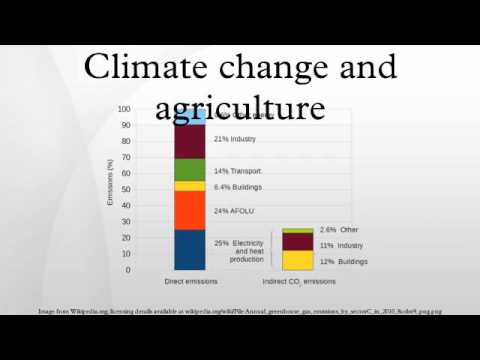
Climate change and agriculture
0
richardwang posted on 2015/10/15Ever wondered how climate change is shaking up our food supply? This video dives deep into the impacts on agriculture, equipping you with advanced vocabulary like 'anthropogenic' and 'phenology' to discuss these critical issues. You'll gain a richer understanding of adaptation strategies and the challenges faced by smallholder farmers worldwide!
Learn this video on the APP!
The VoiceTube App has more in-depth practice for videos!