
agnostic
US /æɡˈnɑstɪk/
UK /ægˈnɒstɪk/
- Noun
- Person who is undecided about the existence of God
- Adjective
- Being undecided about the existence of God
C1Moreancient
US /ˈenʃənt/
UK /'eɪnʃənt/
- Adjective
- Very old; having lived a very long time ago
- Relating to a period in history, especially in the distant past.
- Noun
- A person who lived in ancient times.
A2Moreat least
US /æt list/
UK /æt li:st/
- Adverb
- As a minimum
- Not less than
- Phrase
- No less than; at the minimum
- Used to indicate that something is positive in a bad situation.
C2Moreat night
US /æt naɪt/
UK /æt nait/
- Phrase
- During the night; in the nighttime.
A1Moreat some point
US /æt sʌm pɔɪnt/
UK /æt sʌm pɔint/
- Phrase
- At an unspecified time, usually in the future.
A1Moreaware
US /əˈwɛr/
UK /əˈwɛə/
- Adjective
- Knowing or feeling that something exists
A2TOEICMoreback into
US /bæk ˈɪntu/
UK /bæk ˈɪntuː/
- Phrasal Verb
- To drive a vehicle backwards into a space or area.
- To accidentally collide with something while moving backwards.
A1Morebe with
US /bi wɪð/
UK /bi: wið/
- Phrasal Verb
- To accompany someone; to be in someone's presence.
- To support someone's opinion or cause.
A1Morebelief system
US
UK
- Noun (Countable/Uncountable)
- A set of principles or tenets which together form the basis of a religion, philosophy, or moral code.
- An individual's personal set of beliefs about the world and how it works.
B2Morebias
US /ˈbaɪəs/
UK /'baɪəs/
- Noun (Countable/Uncountable)
- Preference to believe things even if incorrect
- A systematic error in a statistical result
- Transitive Verb
- To unfairly favor one view over another
- To cause someone to have prejudice
B1TOEICMorebirth
US /bɜ:rθ/
UK /bɜ:θ/
- Noun (Countable/Uncountable)
- Time when a baby or young animal is born
- Beginning of something
A2Morebody
US /ˈbɑdi/
UK /ˈbɒdi/
- Noun
- The physical structure of a person or animal.
- Noun (Countable/Uncountable)
- The main or central part of something.
- The weight and texture of a drink (like wine or coffee) in the mouth.
A2Morebound
US /baʊnd/
UK /baʊnd/
- Transitive Verb
- To cover a wound, as with a bandage
- To put pages and a cover together to create a book
- Adjective
- (Papers) being kept together or covered
- Limited by a law, agreement, or contract
A2TOEICMorebring out
US /brɪŋ aʊt/
UK /briŋ aut/
- Phrasal Verb
- To formally introduce a girl/ woman to society
- To nurture and develop or bring out a quality
A1Morecure
US /kjʊr/
UK /kjʊə(r)/
- Noun
- Something that solves a problem or makes it better
- Medical treatment making a sick person healthy
- Transitive Verb
- To fix or improve a problem
- To make someone healthy or make a disease go away
B1Moredeath
US /dɛθ/
UK /deθ/
- Noun (Countable/Uncountable)
- When someone dies; the end of life
- The cause or manner of someone dying.
A2Moredeeply
US /ˈdiplɪ/
UK /ˈdi:pli/
- Adverb
- To a significant degree
- To a great, intense or extreme extent
A2Moredevelopment
US /dɪˈvɛləpmənt/
UK /dɪ'veləpmənt/
- Noun (Countable/Uncountable)
- Act or process of growing bigger or more advanced
- A new event related to a previous event
A2TOEICMoredistort
US /dɪˈstɔrt/
UK /dɪ'stɔ:t/
- Transitive Verb
- To change the shape, appearance, or sound
- To exaggerate the truth or fact, e.g. to deceive
B1Moreelevator
US /ˈɛləˌvetɚ/
UK /'elɪveɪtə(r)/
- Noun (Countable/Uncountable)
- Machine that carries people between floors
- A building for storing grain, equipped with machinery for raising and distributing it.
B2TOEICMoreembed
US /ɛmˈbɛd/
UK /ɪm'bed/
- Transitive Verb
- To place or set inside rock, etc.
- To integrate (something) into something else.
B2Moreempirical
US /ɛmˈpɪrɪkəl/
UK /ɪmˈpɪrɪkl/
- Adjective
- Based on observation or experiment
B1TOEICMoreencompass
US /ɛnˈkʌmpəs/
UK /ɪn'kʌmpəs/
- Transitive Verb
- To encircle; cover completely
B2Moreessence
US /ˈɛsəns/
UK /'esns/
- Uncountable Noun
- Most important part or quality of something
- Substance that has a very strong, unique smell
B1TOEICMoreevidence of
US
UK
- Phrase
- Facts, objects, or signs that make you believe that something is true.
- Something that shows that something else exists or is true.
A1Moreexistential
US /ˌɛɡzɪˈstɛnʃəl, ˌɛksɪ-/
UK /ˌegzɪˈstenʃəl/
- Adjective
- Philosophy concerning existence
B2Morefame
US /fem/
UK /feɪm/
- Noun (Countable/Uncountable)
- (Person, thing) being well-known by many people
- Widespread reputation, especially of a good kind.
B1TOEICMorefor example
US
UK
- Phrase
- As an illustration or instance.
generation
US /ˌdʒɛnəˈreʃən/
UK /ˌdʒenəˈreɪʃn/
- Noun (Countable/Uncountable)
- Act or process of producing or causing something
- People born and living at about the same time
A2TOEICMoregranddad
US /ˈɡrænˌdæd/
UK /'grændæd/
- Countable Noun
- Your mother or father's father
B2Moregrandfather
US /ˈɡrændˌfɑðɚ, ˈɡræn-/
UK /'ɡrænfɑ:ðə(r)/
- Countable Noun
- Your mother's or father's father
B2Morehave to
US /hæv tu/
UK /ˈhæv tə/
- Auxiliary Verb
- Must do
A1Morehistory
US /ˈhɪstəri/
UK /'hɪstrɪ/
- Noun (Countable/Uncountable)
- Established pattern or record
- Study of past events as an academic subject
A2Morehole
US /hol/
UK /həʊl/
- Noun (Countable/Uncountable)
- An empty space, as in the ground, in a sock etc.
- Fault or weakness in a plan, idea or explanation
- Transitive Verb
- (Golf) to get the ball into the hole
- To make a hole in something.
A2Moreimmortality
US /ˌɪmɔrˈtælɪti/
UK /ˌɪmɔ:ˈtæləti/
- Uncountable Noun
- State of never dying, e.g. because famous
B2Morein different ways
US
UK
- Phrase
- Using various methods or approaches; with variety.
- In varying manners or styles; not uniformly.
A1Morein order to
US /ɪn ˈɔrdɚ tu/
UK /in ˈɔ:də tu:/
- Preposition
- For the purpose of; with the aim of.
- Phrase
- In a specific sequence or arrangement.
- With the aim of; for the purpose of.
C1Morein other words
US
UK
- Phrase
- Stating something in a different way, often to make it clearer or more understandable.
in reality
US /ɪn riˈælɪti/
UK /in riˈæliti/
- Phrase
- Actually; in fact; truly.
B2Morein the past
US
UK
- Phrase
- During a former period of time; previously.
A1Morein the shadow of
US /ɪn ðə ˈʃædoʊ ʌv/
UK /in ðə ˈʃædəu ɔv/
- Preposition
- Close to and influenced or dominated by something else.
B2Morein the world
US /ɪn ði wɜrld/
UK /in ðə wɜː(r)ld/
- Phrase
- Used to emphasize a question expressing surprise, confusion, disbelief
- Used to indicate the extent or degree of something, often in a superlative sense
A1Moreinto space
US
UK
- Phrase
- Toward or entering the region beyond Earth's atmosphere.
- Figuratively, entering a realm of imagination or abstraction.
A1Morelegacy
US /ˈlɛɡəsi/
UK /'leɡəsɪ/
- Noun (Countable/Uncountable)
- Literature, arts etc. from previous generations
- Something left or given by a person who has died
- Adjective
- Relating to old or outdated computer systems or software.
B2TOEICMorelimit
US /ˈlɪmɪt/
UK /'lɪmɪt/
- Noun (Countable/Uncountable)
- Point beyond which it is not possible to go
- A line or edge marking the boundary of an area.
- Transitive Verb
- To stop or prevent an increase past a point
A2TOEICMorelive on
US /lɪv ɒn/
UK /lɪv ɒn/
- Phrasal Verb
- To continue to exist or be remembered.
- To eat a particular type of food as the main thing.
B2Morelook at
US /lʊk æt/
UK /luk æt/
- Phrasal Verb
- To use your eyes to focus on something
- To focus your eyes on something carefully
A1Morelook back
US /lʊk bæk/
UK /luk bæk/
- Phrasal Verb
- To think about past events
A1Morelook for
US /lʊk fɔr/
UK /luk fɔ:/
- Phrasal Verb
- To try to find a thing or person that is lost
- To expect or anticipate something.
A1Moremake up
US /mek ʌp/
UK /meik ʌp/
- Phrasal Verb
- To invent or create a story
- To add up to
- Verb (Transitive/Intransitive)
- To invent a story, excuse, etc.
- To compensate for something lost, missed, or deficient.
A1Moremortal
US /ˈmɔrtl/
UK /ˈmɔ:təl/
- Adjective
- Destined to die; causing death
- Noun
- People who will die
B1Moremortality
US /mɔrˈtælɪti/
UK /mɔ:ˈtæləti/
- Uncountable Noun
- Quality or state of being capable of dying
- The state of being subject to death; the proportion of deaths to population.
B2Moreof course
US /ʌv kɔː(r)s/
UK /ɔv kɔː(r)s/
- Adverb
- Sure ; Certainly
- Phrase
- For sure; certainly
A2Moreon earth
US /ɑn ɚθ/
UK /ɔn ə:θ/
- Phrase
- Used to emphasize a question expressing surprise or anger.
- Used to emphasize that something is not possible or will not happen.
A1Moreon the strength of
US /ɑn ðə strɛŋkθ ʌv/
UK /ɒn ðə streŋkθ ɔv/
- other
- Based on or because of something.
B2Moreoutside of
US /aʊtˈsaɪd ʌv/
UK /ˌautˈsaid ɔv/
- Preposition
- Located or situated beyond the boundaries or confines of something.
- Beyond the scope, range, or limits of something.
A1Morephilosopher
US /fɪˈlɑsəfɚ/
UK /fəˈlɒsəfə(r)/
- Noun (Countable/Uncountable)
- Person studying the meaning of truth and life
- A person who is calm and wise; someone who lives by philosophical principles.
C1Morerational
US /ˈræʃənəl/
UK /'ræʃnəl/
- Adjective
- Able to think clearly
- A real number that can be written as a ratio of two integers.
- Noun
- A rational person.
A2TOEICMorereality
US /riˈælɪti/
UK /rɪ'ælətɪ/
- Noun (Countable/Uncountable)
- What is true, as opposed to what is imagined
- The state of things as they actually exist, rather than as they may appear or might be imagined.
A2Moreregardless of
US /rɪˈɡɑrdlɪs ʌv/
UK /riˈɡɑ:dlis ɔv/
- Phrase
- Preposition
- Without being affected or influenced by something; despite.
A2Morereligious
US /rɪˈlɪdʒəs/
UK /rɪˈlɪdʒəs/
- Adjective
- Following the rules and beliefs of a faith
- Relating to or manifesting faithful devotion to an acknowledged ultimate reality or deity.
B1Moreresurrect
US /ˌrɛzəˈrɛkt/
UK /ˌrezə'rekt/
- Verb (Transitive/Intransitive)
- To make something forgotten/lost take on new life
- To bring a person back from the dead
C2Moreresurrection
US /ˌrɛzəˈrɛkʃən/
UK /ˌrezəˈrekʃn/
- Noun
- Bringing a dead person/unused thing back to life
C2Morerevive
US /rɪˈvaɪv/
UK /rɪˈvaɪv/
- Intransitive Verb
- To return to life, good health, strength etc.
B2TOEICMorerise up
US /raɪz ʌp/
UK /raiz ʌp/
- Phrasal Verb
- To attempt to defeat government or ruler
A1Morerun to
US /rʌn tu/
UK /rʌn tu:/
- Phrasal Verb
- To have enough money; be able to pay; afford
- To go to some place
A1Morescience
US /ˈsaɪəns/
UK /'saɪəns/
- Uncountable Noun
- Study of the physical world, based on facts
A2TOEICMorescientist
US /ˈsaɪəntɪst/
UK /ˈsaɪəntɪst/
- Countable Noun
- Person who is trained in a science
A2Moreslight
US /slaɪt/
UK /slaɪt/
- Adjective
- Small (amount, quality)
- Appearing thin, delicate and physically weak
- Transitive Verb
- To ignore or treat rudely and with no respect
B1Moresophisticated
US /səˈfɪstɪˌketɪd/
UK /səˈfɪstɪkeɪtɪd/
- Adjective
- Making a good sounding but misleading argument
- Wise in the way of the world; having refined taste
- Transitive Verb
- To make someone more worldly and experienced
B1TOEICMoresoul
US /sol/
UK /səʊl/
- Noun
- Central or basic part of something
- Strong, deep emotion in speech or performance
A2Moreswallow
US /ˈswɑː.loʊ/
UK /'swɒləʊ/
- Transitive Verb
- To believe (something that is not true)
- To make food go from your mouth to your stomach
- Countable Noun
- Small northern bird with downward-pointing wings
A2Moretalking about
US
UK
- Phrasal Verb
- To discuss a particular topic.
- To be constantly mentioning or bringing up a subject.
A1Moreterror
US /ˈtɛrɚ/
UK /ˈterə(r)/
- Uncountable Noun
- Use of violent acts to make people afraid
- Extreme fear; dread.
A2Moretheory
US /ˈθiəri, ˈθɪri/
UK /ˈθiəri/
- Noun (Countable/Uncountable)
- Ideas or principles that explain facts or events
- An idea or belief about something
A2TOEICMorethink about
US /θɪŋk əˈbaʊt/
UK /θiŋk əˈbaut/
- Phrasal Verb
- To consider something carefully.
- To remember or call to mind.
A1Moreunconsciously
US /ʌnˈkɑnʃəslɪ/
UK /ʌnˈkɒnʃəsli/
- Adverb
- Without thinking; not deliberately
- Without intending to; involuntarily.
B1Moreup there
US /ʌp ðɛr/
UK /ʌp ðɛə/
- Adverb
- In or to a higher place or position; far away.
- In heaven.
A1Moreuploading
US
UK
- Transitive Verb
- To transfer a file or data to the internet
B1Moreused to
US /juzd tu/
UK /ˈju:st tə/
- Adjective
- Did regularly before, but don't do now
- Auxiliary Verb
- Have done before, but do not do now
A1Morevocabulary
US /voˈkæbjəˌlɛri/
UK /və'kæbjələrɪ/
- Uncountable Noun
- Words that have to do with a particular subject
- The words that a person knows
B1TOEICMorevoid
US /vɔɪd/
UK /vɔɪd/
- Uncountable Noun
- Empty feeling because nothing interests you
- Noun
- Empty space; empty place
B2Morewarrior
US /ˈwɔriɚ,ˈwɑr-/
UK /'wɒrɪə(r)/
- Countable Noun
- Courageous or skilled fighter in a battle or war
B1Morewith just
US
UK
- Phrase
- Using only; with no more than.
- Barely; by a narrow margin.
A2More
Vocabulary
- live on: To continue to exist or be remembered.
- of course: Sure ; Certainly
- for example: As an illustration or instance.
- at some point: At an unspecified time, usually in the future.
- up there: In or to a higher place or position; far away.
- think about: To consider something carefully.
- in reality: Actually; in fact; truly.
- have to: Must do
- make up: To invent or create a story
- at night: During the night; in the nighttime.
- in different ways: Using various methods or approaches; with variety.
- back into: To drive a vehicle backwards into a space or area.
- in the shadow of: Close to and influenced or dominated by something else.
- look for: To try to find a thing or person that is lost
- used to: Did regularly before, but don't do now
- into space: Toward or entering the region beyond Earth's atmosphere.
- talking about: To discuss a particular topic.
- run to: To have enough money; be able to pay; afford
- regardless of
- belief system: A set of principles or tenets which together form the basis of a religion, philosophy, or moral code.
- in order to: For the purpose of; with the aim of.
- look back: To think about past events
- in the past: During a former period of time; previously.
- rise up: To attempt to defeat government or ruler
- in other words: Stating something in a different way, often to make it clearer or more understandable.
- on earth: Used to emphasize a question expressing surprise or anger.
- look at: To use your eyes to focus on something
- evidence of: Facts, objects, or signs that make you believe that something is true.
- in the world: Used to emphasize a question expressing surprise, confusion, disbelief
- with just: Using only; with no more than.
- on the strength of: Based on or because of something.
- bring out: To formally introduce a girl/ woman to society
- at least: As a minimum
- be with: To accompany someone; to be in someone's presence.
- outside of: Located or situated beyond the boundaries or confines of something.
- live: To be alive
- die: Cube with dots numbering 1-6 on it used in games
- book: (Police) to officially record someone's crimes
- people: Persons sharing culture, country, background, etc.
- life: All the living things e.g. animals, plants, humans
- body: The physical structure of a person or animal.
- begin: To do the first part of an action; to start
- ask: To say to someone that you want something
- sleep: To have enough beds for
- kind: In a caring and helpful manner
- leave: To go away from; depart
- child: A very young person, between about 2 and 15
- age: To keep food, wine for a long time to improve it
- group: Two or more musicians who play music together
- open: To make accessible or able to be used, e.g. road
- idea: Belief, thought, suggestion, opinion or plan
- story: One of many floors or levels in a building
- elevator: Machine that carries people between floors
- dead: Not alive
- history: Established pattern or record
- vocabulary: Words that have to do with a particular subject
- happen: To take place or occur
- soul: Central or basic part of something
- afraid: Worried that something bad will happen; scared
- form: Sports team or person's current winning record
- simple: Not hard to understand or do; not complex
- grandfather: Your mother's or father's father
- science: Study of the physical world, based on facts
- point: An item to be discussed
- sound: Sensible, dependable and reliable
- death: When someone dies; the end of life
- fear: Unpleasant feeling caused by being aware of danger
- sense: Certain mental feeling or emotion
- birth: Time when a baby or young animal is born
- suggest: To mention something that could be done; propose
- ancient: Very old; having lived a very long time ago
- development: Act or process of growing bigger or more advanced
- human: A person; a man, woman or child
- basic: At the most important or easiest (beginner) level
- shape: The outer form of something, what it looks like
- scientist: Person who is trained in a science
- limit: Point beyond which it is not possible to go
- hole: An empty space, as in the ground, in a sock etc.
- behavior: The way a person or thing acts; manner
- generation: Act or process of producing or causing something
- swallow: To believe (something that is not true)
- bound: To cover a wound, as with a bandage
- aware: Knowing or feeling that something exists
- evidence: Factual proof that helps to establish the truth
- reality: What is true, as opposed to what is imagined
- fame: (Person, thing) being well-known by many people
- philosopher: Person studying the meaning of truth and life
- terror: Use of violent acts to make people afraid
- cure: Something that solves a problem or makes it better
- belief: Being sure that something exists or is true
- slight: Small (amount, quality)
- religious: Following the rules and beliefs of a faith
- God: Someone admired because they are famous or good
- deeply: To a significant degree
- theory: Ideas or principles that explain facts or events
- bias: Preference to believe things even if incorrect
- rational: Able to think clearly
- warrior: Courageous or skilled fighter in a battle or war
- distort: To change the shape, appearance, or sound
- legacy: Literature, arts etc. from previous generations
- mortality: Quality or state of being capable of dying
- essence: Most important part or quality of something
- revive: To return to life, good health, strength etc.
- unconsciously: Without thinking; not deliberately
- empirical: Based on observation or experiment
- immortality: State of never dying, e.g. because famous
- elixir: Hypothetical substance supposed to cure all ills
- void: Empty feeling because nothing interests you
- granddad: Your mother or father's father
- existential: Philosophy concerning existence
- resurrection: Bringing a dead person/unused thing back to life
- resurrect: To make something forgotten/lost take on new life
- embed: To place or set inside rock, etc.
- sophisticated: Making a good sounding but misleading argument
- realize: To become aware of or understand mentally
- mortal: Destined to die; causing death
- encompass: To encircle; cover completely
- agnostic: Person who is undecided about the existence of God
- uploading: To transfer a file or data to the internet
Get the full experience in the app
Learn anywhere with detailed sentence and usage analysis
01:03
She took a brave step forward, leaving behind her comfort zone to chase her dreams.
Vocabulary
- brave
adj. Having courage
- comfort zone
phr. A familiar situation where one feels safe
Explanation
a brave step is a noun phrase, where brave is an adjective modifying the noun step, meaning "a courageous step".
forward is an adverb modifying step, meaning "ahead".
The whole phrase serves as the object, answering the "what" of took (verb) — she took a brave step forward.
Get the full experience in the app
Look up words anytime with pronunciation, part of speech, and usage
brave
US/brev/
UK/breɪv/
adj.Brave
v.t.To bravely face
A2 Elementary
Get the full experience in the app
Practice speaking anytime and get instant pronunciation feedback
Try this speaking exercise.
Try practicing with this sentence.
80
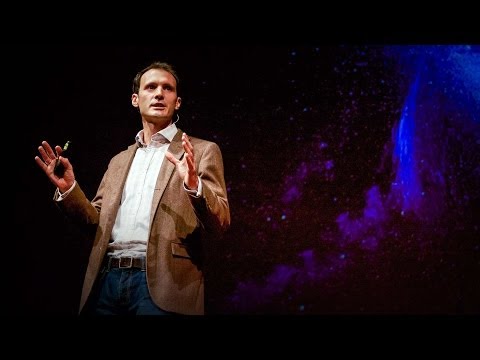
【TED】Stephen Cave: The 4 stories we tell ourselves about death (The 4 stories we tell ourselves about death | Stephen Cave)
0
Max Lin posted on 2015/10/09Ever wondered how we cope with the idea of our own death? This fascinating TED talk explores the four fundamental stories humans tell themselves about mortality, drawing on psychology and philosophy. You'll pick up some advanced vocabulary related to existential angst and meaning-seeking, making it a great way to deepen your understanding and your English!
Learn this video on the APP!
The VoiceTube App has more in-depth practice for videos!