
along with
US /əˈlɔŋ wɪð/
UK /əˈlɔŋ wið/
- Preposition
- In addition to; together with.
- Adverb
- In company or together with someone or something.
- Including; in addition to.
A2Moreas opposed to
US
UK
- Preposition
- In contrast to; rather than.
- Instead of; in place of.
A1Moreat least
US /æt list/
UK /æt li:st/
- Adverb
- As a minimum
- Not less than
- Phrase
- No less than; at the minimum
- Used to indicate that something is positive in a bad situation.
C2Moreat once
US /æt wʌns/
UK /æt wʌns/
- Adverb
- Immediately; without delay
- At the same time; simultaneously
A2Moreat sea
US /æt si/
UK /æt si:/
- Phrase
- Adjective
- Confused; not knowing what to do.
A1Moreat the moment
US
UK
- Adverb
- At this time; now
A1Moreback off
US /bæk ɔf/
UK /bæk ɔf/
- Phrasal Verb
- To stop supporting; lose courage
- To decide to not carry out a threat
A1Moreban
US /bæn/
UK /bæn/
- Transitive Verb
- To make something illegal or not allowed
- To prohibit someone from participating in a particular online community or game.
- Noun (Countable/Uncountable)
- Official action preventing something happening
- A prohibition from participating in a particular online community or game.
B1Morebox out
US /bɑks aʊt/
UK /bɒks aʊt/
- other
- To position yourself to block an opponent, commonly in basketball.
B2Morecare of
US /kɛr ʌv/
UK /kɛə ɔv/
- Preposition
- Used in an address to indicate the person who will receive the mail for someone else.
A2Morecatch up
US /kætʃ ʌp/
UK /kætʃ ʌp/
- Phrasal Verb
- To become equal with another person
- To inform others of the latest news
- Verb (Transitive/Intransitive)
- To do something that you have not been able to do recently.
- To meet someone you know in order to talk to them and find out what they have been doing.
A1Morecharacter
US /ˈkærəktɚ/
UK /'kærəktə(r)/
- Noun
- Person in a story, movie or play
- Writing symbols, e.g. alphabet or Chinese writing
A2Morecome round
US
UK
- Phrasal Verb
- To visit someone or some place for a short time
- To regain consciousness after fainting
A1Morecome up with
US /kʌm ʌp wɪð/
UK /kʌm ʌp wið/
- Phrasal Verb
- To think of an idea or solution; produce
A1Morecompetition
US /ˌkɑmpɪˈtɪʃən/
UK /ˌkɒmpəˈtɪʃn/
- Noun (Countable/Uncountable)
- Fighting against others to win something
- A situation in which people or organizations compete with each other for something that not everyone can have.
A2Morecontest
US /ˈkɑnˌtɛst/
UK /'kɒntest/
- Noun
- Struggle or competition between rivals
- Verb (Transitive/Intransitive)
- To struggle or compete against other people
- To not accept an official or legal judgment
B1Morecool down
US /kul daʊn/
UK /ku:l daun/
- Phrasal Verb
- To become cooler; to reduce in temperature.
- To become calm and relaxed after being angry or excited.
- Intransitive Verb
- To perform light exercises after a more intense workout to gradually decrease heart rate and breathing.
A2Morecreative
US /kriˈetɪv/
UK /krɪ'eɪtɪv/
- Adjective
- Having the ability to make something new
- Having the ability to create; imaginative and original.
- Noun
- A person whose job involves creative work.
A2Morecrowd
US /kraʊd/
UK /kraʊd/
- Verb (Transitive/Intransitive)
- To force too many things, people into
- (Lots of people) to meet together in one place
- Noun (Countable/Uncountable)
- Large group of people together in one place
A2Morede novo
US
UK
- Adjective
- Newly arising; synthesized from scratch, especially referring to a new mutation or a newly synthesized molecule.
- Adverb
- Anew; from the beginning. In law, it refers to a fresh determination of an issue that has already been decided.
deal with
US /dil wɪð/
UK /di:l wið/
- Verb (Transitive/Intransitive)
- To buy or sell goods or services.
- Phrasal Verb
- To take action to solve a problem or manage a situation.
- To be about; concern.
A1Moredestroy
US /dɪˈstrɔɪ/
UK /dɪ'strɔɪ/
- Transitive Verb
- To damage so badly that something no longer exists
- To defeat someone or something easily
A2TOEICMorefisherman
US /ˈfɪʃəmən/
UK /ˈfiʃəˌmən/
- Countable Noun
- Man whose job is catching fish
B2Morefishing
US /ˈfɪʃɪŋ/
UK /ˈfɪʃɪŋ/
- Verb (Transitive/Intransitive)
- To go fishing with a net or hook
- Uncountable Noun
- The act of catching fish
A2Morefor life
US /fɔr laɪf/
UK /fɔ: laif/
- Phrase
- For the duration of one's life; permanently.
- To support someone for the duration of their life.
- Adjective
- Being a member for the entirety of one's life.
A1Morefor some reason
US /fɔr sʌm ˈrizən/
UK /fɔ: sʌm ˈri:zən/
- Phrase
- For a reason that is not known or not easily explained.
A1Morefox
US /fɑ:ks/
UK /fɒks/
- Countable Noun
- Small forest animal with 4 legs and a long tail
- Clever, tricky person
- Verb (Transitive/Intransitive)
- To make something difficult to understand; confuse
- To trick someone in a clever way
A2Moregame on
US /ɡem ɑn/
UK /ɡeim ɔn/
- Interjection
- An exclamation indicating the start of a game or activity.
- An exclamation indicating acceptance of a challenge.
A1Moregaming
US /ˈɡemɪŋ/
UK /'ɡeɪmɪŋ/
- Uncountable Noun
- Betting money on sports, horses, games etc.
B1Moreget here
US
UK
- Intransitive Verb
- To arrive at a specific location.
A1Moreget lost
US /ɡɛt lɔst/
UK /ɡet lɔ:st/
- Intransitive Verb
- An impolite way of telling someone to go away.
- To become unable to find your way; to lose your sense of direction.
- Interjection
- An impolite way of telling someone to go away.
A1Morego back to
US /ɡo bæk tu/
UK /ɡəu bæk tu:/
- Phrasal Verb
- To return to a starting point
A1Morego on
US /ɡo ɑn/
UK /ɡəu ɔn/
- Phrasal Verb
- To continue doing something
- To happen (usually negative)
- Interjection
- Used to encourage someone
A1Morego out
US /ɡo aʊt/
UK /ɡəu aut/
- Phrase
- To leave a building (e.g. a house)
- Phrasal Verb
- (Of a fire) to burn out; be extinguished
- Go out of fashion to stop being fashionable
A1Moregot to
US /ɡɑt tu/
UK /gɔt tu:/
- Verb (Transitive/Intransitive)
- To arrive at some place
- To have the opportunity or permission to do something
- Phrasal Verb
- To appeal to the emotions of; move
- To finally begin to start something after a delay
A1Morehappen on
US /ˈhæpən ɑn/
UK /ˈhæpən ɒn/
- other
- To find or discover by accident.
B2Morehave to
US /hæv tu/
UK /ˈhæv tə/
- Auxiliary Verb
- Must do
A1Morein another world
US /ɪn əˈnʌðɚ wɝld/
UK /ɪn əˈnʌðə wɜ:ld/
- other
- Mentally distant; not paying attention to the present reality.
B2Morein league
US /ɪn liɡ/
UK /in li:g/
- other
- Secretly working together to deceive or harm others.
B2Morein the game
US /ɪn ðə ˈɡeɪm/
UK /in ðə ˈɡeɪm/
- other
- Still involved or active in a competition or situation.
B2Morein with
US /ɪn wɪð/
UK /in wið/
- Phrase
- Fashionable or popular at the moment.
- Having influence or favor with someone.
- Phrasal Verb
- To introduce or bring something new into a system or organization.
A1Moreincredible
US /ɪnˈkrɛdəbəl/
UK /ɪnˈkredəbl/
- Adjective
- Very good; amazing
- Really good; amazing; great
A2TOEICMorekill me
US
UK
- Interjection
- An exaggerated expression of frustration or annoyance.
- Phrase
- A direct request to end one's life, often due to unbearable suffering.
A2Morelag
US /læɡ/
UK /læɡ/
- Noun
- Delay between two events
- Intransitive Verb
- To move at a slow pace in relation to others
B2Morelevel
US /ˈlɛvəl/
UK /'levl/
- Noun (Countable/Uncountable)
- Specific height of something
- Amount of ability you have compared to others
- Transitive Verb
- To aim a gun at someone
- To destroy a building; flatten an area completely
A2TOEICMorelike fuck
US /laɪk fʌk/
UK /laɪk fʌk/
- other
- Used to emphasize a very high degree or intensity.
C2Morelook at
US /lʊk æt/
UK /luk æt/
- Phrasal Verb
- To use your eyes to focus on something
- To focus your eyes on something carefully
A1Moremake it big
US
UK
- Intransitive Verb
- To become very successful or famous.
match
US /mætʃ/
UK /mætʃ/
- Verb (Transitive/Intransitive)
- To equal or be as good as something else
- To work well or look good with something else
- Noun
- Something that is equal to or the same as another
- Small stick you strike to light a fire candle etc.
A2TOEICMoreno matter
US
UK
- Conjunction
- Regardless of; it does not matter.
- Adverb
- Regardless of; it is not important
A1Moreof means
US /ʌv minz/
UK /əv mi:nz/
- other
- Having resources or wealth available for use.
B2Moreoff of
US /ɔf ʌv/
UK /ɔf ɔv/
- Preposition
- From a position on something; down from.
A1Moreon the line
US /ɑn ði laɪn/
UK /ɔn ðə lain/
- Phrase
- At risk; in a situation where something could be lost.
- Having a great deal of responsibility.
A1Moreout of control
US /aʊt ʌv kənˈtrol/
UK /aut ɔv kənˈtrəul/
- Adjective
- Impossible to manage or control.
- Not able to be directed or steered.
A1Moreout there
US /aʊt ðɛr/
UK /aut ðɛə/
- Adverb
- In or to a place that is far away
- Existing in the universe
- Adjective
- Unconventional; strange; avant-garde
- Existing or available.
A1Moreoutside of
US /aʊtˈsaɪd ʌv/
UK /ˌautˈsaid ɔv/
- Preposition
- Located or situated beyond the boundaries or confines of something.
- Beyond the scope, range, or limits of something.
A1Moreover to
US
UK
- Preposition
- Used to hand over to someone else to speak
- The responsibility is now yours
picks up
US
UK
- Phrasal Verb
- To catch a criminal and take to police station
- To start again where you left off
- Verb (Transitive/Intransitive)
- Learns or acquires something, often quickly or without effort.
- Collects someone or something.
A1Morepile
US /paɪl/
UK /paɪl/
- Noun (Countable/Uncountable)
- Large amount of something
- Group of things one on top of another
- Verb (Transitive/Intransitive)
- (E.g. of problems) to increase; get more or worse
- To place things on top of each other; to heap up.
B1TOEICMorepressure
US /ˈprɛʃɚ/
UK /'preʃə(r)/
- Noun (Countable/Uncountable)
- Anxiety caused by difficult problems
- Force, weight when pressing against a thing
- Transitive Verb
- To apply force to something
- To persuade or force someone to do something
A2TOEICMorerely on
US /rɪˈlaɪ ɑn/
UK /riˈlai ɔn/
- Phrasal Verb
- To depend on someone or something
A2Morerift
US /rɪft/
UK /rɪft/
- Noun
- Opening made by splitting; a major disagreement
B2TOEICMorerobot
US /ˈroʊbɑ:t/
UK /ˈrəʊbɒt/
- Countable Noun
- Machine able perform more tasks that people can
- A person who acts in a mechanical or unemotional way.
B1Moresail
US /sel/
UK /seɪl/
- Intransitive Verb
- To travel across water in a boat or a ship
- To move along quickly and smoothly
- Noun (Countable/Uncountable)
- Trip or journey on a ship
A2Morescissor
US /ˈsɪzɚ/
UK /'sɪzə/
- Transitive Verb
- To cut with or as if with scissors
B1Moreserver
US /ˈsɚvɚ/
UK /'sɜ:və(r)/
- Countable Noun
- A computer which distributes files to others
- Noun (Countable/Uncountable)
- Person who gives food to others at a table
A2Morespot
US /spɑt/
UK /spɒt/
- Noun
- A certain place or area
- A difficult time; awkward situation
- Transitive Verb
- To see someone or something by chance
A2TOEICMorestress
US / strɛs/
UK /stres/
- Transitive Verb
- To emphasize one or more parts of a word, sentence
- To put pressure on something or someone
- Noun (Countable/Uncountable)
- Emphasis on part of a word or sentence
- Pressure on something or someone
A2TOEICMorethink about
US /θɪŋk əˈbaʊt/
UK /θiŋk əˈbaut/
- Phrasal Verb
- To consider something carefully.
- To remember or call to mind.
A1Moreto death
US /tu dɛθ/
UK /tu: deθ/
- Phrase
- Extremely; to a great degree
- Until death
B1Moreultimate
US /ˈʌltəmɪt/
UK /ˈʌltɪmət/
- Adjective
- Basic; original; most significant
- Being the greatest example of something
- Noun
- A non-contact team sport played with a flying disc.
- The best achievable or imaginable of its kind.
A2Moreunload
US /ʌnˈlod/
UK /ˌʌn'ləʊd/
- Transitive Verb
- To express strong or troubling feelings
- To take out items for use (e.g. bullets from guns)
B1Morewatch out
US /wɑtʃ aʊt/
UK /wɔtʃ aut/
- Phrasal Verb
- To be careful; to be alert to danger
A1Morewith it
US /wɪð ɪt/
UK /wið it/
- Adjective
- Intelligent, alert, and up-to-date.
- Understanding and knowledgeable about current trends or information.
A1Morework in
US /wɚk ɪn/
UK /wə:k in/
- Phrasal Verb
- To make an opening for something in your schedule
- To fit person/thing into a schedule or sequence
A1More
Vocabulary
- have to: Must do
- look at: To use your eyes to focus on something
- de novo: Newly arising; synthesized from scratch, especially referring to a new mutation or a newly synthesized molecule.
- at the moment: At this time; now
- in the game: Still involved or active in a competition or situation.
- at least: As a minimum
- got to: To arrive at some place
- work in: To make an opening for something in your schedule
- over to: Used to hand over to someone else to speak
- make it big: To become very successful or famous.
- for life: For the duration of one's life; permanently.
- happen on: To find or discover by accident.
- kill me: An exaggerated expression of frustration or annoyance.
- for some reason: For a reason that is not known or not easily explained.
- at once: Immediately; without delay
- along with: In addition to; together with.
- on the line: At risk; in a situation where something could be lost.
- outside of: Located or situated beyond the boundaries or confines of something.
- as opposed to: In contrast to; rather than.
- picks up: To catch a criminal and take to police station
- go on: To continue doing something
- deal with
- with it: Intelligent, alert, and up-to-date.
- in league: Secretly working together to deceive or harm others.
- like fuck: Used to emphasize a very high degree or intensity.
- back off: To stop supporting; lose courage
- to death: Extremely; to a great degree
- come up with: To think of an idea or solution; produce
- off of: From a position on something; down from.
- care of: Used in an address to indicate the person who will receive the mail for someone else.
- in another world: Mentally distant; not paying attention to the present reality.
- go back to: To return to a starting point
- get lost: An impolite way of telling someone to go away.
- think about: To consider something carefully.
- at sea
- box out: To position yourself to block an opponent, commonly in basketball.
- watch out: To be careful; to be alert to danger
- in with: Fashionable or popular at the moment.
- no matter: Regardless of; it does not matter.
- game on: An exclamation indicating the start of a game or activity.
- out of control: Impossible to manage or control.
- rely on: To depend on someone or something
- catch up: To become equal with another person
- come round: To visit someone or some place for a short time
- cool down: To become cooler; to reduce in temperature.
- get here: To arrive at a specific location.
- of means: Having resources or wealth available for use.
- go out: To leave a building (e.g. a house)
- out there: In or to a place that is far away
- game: Activity with rules that people play to have fun
- job: Something that must be done
- people: Persons sharing culture, country, background, etc.
- play: To act as a character in a movie, or on stage
- sea: Very large group of people, similar-looking things
- back: Farthest from the front e.g. in a classroom
- run: To depart or travel according to a schedule
- fishing: To go fishing with a net or hook
- lot: What happens to a person in life from chance; fate
- make: To arrange or prepare something e.g. dinner
- thing: (Used to introduce the reason for something)
- gaming: Betting money on sports, horses, games etc.
- fish: Animal that swims and lives in water
- life: All the living things e.g. animals, plants, humans
- stop: To block or close something
- team: Group of people working on a task together
- win: Success in beating the other team or competitors
- match: To equal or be as good as something else
- kill: To cause someone to experience a lot of pain
- cool: Steady and calm when facing difficulties
- happen: To take place or occur
- hobby: Regular activity done in free time, for pleasure
- crowd: To force too many things, people into
- middle: Place that is halfway between two things
- level: Specific height of something
- dead: Not alive
- point: An item to be discussed
- competition: Fighting against others to win something
- moment: Very short or brief period of time
- sail: To travel across water in a boat or a ship
- robot: Machine able perform more tasks that people can
- character: Person in a story, movie or play
- pile: Large amount of something
- server: A computer which distributes files to others
- series: Set of stories or articles on a particular subject
- destroy: To damage so badly that something no longer exists
- force: Group of persons trained for military action; army
- creative: Having the ability to make something new
- stress: To emphasize one or more parts of a word, sentence
- incredible: Very good; amazing
- contest: Struggle or competition between rivals
- spot: A certain place or area
- fox: Small forest animal with 4 legs and a long tail
- fisherman: Man whose job is catching fish
- pressure: Anxiety caused by difficult problems
- ultimate: Basic; original; most significant
- ban: To make something illegal or not allowed
- unload: To express strong or troubling feelings
- cosplay: The practice of dressing up as a character from a work of fiction (such as a manga, anime, video game, or comic book).
- rift: Opening made by splitting; a major disagreement
- lag: Delay between two events
- scissor: To cut with or as if with scissors
Get the full experience in the app
Learn anywhere with detailed sentence and usage analysis
01:03
She took a brave step forward, leaving behind her comfort zone to chase her dreams.
Vocabulary
- brave
adj. Having courage
- comfort zone
phr. A familiar situation where one feels safe
Explanation
a brave step is a noun phrase, where brave is an adjective modifying the noun step, meaning "a courageous step".
forward is an adverb modifying step, meaning "ahead".
The whole phrase serves as the object, answering the "what" of took (verb) — she took a brave step forward.
Get the full experience in the app
Look up words anytime with pronunciation, part of speech, and usage
brave
US/brev/
UK/breɪv/
adj.Brave
v.t.To bravely face
A2 Elementary
Get the full experience in the app
Practice speaking anytime and get instant pronunciation feedback
Try this speaking exercise.
Try practicing with this sentence.
80
0
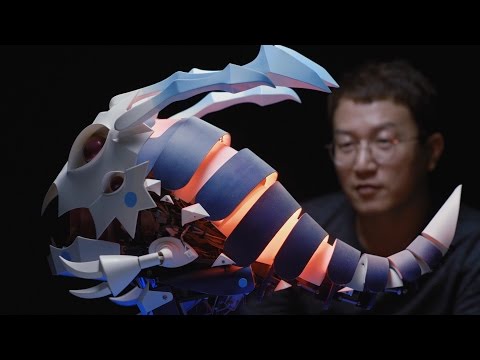
林少捷 posted on 2015/09/25Ever wondered what goes on behind the scenes in the thrilling world of esports and cosplay? This video dives deep into the passion and hard work behind League of Legends, LCS promotions, and incredible maker culture, giving you a fantastic chance to pick up advanced vocabulary and gain cultural insights!
Learn this video on the APP!
The VoiceTube App has more in-depth practice for videos!