
acid
US /ˈæsɪd/
UK /ˈæsɪd/
- Noun (Countable/Uncountable)
- Sour substance that reacts with metals e.g. lemon
A2Moreancient
US /ˈenʃənt/
UK /'eɪnʃənt/
- Adjective
- Very old; having lived a very long time ago
- Relating to a period in history, especially in the distant past.
- Noun
- A person who lived in ancient times.
A2Morearchitect
US /ˈɑrkɪˌtɛkt/
UK /ˈɑ:kɪtekt/
- Noun
- Person who designs and advises on buildings
B1Moreastonish
US /əˈstɑnɪʃ/
UK /ə'stɒnɪʃ/
- Transitive Verb
- To cause someone to feel great wonder or surprise
A2Moreblade
US /bled/
UK /bleɪd/
- Noun
- One of several flat pieces in a fan which move air
- Sharp edge used for cutting
B1Morebury
US /ˈbɛri/
UK /'berɪ/
- Transitive Verb
- To put something into the ground and cover it
B1Moreclimb down
US
UK
- Phrasal Verb
- To descend, especially from a height, using your hands and feet.
- To back down or retreat from a previously held position or statement.
A1Morecurse
US /kɚs/
UK /kɜ:s/
- Verb (Transitive/Intransitive)
- To use offensive language when angry; swear
- Noun
- Act to cause trouble to others
- A word or phrase used to express anger or annoyance.
B1Moredarkness
US /ˈdɑrknɪs/
UK /'dɑ:knəs/
- Uncountable Noun
- The state or quality of being dark in color
A2Moredesert
US /ˈdɛzət/
UK /'dezət/
- Transitive Verb
- To leave a place for ever; abandon
- To leave when one is needed or expected to stay
- Noun (Countable/Uncountable)
- Bare area of land, often with few plants and water
- A punishment or reward that is deserved.
A2Moreemerge
US /ɪˈmɚdʒ/
UK /ɪ'mɜ:dʒ/
- Intransitive Verb
- To rise or appear out of some background
- To become known or apparent.
A2TOEICMoreflesh
US /flɛʃ/
UK /fleʃ/
- Noun (Countable/Uncountable)
- Soft part of fruit, vegetable that can be eaten
- The soft tissues of your body covering the bones
- Transitive Verb
- To clean the skin e.g. of scales from a fish
A2Moreflinch
US /flɪntʃ/
UK /flɪntʃ/
- Intransitive Verb
- To move back as in fear or pain; recoil; shrink
B2TOEICMoreflooding
US /flʌdɪŋ/
UK /flʌdɪŋ/
- Verb (Transitive/Intransitive)
- To quickly appear unexpectedly and in volume
- (Of liquid) to fill or cover something completely
B1Moregrandeur
US /ˈɡrændʒɚ, -ˌdʒʊr/
UK /ˈgrændʒə(r)/
- Uncountable Noun
- Impressive size, scale or beauty
C1Moregrave
US /ɡrev/
UK /ɡreɪv/
- Countable Noun
- Hole in the ground in which you place a dead body
- Uncountable Noun
- Poetic death; being dead
A2TOEICMoreguard
US /ɡɑrd/
UK /ɡɑ:d/
- Transitive Verb
- To keep watch over something to protect it
- Noun (Countable/Uncountable)
- Someone who watches a place or prevents escapes
- A player in basketball whose primary role is to handle the ball and initiate the offense.
A2Moreguide
US /ɡaɪd/
UK /ɡaɪd/
- Transitive Verb
- To help or advise someone about something
- To control missile to hit a target by radio signal
- Noun (Countable/Uncountable)
- Book or a magazine containing information/advice
- Person leading others visiting an unknown place
A2TOEICMorehire
US /haɪr/
UK /ˈhaɪə(r)/
- Transitive Verb
- To give a job to someone in exchange for pay
- To give the use of something in exchange for money
- Noun
- Short term rental of something e.g. car, phone
A2TOEICMorehorror
US /ˈhɔrɚ, ˈhɑr-/
UK /ˈhɒrə(r)/
- Noun (Countable/Uncountable)
- Feeling of great shock or fear; thing causing it
B1Moreinsanity
US /ɪnˈsænətɪ/
UK /ɪn'sænətɪ/
- Uncountable Noun
- Mentally ill, unable to act normally
- Extremely foolish behavior.
B1Morelegacy
US /ˈlɛɡəsi/
UK /'leɡəsɪ/
- Noun (Countable/Uncountable)
- Literature, arts etc. from previous generations
- Something left or given by a person who has died
- Adjective
- Relating to old or outdated computer systems or software.
B2TOEICMorelegendary
US /ˈledʒənderi/
UK /ˈledʒəndri/
- Adjective
- Being a very famous sports player, actor etc.
- Remarkable enough to be famous; very well known.
B1Morelock
US /lɑ:k/
UK /lɒk/
- Verb (Transitive/Intransitive)
- To become fixed in place and hard to move
- To use a key, code so others can't open something
- Countable Noun
- Small portion of your hair that hangs together
- Place on a door, etc. that you close with a key
A2TOEICMoremercenary
US /ˈmɜ:rsəneri/
UK /ˈmɜ:sənəri/
- Adjective
- (Of soldiers) hired to fight for another country
C1Morepicks up
US
UK
- Phrasal Verb
- To catch a criminal and take to police station
- To start again where you left off
- Verb (Transitive/Intransitive)
- Learns or acquires something, often quickly or without effort.
- Collects someone or something.
A1Morescout
US /skaʊt/
UK /skaʊt/
- Verb (Transitive/Intransitive)
- To watch or search for something or someone
B2Moresears
US
UK
- Transitive Verb
- To use high heat to quickly burn the surface of
- To make a strong, unpleasant impression on
C2Moreserpent
US /ˈsə:pənt/
UK /ˈsɜ:pənt/
- Countable Noun
- Very big snake
B2Moreset out
US /sɛt aʊt/
UK /set aut/
- Phrasal Verb
- To arrange something in an orderly fashion
- To give in detail in writing
A1Moresilently
US /ˈsaɪləntlɪ/
UK /ˈsaɪləntli/
- Adverb
- In a perfectly quiet way
B1Morestairway
US /ˈstɛrˌwe/
UK /ˈsteəˌweɪ/
- Countable Noun
- Way of access consisting of a set of steps
C1Morestatue
US /ˈstætʃu/
UK /ˈstætʃu:/
- Noun
- Stone or metal image of a person, often carved
B1Morestone
US /stoʊn/
UK /stəʊn/
- Noun (Countable/Uncountable)
- Hard, solid piece of rock
- Transitive Verb
- To kill as a punishment, by throwing stones at
A2Morestranger
US /ˈstrendʒɚ/
UK /'streɪndʒə(r)/
- Noun
- Someone you do not know
A2Morestumble
US /ˈstʌmbəl/
UK /'stʌmbl/
- Noun
- Failing to do something well, e.g. giving a speech
- Act of tripping and almost falling
- Intransitive Verb
- To fail to perform, e.g. when giving a speech
- To trip and almost fall
B1Morestunned
US
UK
- Transitive Verb
- To greatly shock or surprise; totally amaze
- To incapacitate using a special gun
- Adjective
- Extremely surprised; totally amazed
B2Moretomb
US /tum/
UK /tu:m/
- Noun
- Small building or stone box where dead body is put
B1Moretorment
US /ˈtɔ:rment/
UK /ˈtɔ:ment/
- Noun
- Great mental or physical pain
- Transitive Verb
- To cause great physical or mental pain to
B2TOEICMoretragedy
US /ˈtrædʒɪdi/
UK /'trædʒədɪ/
- Noun
- Play that has a sad ending with many deaths
- Very sad event that usually involves death
B1Moretragic
US /ˈtrædʒɪk/
UK /ˈtrædʒɪk/
- Adjective
- (Of a play, movie, or book) with a sad ending
- Causing great sadness, e.g. due to untimely death
B1Moretrigger
US /ˈtrɪɡɚ/
UK /'trɪɡə(r)/
- Noun
- Lever on a gun that you pull to fire
- Device that starts a process
- Transitive Verb
- To start a process off e.g. a memory
- To cause something to begin or happen.
B1Moretwist
US /twɪst/
UK /twɪst/
- Verb (Transitive/Intransitive)
- To turn something in a circular direction
- To turn in a curving direction e.g. road or path
- Noun (Countable/Uncountable)
- Turn or spiral curve in a path or road
- Bend or sudden change of direction
A2Moreunderground
US /ˈʌndərgraʊnd/
UK /ˈʌndəgraʊnd/
- Adjective
- (Being or living) under the surface of the earth
- Secret or subversive.
- Noun
- Secret group organized to overthrow a government
- Subway system, e.g. in London
B1Morevenom
US /ˈvɛnəm/
UK /ˈvenəm/
- Uncountable Noun
- Poison, e.g. one produced by plant or animal
B2Moreweapon
US /ˈwɛpən/
UK /'wepən/
- Noun (Countable/Uncountable)
- An advantage to help win a contest or conflict
- Something that is used for fighting, e.g. a gun
A2TOEICMorewound
US /waʊnd/
UK /waʊnd/
- Transitive Verb
- To rotate a part of say a watch to make it work
- To hurt someone emotionally
- Noun (Countable/Uncountable)
- Sadness or displeasure caused by a bad memory
- Physical injury, especially that suffered in war
A2More
Vocabulary
- set out: To arrange something in an orderly fashion
- climb down: To descend, especially from a height, using your hands and feet.
- picks up: To catch a criminal and take to police station
- door: You walk through this when you go in a room
- band: Group of people who work together e.g. play music
- brother: A boy or man who shares a parent with you
- loved: To care for and like someone very strongly, deeply
- sun: Light and heat coming from a large star in the sky
- key: Answers to exercises, as at the back of a book
- man: Humans in general, including male and female
- city: Area with many buildings, roads and people
- head: To hit a ball with your head in a game
- find: To become aware of something that is happening
- desert: To leave a place for ever; abandon
- guide: To help or advise someone about something
- underground: (Being or living) under the surface of the earth
- climb: To rise gradually and steadily to a higher point
- deep: Complex and important
- complete: To finish or reach the end of doing something
- market: To publicize products to get you to buy; advertise
- lose: To be unable to keep in check or control something
- fall: Season after summer and before winter; Autumn
- set: Prepared for something; ready
- call: A order or request for action
- ancient: Very old; having lived a very long time ago
- hire: To give a job to someone in exchange for pay
- flooding: To quickly appear unexpectedly and in volume
- guard: To keep watch over something to protect it
- silently: In a perfectly quiet way
- architect: Person who designs and advises on buildings
- horror: Feeling of great shock or fear; thing causing it
- statue: Stone or metal image of a person, often carved
- bury: To put something into the ground and cover it
- stranger: Someone you do not know
- lock: To become fixed in place and hard to move
- owner: Person who owns or has something
- stone: Hard, solid piece of rock
- appear: To be seen, become visible; come into sight
- lead: Wire for electricity, computer, etc.; cable
- tomb: Small building or stone box where dead body is put
- darkness: The state or quality of being dark in color
- blade: One of several flat pieces in a fan which move air
- astonish: To cause someone to feel great wonder or surprise
- emerge: To rise or appear out of some background
- stunned: To greatly shock or surprise; totally amaze
- twist: To turn something in a circular direction
- legendary: Being a very famous sports player, actor etc.
- grave: Hole in the ground in which you place a dead body
- tragic: (Of a play, movie, or book) with a sad ending
- wound: To rotate a part of say a watch to make it work
- tragedy: Play that has a sad ending with many deaths
- acid: Sour substance that reacts with metals e.g. lemon
- failure: When things go wrong; lack of function
- weapon: An advantage to help win a contest or conflict
- insanity: Mentally ill, unable to act normally
- trigger: Lever on a gun that you pull to fire
- stumble: Failing to do something well, e.g. giving a speech
- flesh: Soft part of fruit, vegetable that can be eaten
- legacy: Literature, arts etc. from previous generations
- serpent: Very big snake
- torment: Great mental or physical pain
- sears: To use high heat to quickly burn the surface of
- grandeur: Impressive size, scale or beauty
- mercenary: (Of soldiers) hired to fight for another country
- flinch: To move back as in fear or pain; recoil; shrink
- stairway: Way of access consisting of a set of steps
- venom: Poison, e.g. one produced by plant or animal
- scout: To watch or search for something or someone
- curse: To use offensive language when angry; swear
Get the full experience in the app
Learn anywhere with detailed sentence and usage analysis
01:03
She took a brave step forward, leaving behind her comfort zone to chase her dreams.
Vocabulary
- brave
adj. Having courage
- comfort zone
phr. A familiar situation where one feels safe
Explanation
a brave step is a noun phrase, where brave is an adjective modifying the noun step, meaning "a courageous step".
forward is an adverb modifying step, meaning "ahead".
The whole phrase serves as the object, answering the "what" of took (verb) — she took a brave step forward.
Get the full experience in the app
Look up words anytime with pronunciation, part of speech, and usage
brave
US/brev/
UK/breɪv/
adj.Brave
v.t.To bravely face
A2 Elementary
Get the full experience in the app
Practice speaking anytime and get instant pronunciation feedback
Try this speaking exercise.
Try practicing with this sentence.
80
0
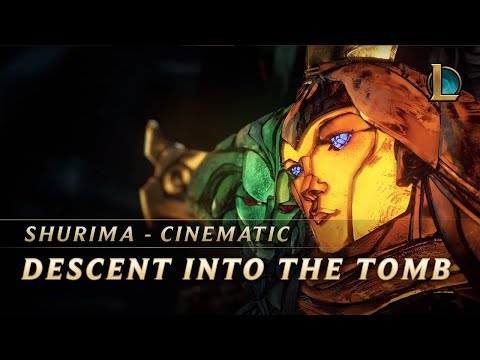
夜說 posted on 2015/09/23Dive into the dark fantasy world of Shurima with this cinematic short featuring Cassiopeia and Renekton! You'll be amazed by the ancient curse and legendary blade, while picking up advanced vocabulary and exploring the cultural depth of this lost city.
Learn this video on the APP!
The VoiceTube App has more in-depth practice for videos!