
addictive
US /əˈdɪktɪv/
UK /əˈdɪktɪv/
- Adjective
- Being powerless to stop doing or using something
B1Moreadjacent
US /əˈdʒesənt/
UK /əˈdʒeɪsnt/
- Adjective
- Being close or near to a border, wall, or point
- (In geometry) having a common vertex and side.
B1Moreaggregate
US /ˈæɡrɪɡɪt/
UK /'æɡrɪɡət/
- Noun (Countable/Uncountable)
- A sum total amount of something
- A whole formed by combining several separate elements.
- Transitive Verb
- To gather, involve or combine into a single group
B1TOEICMoreasymptomatic
US
UK
- Adjective
- Having no symptoms of illness or disease
C1Moreattack
US /əˈtæk/
UK /ə'tæk/
- Transitive Verb
- To try to destroy, beat, or injure
- Noun
- Act intended to hurt someone physically, mentally
A2Morebleak
US /blik/
UK /bli:k/
- Adjective
- Desolate and colorless; without much hope
B1Morecell
US /sɛl/
UK /sel/
- Countable Noun
- Smallest unit of living things in biology
- Group of people - often from a secret organization
A2Morecommunicate
US /kəˈmjunɪˌket/
UK /kə'mju:nɪkeɪt/
- Verb (Transitive/Intransitive)
- To give and exchange information
- To convey or make known (information, feelings, etc.)
A2Morecontrary to
US /ˈkɑnˌtrɛri tu/
UK /ˈkɔntrəri tu:/
- Preposition
- In opposition to; against.
- Differing from; not in agreement with.
A1Morecontribute
US /kənˈtrɪbjut/
UK /kən'trɪbju:t/
- Verb (Transitive/Intransitive)
- To be a factor in causing something to happen
- To donate, give (money) or help to something
A2Morecure
US /kjʊr/
UK /kjʊə(r)/
- Noun
- Something that solves a problem or makes it better
- Medical treatment making a sick person healthy
- Transitive Verb
- To fix or improve a problem
- To make someone healthy or make a disease go away
B1Moredamage
US /ˈdæmɪdʒ/
UK /ˈdæmɪdʒ/
- Noun (Countable/Uncountable)
- Physical harm that is done to something
- Transitive Verb
- To harm physically; to hurt or break something
- To harm the reputation of someone.
A2TOEICMoredegeneration
US /dɪˌdʒenəˈreɪʃn/
UK /dɪˌdʒenəˈreɪʃn/
- Uncountable Noun
- Process of gradual decline in condition/function
B2Moredevelopment
US /dɪˈvɛləpmənt/
UK /dɪ'veləpmənt/
- Noun (Countable/Uncountable)
- Act or process of growing bigger or more advanced
- A new event related to a previous event
A2TOEICMorediscovered
US
UK
- Transitive Verb
- To find something new that was not known before
- To learn or find out (something previously unknown or secret).
A2Moredisease
US /dɪˈziz/
UK /dɪˈzi:z/
- Noun (Countable/Uncountable)
- Illness that affects a person, animal, or plant
- A disorder of structure or function in a plant, especially one caused by a pathogen.
- Transitive Verb
- To affect with disease; to corrupt or sicken.
A2TOEICMoredrug
US /drʌɡ/
UK /drʌɡ/
- Noun (Countable/Uncountable)
- Illegal substance taken for effect on the mind
- Chemical used as a medicine
- Transitive Verb
- To give drugs to someone to make them sleep
A2Moredynamic
US /daiˈnæmik/
UK /daɪˈnæmɪk/
- Adjective
- Always active or energetic; getting things done
B1TOEICMoreexcited
US /ɪkˈsaɪtɪd/
UK /ɪkˈsaɪtɪd/
- Transitive Verb
- To make something or someone become more active
- To make someone feel happy, interested or eager
- Adjective
- Happy, interested or eager; enthusiastic
A2Morefailure rate
US /ˈfeljɚ ret/
UK /ˈfeiljə reit/
- Noun
- The percentage or proportion of something that fails.
- The frequency with which an engineering system or component fails, expressed in failures per unit of time.
B1Morefate
US /fet/
UK /feɪt/
- Noun (Countable/Uncountable)
- What will happen to you in the future, often bad
- Power that determines what happens; destiny
B1Morefigure out
US /ˈfɪɡjɚ aʊt/
UK /ˈfiɡə aut/
- Phrasal Verb
- To understand the behavior of someone
- To think through logically to find a solution
- Verb (Transitive/Intransitive)
- To understand or find an answer to something.
- To find a solution to a problem or understand something.
A1Morefor example
US
UK
- Phrase
- As an illustration or instance.
found out
US
UK
- Phrasal Verb
- To learn or discover something, often after some effort.
- To become known; be revealed.
B2Morefunction
US /ˈfʌŋkʃən/
UK /'fʌŋkʃn/
- Noun
- Social event, or party such as a wedding
- Mathematical operation used in calculations
- Intransitive Verb
- To serve a certain purpose or role
- To be operating, working or achieving its purpose
A2TOEICMoregenetic
US /dʒəˈnɛtɪk/
UK /dʒəˈnetɪk/
- Adjective
- Of, relating to, or controlled by genes
- Relating to genes or heredity.
B1Moregiven time
US /ˈɡɪvən taɪm/
UK /ˈɡivən taim/
- Noun (Countable/Uncountable)
- A specific time that has been scheduled or agreed upon.
- The amount of time available or allotted for a task or activity.
A1Morego back to
US /ɡo bæk tu/
UK /ɡəu bæk tu:/
- Phrasal Verb
- To return to a starting point
A1Morego in with
US /ɡo ɪn wɪð/
UK /ɡəu in wið/
- Phrasal Verb
- To join with others in a business venture or undertaking.
A1Morego places
US
UK
- Intransitive Verb
- To be successful in life or in a particular field.
A1Moregreet
US /ɡrit/
UK /gri:t/
- Transitive Verb
- To meet with friendly words and actions; welcome
B1Morehave to
US /hæv tu/
UK /ˈhæv tə/
- Auxiliary Verb
- Must do
A1Morehelpless
US /ˈhɛlplɪs/
UK /'helpləs/
- Adjective
- Lacking in or without strength or power
A2Moreidentity
US /aɪˈdɛntɪti/
UK /aɪ'dentətɪ/
- Noun (Countable/Uncountable)
- Collection of qualities that makes a person
- Who someone is; the name of a person
B1Morein hand
US /ɪn hænd/
UK /in hænd/
- Phrase
- In one's possession or control.
in mind
US /ɪn maɪnd/
UK /in maind/
- Phrase
- Being aware of or considering something.
- To remember or consider something.
A2Morein the air
US
UK
- Phrase
- Present or circulating in the atmosphere.
- Felt or sensed by many people; circulating as a rumor or feeling.
- Adjective
- Being broadcast on radio or television.
A1Morein the field
US
UK
- Phrase
- Working or doing research in a real-world environment, not in a classroom or laboratory.
- Located on the playing area of a sports ground.
A1Morein the future
US /ɪn ði ˈfjutʃɚ/
UK /in ðə ˈfju:tʃə/
- Phrase
- At a later time; in times to come.
A1Morein the midst of
US
UK
- Phrase
- Surrounded by; in the middle of.
- During; while something is happening.
A1Morein time
US /ɪn taɪm/
UK /in taim/
- Adverb
- Eventually; after a period of time.
- Not late; with enough time to spare.
- Phrase
- Eventually; before it is too late.
- According to the scheduled time; punctual.
A1Morein with
US /ɪn wɪð/
UK /in wið/
- Phrase
- Fashionable or popular at the moment.
- Having influence or favor with someone.
- Phrasal Verb
- To introduce or bring something new into a system or organization.
A1Moreinside of
US /ɪnˈsaɪd ʌv/
UK /inˈsaid ɔv/
- Preposition
- Within; in the inner part of.
- Within a certain period of time.
A1Moreintimidate
US /ɪnˈtɪmɪˌdet/
UK /ɪnˈtɪmɪdeɪt/
- Transitive Verb
- To make someone feel afraid
B2Moreknow about
US /noʊ əˈbaʊt/
UK /nəʊ əˈbaut/
- Phrasal Verb
- To have information or understanding of a subject or situation.
laboratory
US /ˈlæbrəˌtɔri, -ˌtori/
UK /lə'bɒrətrɪ/
- Noun (Countable/Uncountable)
- A place to do scientific experiments
- A place where tests are done for medical diagnosis.
B1Morelimitation
US /ˌlɪmɪˈteʃən/
UK /ˌlɪmɪˈteɪʃn/
- Noun
- Act of controlling or reducing the size of
B1Morelook at
US /lʊk æt/
UK /luk æt/
- Phrasal Verb
- To use your eyes to focus on something
- To focus your eyes on something carefully
A1Moremayday
US /'meɪdeɪ/
UK /'meɪdeɪ/
- Noun
- International distress signal from boat or plane
- Interjection
- A call for help in a life-threatening emergency.
C2Moremillisecond
US /ˌmɪlɪˈsɛkənd/
UK /ˈmɪlisekənd/
- Noun
- One thousandth of a second
B1Moremotor
US /ˈmotɚ/
UK /ˈməʊtə(r)/
- Adjective
- Concerning cars and vehicles
- Concerned with or involving movement of muscles
- Noun
- An engine that drives a car, train etc.
A2Moremutation
US /mjuˈteʃən/
UK /mju:'teɪʃn/
- Noun
- Change that changes genetic structure
B2Moreneuron
US /ˈnʊrˌɑn, ˈnjʊr-/
UK /ˈnʊərˌɔn, ˈnjʊər-/
- Noun
- A nerve cell
B2Morenext to
US /nɛkst tu/
UK /nekst tu:/
- Preposition
- Being located along side another
- In comparison with
- Adverb
- Almost; nearly
A1Moreof course
US /ʌv kɔː(r)s/
UK /ɔv kɔː(r)s/
- Adverb
- Sure ; Certainly
- Phrase
- For sure; certainly
A2Moreon the verge of
US /ɑn ði vɚdʒ ʌv/
UK /ɔn ðə və:dʒ ɔv/
- Phrase
- Very near to doing or experiencing something.
A1Morepoint in time
US
UK
- Noun
- A specific moment or instance when something occurs or exists.
- A significant juncture or stage in history or a sequence of events.
A1Moreprevail
US /prɪˈvel/
UK /prɪˈveɪl/
- Intransitive Verb
- To be successful against enemy/problem
- To exist at a certain time; to be common
- Transitive Verb
- Persuade (someone) to do something.
B2TOEICMoreprogressive
US /prəˈɡrɛsɪv/
UK /prəˈgresɪv/
- Adjective
- Believing in modern ideas about social change
- Increasing in extent or severity; occurring in gradual stages.
- Noun (Countable/Uncountable)
- People believing in bringing about social change
- A person advocating or implementing social reform or new, liberal ideas.
A2Moreput together
US /pʊt təˈɡɛðɚ/
UK /put təˈɡeðə/
- Phrasal Verb
- To build or assemble something small, e.g. a toy
- To organize or arrange something.
A1Morereshape
US /riˈʃep/
UK /ˌri:'ʃeɪp/
- Transitive Verb
- To form something into a new shape
B2Morerethink
US /riˈθɪŋk/
UK /ˌri:ˈθɪŋk/
- Verb (Transitive/Intransitive)
- To reconsider or think again about something
A2Moreretract
US /rɪˈtrækt/
UK /rɪˈtrækt/
- Transitive Verb
- To take back something said or given
B2Morerevolutionary
US /ˌrɛvəˈluʃəˌnɛri/
UK /ˌrevə'lu:ʃənərɪ/
- Adjective
- Marking a significant change in something
- Relating to a violent replacement of a government
- Countable Noun
- Person fighting to replace a government
B2Morerewind
US /riˈwaɪnd/
UK /ˌri:ˈwaɪnd/
- Transitive Verb
- To make something go backwards
C1Moresee in
US /si ɪn/
UK /si: in/
- Phrasal Verb
- To accompany someone to the entrance of a building or room.
A1Moreset to
US /sɛt tu/
UK /set tu:/
- Phrasal Verb
- To energetically begin to do, e.g. making a fire
A1Moreshorten
US /ˈʃɔrtn/
UK /'ʃɔ:tn/
- Transitive Verb
- To make something, e.g. a skirt, shorter
C1Moreshrivel up
US
UK
- Phrasal Verb
- To become smaller and wrinkled, often due to dryness or heat.
- To become weak or ineffective, often due to fear or pressure.
A1Morespread
US /sprɛd/
UK /spred/
- Noun (Countable/Uncountable)
- A big meal, often laid out as a buffet
- The distance between two things
- Verb (Transitive/Intransitive)
- To place over a large area; to cover a large area
- (Of ideas, gossip) to pass to and affect others
A2TOEICMorestand here
US
UK
- Intransitive Verb
- To remain in or move to this specific location.
stand with
US /stænd wɪð/
UK /stænd wið/
- Phrasal Verb
- To support or defend someone or something.
A1Morestart in
US /stɑrt ɪn/
UK /stɑ:t in/
- Phrasal Verb
- To begin a job or activity.
A1Moretag
US /tæɡ/
UK /tæɡ/
- Noun (Countable/Uncountable)
- Child's game in which one person chases the others
- A name or label on something or someone
- Transitive Verb
- To apply a name or label to something or someone
- To touch someone you are chasing in a game
B1Moretalking about
US
UK
- Phrasal Verb
- To discuss a particular topic.
- To be constantly mentioning or bringing up a subject.
A1Moretiny
US /ˈtaɪni/
UK /'taɪnɪ/
- Adjective
- Very, very small
A2Moretoast
US /tost/
UK /təʊst/
- Noun (Countable/Uncountable)
- Bread grilled to make it brown and crisp
- An expression of goodwill or honor made by drinking to someone or something.
- Transitive Verb
- To grill bread to make it brown and crisp
- To make pleasantly warm.
B1Moretool
US /tul/
UK /tu:l/
- Noun (Countable/Uncountable)
- Device used to make things, e.g. a hammer
- Something used to achieve an aim or carry out a particular function.
- Transitive Verb
- To provide a workshop with the right equipment
A2TOEICMoreup in the air
US
UK
- Adjective
- Not yet decided or resolved; uncertain.
- Idiom
- In an uncertain state; unresolved.
used to
US /juzd tu/
UK /ˈju:st tə/
- Adjective
- Did regularly before, but don't do now
- Auxiliary Verb
- Have done before, but do not do now
A1Moreverge
US /vɚdʒ/
UK /vɜ:dʒ/
- Noun
- Brink or threshold
- Intransitive Verb
- To be near the edge of something
B2Morewarrior
US /ˈwɔriɚ,ˈwɑr-/
UK /'wɒrɪə(r)/
- Countable Noun
- Courageous or skilled fighter in a battle or war
B1Morewipe
US /waɪp/
UK /waɪp/
- Transitive Verb
- To clean or dry something with a cloth
- To spread a liquid on something
- Noun
- Act to clean or dry something with a cloth
A2More
Vocabulary
- look at: To use your eyes to focus on something
- see in: To accompany someone to the entrance of a building or room.
- put together: To build or assemble something small, e.g. a toy
- in time: Eventually; after a period of time.
- stand with: To support or defend someone or something.
- have to: Must do
- for example: As an illustration or instance.
- start in: To begin a job or activity.
- in the future: At a later time; in times to come.
- found out: To learn or discover something, often after some effort.
- failure rate: The percentage or proportion of something that fails.
- stand here: To remain in or move to this specific location.
- on the verge of: Very near to doing or experiencing something.
- in the field: Working or doing research in a real-world environment, not in a classroom or laboratory.
- set to: To energetically begin to do, e.g. making a fire
- in hand: In one's possession or control.
- next to: Being located along side another
- in mind: Being aware of or considering something.
- contrary to: In opposition to; against.
- inside of: Within; in the inner part of.
- point in time: A specific moment or instance when something occurs or exists.
- talking about: To discuss a particular topic.
- go back to: To return to a starting point
- up in the air: Not yet decided or resolved; uncertain.
- in the air: Present or circulating in the atmosphere.
- given time: A specific time that has been scheduled or agreed upon.
- used to: Did regularly before, but don't do now
- go places: To be successful in life or in a particular field.
- figure out: To understand the behavior of someone
- in the midst of: Surrounded by; in the middle of.
- of course: Sure ; Certainly
- shrivel up: To become smaller and wrinkled, often due to dryness or heat.
- know about: To have information or understanding of a subject or situation.
- go in with: To join with others in a business venture or undertaking.
- in with: Fashionable or popular at the moment.
- city: Area with many buildings, roads and people
- remember: To give someone a gift, e.g. birthday, wedding
- mom: A slang term for mother
- year: Unit of time equal to 12 months or 365 or 366 days
- time: Speed at which music is played; tempo
- door: You walk through this when you go in a room
- people: Persons sharing culture, country, background, etc.
- hand: Cards given to a player in a card game
- today: This day; day that is happening now
- know: To be familiar with a person or place, thing
- birthday: Date each year on which you were born
- die: Cube with dots numbering 1-6 on it used in games
- meet: To provide something that is necessary
- fast: In a way that is difficult to move or change
- excited: To make something or someone become more active
- brain: To strike someone forcefully on the head
- story: One of many floors or levels in a building
- future: Time that is to come after the present
- toast: Bread grilled to make it brown and crisp
- save: To make your computer keep a file
- normal: Standard or regular way of doing something
- stand: To be a candidate in an election
- surprise: To do something that another person didn't expect
- move: To cause someone to have certain emotions
- break: To create a new record e.g. running the 100m dash
- dead: Not alive
- guess: To give an answer without knowing if it is correct
- disease: Illness that affects a person, animal, or plant
- attack: To try to destroy, beat, or injure
- damage: Physical harm that is done to something
- fight: To argue or quarrel with someone about something
- communicate: To give and exchange information
- discovered: To find something new that was not known before
- system: Set of organized, planned ideas that work together
- tiny: Very, very small
- laboratory: A place to do scientific experiments
- imagine: To think creatively about; form mental picture of
- identity: Collection of qualities that makes a person
- knowledge: Information, understanding, or skill
- raise: To increase a bet above another when playing cards
- development: Act or process of growing bigger or more advanced
- greet: To meet with friendly words and actions; welcome
- genetic: Of, relating to, or controlled by genes
- drug: Illegal substance taken for effect on the mind
- tool: Device used to make things, e.g. a hammer
- fate: What will happen to you in the future, often bad
- risk: To do something potentially dangerous or foolish
- contribute: To be a factor in causing something to happen
- wipe: To clean or dry something with a cloth
- revolutionary: Marking a significant change in something
- progressive: Believing in modern ideas about social change
- motor: Concerning cars and vehicles
- cure: Something that solves a problem or makes it better
- spread: A big meal, often laid out as a buffet
- dynamic: Always active or energetic; getting things done
- cell: Smallest unit of living things in biology
- function: Social event, or party such as a wedding
- warrior: Courageous or skilled fighter in a battle or war
- shorten: To make something, e.g. a skirt, shorter
- rethink: To reconsider or think again about something
- helpless: Lacking in or without strength or power
- limitation: Act of controlling or reducing the size of
- addictive: Being powerless to stop doing or using something
- bleak: Desolate and colorless; without much hope
- prevail: To be successful against enemy/problem
- verge: Brink or threshold
- adjacent: Being close or near to a border, wall, or point
- neuron: A nerve cell
- mutation: Change that changes genetic structure
- mayday: International distress signal from boat or plane
- reshape: To form something into a new shape
- degeneration: Process of gradual decline in condition/function
- intimidate: To make someone feel afraid
- neuroscience: Scientific study of the nervous system
- tag: Child's game in which one person chases the others
- asymptomatic: Having no symptoms of illness or disease
- millisecond: One thousandth of a second
- retract: To take back something said or given
- aggregate: A sum total amount of something
- rewind: To make something go backwards
- debilitate: (Formal) to weaken
Get the full experience in the app
Learn anywhere with detailed sentence and usage analysis
01:03
She took a brave step forward, leaving behind her comfort zone to chase her dreams.
Vocabulary
- brave
adj. Having courage
- comfort zone
phr. A familiar situation where one feels safe
Explanation
a brave step is a noun phrase, where brave is an adjective modifying the noun step, meaning "a courageous step".
forward is an adverb modifying step, meaning "ahead".
The whole phrase serves as the object, answering the "what" of took (verb) — she took a brave step forward.
Get the full experience in the app
Look up words anytime with pronunciation, part of speech, and usage
brave
US/brev/
UK/breɪv/
adj.Brave
v.t.To bravely face
A2 Elementary
Get the full experience in the app
Practice speaking anytime and get instant pronunciation feedback
Try this speaking exercise.
Try practicing with this sentence.
80
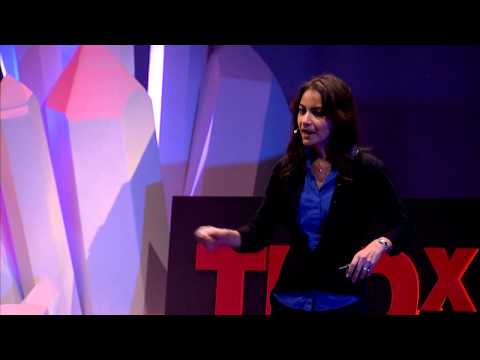
【TEDx】The dynamic future of neuroscience | Spring Behrouz | TEDxJacksonville
0
SylviaQQ posted on 2015/09/13Ever wondered about the future of understanding our brains? This fascinating TEDx talk dives into the dynamic world of neuroscience, exploring breakthroughs in treating diseases like Parkinson's and Alzheimer's. You'll pick up advanced vocabulary and gain incredible insights into scientific innovation!
Learn this video on the APP!
The VoiceTube App has more in-depth practice for videos!