
afford
US /əˈfɔrd, əˈford/
UK /ə'fɔ:d/
- Transitive Verb
- To make available, to provide
- To have enough money to pay for something
A2TOEICMoreargument
US /ˈɑrɡjəmənt/
UK /ˈɑ:gjumənt/
- Noun (Countable/Uncountable)
- Discussion in which you disagree with someone
- A presentation of reasons for or against an idea
A2TOEICMorebite
US /baɪt/
UK /baɪt/
- Noun (Countable/Uncountable)
- Amount of food taken into your mouth at one time
- Wound left from being bitten
- Intransitive Verb
- (E.g. of fish) to take bait and be caught
A2Morebomb
US /bɑm/
UK /bɒm/
- Transitive Verb
- To attack with explosives
- Noun
- An explosive device
B1Moreburst
US /bɚst/
UK /bɜ:st/
- Verb (Transitive/Intransitive)
- To move (arrive, exit, etc.) suddenly or hurriedly
- To break apart/open in a sudden and violent way
- Noun
- Brief time period when something happens and ends
- A sudden outbreak or display of something.
A2Morecause
US /kɔz/
UK /kɔ:z/
- Noun
- Belief, goal or organization that people support
- Reason for
- Transitive Verb
- To make something happen; create effect or result
A2Morecorrectly
US /kəˈrɛktlɪ/
UK /kə'rektlɪ/
- Adverb
- In an accurate or correct manner
A2Moredisaster
US /dɪˈzæstɚ, -ˈsæs-/
UK /dɪ'zɑ:stə(r)/
- Noun (Countable/Uncountable)
- State of extreme ruin and misfortune
- A complete failure.
- Uncountable Noun
- A situation that has gone terribly wrong.
A2Moreexaggerate
US /ɪgˈzædʒəreɪt/
UK /ɪgˈzædʒəreɪt/
- Verb (Transitive/Intransitive)
- To makes things seem more extreme than reality
- To speak or write about something in a way that overemphasizes or magnifies its qualities.
B1TOEICMoreexaggerated
US //ɪgˈzæʤəˌreɪtɪd//
UK //ɪɡˈzædʒ.ə.reɪtɪd//
- Adjective
- Represented as greater than is true or reasonable
- Transitive Verb
- To makes things seem more extreme than reality
B1Moreexclamation
US /ˌɛkskləˈmeʃən/
UK /ˌekskləˈmeɪʃn/
- Noun
- Abrupt excited utterance
- The act of exclaiming; a loud outcry or expression of protest or complaint.
B1Moreexclusive
US /ɪkˈsklusɪv/
UK /ɪk'sklu:sɪv/
- Adjective
- Being available only to people with a lot of money
- Available to only a particular person, group
B1TOEICMorefilm
US /fɪlm/
UK /fɪlm/
- Noun (Countable/Uncountable)
- Thin layer that covers something
- Movie
- Transitive Verb
- To record moving action with a camera
A2Moreflop
US /flɑ:p/
UK /flɒp/
- Intransitive Verb
- To fall heavily, usually in a relaxed manner
- To move loosely and without precision
- Noun
- Book, movie etc. that is a total sales failure
- Sound of something large hitting water
B2TOEICMorego out
US /ɡo aʊt/
UK /ɡəu aut/
- Phrase
- To leave a building (e.g. a house)
- Phrasal Verb
- (Of a fire) to burn out; be extinguished
- Go out of fashion to stop being fashionable
A1Morehelicopter
US /ˈhɛlɪˌkɑptɚ/
UK /'helɪkɒptə(r)/
- Countable Noun
- Aircraft with spinning blades at the top
- Transitive Verb
- To transport by helicopter
B1TOEICMorein fact
US /ɪn fækt/
UK /in fækt/
- Adverb
- Used to emphasize the truth of a statement, especially one that contrasts with or contradicts something else.
- Used to introduce a more detailed or surprising piece of information.
- Phrase
- Used to emphasize the truth of a statement, especially one that is surprising or contrary to what might be expected.
C1Morein trouble
US /ɪn ˈtrʌbəl/
UK /in ˈtrʌbl/
- Adjective
- Experiencing difficulties, problems, or legal issues.
- other
- In serious trouble or difficulty.
A1Moreintellectual
US /ˌɪntlˈɛktʃuəl/
UK /ˌɪntəˈlektʃuəl/
- Noun (Countable/Uncountable)
- connected with or using a person’s ability to think in a logical way and understand things
- a person who is well educated and enjoys activities in which they have to think seriously about things
- Adjective
- Relating to the intellect or mental understanding.
- Appealing to or requiring the use of the intellect.
B1Morejournalistic
US /ˌdʒə:nəˈlɪstɪk/
UK /ˌdʒɜ:nəˈlɪstɪk/
- Adjective
- Concerning the reporting of news in the media
A2Morelaunch
US /lɔntʃ, lɑntʃ/
UK /lɔ:ntʃ/
- Noun
- Starting a new project; introducing new product
- Act of firing rockets into the air
- Transitive Verb
- To start a new project; start selling a product
- To put a rocket into the air
A2TOEICMorelook at
US /lʊk æt/
UK /luk æt/
- Phrasal Verb
- To use your eyes to focus on something
- To focus your eyes on something carefully
A1Moremad
US /mæd/
UK /mæd/
- Adjective
- Very angry
- Enthusiastic about something
A2Moremark
US /mɑrk/
UK /mɑ:k/
- Proper Noun
- Person's name
- Transitive Verb
- To put a dirty spot or line on something
- To give a grade for homework
A2TOEICMoremuch about
US /mʌtʃ əˈbaʊt/
UK /mʌtʃ əˈbaut/
- Phrase
- A lot of information or knowledge concerning something.
- To a great extent or degree regarding something; caring.
A1Moreobsessive
US /əbˈsɛsɪv, ɑb-/
UK /əbˈsesɪv/
- Adjective
- Characterized by or constituting an obsession
- Thinking about something or someone all the time
B2Moreout there
US /aʊt ðɛr/
UK /aut ðɛə/
- Adverb
- In or to a place that is far away
- Existing in the universe
- Adjective
- Unconventional; strange; avant-garde
- Existing or available.
A1Morepremiere
US /prɪˈmɪr/
UK /ˈpremieə(r)/
- Noun
- First performance of a show, film, play in public
- Transitive Verb
- To give a first public performance.
B2Morepress
US /prɛs/
UK /pres/
- Noun
- Machine using pressure to shape, flatten, squeeze
- General term for TV, radio, newspapers
- Transitive Verb
- To make clothes smooth using a heated iron; iron
- To repeatedly ask someone to do something
A2TOEICMorepublish
US /ˈpʌblɪʃ/
UK /'pʌblɪʃ/
- Transitive Verb
- To prepare and make available a book magazine etc.
- To release information to the general public
A2TOEICMorequiz
US /kwɪz/
UK /kwɪz/
- Noun (Countable/Uncountable)
- A game in which players answer questions on topics
- Brief spoken or written test, given to students
- Transitive Verb
- To ask a person many questions about something
B1Moresavage
US /ˈsævɪdʒ/
UK /'sævɪdʒ/
- Adjective
- Condition of being cruel, violent, uncivilized
- Transitive Verb
- To wildly attack someone often to kill them
B1Moreshout
US /ʃaʊt/
UK /ʃaʊt/
- Verb (Transitive/Intransitive)
- To speak very loudly to get attention
- Noun
- Speaking loudly so you get attention
A2Moresilly
US /ˈsɪli/
UK /'sɪlɪ/
- Adjective
- Careless
- Acting funny or playfully
A2Moreslam
US /slæm/
UK /slæm/
- Transitive Verb
- To criticize sharply
- To shut with a lot of force, making a loud noise
- Noun
- Act or sound of closing a door, etc. violently
B1Moreslightly
US /ˈslaɪtli/
UK /ˈslaɪtli/
- Adverb
- Only a little
B1Morestick
US /stɪk/
UK /stɪk/
- Verb (Transitive/Intransitive)
- To push a sharp or pointed object into something
- To join together using glue or paste
- Countable Noun
- Long thin piece of wood from a tree
A2Moretalking about
US
UK
- Phrasal Verb
- To discuss a particular topic.
- To be constantly mentioning or bringing up a subject.
A1Moretight
US /taɪt/
UK /taɪt/
- Adjective
- Showing anxiety or anger; tense
- Positioned physically close together
- Adverb
- Firmly; so it can't move
A2TOEICMoretrouble
US /ˈtrʌbəl/
UK /ˈtrʌbl/
- Transitive Verb
- To worry, bother or disturb someone
- To make an effort to do something; bother
- Uncountable Noun
- Lack of public order; disturbance
- State of difficulty or stress
A2TOEICMoreturn to
US /tɚn tu/
UK /tə:n tu:/
- Phrasal Verb
- To go to someone for help, advice, or information.
- To start doing or using something, often something bad or undesirable.
A1Moreunderwear
US /ˈʌndərwer/
UK /ˈʌndəweə(r)/
- Noun
- Clothes worn next to skin/under outer clothes
C1Morewild
US /waɪld/
UK /waɪld/
- Adverb
- In a manner which lacks control
- Adjective
- Living in nature; not tame
- (Of land) not developed by people
A2More
Vocabulary
- look at: To use your eyes to focus on something
- talking about: To discuss a particular topic.
- turn to: To go to someone for help, advice, or information.
- in trouble: Experiencing difficulties, problems, or legal issues.
- much about: A lot of information or knowledge concerning something.
- in fact: Used to emphasize the truth of a statement, especially one that contrasts with or contradicts something else.
- go out: To leave a building (e.g. a house)
- out there: In or to a place that is far away
- page: Person's name
- show: To be easily seen or displayed
- newspaper: Sheets of paper (or online) containing the news
- child: A very young person, between about 2 and 15
- film: Thin layer that covers something
- dog: Small 4-legged animal that barks kept as a pet
- talk: Style of speaking
- person: Man, woman or child
- man: Humans in general, including male and female
- read: Person's name
- clever: Funny in a way that shows intelligence
- word: Unit of language that has a meaning
- today: This day; day that is happening now
- world: All the humans, events, activities on the earth
- wear: To have clothes, glasses, shoes etc. on your body
- tight: Showing anxiety or anger; tense
- bit: Device put in a horse's mouth to control it
- helicopter: Aircraft with spinning blades at the top
- badly: Not in a good way; not as wanted or liked
- call: A order or request for action
- strong: (Of tea or beer) dark or thick
- hope: When you wish something will happen; what you wish
- mark: Person's name
- turn: To become (a particular age)
- win: Success in beating the other team or competitors
- shout: To speak very loudly to get attention
- quiz: A game in which players answer questions on topics
- verb: Word that expresses an action or state
- mad: Very angry
- wild: In a manner which lacks control
- bite: Amount of food taken into your mouth at one time
- trouble: To worry, bother or disturb someone
- argument: Discussion in which you disagree with someone
- choice: Decision between two or more possibilities
- burst: To move (arrive, exit, etc.) suddenly or hurriedly
- underwear: Clothes worn next to skin/under outer clothes
- publish: To prepare and make available a book magazine etc.
- bomb: To attack with explosives
- stick: To push a sharp or pointed object into something
- correctly: In an accurate or correct manner
- silly: Careless
- afford: To make available, to provide
- lady: Another way of saying 'woman'
- press: Machine using pressure to shape, flatten, squeeze
- exclusive: Being available only to people with a lot of money
- slam: To criticize sharply
- intellectual: connected with or using a person’s ability to think in a logical way and understand things
- disaster: State of extreme ruin and misfortune
- launch: Starting a new project; introducing new product
- cause: Belief, goal or organization that people support
- economy: Using money, resources in a careful, effective way
- slightly: Only a little
- exaggerate: To makes things seem more extreme than reality
- exaggerated: Represented as greater than is true or reasonable
- flop: To fall heavily, usually in a relaxed manner
- exclamation: Abrupt excited utterance
- obsessive: Characterized by or constituting an obsession
- savage: Condition of being cruel, violent, uncivilized
- journalistic: Concerning the reporting of news in the media
- premiere: First performance of a show, film, play in public
Get the full experience in the app
Learn anywhere with detailed sentence and usage analysis
01:03
She took a brave step forward, leaving behind her comfort zone to chase her dreams.
Vocabulary
- brave
adj. Having courage
- comfort zone
phr. A familiar situation where one feels safe
Explanation
a brave step is a noun phrase, where brave is an adjective modifying the noun step, meaning "a courageous step".
forward is an adverb modifying step, meaning "ahead".
The whole phrase serves as the object, answering the "what" of took (verb) — she took a brave step forward.
Get the full experience in the app
Look up words anytime with pronunciation, part of speech, and usage
brave
US/brev/
UK/breɪv/
adj.Brave
v.t.To bravely face
A2 Elementary
Get the full experience in the app
Practice speaking anytime and get instant pronunciation feedback
Try this speaking exercise.
Try practicing with this sentence.
80
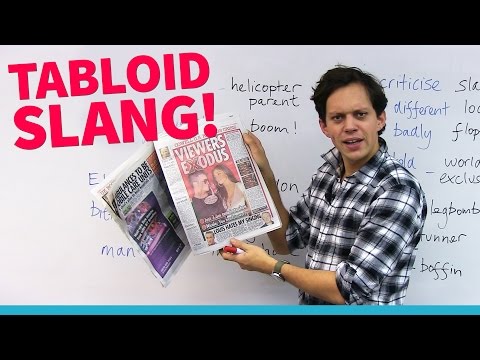
Learn English with a bad newspaper!
0
SylviaQQ posted on 2016/03/06Ever wondered what all that sensational language in tabloids like 'The Sun' is about? This video dives into juicy tabloid vocabulary and journalism terms, showing you how to understand and even use exaggerated language like a 'world exclusive' yourself! You'll pick up tons of new words and get a fun peek into British culture, all while practicing your pronunciation.
Learn this video on the APP!
The VoiceTube App has more in-depth practice for videos!