
at a time
US /æt e taɪm/
UK /æt ə taim/
- Phrase
- Separately; one by one
- Simultaneously; together
A1Morebackseat driver
US
UK
- Noun
- A passenger in a car who gives unwanted advice to the driver.
- A person who tries to control a situation without being directly involved.
A1Moreball out
US
UK
- Phrasal Verb
- To spend a lot of money extravagantly; to live lavishly.
- To leave a place quickly, often to avoid trouble.
A1Morebeing with
US
UK
- Phrasal Verb
- Accompanying someone; being in someone's presence.
- Supporting someone's opinion or cause.
- Verb (Transitive/Intransitive)
- Accompanying someone; spending time with someone.
- Supporting someone; agreeing with someone.
A1Morebreak down
US /brek daʊn/
UK /breik daun/
- Phrasal Verb
- To forcibly break, destroy or make collapse
- (Machine) to stop working or become weaker
A1Morecare of
US /kɛr ʌv/
UK /kɛə ɔv/
- Preposition
- Used in an address to indicate the person who will receive the mail for someone else.
A2Morecome back
US /kʌm bæk/
UK /kʌm bæk/
- Phrasal Verb
- To reply to someone, often forcefully
- To be remembered
A1Morecome up
US /kʌm ʌp/
UK /kʌm ʌp/
- Phrasal Verb
- To come closer to someone; approach
- (Of sun) to rise into the sky in the morning
A1Morecome up with
US /kʌm ʌp wɪð/
UK /kʌm ʌp wið/
- Phrasal Verb
- To think of an idea or solution; produce
A1Morecritic
US /ˈkrɪtɪk/
UK /'krɪtɪk/
- Noun (Countable/Uncountable)
- Person who judges (e.g. art) and gives opinions
- A person who tends to find fault or express adverse criticism.
A2Morecriticism
US /ˈkrɪtɪˌsɪzəm/
UK /ˈkrɪtɪsɪzəm/
- Noun (Countable/Uncountable)
- Article or essay that judges quality
- Negative judgment of something
A2Morecriticize
US /ˈkrɪtɪˌsaɪz/
UK /ˈkrɪtɪsaɪz/
- Transitive Verb
- To assess the work of others
- To say that someone or something is bad
B1Moredrink in
US /drɪŋk ɪn/
UK /driŋk in/
- Phrasal Verb
- To absorb or take in something with great enjoyment.
A1Morefalling apart
US
UK
- Phrasal Verb
- To suffer a nervous breakdown
- To break into pieces; stop functioning
A1Morefor the gods
US /fɚ ðə ɡɑdz/
UK /fə ðə ɡɒdz/
- other
- Something broken or useless, ready to be discarded or destroyed.
C2Morego after
US /ɡo ˈæftɚ/
UK /ɡəu ˈɑ:ftə/
- Phrasal Verb
- To chase or pursue something
A1Morego on
US /ɡo ɑn/
UK /ɡəu ɔn/
- Phrasal Verb
- To continue doing something
- To happen (usually negative)
- Interjection
- Used to encourage someone
A1Moregoing on
US /ˈɡoɪŋ ɑn/
UK /ˈgəʊɪŋ ɔn/
- Phrasal Verb
- To continue doing something
- To happen (usually negative)
A1Moregot to
US /ɡɑt tu/
UK /gɔt tu:/
- Verb (Transitive/Intransitive)
- To arrive at some place
- To have the opportunity or permission to do something
- Phrasal Verb
- To appeal to the emotions of; move
- To finally begin to start something after a delay
A1Moregrass
US /græs/
UK /grɑ:s/
- Verb (Transitive/Intransitive)
- To betray someone
- To cover an area of ground to make a lawn or field
- Uncountable Noun
- Slang name for marijuana
A2Morehave to
US /hæv tu/
UK /ˈhæv tə/
- Auxiliary Verb
- Must do
A1Morehave words
US /hæv wɝdz/
UK /hæv wɜ:dz/
- other
- To argue or quarrel with someone.
B2Morein a flash
US
UK
- Phrase
- Extremely quickly; instantaneously.
- Suddenly and unexpectedly.
A1Morein a while
US /ɪn e hwaɪl/
UK /in ə hwail/
- Phrase
- In a short period of time; soon.
- For a short period of time; soon.
A2Morein competition
US /ɪn ˌkɑmpəˈtɪʃən/
UK /in ˌkɒmpəˈtiʃən/
- other
- Taking part in a contest or rivalry.
B1Morein fact
US /ɪn fækt/
UK /in fækt/
- Adverb
- Used to emphasize the truth of a statement, especially one that contrasts with or contradicts something else.
- Used to introduce a more detailed or surprising piece of information.
- Phrase
- Used to emphasize the truth of a statement, especially one that is surprising or contrary to what might be expected.
C1Morein order to
US /ɪn ˈɔrdɚ tu/
UK /in ˈɔ:də tu:/
- Preposition
- For the purpose of; with the aim of.
- Phrase
- In a specific sequence or arrangement.
- With the aim of; for the purpose of.
C1Morein real life
US /ɪn ˈriəl laɪf/
UK /in riəl laif/
- Phrase
- In the physical world; not online or in a fictional setting.
- Actually; genuinely; not made up or fictional.
A2Morein the world
US /ɪn ði wɜrld/
UK /in ðə wɜː(r)ld/
- Phrase
- Used to emphasize a question expressing surprise, confusion, disbelief
- Used to indicate the extent or degree of something, often in a superlative sense
A1Morelamb
US /læm/
UK /læm/
- Countable Noun
- Young sheep
- Intransitive Verb
- To give birth to a baby sheep
B1Morelet out
US /lɛt aʊt/
UK /let aut/
- Phrasal Verb
- To allow a person, animal to leave the room, house
- To allow to leave; to release.
- Verb (Transitive/Intransitive)
- To enlarge a garment by releasing a seam or adding material.
- To release or allow to escape.
A1Morelook at
US /lʊk æt/
UK /luk æt/
- Phrasal Verb
- To use your eyes to focus on something
- To focus your eyes on something carefully
A1Morelook for
US /lʊk fɔr/
UK /luk fɔ:/
- Phrasal Verb
- To try to find a thing or person that is lost
- To expect or anticipate something.
A1Moreman's best friend
US /mænz best frɛnd/
UK /mænz best frend/
- other
- A dog, considered faithful and loyal to humans.
A2Morenegative
US /ˈnɛɡətɪv/
UK /'neɡətɪv/
- Noun
- The opposite to a positive electrical charge
- In grammar, containing words such as 'no' or 'not'
- Adjective
- Being harmful, unwanted or unhelpful
- In mathematics, being less than zero
A2Moreof course
US /ʌv kɔː(r)s/
UK /ɔv kɔː(r)s/
- Adverb
- Sure ; Certainly
- Phrase
- For sure; certainly
A2Moreon earth
US /ɑn ɚθ/
UK /ɔn ə:θ/
- Phrase
- Used to emphasize a question expressing surprise or anger.
- Used to emphasize that something is not possible or will not happen.
A1Moreon the ball
US
UK
- Idiom
- Alert, quick to understand and respond to things.
A1Moreon the road
US /ɑn ði rəʊd/
UK /ɔn ðə roʊd/
- Phrase
- Traveling, especially as part of a tour or journey.
- Making progress; advancing towards a goal.
- Idiom
- Making progress towards a goal or achievement.
A1Moreon the side of the angels
US /ɑn ðə ˈsaɪd ʌv ði ˈeɪndʒəlz/
UK /ɒn ðə ˈsaɪd ɒv ði ˈeɪndʒəlz/
- other
- Supporting the morally right or good side.
C1Moreonce in a while
US //wʌns ɪn ə waɪl//
UK
- Phrase
- Occasionally; not very often.
- Occasionally; not very often.
A2Moreout of it
US /aʊt ʌv ɪt/
UK /aut ɔv it/
- Adjective
- Unconscious or not completely alert; dazed or confused.
- Not able to think clearly or react quickly; not with it.
A1Moreout of this world
US /aʊt əv ðɪs wɝld/
UK /aut əv ðɪs wɜ:ld/
- other
- Extremely good or impressive; extraordinary.
B2Moreout there
US /aʊt ðɛr/
UK /aut ðɛə/
- Adverb
- In or to a place that is far away
- Existing in the universe
- Adjective
- Unconventional; strange; avant-garde
- Existing or available.
A1Moreover the top
US /ˈovɚ ði tɑp/
UK /ˈəuvə ðə tɔp/
- Adjective
- More than what is considered normal or suitable; exaggerated.
- So extreme that it is offensive.
- Adverb
- To an excessive degree; excessively.
A1Morepick apart
US
UK
- Phrasal Verb
- To find faults/problems with by examining closely
A1Morepraise
US /preɪz/
UK /preɪz/
- Transitive Verb
- To express approval of something or someone
- To express thanks, respect, and love
- Uncountable Noun
- Expression of approval of something/someone
- Expression of thanks, respect, and love
B1Moresound right
US
UK
- Intransitive Verb
- To seem correct or accurate.
start off
US /stɑrt ɔf/
UK /stɑ:t ɔf/
- Phrasal Verb
- To begin or commence something.
- To begin a journey.
B2Morestart over
US /stɑrt ˈovɚ/
UK /stɑ:t ˈəuvə/
- Phrasal Verb
- To begin again.
A1Moretake the cake
US /teɪk ðə ˈkeɪk/
UK /teɪk ðə ˈkeɪk/
- other
- To be the most remarkable or extreme example, often negative.
B2Moretalk about it
US /tɔk əˈbaʊt ɪt/
UK /tɔ:k əˈbaut it/
- Verb (Transitive/Intransitive)
- To discuss a particular subject.
A1Moretalking about
US
UK
- Phrasal Verb
- To discuss a particular topic.
- To be constantly mentioning or bringing up a subject.
A1Moretaste good
US
UK
- Intransitive Verb
- To have a pleasant flavor.
A1Morethink about
US /θɪŋk əˈbaʊt/
UK /θiŋk əˈbaut/
- Phrasal Verb
- To consider something carefully.
- To remember or call to mind.
A1Morethink of
US /θɪŋk ʌv/
UK /θiŋk ɔv/
- Phrasal Verb
- To look on as (being something specific); consider
- To consider or remember something.
- Verb (Transitive/Intransitive)
- To imagine or call something to mind
A1Morethrow out
US /θro aʊt/
UK /θrəu aut/
- Phrasal Verb
- To make someone leave, because of bad behavior
- To put in the garbage; discard
A1Moreto do with
US
UK
- Phrasal Verb
- To be about something; concern
A1Moreup there
US /ʌp ðɛr/
UK /ʌp ðɛə/
- Adverb
- In or to a higher place or position; far away.
- In heaven.
A1Moreway to go
US /we tu ɡo/
UK /wei tu: ɡəu/
- Interjection
- An expression of encouragement or approval.
- An expression of sarcasm after someone has made a mistake.
A1More
Vocabulary
- have to: Must do
- look at: To use your eyes to focus on something
- on the ball: Alert, quick to understand and respond to things.
- out of this world: Extremely good or impressive; extraordinary.
- think of: To look on as (being something specific); consider
- got to: To arrive at some place
- backseat driver: A passenger in a car who gives unwanted advice to the driver.
- pick apart: To find faults/problems with by examining closely
- look for: To try to find a thing or person that is lost
- to do with: To be about something; concern
- care of: Used in an address to indicate the person who will receive the mail for someone else.
- up there: In or to a higher place or position; far away.
- talking about: To discuss a particular topic.
- think about: To consider something carefully.
- in real life: In the physical world; not online or in a fictional setting.
- start over: To begin again.
- talk about it: To discuss a particular subject.
- break down: To forcibly break, destroy or make collapse
- in the world: Used to emphasize a question expressing surprise, confusion, disbelief
- man's best friend: A dog, considered faithful and loyal to humans.
- on the road: Traveling, especially as part of a tour or journey.
- drink in: To absorb or take in something with great enjoyment.
- throw out: To make someone leave, because of bad behavior
- go after: To chase or pursue something
- out of it: Unconscious or not completely alert; dazed or confused.
- come up with: To think of an idea or solution; produce
- on the side of the angels: Supporting the morally right or good side.
- go on: To continue doing something
- for the gods: Something broken or useless, ready to be discarded or destroyed.
- in fact: Used to emphasize the truth of a statement, especially one that contrasts with or contradicts something else.
- falling apart: To suffer a nervous breakdown
- way to go: An expression of encouragement or approval.
- have words: To argue or quarrel with someone.
- in a while: In a short period of time; soon.
- once in a while: Occasionally; not very often.
- sound right: To seem correct or accurate.
- come up: To come closer to someone; approach
- of course: Sure ; Certainly
- come back: To reply to someone, often forcefully
- in a flash: Extremely quickly; instantaneously.
- start off: To begin or commence something.
- going on: To continue doing something
- in competition: Taking part in a contest or rivalry.
- ball out: To spend a lot of money extravagantly; to live lavishly.
- on earth: Used to emphasize a question expressing surprise or anger.
- at a time: Separately; one by one
- taste good: To have a pleasant flavor.
- in order to: For the purpose of; with the aim of.
- let out: To allow a person, animal to leave the room, house
- take the cake: To be the most remarkable or extreme example, often negative.
- over the top: More than what is considered normal or suitable; exaggerated.
- out there: In or to a place that is far away
- being with: Accompanying someone; being in someone's presence.
- person: Man, woman or child
- negative: The opposite to a positive electrical charge
- good: Proper, appropriate or right
- word: Unit of language that has a meaning
- criticism: Article or essay that judges quality
- verb: Word that expresses an action or state
- bad: Not good; wrong
- ball: Large dance where people dress formally
- critic: Person who judges (e.g. art) and gives opinions
- praise: To express approval of something or someone
- noun: The subject or object of a sentence
- criticize: To assess the work of others
- lamb: Young sheep
- job: Something that must be done
- grass: To betray someone
Get the full experience in the app
Learn anywhere with detailed sentence and usage analysis
01:03
She took a brave step forward, leaving behind her comfort zone to chase her dreams.
Vocabulary
- brave
adj. Having courage
- comfort zone
phr. A familiar situation where one feels safe
Explanation
a brave step is a noun phrase, where brave is an adjective modifying the noun step, meaning "a courageous step".
forward is an adverb modifying step, meaning "ahead".
The whole phrase serves as the object, answering the "what" of took (verb) — she took a brave step forward.
Get the full experience in the app
Look up words anytime with pronunciation, part of speech, and usage
brave
US/brev/
UK/breɪv/
adj.Brave
v.t.To bravely face
A2 Elementary
Get the full experience in the app
Practice speaking anytime and get instant pronunciation feedback
Try this speaking exercise.
Try practicing with this sentence.
80
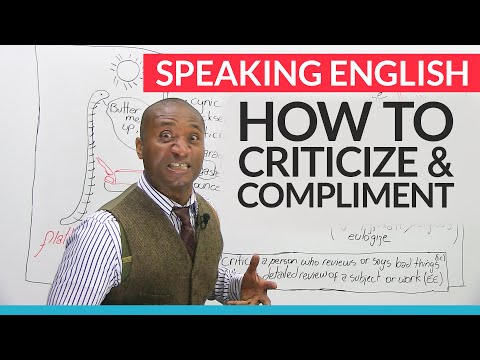
Speaking English – How to give criticism and compliments
0
Flora Hu posted on 2015/09/16Ever struggled to give feedback or praise without sounding awkward? This video breaks down exactly how to offer criticism and compliments like a native speaker, packed with practical phrases for everyday conversations. You'll pick up tons of useful vocabulary and expressions to navigate any social situation with confidence!
Learn this video on the APP!
The VoiceTube App has more in-depth practice for videos!