
activate
US /ˈæktəˌvet/
UK /ˈæktɪveɪt/
- Transitive Verb
- To cause to happen; cause a chemical reaction
- To make something start working
B1Morealert
US /əˈlɚt/
UK /ə'lɜ:t/
- Adjective
- Being aware and able to respond quickly
- Transitive Verb
- To warn someone so they can respond to it
B1TOEICMoreallergic
US /əˈlədʒɪk/
UK /əˈlɜ:dʒɪk/
- Adjective
- Of or having a reaction to an allergy
B2Moreat risk
US
UK
- Phrase
- In danger; likely to be harmed
bacteria
US /bækˈtɪriə/
UK /bæk'tɪərɪə/
- Noun (plural)
- The very small creatures that can cause disease
B2Morebody
US /ˈbɑdi/
UK /ˈbɒdi/
- Noun
- The physical structure of a person or animal.
- Noun (Countable/Uncountable)
- The main or central part of something.
- The weight and texture of a drink (like wine or coffee) in the mouth.
A2Moreby itself
US /baɪ ɪtˈsɛlf/
UK /bai itˈself/
- Adverb
- Alone; without help or assistance.
- Without any external influence or aid.
A2Morecell
US /sɛl/
UK /sel/
- Countable Noun
- Smallest unit of living things in biology
- Group of people - often from a secret organization
A2Morechemotherapy
US /ˌki:moʊˈθerəpi/
UK /ˌki:məʊˈθerəpi/
- Uncountable Noun
- Treatment of diseases using chemicals
B2Moreclump
US /klʌmp/
UK /klʌmp/
- Noun (Countable/Uncountable)
- Mass or pile of something such as soil
- Small group of trees, etc. growing near each other
- Verb (Transitive/Intransitive)
- To form into a mass or lump
B2Morecollect
US /kəˈlɛkt/
UK /kəˈlekt/
- Adverb
- By asking the receiver of a call to pay for it
- Transitive Verb
- To ask for money, e.g. for a charity
- To gather things, people together in one place
A2Morecommit
US /kəˈmɪt/
UK /kə'mɪt/
- Transitive Verb
- To do something bad, usually a crime
- To promise your permanent love or loyalty (to)
A2TOEICMorecough
US /kɔ:f/
UK /kɒf/
- Intransitive Verb
- To suddenly expel air from the lungs
- Noun
- Act of pushing out air from your body suddenly
A2Morecountless
US /ˈkaʊntlɪs/
UK /ˈkaʊntləs/
- Adjective
- Being too many to be numbered or imagined
B1Morecripple
US /ˈkrɪpəl/
UK /'krɪpl/
- Transitive Verb
- To hurt and make useless
- Noun
- (rude) Disabled person
B2Morecycle
US /ˈsaɪkəl/
UK /ˈsaɪkl/
- Noun
- Series of regular and repeated actions
- Bicycle, bike
- Intransitive Verb
- To go through a series of events repeatedly
- To ride on a bicycle
A2Moredefense
US /dɪˈfɛns/
UK /dɪ'fens/
- Noun (Countable/Uncountable)
- Argument in support of something
- The process of protecting something from attack
B1TOEICMoredisrupt
US /dɪsˈrʌpt/
UK /dɪsˈrʌpt/
- Transitive Verb
- To cause a disturbance in an activity in progress
B2TOEICMoredreadful
US /ˈdrɛdfəl/
UK /ˈdredfl/
- Adjective
- Extremely bad, unpleasant, or ugly
B1Moreeradicate
US /ɪˈrædɪˌket/
UK /ɪˈrædɪkeɪt/
- Transitive Verb
- To remove or destroy something completely
B2TOEICMoreevolve
US /ɪˈvɑlv/
UK /ɪ'vɒlv/
- Verb (Transitive/Intransitive)
- To develop certain features
- To develop or change slowly over time
B1Morefever
US /ˈfivɚ/
UK /'fi:və(r)/
- Noun (Countable/Uncountable)
- A high body temperature, indicating illness
- State of excited emotion or activity
- Transitive Verb
- To cause to have a fever.
B1Moreflood
US /flʌd/
UK /flʌd/
- Verb (Transitive/Intransitive)
- To quickly appear unexpectedly and in volume
- (Of liquid) to fill or cover something completely
- Noun (Countable/Uncountable)
- A quick unexpectedly volume of something
- Large number of people or things arriving at once
B1Moreguard
US /ɡɑrd/
UK /ɡɑ:d/
- Transitive Verb
- To keep watch over something to protect it
- Noun (Countable/Uncountable)
- Someone who watches a place or prevents escapes
- A player in basketball whose primary role is to handle the ball and initiate the offense.
A2Moreharmful
US /ˈhɑ:rmfl/
UK /ˈhɑ:mfl/
- Adjective
- Likely to cause damage or injury
A2TOEICMorehave to
US /hæv tu/
UK /ˈhæv tə/
- Auxiliary Verb
- Must do
A1Moreheadache
US /ˈhed.eɪk/
UK /ˈhed.eɪk/
- Noun (Countable/Uncountable)
- Pain in the head
- Something that causes worry or annoyance.
B2Morehonorable
US /ˈɑnərəbəl/
UK /'ɒnərəbl/
- Adjective
- Not disposed to cheat or defraud; not deceptive
- Worthy of honor; respectable.
B2Morehorse
US /hɔ:rs/
UK /hɔ:s/
- Noun (Countable/Uncountable)
- Large animal with 4 legs used for riding
- Stand or frame used to support something
- Intransitive Verb
- To fool around stupidly
A2Morehull
US /hʌl/
UK /hʌl/
- Noun
- Frame or main body of a boat
- The main body or frame of a ship or boat, largely submerged in water.
- Transitive Verb
- To remove the covering of a fruit, nut or seed
B1Morehysteria
US /hɪˈstɛriə, -ˈstɪr-/
UK /hɪ'stɪərɪə/
- Uncountable Noun
- A case of wild, uncontrollable behavior or panic
- A psychological disorder (now largely discredited) once believed to be common in women, characterized by emotional excitability and various physical symptoms.
B2Moreimmune
US /ɪˈmjoon/
UK /ɪˈmju:n/
- Adjective
- Having a special protection from, e.g. the law
- Protected against a particular disease or condition because of antibodies or vaccination.
B1Moreinfect
US /ɪnˈfɛkt/
UK /ɪn'fekt/
- Transitive Verb
- To introduce a computer virus to
- To give a disease, bacteria or virus to
B1Moreinfection
US /ɪnˈfɛkʃən/
UK /ɪnˈfekʃn/
- Noun
- (Computers) Having a computer virus
- Making or becoming sick with a bacteria/virus
A2Moreleft and right
US
UK
- Adverb
- In both the left and right directions.
- Everywhere; in all directions.
- Noun
- Referring to both liberal and conservative political viewpoints.
- Two opposing options or directions.
A1Moreliver
US /ˈlɪvɚ/
UK /ˈlɪvə(r)/
- Noun (Countable/Uncountable)
- Organ from animals served as food
- Organ that absorbs food and cleans the blood
B1Morelymph
US /lɪmf/
UK /lɪmf/
- Uncountable Noun
- Clear fluid containing white blood cells
C1Morenode
US //noʊd//
UK
- Noun
- A junction point in a network or stem
- Raised area caused by a mass of cells in the body
B1Moreof course
US /ʌv kɔː(r)s/
UK /ɔv kɔː(r)s/
- Adverb
- Sure ; Certainly
- Phrase
- For sure; certainly
A2Moreparallel
US /ˈpærəˌlɛl/
UK /'pærəlel/
- Verb (Transitive/Intransitive)
- To be equal to, or like, something else
- To compare
- Noun (Countable/Uncountable)
- A line on a map a set distance from the equator
- A similarity; a comparison.
B1Morepatrol
US /pəˈtrol/
UK /pə'trəʊl/
- Noun (Countable/Uncountable)
- Person or group who checks an area is safe
- Verb (Transitive/Intransitive)
- To survey an area to maintain safety and order
B1Morephase
US /fez/
UK /feɪz/
- Noun
- Different stages of the moon from new to full
- Distinct part or step in a process
- Transitive Verb
- To make happen in a gradual ordered way
A2Morepneumonia
US /nu:ˈmoʊniə/
UK /nju:ˈməʊniə/
- Uncountable Noun
- Serious illness affecting the lungs and breathing
B2Morepowerful
US /ˈpaʊəfəl/
UK /ˈpauəful/
- Adjective
- Having control or influence over
- Having a lot of physical force, energy, strength
A2TOEICMoreprotective
US /prəˈtɛktɪv/
UK /prəˈtektɪv/
- Adjective
- Serving to defend against harm or danger
A2Morerash
US /ræʃ/
UK /ræʃ/
- Adjective
- Without much thought; done or acting too quickly
- Noun
- Series of many negative events in a short time
- Skin condition of raised red spots
B2Morerecover
US /rɪ'kʌvər/
UK /rɪ'kʌvə(r)/
- Verb (Transitive/Intransitive)
- To return to a prior normal condition
- To get back something that was lost
A2TOEICMorereproduce
US /ˌriprəˈdus, -ˈdjus/
UK /ˌri:prə'dju:s/
- Verb (Transitive/Intransitive)
- To make a copy of something
- To have children/young; grow roots/new plants
B1Morereproduction
US /ˌriprəˈdʌkʃən/
UK /ˌri:prəˈdʌkʃn/
- Noun (Countable/Uncountable)
- Act or process of producing a copy of something
- The process of making children
B1Morerightful
US /ˈraɪtfəl/
UK /ˈraɪtfl/
- Adjective
- Being correct with respect to facts or truth
B1Moresickness
US /ˈsɪknɪs/
UK /ˈsɪknəs/
- Uncountable Noun
- State of illness or poor health
A2Morespleen
US /splin/
UK /spli:n/
- Noun
- Organ near stomach that controls quality of blood
C1Morestrengthen
US /ˈstrɛŋkθən,ˈstrɛŋ-,ˈstrɛn-/
UK /ˈstreŋθn/
- Transitive Verb
- To make something stronger
A2TOEICMoretactic
US /ˈtæktɪk/
UK /'tæktɪk/
- Countable Noun
- One of the ways you attempt to achieve a strategy
B2Moretransform
US /trænsˈfɔrm/
UK /træns'fɔ:m/
- Transitive Verb
- To change the shape completely in a good way
- To convert from one form or substance into another.
C2Moretypical
US /ˈtɪpɪkəl/
UK /ˈtɪpɪkl/
- Adjective
- Normal; usual; expected
- Serving as a representative example of a particular type.
A2Morevaccinated
US
UK
- Verb (Transitive/Intransitive)
- To inoculate with a vaccine
B2Morevaccination
US /ˌvæksəˈneʃən/
UK /ˌvæksɪ'neɪʃn/
- Noun (Countable/Uncountable)
- Type of injection to prevent getting a disease
B2TOEICMorevaccine
US /vækˈsin,ˈvækˌsin/
UK /'væksi:n/
- Noun (Countable/Uncountable)
- Shot using weak disease cells to stop same disease
- A preparation of weakened or killed microorganisms, or of antigenic proteins derived from them, used to induce protective immunity in animals.
B2Morevirgin
US /ˈvɚdʒɪn/
UK /ˈvɜ:dʒɪn/
- Countable Noun
- Someone who did not do a thing before; first timer
- Person who has never had sexual intercourse
- Adjective
- Never having had sexual intercourse
B1Morevirus
US /ˈvaɪrəs/
UK /'vaɪrəs/
- Noun
- File secretly put on computers to cause harm
- Living organism that causes disease or sickness
B1Morevisual
US /ˈvɪʒuəl/
UK /'vɪʒʊəl/
- Adjective
- Of or relating to vision
- Noun
- Pictures/images used to help audience understand
- A picture, map, piece of film, or other visual representation.
A2Morevulnerable
US /ˈvʌlnərəbəl/
UK /ˈvʌlnərəbl/
- Adjective
- Being open to attack or damage
- Being easily harmed, hurt, or wounded
B1Moreweaken
US /ˈwikən/
UK /'wi:kən/
- Transitive Verb
- To make something or someone less powerful
A2Morewipe
US /waɪp/
UK /waɪp/
- Transitive Verb
- To clean or dry something with a cloth
- To spread a liquid on something
- Noun
- Act to clean or dry something with a cloth
A2Morework together
US /wɚk təˈɡɛðɚ/
UK /wə:k təˈɡeðə/
- Verb (Transitive/Intransitive)
- To collaborate or cooperate with others to achieve a common goal.
A1Morewound
US /waʊnd/
UK /waʊnd/
- Transitive Verb
- To rotate a part of say a watch to make it work
- To hurt someone emotionally
- Noun (Countable/Uncountable)
- Sadness or displeasure caused by a bad memory
- Physical injury, especially that suffered in war
A2More
Vocabulary
- by itself: Alone; without help or assistance.
- have to: Must do
- of course: Sure ; Certainly
- left and right: In both the left and right directions.
- at risk: In danger; likely to be harmed
- work together: To collaborate or cooperate with others to achieve a common goal.
- body: The physical structure of a person or animal.
- die: Cube with dots numbering 1-6 on it used in games
- travel: To go to a place that is far away
- remember: To give someone a gift, e.g. birthday, wedding
- fast: In a way that is difficult to move or change
- understand: To know the meaning of language, what someone says
- people: Persons sharing culture, country, background, etc.
- horse: Large animal with 4 legs used for riding
- cheap: Not costing a lot of money
- start: First time or place that a thing exists; beginning
- nose: Part of the face used for breathing and smelling
- long: Person's name
- enter: To start a career or an education
- brain: To strike someone forcefully on the head
- stage: To organize an event to gain public interest
- kill: To cause someone to experience a lot of pain
- arrive: To reach the place you are traveling to
- headache: Pain in the head
- collect: By asking the receiver of a call to pay for it
- deep: Complex and important
- cycle: Series of regular and repeated actions
- virus: File secretly put on computers to cause harm
- system: Set of organized, planned ideas that work together
- powerful: Having control or influence over
- killer: Something that is a challenge to deal with
- chance: The way something happens without planning
- natural: Being as one would expect; being usual or normal
- cough: To suddenly expel air from the lungs
- fever: A high body temperature, indicating illness
- flood: To quickly appear unexpectedly and in volume
- recover: To return to a prior normal condition
- guard: To keep watch over something to protect it
- produce: Fresh foods such as fruits and vegetables
- visual: Of or relating to vision
- typical: Normal; usual; expected
- defense: Argument in support of something
- infection: (Computers) Having a computer virus
- cell: Smallest unit of living things in biology
- dreadful: Extremely bad, unpleasant, or ugly
- protective: Serving to defend against harm or danger
- honorable: Not disposed to cheat or defraud; not deceptive
- disrupt: To cause a disturbance in an activity in progress
- wipe: To clean or dry something with a cloth
- transform: To change the shape completely in a good way
- wound: To rotate a part of say a watch to make it work
- liver: Organ from animals served as food
- harmful: Likely to cause damage or injury
- sickness: State of illness or poor health
- strengthen: To make something stronger
- phase: Different stages of the moon from new to full
- commit: To do something bad, usually a crime
- infect: To introduce a computer virus to
- alert: Being aware and able to respond quickly
- weaken: To make something or someone less powerful
- reproduce: To make a copy of something
- tactic: One of the ways you attempt to achieve a strategy
- reproduction: Act or process of producing a copy of something
- countless: Being too many to be numbered or imagined
- evolve: To develop certain features
- bacteria: The very small creatures that can cause disease
- immune: Having a special protection from, e.g. the law
- vaccinate: To protect someone from a disease with a medicine
- vaccinated: To inoculate with a vaccine
- rash: Without much thought; done or acting too quickly
- eradicate: To remove or destroy something completely
- vaccination: Type of injection to prevent getting a disease
- vaccine: Shot using weak disease cells to stop same disease
- virgin: Someone who did not do a thing before; first timer
- vulnerable: Being open to attack or damage
- parallel: To be equal to, or like, something else
- measle: A small, spot-like lesion or discoloration.
- dendritic: Concerning or resembling a dendrite
- lymph: Clear fluid containing white blood cells
- activate: To cause to happen; cause a chemical reaction
- hull: Frame or main body of a boat
- pneumonia: Serious illness affecting the lungs and breathing
- spleen: Organ near stomach that controls quality of blood
- hysteria: A case of wild, uncontrollable behavior or panic
- clump: Mass or pile of something such as soil
- cripple: To hurt and make useless
- node: A junction point in a network or stem
- patrol: Person or group who checks an area is safe
- rightful: Being correct with respect to facts or truth
- allergic: Of or having a reaction to an allergy
- chemotherapy: Treatment of diseases using chemicals
Get the full experience in the app
Learn anywhere with detailed sentence and usage analysis
01:03
She took a brave step forward, leaving behind her comfort zone to chase her dreams.
Vocabulary
- brave
adj. Having courage
- comfort zone
phr. A familiar situation where one feels safe
Explanation
a brave step is a noun phrase, where brave is an adjective modifying the noun step, meaning "a courageous step".
forward is an adverb modifying step, meaning "ahead".
The whole phrase serves as the object, answering the "what" of took (verb) — she took a brave step forward.
Get the full experience in the app
Look up words anytime with pronunciation, part of speech, and usage
brave
US/brev/
UK/breɪv/
adj.Brave
v.t.To bravely face
A2 Elementary
Get the full experience in the app
Practice speaking anytime and get instant pronunciation feedback
Try this speaking exercise.
Try practicing with this sentence.
80
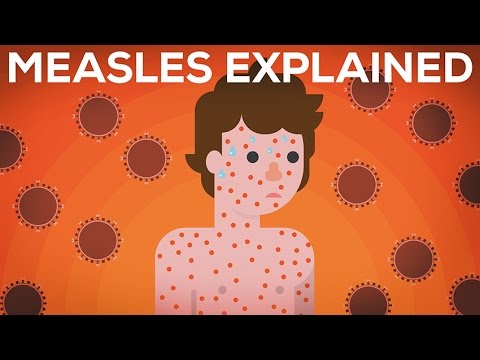
Measles Explained — Vaccinate or Not?
0
mommy posted on 2015/08/24Ever wondered how measles really works and why it's so contagious? This video dives deep into the immune system's battle against the virus, explaining its sneaky tactics and the risks involved, like pneumonia. You'll pick up some seriously useful advanced vocabulary while learning about this important global health topic!
Learn this video on the APP!
The VoiceTube App has more in-depth practice for videos!