
adorable
US /əˈdɔrəbəl,əˈdor-/
UK /əˈdɔ:rəbl/
- Adjective
- Lovable or appealing, e.g. like a cute child
B2Moreanatomy
US /əˈnætəmi/
UK /əˈnætəmi/
- Uncountable Noun
- Scientific study of the structure of (human) body
B2Moreat the same time
US
UK
- Phrase
- Simultaneously; at the identical moment.
- Nevertheless; however; used to introduce a contrasting or qualifying statement.
A1Morebias
US /ˈbaɪəs/
UK /'baɪəs/
- Noun (Countable/Uncountable)
- Preference to believe things even if incorrect
- A systematic error in a statistical result
- Transitive Verb
- To unfairly favor one view over another
- To cause someone to have prejudice
B1TOEICMorebiologically
US
UK
- Adverb
- As regards life and living things
B1Morebond
US /bɑnd/
UK /bɒnd/
- Noun (Countable/Uncountable)
- Rope, chain or other thing used to tie someone up
- Closeness that is shared between people or groups
- Verb (Transitive/Intransitive)
- To develop a close relationship with
- To become joined or connected, e.g. using glue
A2TOEICMorebroccoli
US /ˈbrɑkəli/
UK /'brɒkəlɪ/
- Noun (Countable/Uncountable)
- Vegetable with thick branches and green flowers
- The plant that produces broccoli.
B2Morecoaster
US /ˈkoʊstə(r)/
UK /ˈkəʊstə(r)/
- Noun (Countable/Uncountable)
- Mat placed under a glass to protect furniture
- A sled or small vehicle without motor for coasting downhill.
C1Morecomfort
US /ˈkʌmfət/
UK /'kʌmfət/
- Transitive Verb
- To try to make distressed person feel better
- Uncountable Noun
- Acts or words that reduce pain or sadness
- State of being relaxed, warm or happy
A2Moredetermine
US /dɪˈtɚmɪn/
UK /dɪ'tɜ:mɪn/
- Transitive Verb
- To control exactly how something will be or act
- To establish the facts about; discover
A2TOEICMoredisgust
US /dɪsˈɡʌst/
UK /dɪs'ɡʌst/
- Uncountable Noun
- Strong feeling of dislike for something
- Something that causes a feeling of revulsion or strong disapproval.
- Transitive Verb
- To cause a strong negative reaction or feeling
B2Moreemotional
US /ɪˈmoʃənəl/
UK /ɪˈməʊʃənl/
- Adjective
- Causing, feeling, or appealing to the emotions
- Relating to or characterized by emotion
A2Moreepisode
US /ˈɛpɪˌsod/
UK /'epɪsəʊd/
- Noun
- One separate event in a series of events
- Show which is part of a larger story
B1TOEICMoreevolution
US /ˌɛvəˈluʃən, ˌivə-/
UK /ˌi:və'lu:ʃn/
- Uncountable Noun
- Theory that living things change over time
- Process by which something develops over time
B1Moreexpression
US /ɪkˈsprɛʃən/
UK /ɪk'spreʃn/
- Noun (Countable/Uncountable)
- Act of making your thoughts and feelings known
- Group of words that have a specific meaning
A2TOEICMorefor example
US
UK
- Phrase
- As an illustration or instance.
going on
US /ˈɡoɪŋ ɑn/
UK /ˈgəʊɪŋ ɔn/
- Phrasal Verb
- To continue doing something
- To happen (usually negative)
A1Morein turn
US
UK
- Adverb
- One after the other in a sequence or rotation.
A1Moreindividual
US /ˌɪndəˈvɪdʒuəl/
UK /ˌɪndɪˈvɪdʒuəl/
- Countable Noun
- Single person, looked at separately from others
- A single thing or item, especially when part of a set or group.
- Adjective
- Made for use by one single person
- Having a distinct manner different from others
A2Moreinspire
US /ɪnˈspaɪr/
UK /ɪn'spaɪə(r)/
- Transitive Verb
- To give someone an idea to do or make something
- To make someone feel a certain emotion
- Intransitive Verb
- To breathe in
- To draw (air, etc.) into the lungs.
B1TOEICMorelead to
US /lid tu/
UK /li:d tu:/
- Phrasal Verb
- To result in some action
- Verb (Transitive/Intransitive)
- To have something as a consequence or result.
A1Morelook at
US /lʊk æt/
UK /luk æt/
- Phrasal Verb
- To use your eyes to focus on something
- To focus your eyes on something carefully
A1Moremelancholy
US /ˈmɛlənˌkɑli/
UK /ˈmelənkəli/
- Adjective
- Having a sad mood or feeling
- Uncountable Noun
- sadness that lasts for a long period of time, often without any obvious reason
B2Moremental
US /ˈmɛntl/
UK /ˈmentl/
- Adjective
- Concerning the mind
A2TOEICMoremidwest
US
UK
- Adjective
- North central region of the United States
B1Morenegative
US /ˈnɛɡətɪv/
UK /'neɡətɪv/
- Noun
- The opposite to a positive electrical charge
- In grammar, containing words such as 'no' or 'not'
- Adjective
- Being harmful, unwanted or unhelpful
- In mathematics, being less than zero
A2Moreodd
US /ɑd/
UK /ɒd/
- Adjective
- Being unmatched with someone or something
- Being a number not able to be divided by two
A2Morepositive
US /ˈpɑzɪtɪv/
UK /ˈpɒzətɪv/
- Adjective
- Showing agreement or support for something
- Being sure about something; knowing the truth
- Noun
- A photograph in which light areas are light and dark areas are dark
A2Morepredator
US /ˈprɛdətɚ, -ˌtɔr/
UK /'predətə(r)/
- Countable Noun
- An animal that hunts and kills other animals
- Person preying on the weak to gain advantage
B1Morepsychologist
US /saɪˈkɑlədʒɪst/
UK /saɪˈkɒlədʒɪst/
- Noun (Countable/Uncountable)
- An expert who studies the mind and behavior
- A therapist specializing in mental health.
C2Morerational
US /ˈræʃənəl/
UK /'ræʃnəl/
- Adjective
- Able to think clearly
- A real number that can be written as a ratio of two integers.
- Noun
- A rational person.
A2TOEICMorereinforce
US /ˌri:ɪnˈfɔ:rs/
UK /ˌri:ɪnˈfɔ:s/
- Transitive Verb
- To send more troops/resources to support an army
- To encourage or strengthen an idea or feeling
B2TOEICMoreresearch
US /rɪˈsɚtʃ, ˈriˌsɚtʃ/
UK /rɪ'sɜ:tʃ/
- Verb (Transitive/Intransitive)
- To study in order to discover new ideas and facts
- To study the market relating to marketing products and services.
- Noun (Countable/Uncountable)
- Study done to discover new ideas and facts
- A particular area or topic of study.
A2TOEICMoresame time
US
UK
- Phrase
- Occurring simultaneously or at the same point in time.
- At the identical time as before; recurring at a fixed hour.
- Noun
- An equal duration or period.
A1Moreskip
US /skɪp/
UK /skɪp/
- Countable Noun
- Very large waste disposal bin
- Intransitive Verb
- To move forward by taking fast steps and jumps
- To move rapidly, from one topic to another
B2Moresorrow
US /ˈsɑro, ˈsɔro/
UK /'sɒrəʊ/
- Uncountable Noun
- Deep sadness caused by a loss
- Intransitive Verb
- To experience deep sadness
B1Morestress
US / strɛs/
UK /stres/
- Transitive Verb
- To emphasize one or more parts of a word, sentence
- To put pressure on something or someone
- Noun (Countable/Uncountable)
- Emphasis on part of a word or sentence
- Pressure on something or someone
A2TOEICMoresuppress
US /səˈprɛs/
UK /səˈpres/
- Transitive Verb
- To prevent the display of emotion or feeling
- To use force to prevent something happening
B1TOEICMoretend
US /tɛnd/
UK /tend/
- Intransitive Verb
- To move or act in a certain manner
- Transitive Verb
- To take care of
A2Moretough
US /tʌf/
UK /tʌf/
- Adjective
- (Of food) difficult to chew or bite through
- Very difficult to do or deal with
- Noun
- A rough and aggressive person.
A2Moretrigger
US /ˈtrɪɡɚ/
UK /'trɪɡə(r)/
- Noun
- Lever on a gun that you pull to fire
- Device that starts a process
- Transitive Verb
- To start a process off e.g. a memory
- To cause something to begin or happen.
B1Moreunpleasant
US /ʌnˈplɛzənt/
UK /ʌnˈpleznt/
- Adjective
- Causing a bad feeling in people
- Disagreeable or offensive in behavior or manner.
B1Moreup close and personal
US /ʌp kloʊs ənd ˈpɜrsənəl/
UK /ʌp kləuz ənd ˈpɜ:snəl/
- other
- Very near or intimately, often in detail or physically close.
B2More
Vocabulary
- going on: To continue doing something
- look at: To use your eyes to focus on something
- up close and personal: Very near or intimately, often in detail or physically close.
- in turn: One after the other in a sequence or rotation.
- for example: As an illustration or instance.
- lead to: To result in some action
- at the same time: Simultaneously; at the identical moment.
- same time: Occurring simultaneously or at the same point in time.
- episode: One separate event in a series of events
- individual: Single person, looked at separately from others
- mental: Concerning the mind
- tough: (Of food) difficult to chew or bite through
- trigger: Lever on a gun that you pull to fire
- expression: Act of making your thoughts and feelings known
- adorable: Lovable or appealing, e.g. like a cute child
- determine: To control exactly how something will be or act
- experience: Thing a person has done or that happened to them
- positive: Showing agreement or support for something
- negative: The opposite to a positive electrical charge
- tend: To move or act in a certain manner
- bias: Preference to believe things even if incorrect
- reinforce: To send more troops/resources to support an army
- fear: Unpleasant feeling caused by being aware of danger
- melancholy: Having a sad mood or feeling
- describe: To tell the appearance, sound, smell of something
- emotional: Causing, feeling, or appealing to the emotions
- stress: To emphasize one or more parts of a word, sentence
- research: To study in order to discover new ideas and facts
- rational: Able to think clearly
- psychologist: An expert who studies the mind and behavior
- odd: Being unmatched with someone or something
- bond: Rope, chain or other thing used to tie someone up
- predator: An animal that hunts and kills other animals
- similar: Nearly the same; alike
- inspire: To give someone an idea to do or make something
- comfort: To try to make distressed person feel better
- suppress: To prevent the display of emotion or feeling
- value: Importance you attach to something
- evolution: Theory that living things change over time
- reason: To think and make conclusions in a logical manner
- lead: Wire for electricity, computer, etc.; cable
- anatomy: Scientific study of the structure of (human) body
- suggest: To mention something that could be done; propose
- broccoli: Vegetable with thick branches and green flowers
- sorrow: Deep sadness caused by a loss
- offer: Price you say you are willing to pay for something
- act: To behave in a certain way
- unpleasant: Causing a bad feeling in people
- argue: To fight or disagree over something
- basic: At the most important or easiest (beginner) level
- drive: A person's ambition and motivation to do something
- disgust: Strong feeling of dislike for something
- understand: To know the meaning of language, what someone says
- think: To have an idea about something without certainty
- skip: Very large waste disposal bin
- coaster: Mat placed under a glass to protect furniture
- biologically: As regards life and living things
- midwest: North central region of the United States
Get the full experience in the app
Learn anywhere with detailed sentence and usage analysis
01:03
She took a brave step forward, leaving behind her comfort zone to chase her dreams.
Vocabulary
- brave
adj. Having courage
- comfort zone
phr. A familiar situation where one feels safe
Explanation
a brave step is a noun phrase, where brave is an adjective modifying the noun step, meaning "a courageous step".
forward is an adverb modifying step, meaning "ahead".
The whole phrase serves as the object, answering the "what" of took (verb) — she took a brave step forward.
Get the full experience in the app
Look up words anytime with pronunciation, part of speech, and usage
brave
US/brev/
UK/breɪv/
adj.Brave
v.t.To bravely face
A2 Elementary
Get the full experience in the app
Practice speaking anytime and get instant pronunciation feedback
Try this speaking exercise.
Try practicing with this sentence.
80
0
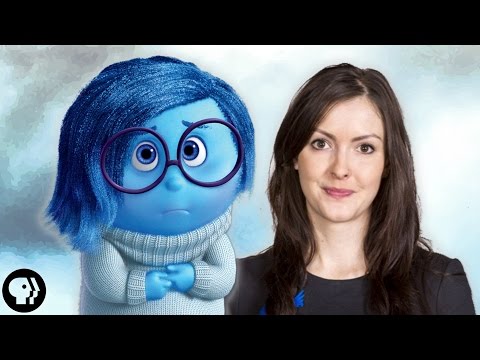
Rose posted on 2022/08/12Ever wondered why sadness is so important? This video dives into the science behind basic emotions using the beloved film Inside Out, and you'll pick up some advanced vocabulary and cultural insights along the way! It's a fantastic chance to boost your understanding of emotion regulation and expression.
Learn this video on the APP!
The VoiceTube App has more in-depth practice for videos!