
ability
US /əˈbɪlɪti/
UK /ə'bɪlətɪ/
- Noun (Countable/Uncountable)
- The power, resources or skill to do something
- A particular skill or talent.
A2TOEICMoreabsorb
US /əbˈsɔrb, -ˈzɔrb/
UK /əb'sɔ:b/
- Transitive Verb
- To take up all attention / energy of something
- To take in a liquid; soak up
B1TOEICMoreacne
US /ˈækni/
UK /ˈækni/
- Uncountable Noun
- Red spots or pimples on your face
B2Moreadapt
US /əˈdæpt/
UK /ə'dæpt/
- Transitive Verb
- To change something for a different function
- To change something to fit or suit a new purpose
- Intransitive Verb
- To change your behaviour so that it is easier to live in a new place or situation
B1TOEICMoreadopt
US /əˈdɑ:pt/
UK /əˈdɒpt/
- Transitive Verb
- To legally take a child into your family
- To take on responsibility for something
A2TOEICMoreadult
US / əˈdʌlt, ˈædʌlt/
UK /ˈædʌlt/
- Noun (Countable/Uncountable)
- Person or animal that is fully grown
- A fully grown animal.
- Adjective
- Being fully grown; mature; no longer a teenager
- Containing sexually explicit material.
A2TOEICMoreaffect
US /əˈfɛkt/
UK /ə'fekt/
- Transitive Verb
- To cause a change in something else
- To pretend to have or feel (something).
- Noun
- (Psychology) Emotion or feeling.
A2TOEICMoreancient
US /ˈenʃənt/
UK /'eɪnʃənt/
- Adjective
- Very old; having lived a very long time ago
- Relating to a period in history, especially in the distant past.
- Noun
- A person who lived in ancient times.
A2Moreasthma
US /ˈæzmə, ˈæs-/
UK /ˈæsmə/
- Uncountable Noun
- Lung illness causing difficulty in breathing
B2Moreaudible
US /ˈɔdəbəl/
UK /ˈɔ:dəbl/
- Adjective
- Capable of being heard; loud enough to be heard
B2Morebiological
US /ˌbaɪəˈlɑdʒɪkəl/
UK /ˌbaɪəˈlɒdʒɪkl/
- Adjective
- Being related to life and living things
- A substance, such as a detergent, that contains enzymes.
B1Moreblink
US /blɪŋk/
UK /blɪŋk/
- Verb (Transitive/Intransitive)
- To close and open one or both of the eyes rapidly
- To shine with a flickering light.
- Noun
- A quick shutting and opening of the eye.
- A brief flash of light.
B1Morecalcium
US /ˈkælsiəm/
UK /'kælsɪəm/
- Uncountable Noun
- A substance important for making bones and teeth
- A substance containing calcium, taken to improve health.
C2Morecancer
US /ˈkænsɚ/
UK /'kænsə(r)/
- Noun
- Any growth caused by abnormal cell division
B1Moreconsume
US /kənˈsum/
UK /kən'sju:m/
- Transitive Verb
- To eat, drink, buy or use up something
- To take all your energy; focus the attention
A2TOEICMoreconsumption
US /kənˈsʌmpʃən/
UK /kənˈsʌmpʃn/
- Noun (Countable/Uncountable)
- The act of buying and using products
- The act of using energy, food or materials; the amount used
B1Morecontroversial
US /ˌkɑntrəˈvɚʃəl, -siəl/
UK /ˌkɔntrəˈvə:ʃəl/
- Adjective
- Causing a great deal of argument, or conflict
B1Morecorrelation
US /ˌkɔrəˈleʃən, ˌkɑr-/
UK /ˌkɒrəˈleɪʃn/
- Noun (Countable/Uncountable)
- The relationship between two variables
- A statistical measure that expresses the extent to which two variables are linearly related (meaning they change together at a constant rate).
B1Moredairy
US /ˈderi/
UK /ˈdeəri/
- Adjective
- Concerning or made from milk
- Noun (Countable/Uncountable)
- Building for storing milk or making cheese/butter
B2Moredecrease
US /dɪˈkris/
UK /dɪˈkri:s/
- Verb (Transitive/Intransitive)
- To reduce the size, amount or number of something
- Uncountable Noun
- Amount by which something has been reduced
B1TOEICMoredefense
US /dɪˈfɛns/
UK /dɪ'fens/
- Noun (Countable/Uncountable)
- Argument in support of something
- The process of protecting something from attack
B1TOEICMoredevice
US /dɪˈvaɪs/
UK /dɪˈvaɪs/
- Noun (Countable/Uncountable)
- Object, machine, or equipment for a specific use
- Method of doing something; a way
A2TOEICMorediabetes
US /ˌdaɪəˈbitɪs, -tiz/
UK /ˌdaɪəˈbi:ti:z/
- Noun (Countable/Uncountable)
- Illness where there is too much sugar in the blood
- A form of diabetes, usually diagnosed in children and young adults, in which the body does not produce insulin.
B2Moredietary
US /ˈdaɪɪˌtɛri/
UK /'daɪətərɪ/
- Adjective
- Concerning the food one consumes
A2Moredigest
US /daɪˈdʒest/
UK /daɪˈdʒest/
- Verb (Transitive/Intransitive)
- To convert food into energy in your stomach
- To think over facts, news etc.; take in information
- Noun
- A summary, as of the news
B2Moredigestive
US /daɪˈdʒɛstɪv, dɪ-/
UK /daɪˈdʒestɪv/
- Adjective
- Concerning processes of converting food to energy
B2Moredisaster
US /dɪˈzæstɚ, -ˈsæs-/
UK /dɪ'zɑ:stə(r)/
- Noun (Countable/Uncountable)
- State of extreme ruin and misfortune
- A complete failure.
- Uncountable Noun
- A situation that has gone terribly wrong.
A2Moredistress
US /dɪˈstrɛs/
UK /dɪ'stres/
- Uncountable Noun
- State of great sadness, anxiety or pain
- Condition of danger or emergency
- Transitive Verb
- To cause someone anxiety or sadness
- To be in financial trouble
B1Moredownloadable
US
UK
- Adjective
- That can be transferred, usually from the internet
C2Moredue to
US /du tu/
UK /dju: tu:/
- Preposition
- Because of; owing to
- Adjective
- Attributable to; caused by.
A1Moredump
US /dʌmp/
UK /dʌmp/
- Transitive Verb
- To end a romantic relationship
- To put something somewhere without care
- Noun
- A place where waste or garbage is left.
- A copy of data from one part of a computer system to another.
B1Moreenzyme
US /ˈɛnzaɪm/
UK /ˈenzaɪm/
- Noun
- A protein made by cells
B2TOEICMoreevolve
US /ɪˈvɑlv/
UK /ɪ'vɒlv/
- Verb (Transitive/Intransitive)
- To develop certain features
- To develop or change slowly over time
B1Morefamine
US /ˈfæmɪn/
UK /ˈfæmɪn/
- Noun (Countable/Uncountable)
- Long-lasting period of little food in an area
- A drastic food shortage in a large area or country.
B2Moreferment
US / fɚˈmɛnt/
UK /'fɜ:ment/
- Intransitive Verb
- To go through a chemical change to make alcohol
B2TOEICMorefermentation
US /ˌfə:mənˈteʃən, -mɛn-/
UK /ˌfɜ:men'teɪʃn/
- Uncountable Noun
- Chemical change that produces alcohol in a liquid
B2Morefiction
US /ˈfɪkʃən/
UK /ˈfɪkʃn/
- Uncountable Noun
- Made-up stories; imagined events
- False statement or account about something
B1Morefreak
US /friːk/
UK /friːk/
- Adjective
- (Of weather, etc.) unusual; unpredictable; amazing
- Noun
- A person, animal, or event that is physically abnormal, very unusual, or unlike others.
- A person with an unusual appearance or behaviour.
B2Morefreak out
US /frik aʊt/
UK /fri:k aut/
- Phrasal Verb
- To react or behave in a wild or irrational way
- To become very anxious, upset, or afraid; to panic.
- Intransitive Verb
- To experience or display extreme emotions, such as fear or panic.
- To have a very disturbing and frightening experience caused by taking drugs.
B2Moregain
US /ɡen/
UK /ɡeɪn/
- Verb (Transitive/Intransitive)
- To increase in something, such as weight
- To get something wanted, needed or valued
- Noun (Countable/Uncountable)
- An increase in something, such as weight
A2TOEICMoregather
US /ˈɡæðɚ/
UK /ˈgæðə(r)/
- Transitive Verb
- To bring objects together into one place
- To collect foods such as wild berries or crops
- Noun
- Fold in cloth, as in a full skirt
A2TOEICMorehave to
US /hæv tu/
UK /ˈhæv tə/
- Auxiliary Verb
- Must do
A1Morein general
US /ɪn ˈdʒɛnərəl/
UK /in ˈdʒenərəl/
- Phrase
- Typically; usually; on the whole.
- Not specific or detailed; broadly.
- Adjective
- Not detailed or specific; overall.
C2Morein the first place
US
UK
- Phrase
- To begin with; as the first point or consideration.
- From the beginning; initially.
A1Morein the world
US /ɪn ði wɜrld/
UK /in ðə wɜː(r)ld/
- Phrase
- Used to emphasize a question expressing surprise, confusion, disbelief
- Used to indicate the extent or degree of something, often in a superlative sense
A1Moreinflammation
US /ˌɪnfləˈmeʃən/
UK /ˌɪnfləˈmeɪʃn/
- Noun (Countable/Uncountable)
- Painful swelling in the body due to illness
- A condition in which a part of the body becomes reddened, swollen, hot, and often painful, especially as a reaction to injury or infection.
B2Morelook at
US /lʊk æt/
UK /luk æt/
- Phrasal Verb
- To use your eyes to focus on something
- To focus your eyes on something carefully
A1Moreon average
US /ɑn ˈævərɪdʒ/
UK /ɔn ˈævəridʒ/
- Phrase
- Typically; usually; based on an average calculation.
B1Moreoxidative
US /'ɒksɪdeɪtɪv/
UK /'ɒksɪdeɪtɪv/
- Adjective
- Taking place in the presence of oxygen
C2Morepersistence
US /pərˈsɪstəns/
UK /pəˈsɪstəns/
- Uncountable Noun
- Determination to keep doing even if it is hard
- The fact of continuing to exist for a long time.
C1TOEICMoreplanet
US /ˈplænɪt/
UK /'plænɪt/
- Noun (Countable/Uncountable)
- One of the bodies that orbit the sun
- A different world or sphere of existence.
- Proper Noun
- The earth.
A2Moresay cheese
US /seɪ ˈtʃiz/
UK /sei ˈtʃi:z/
- other
- To say 'cheese' to smile for a photograph.
A2Morescience
US /ˈsaɪəns/
UK /'saɪəns/
- Uncountable Noun
- Study of the physical world, based on facts
A2TOEICMoreshove
US /ʃʌv/
UK /ʃʌv/
- Transitive Verb
- To roughly push someone or something away
- Noun
- Rough push on something or someone
B2Morestress
US / strɛs/
UK /stres/
- Transitive Verb
- To emphasize one or more parts of a word, sentence
- To put pressure on something or someone
- Noun (Countable/Uncountable)
- Emphasis on part of a word or sentence
- Pressure on something or someone
A2TOEICMorestuff
US /stʌf/
UK /stʌf/
- Uncountable Noun
- Generic description for things, materials, objects
- Transitive Verb
- To push material inside something, with force
B1Moresubstitute
US /ˈsʌbstɪˌtut, -ˌtjut/
UK /'sʌbstɪtju:t/
- Transitive Verb
- To perform the tasks instead of someone else
- To replace one person or thing for another
- Noun
- A person or thing acting in place of another
B2TOEICMorethanks to
US /θæŋks tu/
UK /θæŋks tu:/
- Preposition
- Because of; as a result of.
A1Morethink about
US /θɪŋk əˈbaʊt/
UK /θiŋk əˈbaut/
- Phrasal Verb
- To consider something carefully.
- To remember or call to mind.
A1Moretrial
US /ˈtraɪəl, traɪl/
UK /ˈtraɪəl/
- Noun (Countable/Uncountable)
- Hearing and judgment of a case in court
- Act or process of testing or experimenting
- Transitive Verb
- To be made or done as a test or experiment
A2TOEICMore
Vocabulary
- look at: To use your eyes to focus on something
- on average: Typically; usually; based on an average calculation.
- thanks to: Because of; as a result of.
- freak out: To react or behave in a wild or irrational way
- in the first place: To begin with; as the first point or consideration.
- in the world: Used to emphasize a question expressing surprise, confusion, disbelief
- say cheese: To say 'cheese' to smile for a photograph.
- due to: Because of; owing to
- think about: To consider something carefully.
- in general: Typically; usually; on the whole.
- have to: Must do
- stuff: Generic description for things, materials, objects
- controversial: Causing a great deal of argument, or conflict
- diabetes: Illness where there is too much sugar in the blood
- ancient: Very old; having lived a very long time ago
- evolve: To develop certain features
- consume: To eat, drink, buy or use up something
- consumption: The act of buying and using products
- stress: To emphasize one or more parts of a word, sentence
- inflammation: Painful swelling in the body due to illness
- trial: Hearing and judgment of a case in court
- freak: (Of weather, etc.) unusual; unpredictable; amazing
- ability: The power, resources or skill to do something
- increase: To make or become larger in size or amount
- correlation: The relationship between two variables
- distress: State of great sadness, anxiety or pain
- dump: To end a romantic relationship
- absorb: To take up all attention / energy of something
- substitute: To perform the tasks instead of someone else
- affect: To cause a change in something else
- famine: Long-lasting period of little food in an area
- disaster: State of extreme ruin and misfortune
- adapt: To change something for a different function
- digestive: Concerning processes of converting food to energy
- adopt: To legally take a child into your family
- digest: To convert food into energy in your stomach
- dairy: Concerning or made from milk
- planet: One of the bodies that orbit the sun
- reason: To think and make conclusions in a logical manner
- fiction: Made-up stories; imagined events
- due: When something is required or expected
- calcium: A substance important for making bones and teeth
- device: Object, machine, or equipment for a specific use
- ferment: To go through a chemical change to make alcohol
- gain: To increase in something, such as weight
- asthma: Lung illness causing difficulty in breathing
- digital: Using electronic signals or computers
- acne: Red spots or pimples on your face
- enzyme: A protein made by cells
- biological: Being related to life and living things
- defense: Argument in support of something
- fermentation: Chemical change that produces alcohol in a liquid
- persistence: Determination to keep doing even if it is hard
- science: Study of the physical world, based on facts
- decrease: To reduce the size, amount or number of something
- gather: To bring objects together into one place
- dietary: Concerning the food one consumes
- adult: Person or animal that is fully grown
- audible: Capable of being heard; loud enough to be heard
- shove: To roughly push someone or something away
- blink: To close and open one or both of the eyes rapidly
- rise: To wake up and get out of bed after sleeping
- drive: A person's ambition and motivation to do something
- lactose: Sugar comprising one glucose molecule linked to a galactose molecule; occurs only in milk
- pick: Sharp tool used for breaking the ground
- healthy: In good condition physically, or financially; well
- university: High-level educational institution; college
- cancer: Any growth caused by abnormal cell division
- keep: Large, strong tower in the middle of a castle
- people: Persons sharing culture, country, background, etc.
- bone: Hard piece of your body that holds your muscles
- health: (Person, company) being in a good condition; well
- study: To focus on learning something usually at school
- oxidative: Taking place in the presence of oxygen
- downloadable: That can be transferred, usually from the internet
Get the full experience in the app
Learn anywhere with detailed sentence and usage analysis
01:03
She took a brave step forward, leaving behind her comfort zone to chase her dreams.
Vocabulary
- brave
adj. Having courage
- comfort zone
phr. A familiar situation where one feels safe
Explanation
a brave step is a noun phrase, where brave is an adjective modifying the noun step, meaning "a courageous step".
forward is an adverb modifying step, meaning "ahead".
The whole phrase serves as the object, answering the "what" of took (verb) — she took a brave step forward.
Get the full experience in the app
Look up words anytime with pronunciation, part of speech, and usage
brave
US/brev/
UK/breɪv/
adj.Brave
v.t.To bravely face
A2 Elementary
Get the full experience in the app
Practice speaking anytime and get instant pronunciation feedback
Try this speaking exercise.
Try practicing with this sentence.
80
0
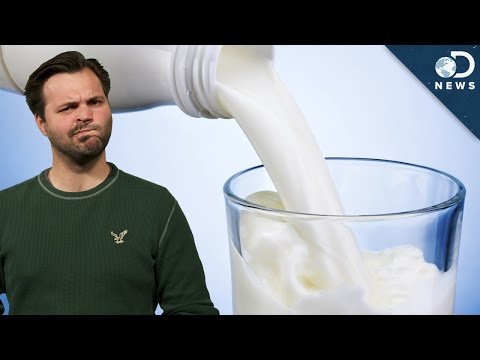
Jack posted on 2025/07/09Ever wondered if milk is really as healthy as we're told? This video dives into surprising research on milk risks and mortality, plus the science behind why some people can digest dairy better than others. You'll pick up some advanced vocabulary related to health and nutrition while learning fascinating facts about our food!
Learn this video on the APP!
The VoiceTube App has more in-depth practice for videos!