
at a time
US /æt e taɪm/
UK /æt ə taim/
- Phrase
- Separately; one by one
- Simultaneously; together
A1Moreat least
US /æt list/
UK /æt li:st/
- Adverb
- As a minimum
- Not less than
- Phrase
- No less than; at the minimum
- Used to indicate that something is positive in a bad situation.
C2Moreat once
US /æt wʌns/
UK /æt wʌns/
- Adverb
- Immediately; without delay
- At the same time; simultaneously
A2Morebreak it to
US
UK
- Phrasal Verb
- To tell someone bad news.
A2Moreconscious
US /ˈkɑnʃəs/
UK /ˈkɒnʃəs/
- Adjective
- Aware of what is going on around you
- Intentionally done; deliberate.
A2Moreconstruct
US /kənˈstrʌkt/
UK /kənˈstrʌkt/
- Transitive Verb
- To build or create something
- To create a sentence, story, argument or theory
- Noun
- A thought, theory or hypothesis
A2Morecut out
US /kʌt aʊt/
UK /kʌt aut/
- Phrasal Verb
- To leave out of something, e.g. a social event
- To cut something from, e.g. a picture from a book
- Verb (Transitive/Intransitive)
- To stop doing or using something.
- To be naturally suited or fitted for something.
A1Moredeal with
US /dil wɪð/
UK /di:l wið/
- Verb (Transitive/Intransitive)
- To buy or sell goods or services.
- Phrasal Verb
- To take action to solve a problem or manage a situation.
- To be about; concern.
A1Moredown the track
US /daʊn ðə ˈtræk/
UK /daun ðə ˈtræk/
- other
- At some point in the future.
B2Moreevolution
US /ˌɛvəˈluʃən, ˌivə-/
UK /ˌi:və'lu:ʃn/
- Uncountable Noun
- Theory that living things change over time
- Process by which something develops over time
B1Morefalse
US /fɔ:ls/
UK /fɔ:ls/
- Adjective
- Not real or genuine
- Not true or correct; containing incorrect information.
- Adverb
- In an untrue or inaccurate way.
A2TOEICMorefitness
US /ˈfɪtnɪs/
UK /ˈfɪtnəs/
- Uncountable Noun
- Good physical condition; being in shape
B1Morefor example
US
UK
- Phrase
- As an illustration or instance.
for instance
US /fɔr ˈɪnstəns/
UK /fɔ: ˈinstəns/
- Adverb
- As an example.
- Phrase
- As an example.
- As an illustration or case in point
B1Morehave to
US /hæv tu/
UK /ˈhæv tə/
- Auxiliary Verb
- Must do
A1Moreicon
US /ˈaɪˌkɑn/
UK /'aɪkɒn/
- Noun (Countable/Uncountable)
- Small image on a computer screen
- Person widely recognized as a symbol of something
B1Morein fact
US /ɪn fækt/
UK /in fækt/
- Adverb
- Used to emphasize the truth of a statement, especially one that contrasts with or contradicts something else.
- Used to introduce a more detailed or surprising piece of information.
- Phrase
- Used to emphasize the truth of a statement, especially one that is surprising or contrary to what might be expected.
C1Morein reality
US /ɪn riˈælɪti/
UK /in riˈæliti/
- Phrase
- Actually; in fact; truly.
B2Morein the moment
US
UK
- Phrase
- At the present time; now.
- Spontaneously; without prior planning or consideration.
A1Morein the world
US /ɪn ði wɜrld/
UK /in ðə wɜː(r)ld/
- Phrase
- Used to emphasize a question expressing surprise, confusion, disbelief
- Used to indicate the extent or degree of something, often in a superlative sense
A1Morejump off
US
UK
- Phrasal Verb
- To leave a path or designated area.
- To begin or start something, often a project or activity.
A2Moreknow about
US /noʊ əˈbaʊt/
UK /nəʊ əˈbaut/
- Phrasal Verb
- To have information or understanding of a subject or situation.
logic
US /ˈlɑ:dʒɪk/
UK /ˈlɒdʒɪk/
- Uncountable Noun
- Proper, valid sensible reasoning
- Scientific study of reasoning
A2Morelook at
US /lʊk æt/
UK /luk æt/
- Phrasal Verb
- To use your eyes to focus on something
- To focus your eyes on something carefully
A1Moremystery
US /ˈmɪstəri/
UK /ˈmɪstri/
- Noun (Countable/Uncountable)
- Quality of being strange and not understood
- Book, play, or film about solving a strange crime
A2Moreof course
US /ʌv kɔː(r)s/
UK /ɔv kɔː(r)s/
- Adverb
- Sure ; Certainly
- Phrase
- For sure; certainly
A2Moreon the back of
US /ɑn ðə bæk əv/
UK /ɒn ðə bæk əv/
- other
- As a result of or following something.
B2Morepass on
US
UK
- Phrasal Verb
- A polite way of saying 'to die'
A1Moreperception
US /pɚˈsɛpʃən/
UK /pəˈsepʃn/
- Noun (Countable/Uncountable)
- Way in which one sees or understands something
- The ability to see, hear, or become aware of something through the senses.
B1Moreperceptions of
US
UK
- Phrase
- Ideas, beliefs, or images you have as a result of how you see or understand something.
C2Morephysical objects
US
UK
- Noun (plural)
- Tangible items that can be touched or seen; material things.
pick it up
US
UK
- Phrasal Verb
- To lift something from a surface.
- To collect something or someone.
A2Morepop out
US /pɑp aʊt/
UK /pɔp aut/
- Phrasal Verb
- To go out somewhere quickly and briefly.
- To appear or emerge suddenly and unexpectedly.
A2Morereality
US /riˈælɪti/
UK /rɪ'ælətɪ/
- Noun (Countable/Uncountable)
- What is true, as opposed to what is imagined
- The state of things as they actually exist, rather than as they may appear or might be imagined.
A2Morerely on
US /rɪˈlaɪ ɑn/
UK /riˈlai ɔn/
- Phrasal Verb
- To depend on someone or something
A2Morescience
US /ˈsaɪəns/
UK /'saɪəns/
- Uncountable Noun
- Study of the physical world, based on facts
A2TOEICMoresuch as
US /sʌtʃ æz/
UK /sʌtʃ æz/
- Preposition
- For example; like
A1Morethe bottom line
US /ði ˈbɑtəm laɪn/
UK /ðə ˈbɔtəm lain/
- Noun
- The most important thing; the essential point.
- The net income or profit of a company.
A2Moretheory
US /ˈθiəri, ˈθɪri/
UK /ˈθiəri/
- Noun (Countable/Uncountable)
- Ideas or principles that explain facts or events
- An idea or belief about something
A2TOEICMorethink about
US /θɪŋk əˈbaʊt/
UK /θiŋk əˈbaut/
- Phrasal Verb
- To consider something carefully.
- To remember or call to mind.
A1Morethink of
US /θɪŋk ʌv/
UK /θiŋk ɔv/
- Phrasal Verb
- To look on as (being something specific); consider
- To consider or remember something.
- Verb (Transitive/Intransitive)
- To imagine or call something to mind
A1Moreto let
US /tu lɛt/
UK /tu let/
- Preposition
- Indicates that a property is available for rent.
A2Moreto some extent
US /tu sʌm ɪkˈstɛnt/
UK /tu: sʌm iksˈtent/
- Phrase
- Partially; not completely.
A1Moretuned to
US
UK
- Phrasal Verb
- To adjust a radio receiver to the frequency of a particular station.
- To adjust or adapt to something.
A2Moreturned out
US
UK
- Phrasal Verb
- To arrive for a public event or entertainment
- To happen to be in the end
- Transitive Verb
- To extinguish or switch off lights.
A1Moreused to
US /juzd tu/
UK /ˈju:st tə/
- Adjective
- Did regularly before, but don't do now
- Auxiliary Verb
- Have done before, but do not do now
A1More
Vocabulary
- physical objects: Tangible items that can be touched or seen; material things.
- have to: Must do
- in fact: Used to emphasize the truth of a statement, especially one that contrasts with or contradicts something else.
- of course: Sure ; Certainly
- in reality: Actually; in fact; truly.
- used to: Did regularly before, but don't do now
- think about: To consider something carefully.
- look at: To use your eyes to focus on something
- to let: Indicates that a property is available for rent.
- at least: As a minimum
- such as: For example; like
- think of: To look on as (being something specific); consider
- on the back of: As a result of or following something.
- at once: Immediately; without delay
- in the moment: At the present time; now.
- cut out: To leave out of something, e.g. a social event
- pop out: To go out somewhere quickly and briefly.
- pass on: A polite way of saying 'to die'
- for example: As an illustration or instance.
- rely on: To depend on someone or something
- break it to: To tell someone bad news.
- tuned to: To adjust a radio receiver to the frequency of a particular station.
- the bottom line: The most important thing; the essential point.
- perceptions of: Ideas, beliefs, or images you have as a result of how you see or understand something.
- know about: To have information or understanding of a subject or situation.
- deal with
- down the track: At some point in the future.
- pick it up: To lift something from a surface.
- jump off: To leave a path or designated area.
- in the world: Used to emphasize a question expressing surprise, confusion, disbelief
- for instance: As an example.
- to some extent: Partially; not completely.
- turned out: To arrive for a public event or entertainment
- at a time: Separately; one by one
- brain: To strike someone forcefully on the head
- conscious: Aware of what is going on around you
- reality: What is true, as opposed to what is imagined
- perception: Way in which one sees or understands something
- theory: Ideas or principles that explain facts or events
- science: Study of the physical world, based on facts
- evolution: Theory that living things change over time
- mystery: Quality of being strange and not understood
- nature: Person's character or particular way of behaving
- false: Not real or genuine
- train: Line of people, animals moving the same direction
- icon: Small image on a computer screen
- construct: To build or create something
- fitness: Good physical condition; being in shape
- logic: Proper, valid sensible reasoning
Get the full experience in the app
Learn anywhere with detailed sentence and usage analysis
01:03
She took a brave step forward, leaving behind her comfort zone to chase her dreams.
Vocabulary
- brave
adj. Having courage
- comfort zone
phr. A familiar situation where one feels safe
Explanation
a brave step is a noun phrase, where brave is an adjective modifying the noun step, meaning "a courageous step".
forward is an adverb modifying step, meaning "ahead".
The whole phrase serves as the object, answering the "what" of took (verb) — she took a brave step forward.
Get the full experience in the app
Look up words anytime with pronunciation, part of speech, and usage
brave
US/brev/
UK/breɪv/
adj.Brave
v.t.To bravely face
A2 Elementary
Get the full experience in the app
Practice speaking anytime and get instant pronunciation feedback
Try this speaking exercise.
Try practicing with this sentence.
80
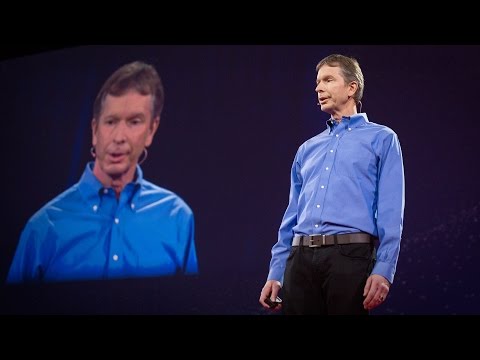
【TED】Donald Hoffman: Do we see reality as it is? (Do we see reality as it is? | Donald Hoffman)
0
CUChou posted on 2015/07/19Ever wonder if what you see is actually real? This fascinating TED Talk dives into consciousness and perception, exploring if we perceive reality as it truly is! You'll boost your vocabulary with advanced terms related to philosophy and evolutionary simulations, all while enjoying a thought-provoking discussion.
Learn this video on the APP!
The VoiceTube App has more in-depth practice for videos!