
adapt
US /əˈdæpt/
UK /ə'dæpt/
- Transitive Verb
- To change something for a different function
- To change something to fit or suit a new purpose
- Intransitive Verb
- To change your behaviour so that it is easier to live in a new place or situation
B1TOEICMoreat least
US /æt list/
UK /æt li:st/
- Adverb
- As a minimum
- Not less than
- Phrase
- No less than; at the minimum
- Used to indicate that something is positive in a bad situation.
C2Morebased on
US
UK
- Phrasal Verb
- To use something as the foundation or starting point for something else.
- Preposition
- Using something as the main idea or foundation.
- Relying on something as evidence or justification.
A1Morecalm
US /kɑm/
UK /kɑ:m/
- Adjective
- Without wind or storm; quiet; peaceful
- Relaxed and not worried or angry
- Verb (Transitive/Intransitive)
- To make or become relaxed and not worried or angry
A2Moreextent to which
US
UK
- Phrase
- The degree to which something is true or likely to happen.
- The degree of influence or effect that something has.
A1Moreget out of
US /ɡɛt aʊt ʌv/
UK /ɡet aut ɔv/
- Phrasal Verb
- To leave or escape responsibilities, troubles
- To leave a small, enclosed vehicle
A1Morehave to
US /hæv tu/
UK /ˈhæv tə/
- Auxiliary Verb
- Must do
A1Moreimperial
US /ɪmˈpɪriəl/
UK /ɪmˈpɪəriəl/
- Adjective
- Of an empire or an emperor
- Of superior or unusual size or excellence.
- Noun
- A size of printing paper; a strong pointed beard.
B1Moreon the other hand
US
UK
- Phrase
- Considering a different aspect of the matter; alternatively.
A1Moreout of the way
US /aʊt ʌv ði we/
UK /aut ɔv ðə wei/
- Adjective
- Remote; isolated.
- No longer obstructing or hindering.
- Phrase
- Not obstructing or impeding progress; in a position where one does not cause an obstruction.
- Completed; finished; no longer needing attention.
B1Morepractice
US /ˈpræktɪs/
UK /'præktɪs/
- Noun
- The office and place for legal or medical work
- Doing something many times to become better at it
- Verb (Transitive/Intransitive)
- To work as a doctor or lawyer
- To live according to the teachings of a religion
A2TOEICMoreroutine
US /ruˈtin/
UK /ru:ˈti:n/
- Adjective
- Happening or done regularly or habitually
- Always the same; boring through lack of variety
- Noun (Countable/Uncountable)
- Regular or habitual way of behaving or doing
- Series of actions that make up a performance
A2TOEICMoreseek out
US /sik aʊt/
UK /si:k aut/
- Phrasal Verb
- To look for and find someone or something, especially when it is not easy to find.
B2Moresnooze
US /snuz/
UK /snu:z/
- Noun (Countable/Uncountable)
- A short light sleep; nap
- Intransitive Verb
- To sleep lightly for a short period of time
C1Morethink about
US /θɪŋk əˈbaʊt/
UK /θiŋk əˈbaut/
- Phrasal Verb
- To consider something carefully.
- To remember or call to mind.
A1Moreup there
US /ʌp ðɛr/
UK /ʌp ðɛə/
- Adverb
- In or to a higher place or position; far away.
- In heaven.
A1More
Vocabulary
- up there: In or to a higher place or position; far away.
- based on: To use something as the foundation or starting point for something else.
- get out of: To leave or escape responsibilities, troubles
- out of the way: Remote; isolated.
- extent to which: The degree to which something is true or likely to happen.
- have to: Must do
- think about: To consider something carefully.
- at least: As a minimum
- on the other hand : Considering a different aspect of the matter; alternatively.
- seek out: To look for and find someone or something, especially when it is not easy to find.
- practice: The office and place for legal or medical work
- brain: To strike someone forcefully on the head
- develop: To explain something in steps and in detail
- routine: Happening or done regularly or habitually
- change: To exchange one set of clothes for another
- calm: Without wind or storm; quiet; peaceful
- part: Division of a book
- study: To focus on learning something usually at school
- group: Two or more musicians who play music together
- adapt: To change something for a different function
- snooze: A short light sleep; nap
- train: Line of people, animals moving the same direction
- fully: Completely or entirely
- open: To make accessible or able to be used, e.g. road
- imperial: Of an empire or an emperor
Get the full experience in the app
Learn anywhere with detailed sentence and usage analysis
01:03
She took a brave step forward, leaving behind her comfort zone to chase her dreams.
Vocabulary
- brave
adj. Having courage
- comfort zone
phr. A familiar situation where one feels safe
Explanation
a brave step is a noun phrase, where brave is an adjective modifying the noun step, meaning "a courageous step".
forward is an adverb modifying step, meaning "ahead".
The whole phrase serves as the object, answering the "what" of took (verb) — she took a brave step forward.
Get the full experience in the app
Look up words anytime with pronunciation, part of speech, and usage
brave
US/brev/
UK/breɪv/
adj.Brave
v.t.To bravely face
A2 Elementary
Get the full experience in the app
Practice speaking anytime and get instant pronunciation feedback
Try this speaking exercise.
Try practicing with this sentence.
80
0
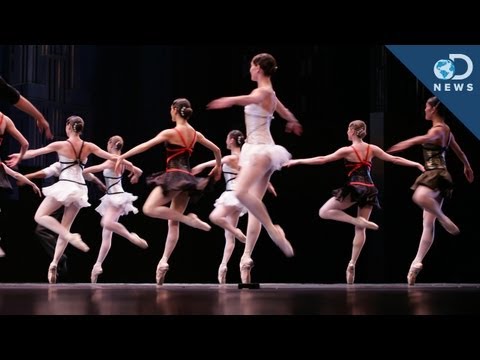
Jack posted on 2015/07/08Ever wondered how your daily habits actually rewire your brain? This video dives into the amazing science of neuroplasticity, showing how things like practicing music or ballet can physically change your motor cortex and hippocampus! You'll pick up some fascinating vocabulary and learn how mental practice can lead to real habit change.
Learn this video on the APP!
The VoiceTube App has more in-depth practice for videos!